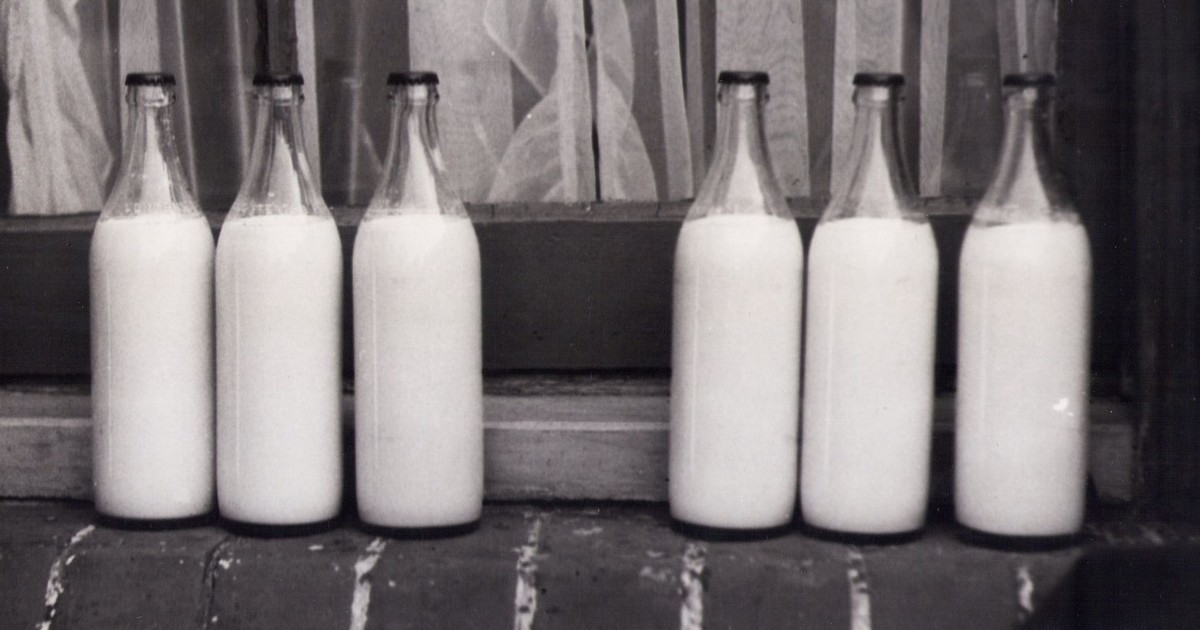

Since May 19, 2026, nearly 60 people in Idaho have been identified as sick after consuming raw milk, with at least 45 testing positive for campylobacteriosis – a bacterial infection that not everyone who fell ill was even tested for. Two dairy operations, one in northern Idaho and one in southern Idaho, are at the center of the outbreak.
The Idaho Department of Health and Welfare launched the investigation after documenting a sudden spike in illnesses tied to unpasteurized milk consumption. Six of Idaho’s seven regional public health districts – including Central District Health, Southwest District Health, Eastern Idaho Public Health, Southeastern Idaho Public Health, Panhandle District Health, and South Central Public Health – are collaborating on the investigation. No recall is currently in effect because the exact contaminated batches have not been pinpointed, but both operations are working with the health department to identify potential sources of contamination.
Idaho’s raw milk outbreak doesn’t exist in isolation. In February 2026, a newborn in New Mexico died from a Listeria infection that the New Mexico Department of Health believes the infant contracted through unpasteurized milk the baby’s mother drank during pregnancy. Listeria can cause miscarriage, stillbirth, preterm birth, or fatal infections in newborns, even when the mother herself experiences only mild symptoms.
What Campylobacteriosis Does to the Body
Common symptoms of campylobacteriosis include diarrhea (sometimes bloody), fever, stomach cramps, nausea, and vomiting. Symptoms typically begin two to five days after exposure and last about one week, though some people develop complications that extend beyond that.
For most healthy adults, campylobacteriosis resolves within a week. Guillain-Barré syndrome (GBS) is a rare complication that can follow Campylobacter infections – a condition in which the immune system, still active from fighting the bacteria, begins attacking the body’s own nerves. GBS causes nerve damage with symptoms including muscle weakness, tingling, and in serious cases, paralysis. Campylobacter infection is one of the most common causes of GBS in the United States, according to the CDC. Doctors may monitor for early signs of GBS in anyone who develops unusual weakness or tingling during recovery from a Campylobacter illness.
Campylobacter requires only a small dose to cause infection – the New York State Department of Health notes that even a single drop of juice from raw poultry or meat can carry enough Campylobacter to infect a person.
Why Raw Milk Carries Consistently Higher Illness Risk
Raw milk can carry dangerous bacteria including Salmonella, E. coli, Listeria, and Campylobacter, according to the FDA. Pasteurization heats milk to 161 degrees Fahrenheit for 15 seconds, destroying those pathogens.
Raw milk drinkers are 840 times more likely to experience an illness than consumers of pasteurized dairy, and 45 times more likely to be hospitalized. Those figures come from a study that used CDC national reporting data from 2009 to 2014, as discussed by Kali Kniel, a professor of microbial food safety at the University of Delaware. Raw milk producers can reduce contamination risk through careful practices, but they cannot guarantee a pathogen-free product – and that gap is where outbreaks happen.
CDC data cited by the FDA shows that from 1998 through 2018, there were 202 outbreaks linked to raw milk consumption, causing 2,645 illnesses and 228 hospitalizations. A peer-reviewed analysis of that dataset, published in Epidemiology & Infection, confirmed those figures also included three deaths, with consequences extending to miscarriages, stillbirths, and kidney failure in other documented cases.
Raw milk proponents often cite nutritional benefits or immune system advantages as justification for the risk. Pasteurization kills harmful bacteria while preserving the milk’s nutritional profile – the processing removes the microbial hazard, not the nutritional value. The scientific consensus does not support claims that raw milk offers meaningful health advantages over pasteurized milk.
Who Faces the Highest Risk from Raw Milk Illness
Young children, pregnant women, the elderly, and those who are immunocompromised face the greatest risk from raw milk pathogens. These groups face categories of harm that healthy adults generally do not.
For pregnant women, the specific danger is Listeria. The FDA warns that pregnant women face a serious risk of Listeria infection from raw milk, which can cause miscarriage, illness, or death in the newborn. The New Mexico case in early 2026 illustrates that scenario – the mother may have had no severe symptoms while the infection proved fatal for her newborn. Standard medical guidance is unambiguous: pregnant women should avoid all raw dairy products entirely.
Young children’s immune systems are still developing, meaning they cannot mount the same defense an adult can against a bacterial load. Older adults and people with conditions such as diabetes, cancer, or HIV face elevated risk for the same reason. The Idaho health department is urging anyone who has recently consumed raw milk and has symptoms to seek medical care promptly and report the illness to their local public health district.
You may also want to read about other foods that carry surprising contamination risks.
Recognizing When to See a Doctor
Campylobacteriosis often resolves on its own, but certain symptoms should prompt a medical visit. Bloody diarrhea, high fever, signs of dehydration (extreme thirst, very dark urine, dizziness), or symptoms that aren’t improving after a few days all warrant a call to a doctor. Anyone in a high-risk group – pregnant, elderly, immunocompromised, or caring for a young child – should seek care at the first sign of gastrointestinal illness after consuming raw milk rather than waiting for symptoms to worsen.
Diagnosis typically involves a stool sample test. Campylobacteriosis is usually confirmed with a bacterial culture, and in most cases no antibiotic treatment is needed for otherwise healthy adults. Severe cases or infections in vulnerable patients may require antibiotics, and doctors may also monitor for early signs of Guillain-Barré syndrome in anyone who develops unusual weakness or tingling during recovery.
What This Means for You
The Idaho outbreak is still active. Investigators are continuing interviews and case counts, and additional illnesses may still be identified. If you or someone in your household has consumed raw milk from any Idaho source since mid-May 2026 and is experiencing gastrointestinal symptoms, contact your local public health district and seek medical evaluation.
The 840-times-higher illness risk and 45-times-higher hospitalization risk relative to pasteurized milk apply regardless of how clean a farm appears or how carefully the milk is handled after purchase. Pathogens like Campylobacter can be present without any visible sign – no change in color, smell, or taste signals contamination. Pasteurization at 161°F for 15 seconds eliminates that uncertainty, with no meaningful loss to the milk’s nutritional profile.
For anyone currently pregnant, avoiding all unpasteurized dairy products for the duration of the pregnancy – including raw milk cheeses and raw cream – removes the Listeria risk category entirely. The New Mexico infant death in February 2026 and the FDA’s documented history of Listeria-linked miscarriages and stillbirths tied to raw milk both point to the same finding: the risk to a developing baby or newborn from unpasteurized products can occur even when the mother feels only mildly ill or not ill at all. The public health record spanning decades, hundreds of outbreaks, and thousands of documented illnesses shows consistently that raw milk carries a level of pathogen risk that careful sourcing cannot fully resolve.
Disclaimer: This information is not intended to be a substitute for professional medical advice, diagnosis, or treatment and is for information only. Always seek the advice of your physician or another qualified health provider with any questions about your medical condition and/or current medication. Do not disregard professional medical advice or delay seeking advice or treatment because of something you have read here.
AI Disclaimer: This article was created with the assistance of AI tools and reviewed by a human editor.
Read More: 9 Foods You Should Never, Ever Eat Raw (Some Will Surprise You)