
Unless you are boiling, steaming, or baking your meal, you usually require some sort of fat or oil to cook with. Not only does this stop the food from sticking to the pan, but it also adds its own distinctive flavor to the dish and enables the absorption of fat-soluble vitamins, such as A, D, E, and K. There are so many options available to the consumer nowadays, including canola oil, avocado oil, sunflower seed oil, coconut oil, and olive oil. But what is the healthiest cooking oil available on the market? Four dieticians have weighed in on the subject, and the results are unanimous. Read more below to find out which oil they all agreed on.
Important Factors to Consider when Choosing a Cooking Oil
According to the registered dieticians, there are several important criteria that you should consider when determining the healthiest cooking oil. But first, let’s introduce the various dieticians who provided this advice. Sam Schlieger is a women’s health specialist and functional dietician. Registered dietician Sapna Peruvemba is also the founder of Health by Sapna. Shelia Patterson is a dietician who practises in Salt Lake City, Utah, and Jamie Adams is a women’s health dietician. Let’s take a look at what they consider to be the most important criteria to consider.
Smoke Point
According to the dieticians, an important aspect to consider is the point at which the oil starts to break down molecularly and produce smoke, known as the smoking point. According to registered dietician, Sam Schlieger, “I prioritize stability at high heat, because unstable oils (or oils with a low smoke point) oxidize easily when heated; turning into inflammatory compounds that can disrupt cellular membranes and increase oxidative stress. This is why smoke point and fatty acid composition matter so much.” Therefore, it is important to choose heat-stable, high-smoke-point oils when searing and frying your food.
Processing

Another important criterion to consider is processing. Jamie Adams commented that she looks for oils that are minimally processed (cold-pressed or extra virgin when possible), as these retain more beneficial antioxidants and nutrients.” Certain processing steps, such as refining, can help the oil handle higher heat and make the taste more neutral, but they can also remove some of the natural flavor and antioxidants. For salads and creating a gentle heat, always choose minimally processed oils.
Storage and Flavor
Other important factors are storage and flavor. Flavor is subjective, so choose whatever best suits the dish you are preparing. When it comes to storage, there are some universal rules. Heat, light, and oxygen break down oils. It is best to store them in a dark, cool cupboard in dark glass, making sure to keep the bottles tightly capped. Certain polyunsaturated oils are more fragile and should therefore be refrigerated, such as walnut and flaxseed oils or chia. Label the bottles with the dates you opened them and try to use them within three months. If the oil smells like crayon, it is likely rancid and should be thrown away.
Nutritional Content
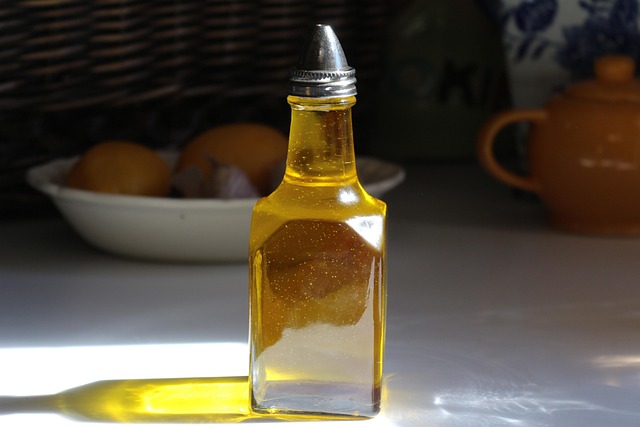
Of course, determining the healthiest oil will largely be based on its nutritional content. As Sam Schleiger explained, “When it comes to choosing cooking oils, I’m always thinking about how the body responds, how stable the oil is under heat, and how it supports (or disrupts) inflammation, hormones, gut health, and mineral balance.” Sapna Peruvemba added that she prioritizes oils that are enriched with healthy fats, particularly monounsaturated fats. This is because saturated and monounsaturated fats affect heart health in drastically different ways. For example, monounsaturated fats are associated with heart health benefits that reduce heart disease risk. Partially hydrogenated oils should be avoided as much as possible.
So What Is the Healthiest Cooking Oil?
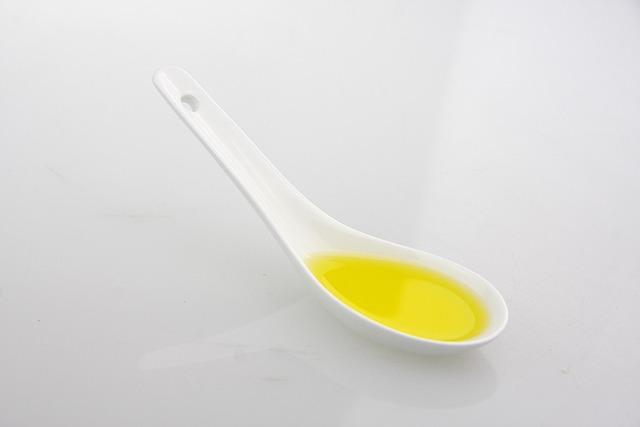
According to all four registered dieticians, the option they considered to be the healthiest cooking oil is olive oil. As Sapna Peruvemba put it, “Olive oil is rich in heart-healthy monounsaturated fats and contains polyphenols: powerful antioxidants that support cardiovascular health by lowering inflammation and improving blood lipids. Her view is supported by studies that indicate that olive oil use is associated with a lower risk of heart disease and all-cause mortality. The dieticians added that it even improves metabolic and brain health.
Tasty and Versatile
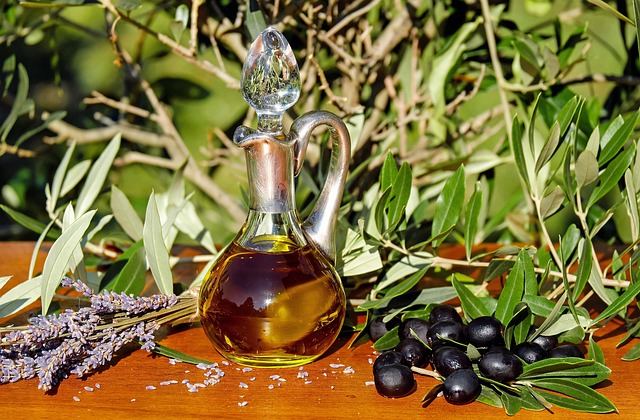
Not only is olive oil full of nutritional goodness, but it also adds a great taste. Patterson added that “It’s particularly fitting for recipes where its bold, peppery notes can complement the ingredients like in Greek, Caprese, or kale Caesar salads, along with pasta and lentil dishes.” It is a very versatile oil that can be used for everything from savory dishes to desserts and breads. Jamie Adams commented that “I love its versatility – it’s just as delicious drizzled on a salad as it is used for sautéing veggies or roasting fish.”
The Bottom Line

According to all four dieticians, there is only one clear winner when it comes to the healthiest cooking oil. It is also important to use the right oil for the particular task you are working with. For example, it is better to use extra-virgin olive oil for dressings, finishing, and moderate-heat sautéing. For searing and frying, it is better to use “light” olive oil or another high-smoke-point alternative. It is better to choose minimally processed oil and ensure that you store it in tightly sealed dark glass bottles.
Read More: Your Olive Oil Might Be Fake – Here’s How You Can Tell