
Electrochromic Mirrors Automate This
Flipping the tab forward at night and back each morning adds one more task to remember. Forget once while backing up, and you might hit a shopping cart that vanished in the dimmed reflection, so automatic mirrors handle the job for you.
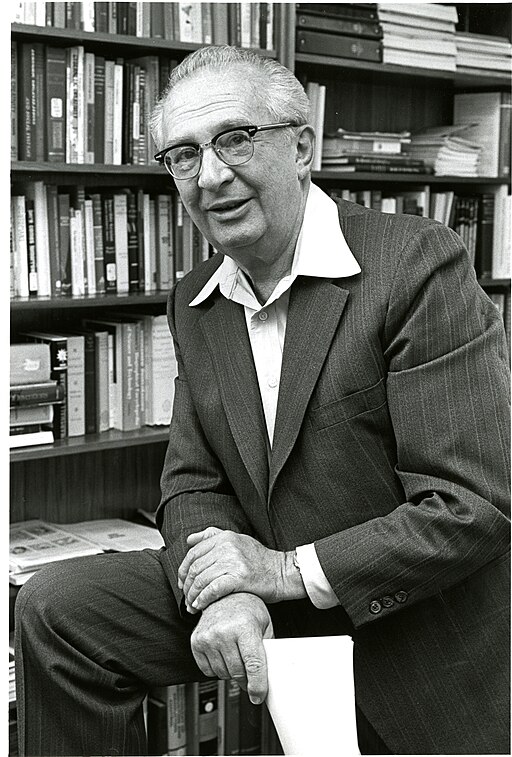
American inventor Jacob Rabinow developed the first light-sensitive automatic mechanism for car rearview mirrors in the 1950s, earning a patent reported in a 1961 New York Times article. The device used a photocell to detect glare from headlights and automatically dimmed the mirror by tilting it with motors. But mechanical systems wear out, which pushed later inventors toward electronic solutions.
Gentex Corporation solved this problem in 1986 with electrochromic dimming, which became the best solution for driving after dark because the car mirror settings adjusted smoothly without mechanical parts. The technology uses a gel layer sandwiched between two pieces of glass that darkens when voltage flows through it. This means the mirror dims silently and adjusts to any brightness level instead of just two fixed positions.
Sensors control when the gel darkens. A forward sensor measures ambient light while a rear sensor watches for headlight glare behind you. When the rear sensor spots a bright light, it sends a voltage to the gel layer. The gel darkens in proportion to how bright those headlights are, so the dimming adjusts continuously as cars get closer or farther away. The mirror clears back to normal when the lights disappear.
These systems became standard on many mid-range vehicles by the 2010s as production costs fell. Side mirrors often use the same technology, dimming all three together. The rearview mirror tells the side mirrors when and how much to dim.