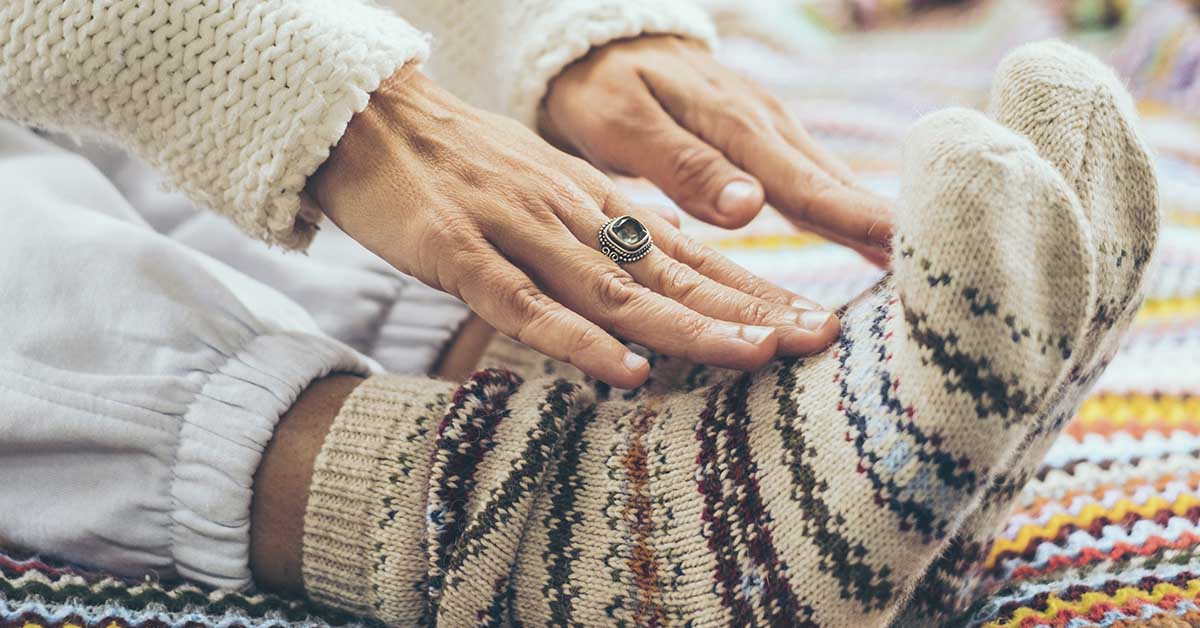

Small choices at home can shape safety and comfort in practical ways. Socks look ordinary, yet they touch the skin for many hours each day. The right pair of socks cushions delicate areas and manages moisture with steady consistency. Poor choices can rub or slip, which raises fall risk on smooth floors. Age brings changes that affect feet in quiet but important ways. Skin can thin, and nails may grow thick or brittle with time.
Some people also live with swelling, diabetes, or neuropathy, which raises the stakes for minor injuries. These realities make a simple sock routine worth real attention each day. Clean, well-fitting socks help you notice problems early and prevent needless setbacks. This guide explains the benefits of wearing socks for older adults using trusted sources and clear steps. You will see how smart choices protect skin and support steadier movement across daily life. The goal is simple. Keep feet comfortable and keep daily life moving.
Warmer Feet Mean Better Sleep
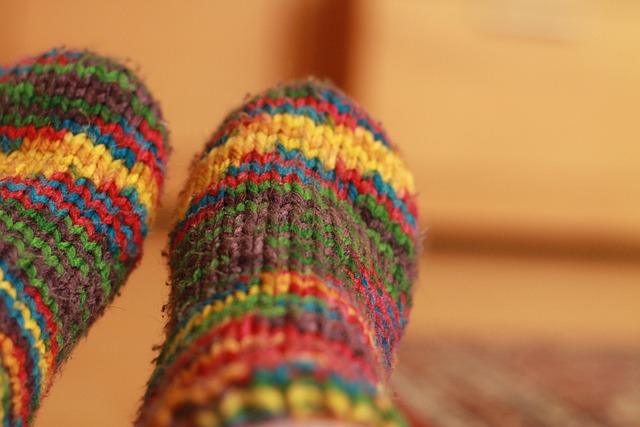
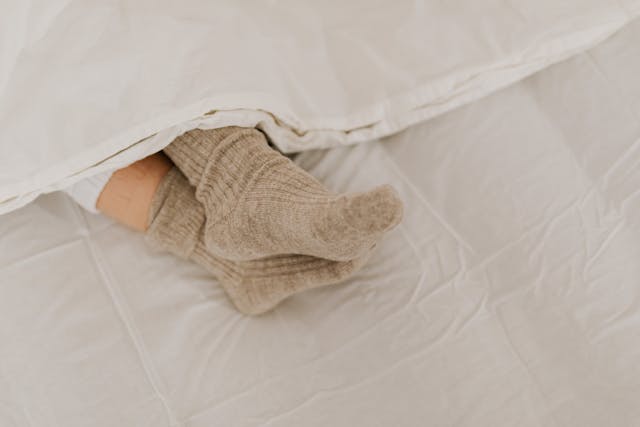
Falling asleep can feel harder with age, yet small thermal adjustments can help a lot. A controlled study found that wearing bed socks in a cool room shortened the time to fall asleep and extended total sleep. Awakenings also decreased, while core temperature stayed stable during the night. These findings point to a practical routine that is easy to try at home. Put on clean, soft bed socks shortly before lights out, and keep the room comfortably cool.
Choose breathable fabrics that allow heat to move away from the skin. Avoid tight tops that leave deep marks on the lower leg or ankle. If you have neuropathy, inspect the inside for rough seams or knots before use. Better sleep supports attention the next day and can improve steadiness when moving around. A gentle change at bedtime can reduce tossing and support regular rest. The benefits of wearing socks at night may seem small. However, repeated gains can add up for sleep quality over weeks. Evidence continues to grow, and current trials already offer helpful guidance for real homes.
Socks Help Protect Fragile Skin

Skin on aging feet often becomes thin and dry, which increases vulnerability. Hot surfaces can burn quickly, and minor rubbing can escalate into open areas. Federal diabetes guidance recommends wearing shoes and socks at all times, and also protecting feet from heat and cold during daily routines. Those steps help prevent injuries that can spiral into ulcers or infections. Begin each day with a short sequence that is easy to follow, Wash and dry the feet, inspect the heels and toes, then pull on a clean pair.
Use lotion on the tops and bottoms if the skin looks dry, and skip the spaces between the toes. That area needs to stay dry to discourage fungal growth during the day. If you see redness that does not fade, call your clinician for advice. Early attention prevents bigger problems and keeps you active at home. Socks also shield the skin during short trips to the porch or garage. The benefits of wearing socks include quiet protection that works every hour. Simple repetition builds reliable safety for skin that needs consistent care.
The Benefits of Compression Socks
Many older adults notice ankle swelling that grows worse by evening. Compression stockings gently squeeze the legs to help move blood upward toward the heart. MedlinePlus explains that consistent use can reduce swelling and may lower clot risk for selected situations. The right grade and length depend on your needs and your medical history. Some people do well with knee-high, moderate compression for daily activities. Others need a different fit or a donning aid that eases application in the morning.
Put them on soon after waking, when swelling is lowest, and remove them before bed unless your clinician advises otherwise. Inspect the skin each day for marks or irritation that persist. If you live with severe arterial disease or advanced neuropathy, seek professional guidance before use. Compression should never create pain or numbness during normal wear. When matched correctly, the benefits of wearing socks with compression include improved comfort and better endurance. Small gains in walking ease can help you keep moving through the day. Those gains support confidence with household tasks and social visits.
Shoes Remain Safest
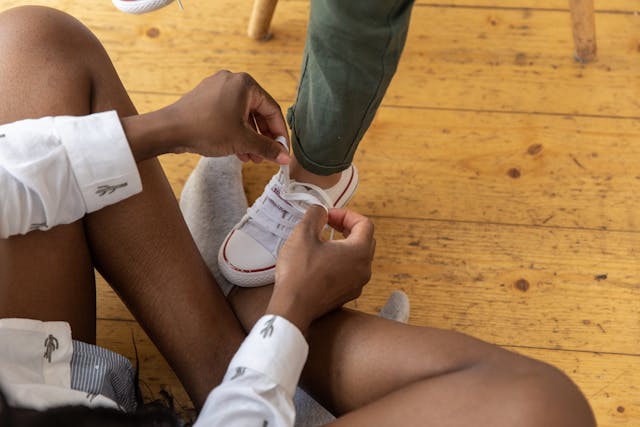
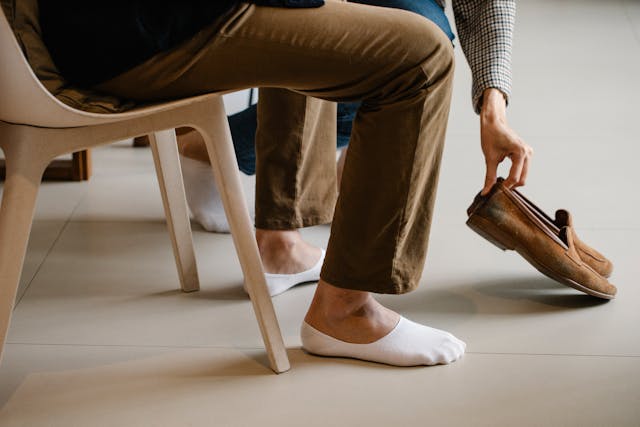
Falls at home cause serious injuries, so footwear choices matter a lot. A large study from the MOBILIZE Boston cohort examined falls inside the home and tracked what people wore when they fell. Many events occurred while people were barefoot, in socks, or in slippers. Serious injuries were more likely without supportive shoes. That pattern supports a practical message for daily life. Wear shoes with good traction during most walking, and keep a pair by the bed and favorite chair. During brief shoe-off moments, non-skid socks can still help on tile or laminate. However, they do not match the grip and structure of a proper shoe.
Studies of so-called non-slip socks show variable performance across brands and surfaces. Some tests even found better slip resistance with bare feet compared with certain treaded socks. These findings do not argue for bare feet at home, which can still invite cuts and infections. They point to a clear plan that blends caution with comfort. Choose stable shoes for most movement, and keep grippy socks as a backup near resting spots. The benefits of wearing socks appear when you use them within that plan.
Daily Foot Checks
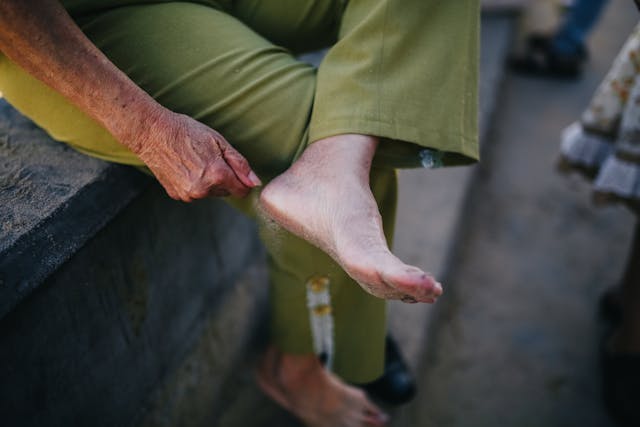
Daily checks catch blisters, cracks, calluses, and color changes before they worsen. National diabetes programs stress routine checks at every visit, and they encourage home checks between appointments. Socks support this habit by creating a natural pause that happens at least once a day. When you change pairs, you look at the skin and note anything new. White socks can even reveal drainage that would be hard to notice otherwise. Keep a small mirror near where you dress, since the soles can be easy to miss.
If bending feels difficult, ask for help with a quick once-over during the evening. Keep an eye on areas over bunions or hammer toes, which can rub without warning. Replace stretched pairs that twist or bunch under the forefoot. That movement can cause friction and small tears in delicate areas. The benefits of wearing socks include early detection, as well as protection. When you tie foot care to a daily habit, small problems stay small. That approach saves appointments and keeps you moving confidently.
Wearing the Right Socks for Your Feet and Shoes
Shoes and socks work together like a team that shares one task. Thin, smooth socks reduce friction hot spots and help nails avoid repetitive trauma. That small change can protect people who have thickened nails or bony changes from years of walking. For sensitive feet, seamless designs can reduce rubbing over the tops of toes. Research on neuropathy care stresses the value of protective socks with closed shoes during normal activities. Open sandals can invite skin injury on rough flooring or uneven paths.
If lace-up shoes feel snug by afternoon, consider a lighter sock in the morning with mild compression. That combination can reduce swelling and keep the foot stable inside the shoe. Replace old pairs when the fabric pills inside or the heel thins noticeably. Loose threads can form ridges that rub at the same spot every day. The benefits of wearing socks include smoother movement and calmer skin during errands. Gentle consistency helps you keep shoes on longer, which supports safer walking.
Clean Socks Prevent Athlete’s Foot and Nail Fungus
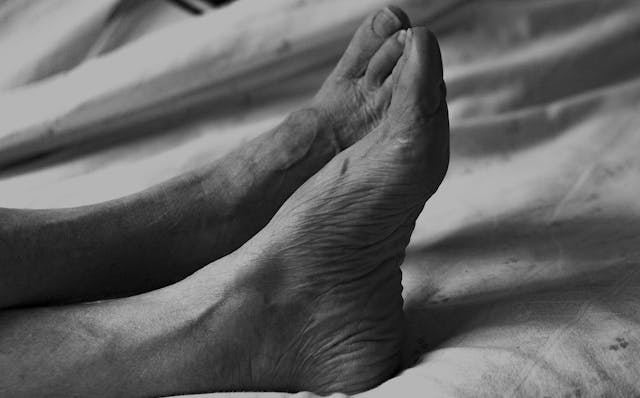
Fungi thrive in warm and damp spaces that do not receive much air. That description fits sweaty shoes and old socks that have lost their shape. CDC guidance is clear on prevention steps that work across ages. Keep feet clean and dry, wear shoes that allow air movement, and change into clean socks at least once a day. Dry carefully between the toes after bathing, since residual moisture gives fungus an easy start. If your feet sweat during the day, carry an extra pair and change when they feel damp.
Wash socks in warm or hot water when the fabric allows, and replace pairs that hold odors. For public places like locker rooms or pools, use protective footwear and change socks afterward. These habits reduce the spread on floors and carpets inside the house. If you already have itchy, scaling skin, ask about an antifungal cream and strict drying. Quick action helps protect family members who share bathrooms or showers. The benefits of wearing socks become clear when feet stay dry and comfortable. Consistent hygiene keeps small issues from becoming persistent frustrations.
The Importance of a Good Home Plan

Falls are complex events that rarely have a single cause. Public health programs offer checklists that help families find hazards and fix simple problems at home. Good lighting, clear paths, and secure rugs reduce risk during normal routines. Footwear belongs inside the same plan and deserves regular attention. Keep stable shoes with traction near your resting spots so you can stand with confidence. Place non-skid socks by the bed for bathroom trips that feel urgent at night.
If you use a cane or walker, ask a physical therapist to check the height and balance pattern. Add simple strength practice and balance tasks as your clinician recommends. Shoes should handle most walking, while socks support the in-between moments that happen daily. The benefits of wearing socks become obvious when they fit into a complete plan. You feel more prepared in the dark, and you move more calmly when standing up. Repetition builds safer habits that protect independence over time.
Read More: Sleeping Trick? Why Sticking One Foot Out Actually Works
Choosing and Using Socks at Home
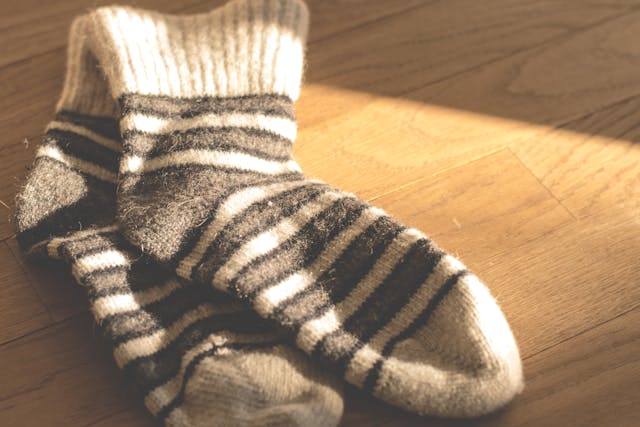
Start with a fit that feels snug without painful pressure at the cuff. Look for smooth interiors and breathable fabrics that move sweat away from the skin. If you have swelling, ask about light compression that matches your needs. For neuropathy, choose seamless options with gentle padding over bony spots. Keep non-skid pairs for bare floor moments, and replace them when treads flatten. Change pairs after activity and at bedtime if they feel damp. Wash in warm or hot water when fabric allows, then dry fully before use. Pair socks with shoes that have firm heel counters and non-slip soles. Keep both near places where you usually stand up quickly. Finally, combine sock habits with routine foot checks and a tidy floor. These steps reinforce one another and keep your plan simple to follow. The benefits of wearing socks come from steady repetition more than one single choice.
A Note on Safety and Expectations
Shoes with traction remain safer than thin socks for most indoor walking. Plan to wear supportive shoes during the day, and use non-skid socks when shoes are off. People with severe arterial disease or advanced neuropathy need personalized guidance before using compression. Diabetes increases the stakes for small foot injuries that can grow quickly. Daily checks and protective socks become essential parts of routine care in that setting. If you notice new swelling, unusual color changes, or pain that persists, seek evaluation. Socks help with comfort, hygiene, and sleep when used thoughtfully. They work best as part of a full plan that includes exercise, home safety, and regular care. The benefits of wearing socks appear across many small moments that repeat. Small moments add up and protect steady movement through normal life.
The Bottom Line
Socks seem simple, yet they can shape comfort and safety every day. For older adults, small habits build protection that supports confident movement at home. The benefits of wearing socks include warmer feet and calmer skin. Breathable fabrics manage moisture and reduce fungal growth that thrives in damp spaces. Clean pairs create a checkpoint that helps you notice early changes. Non-skid options help during brief shoe-off moments on smooth indoor flooring. Supportive shoes still provide stronger stability for most walking inside the house.
Compression choices can reduce swelling when fitted and supervised by your clinician. People with severe arterial disease or neuropathy should confirm safety before using compression. At night, soft bed socks may shorten the time to sleep in cool rooms. Better sleep often supports balance and attention during the following day. Keep socks clean and replace worn pairs at regular intervals. Small steps reinforce each other and produce steady gains over many weeks. With consistent use, socks help protect skin and support safer movement at home. Share any concerns about skin changes with your healthcare team early. Thoughtful routines today can preserve confidence and independence in daily life.
Disclaimer: This article was created with AI assistance and edited by a human for accuracy and clarity.
Read More: What Your Feet Are Telling You About Blocked Arteries and Heart Problems