The Most Reliable Vacuum Brands Are Not What You’d Expect
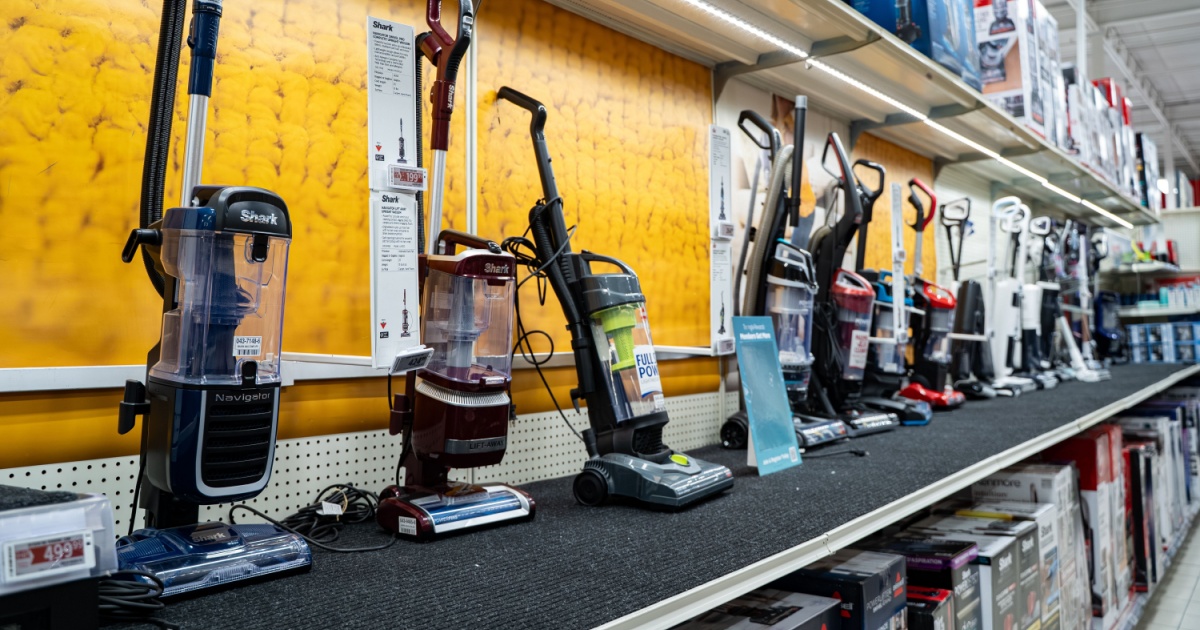
Walk into any big-box store and ask someone which vacuum brand they’d bet on lasting five years without a breakdown. Chances are, you’ll hear the same two or three names – the ones that have dominated TV ads and Instagram feeds for the past decade. They’re flashy, they’re everywhere, and they come with a premium price tag that implies premium reliability. But reliability and marketing budget are very different things, and the data behind which brands actually hold up over time tells a surprisingly different story.
The problem with buying a vacuum based on brand recognition is that you’re essentially gambling with a $300 to $700 purchase. A vacuum that breaks down after two years doesn’t just cost you a replacement, it costs you the time spent returning it, researching another one, and coping with dirty floors in between. For most households, a vacuum isn’t a disposable item. It’s an appliance that should last years, if not a decade or more, which makes the question of reliability one of the most important factors in the buying decision.
So what does the actual evidence say? Consumer Reports surveys its members every year on the stick, robot, upright, and canister vacuums they own, asking whether their machines have broken down and whether they’d recommend them. Their most recent reliability data draws on members’ experiences with 135,906 vacuums purchased new between 2015 and 2025. That’s a large enough sample to cut through marketing noise and reveal which brands actually perform over time. The results were genuinely unexpected.
1. Makita
Makita is known for power tools. If you’ve drilled holes, driven screws, or sanded a deck in the last decade, you’ve probably used one. But vacuum cleaners? That’s not the association most people make with this Japanese manufacturer. Turns out, not being a vacuum company might actually be one of Makita’s greatest strengths in this category.
Makita, which is more popular for power tools, claims the top spot in Consumer Reports’ reliability rankings. Consumer Reports reviewed a single cordless stick vacuum from the Japanese manufacturer, but Makita made it count by securing a near-perfect Brand Reliability score. It also got a high Owner Satisfaction score in the category, which is impressive for a brand that’s not really focused on vacuums.
The lone cordless stick vacuum Consumer Reports reviewed is the Makita 18V LXT XLC02R1B, powered by the brand’s 18V LXT batteries. The device only has an overall satisfactory score, but it received perfect ratings for noise level and clean emissions. Those 18V batteries are the same ones compatible with Makita’s broader tool ecosystem, which means this vacuum is genuinely built around the company’s existing battery technology rather than designed from scratch as a consumer appliance. It’s a bit like asking a professional watchmaker to design a kitchen timer – they may not specialize in it, but they know precision engineering. If you’re already in the Makita tool ecosystem, this vacuum deserves a serious look.
2. Miele
Miele is the brand that loyal fans tend to talk about the way people talk about their favorite cast-iron skillet. Once you have one, you never go back. Founded in Germany in 1899, Miele has built its reputation on engineering aimed at providing reliable and efficient cleaning solutions. And the data backs that reputation up, at least for canisters.
Miele ranks second overall in Consumer Reports’ reliability analysis, with the highest Brand Reliability score for canister vacuums. Consumer Reports describes Miele as the only canister vacuum brand it has tested that earns top scores from members for both reliability and owner satisfaction.
One of Consumer Reports’ highest-rated canister vacuums is the Miele Complete C3 Marin. It handles bare floors and embedded pet hair especially well, and Consumer Reports’ testing team noted that Miele canisters are notably quieter than competing models and offer variable motor speeds to control suction. The main trade-off is price. The Miele Complete C3 Marin is the most expensive canister in its class, costing two to three times as much as many competitors, but its consistently strong performance has made it one of Consumer Reports’ top canisters for several years running. For a machine you might own for a decade, that math can work in your favor.
3. Shark
Shark is a name people recognize, but for the wrong reasons. Many shoppers assume it’s a budget brand competing on price rather than performance. That assumption undersells it significantly. Shark takes third place in Consumer Reports’ reliability rankings, with solid scores for the reliability of its robotic vacuums and upright vacuums, but only a satisfactory score for cordless stick vacuums. Shark also has the highest Owner Satisfaction score for corded stick vacuums, and its devices hold the top three overall scores in that category.
In Consumer Reports’ member surveys, Shark corded vacuums earn a top-level mark for predicted reliability and a decent mark for owner satisfaction. That’s a meaningful distinction. Predicted reliability is calculated by estimating how likely a vacuum is to develop problems by the end of its fifth year of ownership, based on real-world data from actual users. Shark doing well here suggests these machines aren’t just clean on day one; they tend to stay working.
The Shark PowerDetect HZ4002 is the highest-rated corded stick vacuum by Consumer Reports, with top scores for cleaning bare floors, edges, and pet hair, as well as for clean emissions, and good scores for carpet and noise. One practical note: if you’re considering a cordless Shark instead of a corded model, the reliability scores for the cordless line are a little more middling. Shark earned a solid score for canister vacuums and only a satisfactory score for cordless stick vacuums. If long-term reliability is your priority, the corded Shark models are the safer bet.
4. Bissell
Bissell is another brand that tends to be associated with affordability rather than engineering excellence, but Consumer Reports’ reliability data tells a more considered story. Bissell is a U.S.-based brand headquartered in Michigan, focused on floor care devices such as vacuum cleaners and carpet cleaners. It’s the only manufacturer with a higher Brand Reliability score for corded stick vacuums than Shark, but with a solid score for canister vacuums and only satisfactory scores for upright vacuums and cordless stick vacuums, Bissell earns fourth place overall in the reliability rankings.
The Bissell Featherweight PowerBrush 2773A is the brand’s top-scoring corded stick vacuum. Although it only has a satisfactory overall score, it received praise for edge cleaning and noise level. The brand also holds up well in independent testing. According to Vacuum Wars, the Bissell Pet Hair Eraser Allergen Lift-Off 39883 held its own in embedded dirt evaluation, achieving 100% in the carpet deep clean assessment at max power. The Bissell was able to vacuum large debris on a hard floor without snowplowing or scattering. On carpets, it handled surface debris extremely well, with larger gates allowing it to manage everything from small particles to extra-large debris without issue.
Established in 1876, Bissell is a privately owned American company well known for its extensive range of cleaning solutions. That longevity as a manufacturer suggests this is not a brand cutting corners on quality control. If budget is a factor in your decision, Bissell offers some of the better reliability-to-price ratios among brands Consumer Reports tracks.
5. Eufy
Eufy is the biggest surprise on this list. Most people know Eufy for its security cameras and video doorbells, not its vacuum cleaners. The brand is a sub-brand of Anker, a Chinese electronics company, and it entered the robot vacuum market relatively recently compared to established players like iRobot. But it’s been building a serious track record.
Eufy robot vacuums earn a near-top-level rating for predicted reliability and a decent rating for owner satisfaction, according to Consumer Reports’ member surveys. The Eufy C10 T2292 is the brand’s highest-scoring robot vacuum by Consumer Reports. It received perfect ratings for cleaning bare floors, navigation, picking up pet hair, and noise level. It’s well-suited to households with pets, and its self-emptying station can hold up to eight weeks of debris before needing to be emptied.
For anyone looking specifically at robot vacuum options, Eufy’s reliability profile makes it genuinely worth considering as an alternative to pricier models. Consumer Reports notes that the Eufy C10 is an excellent choice for homes without heavy carpet, as it excels at cleaning bare laminate floors and handles pet hair impressively. The trade-off is that its performance on thick carpets is middling, so if your home is carpeted throughout, you may want to pair a Eufy robot with a more powerful upright or canister for deeper cleans.
Samsung showing up on a vacuum reliability list might feel strange if you think of the brand primarily as a phone or TV manufacturer. But Consumer Reports’ reliability data on cordless stick vacuums puts Samsung in genuinely strong territory, and the broader customer satisfaction data backs that up.
Consumer Reports’ surveys indicate that Samsung cordless stick vacuums are less likely to develop battery issues, making them one of the more reliable options in that category. This is significant because, as Consumer Reports notes, the most prevalent problem plaguing cordless stick vacuums is battery issues. Specifically, many owners report their vacuums’ battery life getting worse over time (18 percent), batteries dying completely (10 percent), and battery life not being good to begin with (8 percent). A cordless brand that sidesteps that primary failure point stands apart from the pack.
According to the American Customer Satisfaction Index (ACSI), Samsung received the highest ratings of any major vacuum brand for its lineup in 2025. Respondents particularly liked how easy the vacuums were to operate and empty. ACSI’s survey of vacuum consumers also found Samsung ranked highest in customer satisfaction overall, with standout recognition for innovations like the Bespoke Jet Bot Combo AI Robot Vacuum. The Samsung Bespoke AI Jet Ultra VS90F40DMK/AA carries a premium price, but it brings strong cleaning performance, excelling on carpets and picking up pet hair with ease. It also offers one of the longest run times among cordless stick vacuums tested by Consumer Reports. Samsung’s weak spot, as with Makita, is that it only excels in select categories rather than across the board.
What This Means for You
The broader lesson here is simple: brand fame and brand reliability are not the same thing. Consumer Reports’ reliability analysis is built on survey data from members covering 135,906 vacuums across five categories: canister, upright, robotic, corded stick, and cordless stick vacuums. When you look at the results across those categories, the brands that dominate marketing budgets do not automatically dominate the reliability charts. A power tool company and a home appliance giant outscore legacy vacuum brands that have spent decades building name recognition. That should shift the way you shop.
Before buying, think about which type of vacuum fits your home. Corded stick vacuums are considered more reliable and generally less expensive than their battery-operated counterparts, though the cord can be a tripping hazard and makes them slightly less convenient. If you’re willing to trade some convenience for dependability, that’s worth factoring into your decision. If cordless is non-negotiable, Samsung’s battery performance data gives it a meaningful edge over many competitors. If you want a canister that will likely outlast your furniture, Miele’s track record is hard to argue with. And if you’re shopping on a tighter budget without wanting to sacrifice too much on longevity, Bissell and Shark both offer strong reliability at more accessible price points.
The best vacuum is the one that still works five years from now. Pick the brand that earns that outcome through data, not the one that earns it through the size of its ad spend.
AI Disclaimer: This article was created with the assistance of AI tools and reviewed by a human editor.