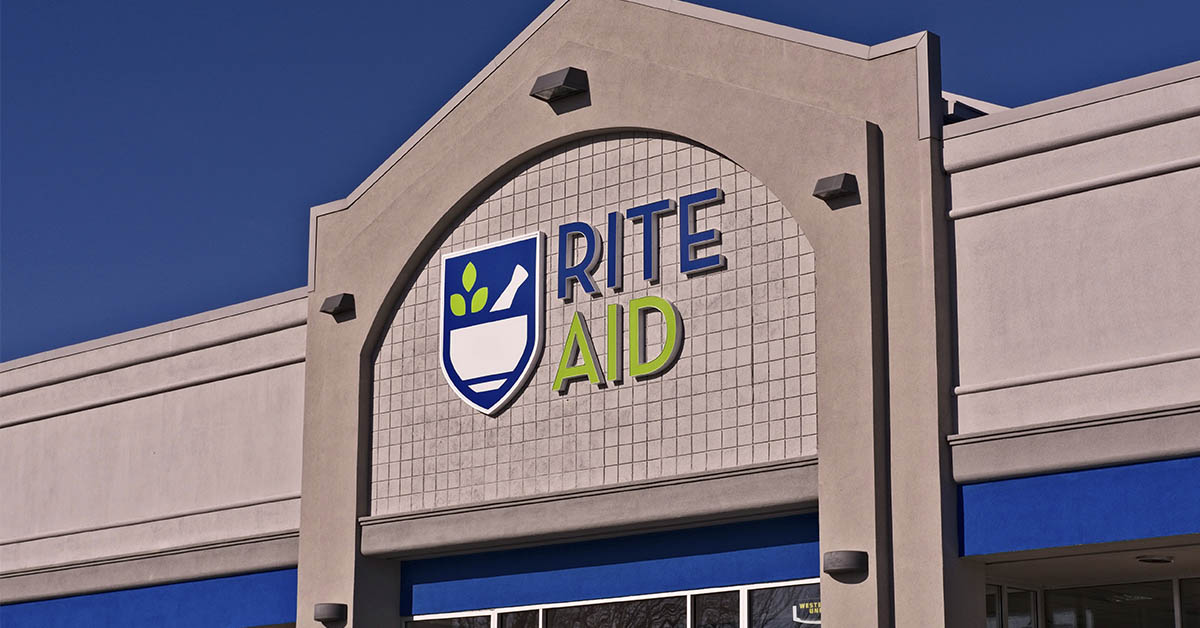

After decades in business, Rite Aid closing all its stores marks the end of one of America’s most familiar pharmacy chains. The company confirmed that every location has now shut its doors for good. After years of financial strain, lawsuits, and heavy debts, the brand that once served millions of Americans has finally vanished from local streets.
The Long Road to Collapse
The Rite Aid closing announcement didn’t come out of the blue. The signs had been there for years. In 2023, the company filed for Chapter 11 bankruptcy, hoping to reorganize and save itself, and they annouced a wave of closures in 2024. That was supposed to be the fix. Management planned to cut losses, close some stores, and somehow hold on.
But those plans didn’t hold up for long. The company faced wave after wave of lawsuits about its role in the opioid crisis. The Justice Department accused Rite Aid of filling suspicious prescriptions for addictive painkillers like oxycodone and fentanyl. The accusations damaged its reputation, and the costs of legal defense drained what was left of its finances.
The company tried to recover, but by early 2025, it filed for bankruptcy again. This time, there was no talk of recovery. The second bankruptcy filing made it clear that Rite Aid’s story was coming to an end.
The Second Bankruptcy and Asset Sales
During its final months, the Rite Aid closures happened fast. The company started selling off its remaining assets to competitors. Pharmacy files, store leases, and property were put up for sale. CVS bought hundreds of prescription records and dozens of locations, while other big players like Walgreens picked up what they could.
By May 2025, the court had approved the sale of nearly all of Rite Aid’s pharmacy assets. CVS alone took over more than 600 sets of customer prescription files and a few dozen stores. Customers could still get their medications, but they were now filling prescriptions under a different sign.
Through 2024 and into 2025, Rite Aid kept closing more and more stores. Over 500 pharmacies disappeared, nearly one-quarter of what had once been a nationwide presence. By the time October arrived, fewer than 100 stores were left. And even those wouldn’t survive the month.
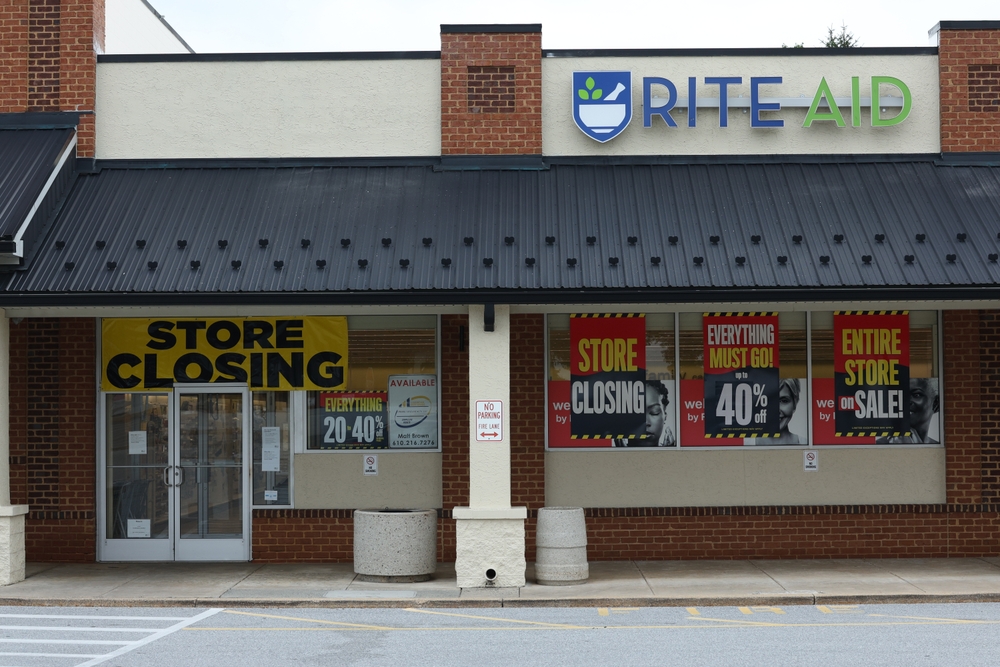
Official Closure Announcement
In early October 2025, the company made it official. On its website, a short note thanked customers for their support and confirmed the total Rite Aid closing of every store. The message read almost like a farewell letter. It didn’t mention the bankruptcy or lawsuits, just gratitude for years of loyalty.
The company kept a few parts of its website open so people could still request prescription records or find out which pharmacy had taken over their files. Some customers said the transfer process was confusing. Others were frustrated when they couldn’t find their old vaccination history or medication data.
Still, for most people, the announcement hit with a mix of surprise and nostalgia. Rite Aid had been part of daily life for so long. In small towns and big cities alike, it was that reliable place to grab medicine, snacks, or shampoo after work. Seeing it gone felt strange.
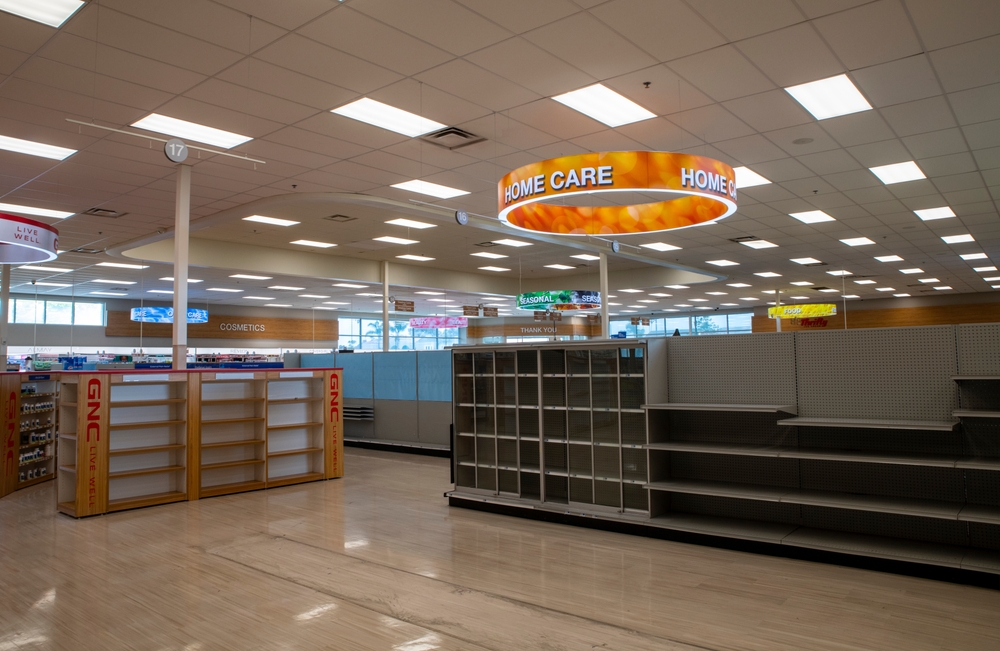
What Caused Rite Aid’s Downfall
Competition That Never Let Up
The Rite Aid store closures reflect how brutally competitive the pharmacy world became. CVS, Walgreens, Walmart, and online pharmacies kept expanding. Meanwhile, Rite Aid seemed stuck in the past. Consumers were changing how they shopped, ordering more medications online or through digital health apps. Rite Aid didn’t catch up in time.
While its rivals built clinic-style services and rolled out app-based refills, Rite Aid’s stores often felt outdated. The brand couldn’t match the convenience or the scale that customers were getting elsewhere. It was like watching a slow fade from relevance.
Debt and High Costs
Money was another big problem. The company carried massive debt from years of expansion and bad acquisitions. Even when it got $3.45 billion in new financing after its first bankruptcy, it was never enough. Rent, maintenance, and shrinking sales just kept eating away at the budget.
Each Rite Aid closing made it harder to stay afloat. The fewer stores they had, the less revenue they could count on. The company started cutting costs wherever it could, but by that point, there wasn’t much left to cut.
Legal Battles and Opioid Fallout
Rite Aid’s legal troubles were huge. Hundreds of lawsuits claimed the company dispensed opioids irresponsibly. The lawsuits weren’t just costly; they also scared away investors and potential buyers.
Competitors like CVS faced similar lawsuits, but they were big enough to absorb the impact. Rite Aid wasn’t. The legal risk made everything worse and left the company stuck between regulators, creditors, and angry shareholders.
Failing to Rebuild After the First Bankruptcy
The first bankruptcy in 2023 was supposed to be a fresh start. Management promised to make the chain leaner, more efficient, and tech-friendly. But little changed. Stores were still closing, and customers weren’t returning.
Suppliers lost confidence too. Some started demanding faster payments or ended their partnerships altogether. By the time 2025 rolled around, it was clear the recovery plan had failed. The second bankruptcy was just a formality and the end everyone had seen coming.
The Human and Community Impact
Jobs Lost Everywhere
Thousands of people lost their jobs as Rite Aid stores went dark. People who had worked there for years suddenly had nowhere to go. Some got hired by CVS or Walgreens after those companies bought old Rite Aid locations. Others didn’t get so lucky.
In small towns, Rite Aid had often been one of the biggest employers. Its closure hit local economies hard. Empty storefronts started appearing where busy pharmacies used to be, and nearby businesses felt the loss of customer traffic.
Customers Left Scrambling
For longtime customers, losing Rite Aid meant more than finding a new pharmacy. Many had personal connections with their pharmacists. Now, they had to start over somewhere else.
Rite Aid tried to make the transition easier by coordinating with new providers, but not everyone had an easy time. People in rural areas, especially, found themselves driving farther or waiting longer to get medications. Health experts warned about the growing problem of places with little or no access to pharmacies at all.
The Emotional Side
For a lot of people, the Rite Aid closing was personal. It was where families went for cough syrup or school supplies, or where seniors chatted with the same pharmacist they’d known for years. When those lights went out, it felt like losing part of the neighborhood.
On social media, people posted old photos and memories of their favorite local stores. Some even saved shopping bags or receipts as keepsakes. It sounds small, but it shows how connected people were to the brand.
Lessons from Rite Aid’s Fall
The company’s story isn’t just about poor finances or bad luck. It’s a reminder of how even long-standing brands can fade when they stop adapting. From missed opportunities to legal missteps, there are lessons in the fall of Rite Aid that every modern business can take to heart.
You Have to Evolve
The end of Rite Aid shows what happens when a company stops adapting. The market moved fast, and Rite Aid didn’t. CVS and Walgreens became health hubs, adding clinics, flu shots, and digital tools. Rite Aid tried to catch up but was too slow.
Legal Trouble Can Sink Even Giants
The opioid crisis brought serious legal consequences. Rite Aid’s failure to manage those risks responsibly ended up being fatal. Compliance and transparency are not optional in healthcare, they’re survival tools.
Bankruptcy Isn’t a Magic Fix
Filing for bankruptcy can buy time, but it doesn’t guarantee survival. Rite Aid focused on trimming costs instead of reinventing its business. Without innovation or a stronger identity, its second chance didn’t mean much.
The Market Keeps Consolidating
With Rite Aid gone, bigger chains like CVS and Walgreens now have more power. Fewer competitors could mean higher prices or less choice for customers, especially in smaller towns. Consolidation might help efficiency, but it often hurts diversity in the marketplace.
Remembering Rite Aid’s Legacy
Rite Aid started as a small drugstore in Pennsylvania in 1962. It grew into one of the biggest pharmacy chains in the country, with thousands of stores at its peak. For decades, it stood for convenience and community care.
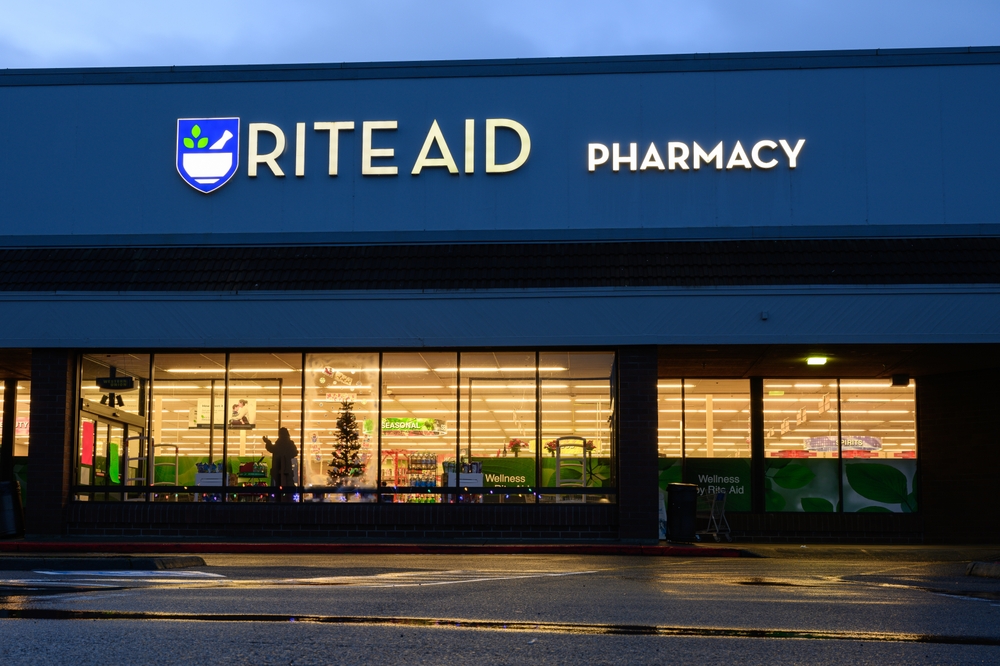
Its blue signs and neighborhood vibe made it feel approachable, even comforting. Families trusted it, and for many, it was part of daily life. Even after the final Rite Aid closing, that legacy sticks around in memories and small reminders.
For some, it’s the place where they got their first job. For others, it’s the store that always had what they needed. It may be gone, but the familiarity it offered won’t fade as fast.
Changing Retail Landscape
The story of Rite Aid is about more than just another company going out of business. It’s a reflection of how much the world has changed and how quickly it moves. The Rite Aid closing marks the end of a retail era when local stores were personal, and customer service meant something.
Rite Aid’s fall teaches a simple lesson that no matter how big or trusted a company becomes, it must evolve with its customers and stay accountable to its values. Its empty storefronts now remind us that change doesn’t wait for anyone.
Even so, for many people, the sight of that blue and white logo will always bring back a bit of nostalgia, a reminder of an everyday brand that once felt like home.
Read More: Food Prices Are Skyrocketing as Beef and Coffee Hit Record Highs