

Every day, your immune system performs a delicate balancing act, attacking harmful invaders while protecting your own tissues. When that balance breaks, infections can spread unchecked, or the body can mistakenly turn against itself. The 2025 Nobel Prize in Physiology or Medicine honors three scientists who uncovered how the body maintains this crucial equilibrium. The Nobel prize winners, Shimon Sakaguchi, Mary Brunkow, and Fred Ramsdell, revealed new information about regulatory T cells, the immune system’s roaming peacekeepers.
These cells help terminate responses once any threats have faded and prevent potential “friendly fire” against healthy organs. Their discoveries are helping to change the way doctors view autoimmunity, transplantation, and even cancer. They also turned a once-controversial concept into a treatment blueprint now moving through clinical trials. In this article, we will explore the story behind the prize, explain how regulatory T cells work, and explore therapies that either strengthen or relax these cellular brakes. We will also take a look at recent breakthroughs that draw a direct line from basic discovery to bedside hope.
Peacekeepers of Immunity
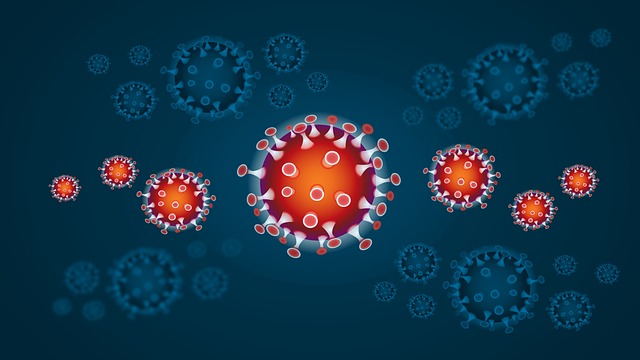
The Nobel Committee honors discoveries that have helped solve complex questions in human biology. Why does the immune system rarely harm healthy tissues while demolishing dangerous microbes? The answer to that question involved specialized white blood cells called regulatory T cells, usually shortened to Tregs. These cells do not chase after pathogens like attack troops. Instead, they patrol the body and apply calming signals that prevent excessive or misdirected inflammation. However, their significance extends far beyond successfully ending infections. By keeping self-reactive immune cells in check, Tregs defend your organs from autoimmune damage that otherwise unfolds undetected over the years.
The official Nobel release on these findings describes the arc from observation to mechanism and then finally to medicine. Early experiments revealed that removing certain T cells sparked autoimmune disease in mice trials. Subsequent work then mapped a master control gene called FOXP3 that programs the Treg identity. The result was a clear framework for “peripheral tolerance,” which means control happening outside the thymus where these T cells mature. Yet the significance is not only conceptual, because the same biology now determines the path for other clinical trials. For example, autoimmune therapies seek to expand or engineer Tregs to quell harmful attacks. Cancer strategies try to disarm Tregs inside of tumors, where these cells can potentially shelter cancers from immune attack. While they may be different in direction, both approaches are ultimately consequences of the same breakthrough.
How Tregs Fit the Immune Puzzle
Your T cells recognize threats using receptors assembled through a partly random genetic shuffle. That allows your immunity to adapt to countless pathogens it has never encountered before. However, randomness also creates T cells that can recognize your own tissues. The body, therefore, builds layered safeguards that remove or restrain those risky cells. Central tolerance acts in the thymus during T-cell development, pruning many self-reactive clones. Peripheral tolerance acts after T cells circulate, providing on-site control where day-to-day reactions unfold. Regulatory T cells are the core of peripheral tolerance, and their job is to limit damage without blunting necessary defense. They do this through contact signals, consumption of growth factors like IL-2, and release of calming cytokines.
They also help immune responses end cleanly once a threat clears, preventing chronic inflammation that can potentailly slowly erode your tissues. Yet biology rarely offers one-sided gifts. Inside tumors, Tregs can accumulate and create a protective bubble that weakens anti-cancer immunity. That dual role explains why clinicians sometimes want more Tregs and sometimes want fewer. It basically depends on whether friendly fire or tumor protection is the larger danger. The Nobel site’s summaries explained these concepts clearly and how they can trace the logic from mechanism to medicine. They also emphasized that restraint is not a weakness in immunity. It is a feature that keeps living tissues safe while the fight proceeds. Understanding that aspect will allow doctors to move beyond blunt immunosuppression toward more precise recalibration.
The Experiments That Proved Regulatory T Cells Exist

Convincing proof arrived in the mid-1990s through a simple but decisive experiment. Researchers selectively removed a subset of T cells marked by CD4 and CD25 from healthy mice. The animals then developed spontaneous autoimmune disease, which revealed that the missing cells normally suppress self-reactive responses. When those cells were restored, the disease calmed, which strongly implied an active regulatory function. Though earlier hints existed, these studies transformed suspicion into consensus and gave scientists a defined cell population to study.
Follow-up work refined the picture using carefully controlled stimulation assays. The CD4+CD25+ cells did not respond like conventional effectors, yet they strongly suppressed other T cells when activated. This functional signature helped define a distinct lineage rather than a temporary state. The community then searched for a genetic switch that unified phenotype and behavior. That search soon pointed to FOXP3, which emerged as a master regulator of Treg development and function. With FOXP3 in hand, researchers could track Tregs, analyze stability, and ask targeted therapeutic questions. The scientific story, therefore, moved from observation to mechanism with unusual clarity. It also echoed older thymus experiments where removing the organ in newborn mice triggered autoimmunity. Together, these lines of evidence positioned Tregs as essential guardians of self-tolerance rather than peripheral curiosities. That shift explains why textbooks and clinics now treat restraint as a designed pillar of immunity.
FOXP3 and Human Disease

The leap from mouse to human happened through genetics and a heartbreaking clinical syndrome. Investigators studying a fatal autoimmune disease in mice, called scurfy, mapped the defect to a gene later named Foxp3. Around the same time, physicians documented a devastating pediatric condition marked by early-onset diabetes, severe gut inflammation, dermatitis, and endocrine failure. The disorder was X-linked and ultimately called IPEX, which stands for immune dysregulation, polyendocrinopathy, and enteropathy. In 2001, researchers showed that mutations in human FOXP3 cause IPEX, which confirmed FOXP3 as the master regulator for Treg development.
This connection unified animal and human observations into one elegant story. Without FOXP3, regulatory T cells fail to develop or function, and tolerance collapses. Children with IPEX experience uncontrolled inflammation across multiple organs, which often requires stem cell transplantation for survival. The Nobel materials summarize how these genetic clues locked the lineage concept in place. Later reviews expanded on how FOXP3 stabilizes the regulatory program and maintains suppressive function. Yet the practical impact may be even larger than the conceptual advance. With FOXP3 as a marker, scientists can track real Tregs in blood and tissues, rather than infer their presence indirectly. That capability enabled clinical trials that test whether boosting Tregs aids autoimmune disease or transplantation. It also helps researchers confirm whether tumor Tregs are being safely reprogrammed during cancer therapy. In short, FOXP3 turned a compelling hypothesis into a workable clinical path.
When Tregs Fail

Autoimmune diseases emerge when self-tolerance falters and immune cells target healthy organs. Examples include type 1 diabetes, lupus, multiple sclerosis, and rheumatoid arthritis. Many studies report altered Treg number or function in these conditions, which suggests that insufficient restraint allows smoldering inflammation to persist. Therefore, clinicians explore ways to expand or strengthen Tregs without dismantling essential defenses against infection. One strategy uses very low doses of interleukin-2, a growth factor that Tregs depend on more than other T cells. Several trials show that low-dose IL-2 can increase Treg numbers and improve disease activity, particularly in lupus. However, dosing and patient selection still matter, since too much IL-2 can activate other cells and undermine selectivity.
Type 1 diabetes research also exemplifies this balance. Studies examine immune-modulating drugs like baricitinib, which preserved beta-cell function in a randomized trial of newly diagnosed patients. A trial in adolescents reported that ustekinumab improved stimulated C-peptide, suggesting better insulin production over twelve months. Though these agents are not Treg therapies per se, they fit the same philosophy of restoring balance rather than simply suppressing everything. Yet the field continues to pursue antigen-specific approaches that drive Tregs to the correct tissues, which may deliver durable control with fewer side effects. The National Cancer Institute’s plain definitions help translate these ideas without jargon. A regulatory T cell is simply a white blood cell that blocks other immune cells from overreacting. That accessible framing matches the therapeutic logic driving today’s trials.
When Tregs Protect Tumors

Cancer flips the script because tumors often exploit Tregs to survive. High numbers of Tregs inside a tumor usually predict weaker anti-tumor responses and sometimes worse outcomes. These cells suppress nearby attack cells through contact signals and inhibitory cytokines, which blunt vaccine responses and sometimes limit checkpoint therapy. However, removing Tregs everywhere would risk unleashing autoimmunity, so precision matters. Researchers, therefore, explore strategies that target Tregs locally in tumors or disrupt their trafficking without disturbing systemic tolerance.
Recent reviews describe several tactics under evaluation. Some approaches block chemokine receptors that guide Tregs into tumors, while others deplete them with antibodies that bind markers enriched on tumor Tregs. Yet additional efforts try to reprogram Tregs metabolically, since tumors starve competing cells and create hypoxic niches where Tregs still thrive. Combining these tactics with PD-1 or CTLA-4 blockade may yield synergistic results, though safety must be monitored carefully. The message echoes the autoimmune setting but in reverse. Clinicians either add restraint to stop friendly fire or lift the restraint to expose tumor cells to attack. The shared biology allows coordinated planning across diseases, which is a rare advantage in medicine. It also reflects the enduring value of the Nobel-recognized discoveries. Understanding how regulation works allows rational manipulation rather than guesswork.
Engineering Tregs
Organ transplantation works because of immunosuppressive drugs, yet those drugs carry long-term risks. Patients face infections, metabolic complications, and higher malignancy rates after decades of treatment. CAR-Treg therapy proposes a new path that aims for local peace without global shutdown. Scientists take a patient’s Tregs, add a chimeric antigen receptor that recognizes donor tissue, and then infuse the cells back. The modified Tregs should home to the graft, apply suppression exactly there, and reduce the need for lifelong drugs. Quell Therapeutics advanced an HLA-A2-specific CAR-Treg called QEL-001 into a first-in-human study called LIBERATE. The program moved beyond initial safety cohorts into efficacy expansion, which signals steady progress. Public posters and pipeline updates describe the design and the goal of operational tolerance.
Other groups are pursuing parallel concepts for autoimmune disease rather than transplants. Sonoma Biotherapeutics is evaluating an engineered Treg product for rheumatoid arthritis, targeting citrullinated proteins enriched in joints. Interim materials and trial listings describe early safety work and pharmacodynamic endpoints. Yet these programs remain early and carefully staged, since manipulating foundational control systems requires caution. Still, the idea is compelling and intuitively attractive. If Tregs are the body’s natural brakes, then teaching those brakes where to work could deliver precision without the penalties of blanket suppression. Clinicians are watching for signals that patients can maintain function with fewer drugs and fewer complications over the years. If those signals arrive, transplant medicine could shift decisively toward engineering tolerance rather than enforcing it.
Beyond Transplants

The autoimmune pipeline built on Treg biology keeps growing, and several programs now report early signals. Sonoma’s SBT-77-7101 is an autologous CAR-Treg designed to recognize citrullinated antigens in rheumatoid joints. Early posters and trial pages outline dose escalation, safety monitoring, and biomarker plans. Though results remain preliminary, the approach aims to deliver suppression exactly where inflammation lives. Meanwhile, researchers continue to refine drug strategies that complement Treg-centric ideas. A randomized trial showed baricitinib preserved beta-cell function in new-onset type 1 diabetes, which supports the broader concept of restoring balance during the “honeymoon” period. Another randomized study in adolescents reported that ustekinumab improved stimulated C-peptide at twelve months. Yet low-dose IL-2 remains the most direct lever for increasing Tregs pharmacologically, with several studies in lupus suggesting safety and clinical benefit.
However, not every patient or disease will respond the same way, so careful selection is important. Biomarkers that track Treg stability, homing, and function could help match people to the right interventions. It is also possible that combinations will work best, such as targeted Tregs alongside low-dose IL-2 or checkpoint modulation. The common thread is precision guided by biology, rather than one-size-fits-all suppression. That mindset flows directly from the laureates’ contributions, which gave medicine a clear map of peripheral tolerance. If the next few years confirm durable benefit with acceptable safety, everyday care could look meaningfully different for many autoimmune conditions.
Why This Nobel Matters

Nobel Prizes honor ideas that change how science thinks and acts, and this one fits perfectly. Doctors now frame autoimmunity as a failed restraint rather than only an excess attack. That reframing opens doors to treatments that restore the body’s own brakes, instead of silencing the entire system. Transplantation may see the greatest shift if engineered Tregs reliably protect grafts while easing drug burden. Cancer care could also benefit because tumor-focused Treg modulation may sharpen responses while preserving systemic balance. However, these benefits depend on rigorous trials that track durability, safety, and real-world outcomes.
The coverage surrounding the prize underscores that translation is already underway. The Nobel press release and advanced information describe the conceptual foundation, while trusted outlets report the clinical momentum. Reuters highlighted the scale of activity and the potential across diseases. Science News emphasized how the work explained immune peacekeeping and sparked broad interest. Together, these sources show a field that is not speculative, yet still careful. It stands on strong mechanisms, relevant human genetics, and maturing clinical tools. Though not every approach will succeed, the direction feels durable because it mirrors natural design. The immune system already uses Tregs to limit damage, so medicine is simply learning to help. That alignment between mechanism and therapy is exactly what modern care needs.
Conclusion

The 2025 medicine Nobel Prize celebrates a simple lesson delivered through elegant science. Health requires both attack and restraint, and regulatory T cells provide that restraint with remarkable finesse. Sakaguchi, Brunkow, and Ramsdell revealed where those brakes live and how they work, uniting scattered clues into a coherent framework. Their findings explained why many people avoid autoimmunity despite risky receptor diversity, and why others fall ill when regulation fails. They also suggested how to fix that failure without flattening the immune system entirely. Today, engineers are building Treg therapies for transplants and autoimmune disease, while oncologists explore ways to loosen Treg shields inside tumors. However, translation must proceed with care, since moving the brakes too far in either direction can cause harm. The promise is real and already visible in trials and early signals, yet long-term outcomes matter most. Even so, the path is clear because biology lights the way. When medicine follows the body’s own logic, treatments become both smarter and kinder. That is the legacy celebrated by this year’s Nobel prize winners.
Disclaimer: This article was created with AI assistance and edited by a human for accuracy and clarity.