
Editor’s Note (June 2, 2025):
This article was originally published prior to the recent solar storm event. We’ve added new information below detailing the June 1–3 geomagnetic storm, including real-time impacts and updated NOAA warnings.
Solar storms are powerful bursts of energy from the sun that can affect our life on Earth. In May 2025, the sun fired off the strongest solar flares of the year so far, including powerful X-class flares that caused radio blackouts worldwide. These space weather events raise important questions about how prepared we are for major solar activity. Such disturbances can disrupt the technology we depend on daily. A recent federal emergency drill revealed serious gaps in our readiness.
What is a Solar Storm
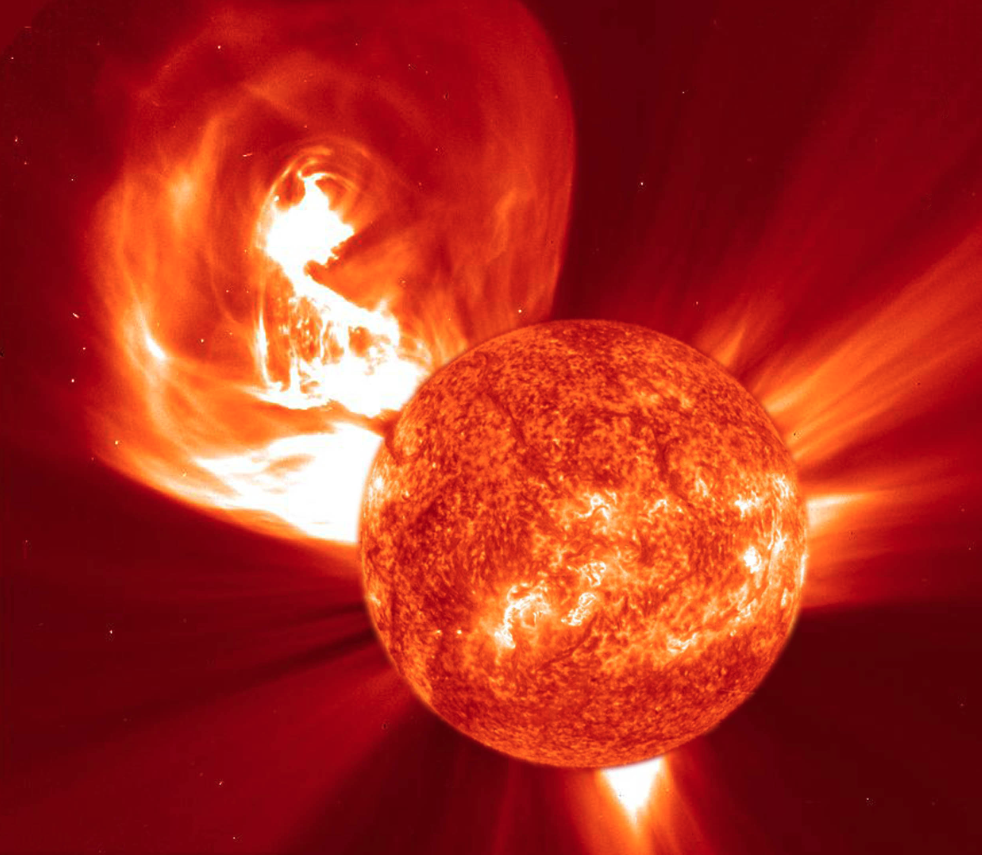
A solar storm happens when the sun sends out energy and charged particles into space. These events begin with solar flares, which are sudden flashes of energy from areas with strong magnetic forces. In these areas, the sun’s magnetic field lines get twisted and break apart through magnetic reconnection. When this happens, a lot of energy is released. Some solar flares also cause coronal mass ejections, or CMEs. These are plasma clouds that shoot out into space at high speeds. When these particles reach Earth, they affect our magnetosphere and atmosphere, creating what we call a geomagnetic storm.