

This site contains product affiliate links. We may receive a commission if you make a purchase after clicking on one of these links
Magnesium plays a major role in keeping your body functioning properly. It supports muscle function, helps maintain a steady heartbeat, and keeps your nervous system in check. Because of these benefits, many people turn to magnesium supplements for help with sleep, stress, and digestion. But are magnesium supplements safe for everyone? The short answer is no. Although magnesium offers many health benefits, high doses can cause problems. Serious magnesium side effects include heart rhythm issues, confusion, trouble breathing, and more. Here’s what you need to know about magnesium risks and how to use it safely.
Slowed or Difficult Breathing

Magnesium toxicity can affect how your lungs function. In some cases, high levels of magnesium weaken the muscles that help you breathe. This may lead to slow, shallow breaths or difficulty catching your breath. The problem tends to affect people with kidney issues, since they can’t easily clear excess magnesium. If you start feeling lightheaded, tired, or short of breath while taking magnesium, don’t ignore the signs. Seek medical help right away. While breathing problems are rare, they can become life-threatening without proper care, especially in older adults or those with underlying health concerns.
Danger to Your Heart

Magnesium helps keep your heart rhythm steady, but in high doses, it can cause serious disruptions. Some people experience palpitations, low blood pressure, or even a dangerous heart rhythm known as arrhythmia. These symptoms are more likely if you already have a heart condition or are taking high supplement doses. One of the most dangerous magnesium side effects is cardiac arrest, although this is rare. Still, the risk highlights the importance of moderation. If you notice chest discomfort or an irregular heartbeat after taking magnesium, stop immediately and speak to your healthcare provider.
Confusion and Weakness

Too much magnesium doesn’t just upset your stomach, it can also affect your brain and nervous system. Early signs of magnesium toxicity include drowsiness, mental fog, and slowed reflexes. In more serious cases, people may experience muscle weakness, tremors, or even seizures. These symptoms usually appear with very high doses or long-term use. Still, they’re a warning sign that your body has more magnesium than it can handle. If you feel confused, overly sleepy, or weak without another clear cause, stop taking supplements and talk to your doctor. These effects may seem subtle but should never be ignored.
Diarrhea and Digestive Trouble

One of the most common magnesium side effects is digestive discomfort. This often shows up as diarrhea, bloating, or cramping, especially with poorly absorbed types like magnesium oxide. The reason? Magnesium pulls water into the intestines, which can speed up digestion and trigger loose stools. While this may seem harmless, frequent diarrhea can lead to dehydration and low electrolytes. If your stomach feels off after taking a supplement, it might be time to switch to magnesium glycinate or citrate. These forms absorb better and are easier on the gut, making them a safer option for long-term use.
Advertisement
Risk for People with Kidney Problems

If your kidneys don’t work well, taking magnesium supplements can quickly become dangerous. Healthy kidneys filter out excess magnesium, but damaged ones struggle to keep levels in check. This leads to faster accumulation in the blood, even at normal doses. People with chronic kidney disease or other renal issues are at higher risk of magnesium side effects like fatigue, nausea, and confusion. If you have any type of kidney condition, always check with your doctor before using supplements. They may recommend a lower dose, or none at all, to help you avoid serious complications.
Read More: Ways Magnesium May Benefit Brain Health
What Is a Safe Dose?
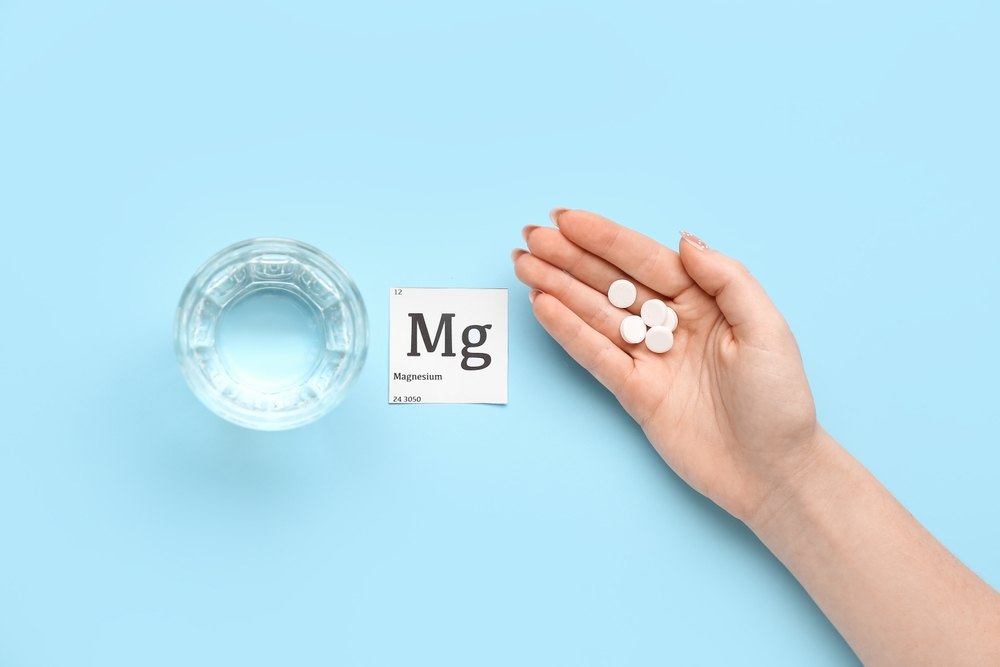
Most adults can safely take up to 350 mg of magnesium per day from supplements. This doesn’t include magnesium from food, which is less likely to cause side effects. However, exceeding the daily limit increases your chances of magnesium toxicity, especially over time. You should also avoid combining supplements with magnesium-based laxatives or antacids, as these quickly push your intake over safe limits. Always read labels carefully and stick to the dosage instructions. When in doubt, talk to your healthcare provider to make sure your supplement routine is safe and personalized to your needs.
Which Magnesium Supplements Are Safer?

Not all magnesium supplements are created equal. Some types absorb better and are gentler on your digestive system. Magnesium glycinate, citrate, and malate are usually safer choices, especially if you’ve had stomach trouble in the past. On the other hand, magnesium oxide and sulfate are less bioavailable and more likely to cause diarrhea or bloating. If you’re asking, “Are magnesium supplements safe?” the answer depends on both the type and the dose. Choose well-reviewed brands that offer third-party testing, and avoid products with unclear labels or mega-doses. A little research goes a long way.
Advertisement
When to Seek Medical Help

Some magnesium side effects are mild, like soft stools or slight fatigue. But others signal a real emergency. If you experience an irregular heartbeat, trouble breathing, mental confusion, or extreme weakness, get medical help immediately. Let your doctor know how much magnesium you’ve taken, what type of supplement you used, and whether you have any health conditions like kidney disease. Fast action can prevent complications and help you recover more quickly. Don’t wait for symptoms to go away on their own, when it comes to magnesium toxicity, early treatment makes a big difference.
Closing Thoughts

Magnesium has real benefits, from better sleep to calmer nerves. But like any supplement, it must be used wisely. Are magnesium supplements safe? Yes, for most people, when taken in recommended amounts. But too much can cause real harm. Stick to safe dosages, choose better-absorbed forms, and always talk to your doctor if you have any health concerns. Watch for early signs of magnesium side effects, especially if you’re using other medications or have kidney problems. With a little care, magnesium can be a helpful part of your wellness routine without putting your health at risk.
Give your body the support it deserves with CanPrev Magnesium Multi Mineral. This gentle, highly absorbable formula delivers magnesium plus 8 essential chelated minerals for total body wellness. From muscle function to immune health, it’s your all-in-one mineral solution. Easy on the stomach, powerful in results. Shop now and feel the difference!
Read More: When Is the Ideal Time to Take Magnesium for Maximum Benefits?
Disclaimer: This information is not intended to be a substitute for professional medical advice, diagnosis or treatment and is for information only. Always seek the advice of your physician or another qualified health provider with any questions about your medical condition and/or current medication. Do not disregard professional medical advice or delay seeking advice or treatment because of something you have read here.