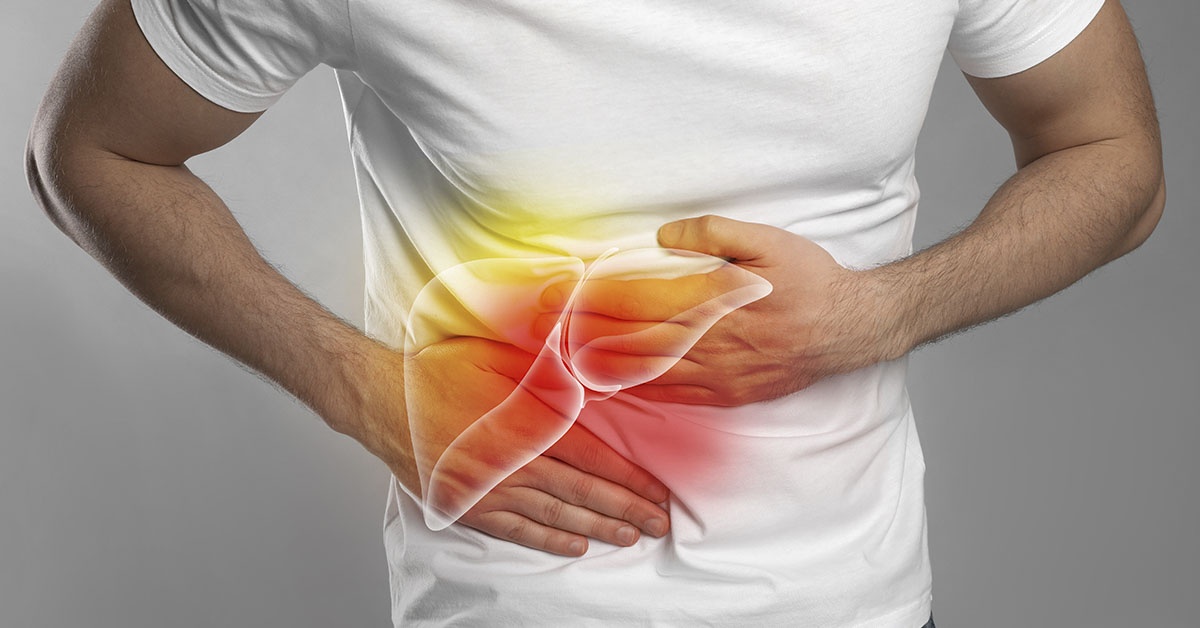

Your liver handles jobs that keep the body steady. It filters blood, processes medicines, and helps digest fats. When the liver starts to fail, clues can show up in daily life. Many clues seem ordinary at first. However, several together can point to trouble. This guide explains the signs of liver failure in plain language. It also explains when to seek urgent help. Liver failure can mean sudden, severe injury, or slow damage that reaches a tipping point. Doctors often use blood tests, scans, and history to sort out the cause. Still, symptoms can push someone to get checked sooner. The nine warning signs below overlap with cirrhosis and acute liver failure.
They also overlap with hepatitis and blocked bile ducts. None of them proves liver failure alone. Yet, they deserve attention when they persist or cluster. Seek urgent care if someone develops confusion, extreme sleepiness, or vomiting blood. Black, tarry stools also need fast assessment. Sudden jaundice with severe belly pain can signal a dangerous blockage or infection. If a person drinks heavily, has a risk of viral hepatitis, or has long-term obesity, the threshold for checking is lower. A clinician can confirm signs of liver failure with tests.
Yellow skin, dark urine, pale stools, and relentless itching
Bile pigments can build up when the liver struggles. This buildup can create visible signs of liver failure. The best-known sign is jaundice. Mayo Clinic lists: “Yellowing of the skin and eyeballs, called jaundice.” Check the whites of the eyes in daylight. Skin changes can look less obvious on darker tones. Jaundice often travels with other bile clues. Urine may turn dark, like strong tea. Stool may turn pale or clay colored. That can happen when less bile reaches the gut. Some people also itch all over. The itch may come without a rash. Mayo Clinic also lists “Itchy skin.” This cluster can appear with severe hepatitis. It can also appear with blocked bile ducts. It can also appear with late-stage cirrhosis.
A blockage can become urgent quickly. Fever, chills, or sharp upper belly pain raise concern. If the eyes turn yellow after intense alcohol use, get checked fast. Look at the full picture and the timeline. Dehydration can darken urine for a day. It should improve with fluids and light colored urine. Dark urine plus pale stools should not be ignored. CDC lists hepatitis symptoms. It includes “Dark urine or clay-colored stools.” Call a clinician if that pair lasts beyond a day. Seek faster care if jaundice appears suddenly. Do the same if pain or fever also appear. Also, pay attention to new medicines or supplements. The liver breaks down many drugs. A new drug reaction can trigger jaundice and itching. Lab tests can measure bilirubin and liver enzymes.
They can also measure albumin and INR. INR reflects how well blood clots. Doctors use these results to judge severity. Ultrasound can look for gallstones or duct swelling. A scan can check for masses or inflammation. Early care can limit injury. It can also reduce the risk of infection, brain effects, and bleeding. Bring notes to the appointment. Write down when the color changes started. Note any recent travel, tattoos, or needle exposure. Mention new sex partners if relevant. Mention heavy drinking days and binge episodes. These details help test choices. Doctors may screen for hepatitis viruses. They may also check autoimmune markers. If itching keeps someone awake, say so.
Severe itch can signal cholestasis, which means poor bile flow. Scratching can break skin and raise infection risk. In some cases, pale stools appear before jaundice. In others, the eyes change first. Either way, the combination can mark worsening function. If a person also becomes confused or very sleepy, treat it as urgent. Some people notice a bitter taste and poor appetite at the same time. Those symptoms do not prove liver failure. Yet, combined with jaundice, they support checking labs quickly. Do not drive if you feel faint. Yellowing can also show up as a slightly yellow tone in the gums or along the lower eyelids, especially early on. Some people notice new sensitivity to sunlight or feel “flushed” after small amounts of alcohol. If jaundice appears during pregnancy or after a recent overseas trip, treat it as urgent and mention that timing to the clinician.
Swollen belly, ankle swelling, and pressure-like pain on the right side

Fluid shifts are common signs of liver failure. The liver makes proteins that help hold fluid in vessels. When those proteins fall, fluid can leak into tissues. Legs and ankles may swell by evening. Socks can leave deep marks. NIDDK’s list of symptoms of cirrhosis includes “swelling in the lower legs, ankles, or feet, called edema.” The belly can also swell from fluid. Mayo Clinic calls this “A swollen belly, known as ascites.” Ascites can build up over weeks. It can also rise quickly after a sudden injury. People may blame weight gain or gas. However, fluid often makes the belly look tense. It can also reduce appetite. It can also make bending and walking harder. If someone gains several kilograms in a short time, get checked. Pain can add another clue.
Many people describe a dull ache under the right ribs. Others describe steady pressure or fullness. Mayo Clinic lists “Pain in the upper right belly area” in acute liver failure. Pain does not always appear. Yet, when it does, it can point to swelling or bile blockage. A stretched liver capsule can hurt. Portal hypertension can also enlarge the spleen. That can create a heavy feeling on the left side. Fluid in the belly can also shift when lying down. That can worsen reflux and breathlessness. Ascites also increases infection risk. Fever with belly tenderness needs urgent assessment. Clinicians often confirm fluid with an exam and an ultrasound. They may also order kidney tests, because the kidneys can suffer in advanced disease. If ascites is present, doctors may sample the fluid.
The sample can rule out infection. Treatment may include water pills and less salt. Doctors also treat the cause when possible. In advanced cases, a specialist may discuss transplant referral. Edema from liver disease often comes with other signs of liver failure. It may also appear with easy bruising or jaundice. Heart and kidney problems can also cause swelling. Therefore, clinicians look for clues like low albumin and high bilirubin. Some people notice a bulging belly button. Ascites can push on weak spots and create hernias. Fluid can also press on the lungs. That can leave a person short of breath during simple chores. If swelling comes with new confusion, treat it as urgent.
If swelling follows heavy drinking, ask about alcohol withdrawal support too. If swelling follows pregnancy, seek assessment quickly. Pregnancy-related liver problems can be dangerous. The safest step is early evaluation and clear lab follow-up. At home, track weight daily and measure waist size. Sudden rises suggest fluid. Do not start herbal diuretics. Prescription diuretics need monitoring, because they can shift salts and trigger cramps. Call if you stop peeing normally. Swelling often feels worse after salty meals, long car trips, or hot weather, because fluid shifts more easily. Some people wake with puffy eyelids, then notice their ankles ballooning later in the day. If a swollen belly becomes tense, breathing feels shallow, or a new bulge appears near the groin or belly button, seek medical care promptly.
Easy bruising, nosebleeds, and dangerous gut bleeding
Clotting problems are serious signs of liver failure. The liver makes proteins that help blood clot. When liver cells fail, those proteins drop. Small cuts can bleed longer than expected. Gums may bleed during brushing. Some people develop nosebleeds that keep returning. Bruises may appear after mild bumps. NIDDK lists a cirrhosis symptom. It includes “bruising and bleeding easily.” Doctors often check INR to estimate clotting speed. A rising INR can signal worsening function. Low platelets can add to the risk. Portal hypertension can enlarge the spleen. An enlarged spleen can trap platelets. People may also notice tiny red spots on the skin. Clinicians call them petechiae. They reflect bleeding under the surface. Bleeding can also happen inside the gut. Scar tissue can raise pressure in the portal vein.
That pressure can enlarge veins in the esophagus and stomach. These swollen veins are called varices. They can burst without warning. NHS Inform lists late-stage cirrhosis symptoms. It includes “vomiting blood.” It also includes “dark, tarry-looking stools.” This bleeding can cause sudden weakness. It can also cause fainting or confusion. Call emergency services if vomiting blood occurs. The same applies to black stools. In a hospital, doctors stabilize circulation quickly. They may give blood products if needed. They may also use endoscopy to stop the bleed. Doctors may prescribe medicines that lower portal pressure. Some people also need antibiotics, because bleeding can raise infection risk. After recovery, clinicians search for triggers. Alcohol binges and infections can worsen portal pressure. They also review medicines like aspirin and NSAIDs.
Never stop prescribed blood thinners alone. However, tell the prescriber about bruising promptly. Managing these signs of liver failure often requires specialist follow-up. Some people assume bruising means thin skin. Age can contribute, but liver disease is another cause. A clinician may check bilirubin, albumin, and INR together. They may also check a full blood count. If vitamin K is low, clotting can worsen. Poor bile flow can reduce vitamin K absorption in the gut. That can link back to jaundice and pale stools. Therefore, symptom clusters help clinicians. They may order an ultrasound to look for portal vein changes. They may also screen for hepatitis viruses. If someone has heavy periods and new bruising, mention it. If someone has blood in urine, mention it too. Internal bleeding can hide.
If a person becomes dizzy on standing, treat it seriously. Bleeding and infection can move fast in advanced disease. If you suspect active bleeding, avoid alcohol immediately. Avoid ibuprofen unless a doctor approves it. Do not wait for a clinic visit if the lips look blue or breathing speeds up. Emergency teams can protect the airway and treat shock. Bring a medication list to the hospital. Bleeding risk can rise after dental work or shaving, with gum bleeding that seems out of proportion. People may also notice tiny purple dots on the legs or a rash that does not blanch. If dizziness, a racing heartbeat, or sudden breathlessness appear with bruising, treat it as urgent, because anemia from hidden bleeding can develop quickly.
Fatigue, nausea, and appetite changes that do not lift
Many early signs of liver failure look like common illnesses. Fatigue is a frequent example. NHS lists cirrhosis symptoms that include “feeling very tired and weak all the time.” This tiredness can last for weeks. Rest may not help much. People may struggle to focus at work. They may stop exercising because their energy drops. Nausea can also appear. Mayo Clinic lists “Nausea and vomiting.” Appetite can fade, too. NHS lists “loss of appetite.” When appetite drops, weight can fall without planning. Some people also develop taste changes. Food may seem bitter. Others notice a full feeling after small meals. Fluid in the belly can contribute. So can inflammation and slow gut movement. These symptoms have many possible causes. Therefore, look for connections.
If fatigue comes with jaundice, think liver sooner. If nausea comes with dark urine, do the same. Alcohol can inflame the liver quickly in some people. It can also worsen ongoing cirrhosis. Viral hepatitis can also cause fatigue and nausea. CDC lists hepatitis symptoms that include “Feeling tired” and “Loss of appetite.” If these symptoms last beyond 2 weeks, consider testing. Clinicians often start with blood tests. They look at ALT and AST. They also check bilirubin and INR. They also check blood counts, because anemia can mimic fatigue. If tests show injury, doctors may add imaging. They may also review every medicine and supplement. Many products marketed for detox can injure the liver. During evaluation, drink water and eat simple meals.
Avoid alcohol until cleared. Seek urgent care if vomiting becomes persistent, because dehydration can worsen kidney stress. Addressing signs of liver failure early can change outcomes. Keep an eye on muscle loss, too. Chronic liver disease can reduce protein balance. Clothes may hang looser at the shoulders. Strength can drop even without dieting. People may also notice swelling at the same time. That mix can confuse, because weight can rise from fluid while muscle shrinks. If someone has diabetes or high blood pressure, ask about fatty liver risk. Metabolic liver disease is now common. It can progress silently for years.
Ask a clinician about MASLD screening if the risk is high. Simple blood work can help. Ultrasound may show fatty change. Even if tests look mild, lifestyle changes can slow progression. Aim for steady weight loss if advised. Add daily movement if safe. Choose less alcohol and fewer sugary drinks. If fatigue suddenly worsens with confusion or severe sleepiness, get urgent help. A clinician will also consider other causes of fatigue. Thyroid disease, depression, and sleep apnea can mimic liver symptoms. Yet, liver tests are quick and widely available. If you have risk factors, ask directly for evaluation. Clear answers can reduce worry, guide next steps, and protect long-term health.
Confusion, sleepiness, tremor, and other brain warning signs

When the liver fails, toxins can build up in the blood. These toxins can affect the brain. Doctors call this hepatic encephalopathy. It is one of the most alarming signs of liver failure. Mayo Clinic lists “Disorientation or confusion.” It also lists “Sleepiness.” Family members may notice the change first. The person may seem slow or forgetful. They may become unusually irritable. They may struggle with basic tasks like paying a bill. They may reverse sleep, staying awake at night. They may also slur words or stumble. Some develop a flapping tremor of the hands. Clinicians call it asterixis. A sweet or musty breath odor can also appear in severe cases. If someone seems drunk without alcohol, treat it as urgent. Cleveland Clinic describes the range.
“Symptoms can range from confusion and disorientation to erratic behavior and personality changes.” These brain signs can come and go early. However, they can worsen fast. Infection can trigger a sudden decline. Constipation can also trigger it. Bleeding in the gut is another trigger. Dehydration can make it worse. Many triggers are treatable. Doctors often use lactulose to reduce toxin absorption. They may also use rifaximin for prevention. Still, do not try to manage confusion at home. Call urgent services if a person cannot stay awake. Do the same if they cannot answer simple questions. Driving becomes unsafe during episodes. In the hospital, clinicians check ammonia and electrolytes. They also test for infection. They also look for bleeding, because blood in the gut increases toxin load.
Family can help by bringing a timeline of symptoms. Bring bottles or photos of medicines too. Managing these signs of liver failure often signals advanced disease. It may prompt transplant referral or closer specialist care. Cleveland Clinic also explains the mechanism. It states: “These toxins build up in your blood and affect your brain.” Care teams look for triggers right away. They check for infection and dehydration. They also ask about missed bowel movements. They may adjust sedating medicines. Some sleeping pills can worsen confusion. Caregivers should stay with the person during an episode. Remove car keys and sharp tools. Keep the person upright to reduce choking risk. If vomiting occurs, turn them on their side.
After treatment starts, clinicians monitor mental status often. They also monitor sodium and potassium shifts. If encephalopathy keeps returning, specialists reassess the liver plan. They may also discuss transplant timing. People can improve when triggers are treated quickly. However, repeated episodes often suggest advanced disease. After discharge, follow the lactulose plan exactly. Aim for soft, regular stools, as prescribed. Avoid alcohol until a specialist clears it. Do not drive until a clinician approves it. Return urgently if confusion returns overnight or rapidly worsens. Confusion can start as small mistakes, like mixing up dates, missing turns while driving, or repeating the same question. Speech may become slow, and handwriting can look shaky. Family may notice mood swings or unusual anger. If a person becomes hard to wake, sees things that are not there, or cannot follow simple commands, seek emergency care.
New skin and nail clues, including spider angiomas and red palms
Some signs of liver failure show up on the skin and nails before pain appears. These changes often reflect hormone shifts and altered blood flow. Mayo Clinic lists “Spiderlike blood vessels on the skin, called spider angiomas.” These marks can look like a small red dot with thin lines radiating outward. They often appear on the face, neck, upper chest, and arms. They can fade when pressed and then refill. Another common change is palmar erythema, which means red palms. NHS also flags “blotchy red palms of the hands.” On brown or black skin, the color change can look subtle. Compare both hands in bright daylight. Look for patchy redness across the palm and base of the thumb. Nails can also change. Mayo Clinic notes “Pale fingernails, especially the thumb and index finger.” Some people also notice a new itch without a clear rash.
If itch pairs with jaundice or dark urine, call a clinician soon. These signs can have other causes, so context helps. Pregnancy, thyroid disease, and some genetic traits can create similar marks. Yet, when they appear with swelling, bruising, or jaundice, the liver moves higher on the list. Merck Manual explains that “Small spiderlike blood vessels (spider angiomas) appear in the skin.” It also notes that “The palms become red (called palmar erythema).” If someone notices several new spider angiomas in a short time, get checked. A clinician can look for other visible clues, including enlarged veins on the belly. They can also run blood tests that reflect liver function, including bilirubin and INR. Do not self-diagnose from pictures alone. Instead, treat new clusters as a prompt for a medical review.
Bring photos taken in daylight, because marks can fade during a visit. Mention alcohol intake, viral exposure risk, and any new medicines. This keeps the evaluation focused and faster. Spider angiomas can be easy to miss unless you know what to look for. They often sit on the upper chest, shoulders, face, and forearms, and they may appear in clusters. A simple check helps. Press the center with a fingertip or the end of a pen cap. If it blanches and then refills from the middle outward, it behaves like a spider angioma. One mark can occur in healthy people, especially during pregnancy, but multiple new ones deserve attention. The same goes for red palms. Palmar erythema often shows as a warm, reddish flush over the heel of the hand and the base of the thumb.
It can look patchy, and it may be more obvious after exercise or heat. Some people also notice their skin bruises more easily around these areas, which links back to clotting changes. Other skin clues can appear alongside these signs of liver failure. Some people develop dry, fragile skin that cracks, especially if itching leads to constant scratching. Others notice darkening in skin folds or an overall “sallow” tone that looks different from normal tanning. Nail changes can include whitening, ridges, or nails that curve and become more rounded over time. While these clues are not specific, they become meaningful when paired with fatigue, swelling, or jaundice. Taking a few clear photos in daylight can help a clinician compare changes over weeks. Mention any new hormone medicines, supplements, or heavy alcohol use, too, because these can influence skin and vascular changes.
Unplanned weight loss, muscle wasting, and shrinking strength
Unplanned weight loss can be one of the quieter signs of liver failure, but it carries weight. The liver stores and releases energy in ways that support muscle. When liver function drops, appetite can fall, and muscle breakdown can rise. NIDDK lists “losing weight without trying” as a cirrhosis symptom. It also lists “muscle loss and weakness.” This change can look like thinner arms, flatter shoulders, and a weaker grip. Clothes can fit looser at the chest while the waist looks larger. That mix often confuses people. It can also delay care. If weight drops over weeks and energy stays low, ask for an evaluation. Merck Manual describes the pattern in simple terms. It states: “Muscles waste away (atrophy).” People often notice it while climbing stairs, carrying groceries, or standing from a low chair. Cramps can also rise, especially at night.
Nutrition plays a role, but liver disease changes metabolism too. It can reduce protein synthesis and alter hormone balance. It can also reduce bile flow, which affects fat absorption. Poor absorption can cause loose stools and weight loss. If nausea limits eating, the spiral can tighten. A clinician can check albumin, bilirubin, INR, and kidney tests. They can also assess for anemia and thyroid issues. If liver disease is confirmed, a dietitian can help protect muscle. Many people need more protein than they expect, spread across the day. Doctors also watch sodium, because salt can worsen fluid buildup. Do not start extreme diets or detox cleanses. Some supplements can injure the liver. Ask a clinician before adding protein powders or herbal blends.
If muscle loss is rapid, treat it as a priority sign. It often signals advanced disease and higher complication risk. Muscle loss in liver disease often shows up in practical, everyday ways. A person may find that carrying shopping bags feels harder, even when the bags are light. They may struggle to open jars, climb stairs, or rise from a low couch without using their hands. Calves can look thinner and feel weaker, while the belly may look larger from fluid. That mismatch can feel confusing, because weight on the scale may stay the same or even rise. It helps to track more than weight. Measure mid-upper arm size, note belt notches, and watch how clothing fits around the shoulders and thighs. If strength keeps dropping across 2 to 4 weeks, it deserves a medical check.
Liver-related muscle wasting can also affect balance and coordination. People may start tripping more often, especially when tired. They may avoid walking at night because they feel unsteady. Sleep disruption from itching or discomfort can worsen the decline because poor sleep reduces recovery. Appetite changes matter too. Many people with advanced liver disease feel full quickly, then skip meals. That pattern pushes the body to burn muscle for fuel. A clinician can check for sarcopenia and malnutrition, not only liver enzymes. Early support can include a diet plan that spreads protein across the day, plus gentle resistance exercise if safe. If weight loss is rapid or if it comes with swelling, confusion, dark urine, or easy bruising, treat it as a stronger cluster of signs of liver failure and seek evaluation promptly.
Hormone shifts, sexual changes, and body hair changes

The liver helps break down hormones, so liver failure can disrupt the whole balance. These shifts can become visible signs of liver failure, especially in chronic disease. NIDDK lists “sexual problems” among cirrhosis symptoms. In men, this can include lower libido and erectile dysfunction. Some also develop breast tissue growth, called gynecomastia. Body hair can thin, including chest and underarm hair. Testicular shrinkage can occur in advanced disease. Merck Manual Professional Edition lists several hormone-related clinical signs, including “gynecomastia” and “axillary hair loss.” These changes can feel embarrassing, so people often keep quiet. Still, they can provide useful timing clues for clinicians. These signs rarely appear alone, so look for pairs. If someone has a new sexual dysfunction plus easy bruising, swelling, or jaundice, consider the liver early.
Doctors will also consider diabetes, thyroid disorders, and medication side effects. Still, chronic liver disease is a common hidden driver. NHS notes early cirrhosis symptoms can include “visible blood vessels on the skin” and red palms. Those skin changes often sit beside hormone clues. Clinicians usually confirm the picture with labs and an exam. They may test testosterone, estrogen balance markers, and prolactin if needed. They will also look for nutritional deficits. Alcohol can amplify hormone disruption, even before cirrhosis becomes obvious. Therefore, a clear alcohol history helps. If someone stops drinking and hormone signs continue, it still needs review. Viral hepatitis can also contribute, especially if exposure risk exists. Treatment focuses on the underlying cause and complication control.
In advanced cases, transplant evaluation can reverse many hormone effects over time. The main goal is to catch progression before complications hit. Do not ignore these changes as “just aging.” When they appear with other signs, they can be meaningful. Hormone shifts can also affect mood, sleep, and temperature control. Some people notice hot flushes, night sweats, or a new tendency to feel clammy. Others develop irritability, low motivation, or a flat mood that feels different from ordinary stress. These changes can overlap with depression, thyroid problems, or side effects from medicines. However, when they appear alongside swelling, jaundice, or easy bruising, clinicians take them more seriously as possible signs of liver failure. The reason is simple. The liver helps metabolize estrogen, testosterone, and stress hormones. When that processing slows, hormone levels and hormone sensitivity can shift.
In men, breast tenderness can arrive before visible breast growth. Nipples may feel sore against clothing. Libido can drop, and erections can become less reliable. Some men also notice shrinking testicles, reduced body hair, and fewer morning erections. In women, periods can become irregular, heavier, lighter, or stop altogether. Some develop worse premenstrual symptoms, new acne flares, or hair thinning around the temples. Fertility can also be affected, even when periods still occur. These symptoms can feel private, so they often go unmentioned. Yet, they help doctors judge chronicity and severity. If sexual changes started months before jaundice or swelling, that timing can suggest slow progression. If they appear suddenly with confusion or bleeding, that shift raises urgency. A clinician can review endocrine causes, but liver tests often belong in the workup.
Read More: Doctor Claims These 5 Supplements Are Linked to Heart Attack and Liver Failure
Fever, belly pain in a swollen abdomen, and repeated infections
Infections become more dangerous as liver disease advances. The immune system weakens, and fluid collections can become infected. A common example is infection of abdominal fluid, called spontaneous bacterial peritonitis. A patient guide from St George’s NHS warns: “Abdominal pain and/or fever may be a sign of serious infection in the abdominal fluid known as Spontaneous Bacterial Peritonitis (SBP).” This is one of the most urgent signs of liver failure to recognize. Fever may be mild or absent, so do not rely on temperature alone. If a person with ascites develops new belly tenderness, chills, vomiting, or confusion, treat it as urgent. SBP can also trigger kidney injury and encephalopathy. The risk rises after a prior episode. It also rises during gut bleeding.
Fast antibiotics can be life-saving, so timing matters. Research summaries describe how common bacterial infections are in advanced cirrhosis. One review notes that infections occur in “25% to 47% of hospitalized patients with cirrhosis.” In practice, people may notice frequent chest infections, urinary infections, or skin infections that heal slowly. They may also notice sudden weakness with a small illness. If someone with known liver disease gets a fever, call the treating clinic the same day. If they also have ascites, go to urgent care or emergency services. Clinicians often test blood, urine, and ascitic fluid. They may also check kidney function immediately. Some people need preventive antibiotics after SBP. Others need vaccines updated, including influenza and pneumococcal vaccines.
Ask a clinician about that plan. Do not delay care while trying home remedies for a fever. Avoid NSAIDs unless the liver team approves them, because they can worsen kidney risk. Keep a list of medicines and allergies ready. Infections can move quickly in liver failure, so speed helps outcomes. Infections can also show up in less obvious ways, especially in people with fluid in the abdomen. A person might not run a high fever, yet they feel suddenly “flu-ish,” weak, and off balance. They may lose their appetite in a single day or start vomiting without a clear stomach bug. New diarrhea can happen too. If the belly is already swollen, pain may feel like a deep ache or tenderness when pressed, not a sharp stab. Some people notice the abdomen becomes more tense than usual, or it hurts when they ride in a car over bumps.
Even mild confusion, new sleepiness, or shaky hands can be an early clue that infection is triggering encephalopathy. Repeated infections also matter. Frequent urinary tract infections, chest infections, or skin infections that linger can signal reduced immune resilience in advanced liver disease. Small cuts can take longer to heal, and bruises can look worse after minor knocks. If someone has ascites and develops fever, chills, belly pain, vomiting, or a sudden drop in blood pressure, treat it as urgent. That combination can fit spontaneous bacterial peritonitis, which can progress quickly. Doctors usually confirm it by sampling abdominal fluid and starting antibiotics early. Delays increase the risk of kidney injury and worsening confusion.
Disclaimer: The author is not a licensed medical professional. The information provided is for general informational and educational purposes only and is based on research from publicly available, reputable sources. It is not intended to constitute, and should not be relied upon as, medical advice, diagnosis, or treatment. Always consult a licensed physician or other qualified healthcare provider regarding any medical condition, symptoms, or medications. Do not disregard, avoid, or delay seeking professional medical advice or treatment because of information contained herein.
A.I. Disclaimer: This article was created with AI assistance and edited by a human for accuracy and clarity.
Read More: Not Just Alcohol: Surprising Diet Habits That May Raise Liver Cancer Risk