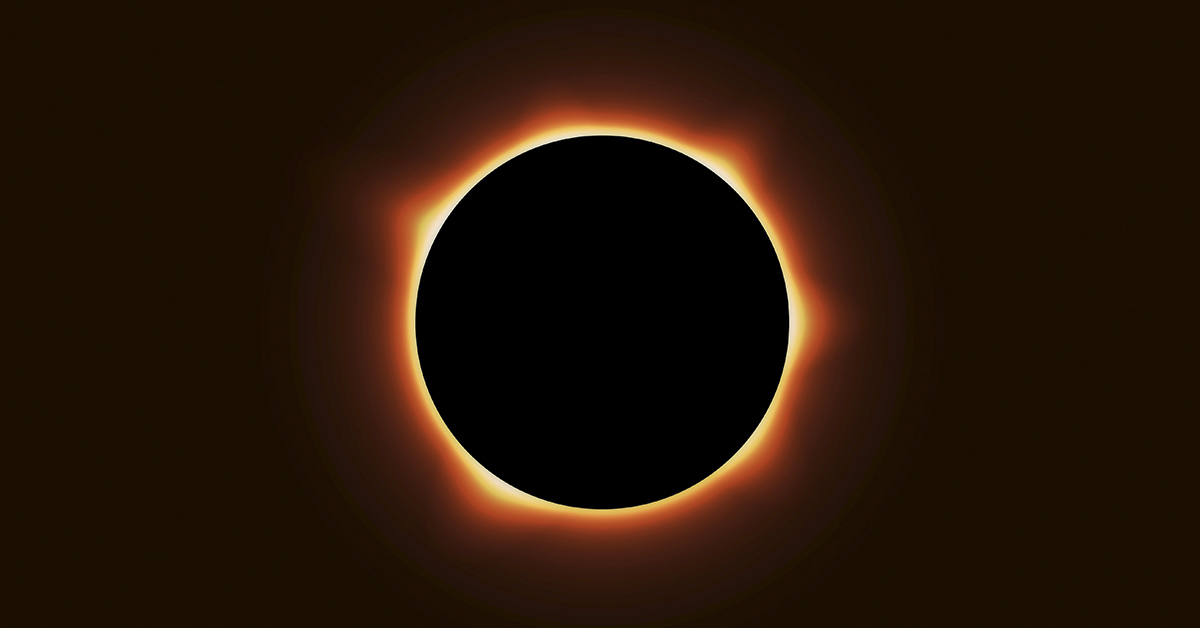

Experts are predicting a historical celestial show for August 2027: a total solar eclipse that can span up to six minutes and 23 seconds. Keep in mind, these events usually last up to three minutes and only show a glimpse of the sun’s corona. But in two years, the skies over North Africa, the Middle East, and parts of Europe will feature the longest total solar eclipse since 1991, and most likely until the year 2114.
The 6-Minute Total Solar Eclipse
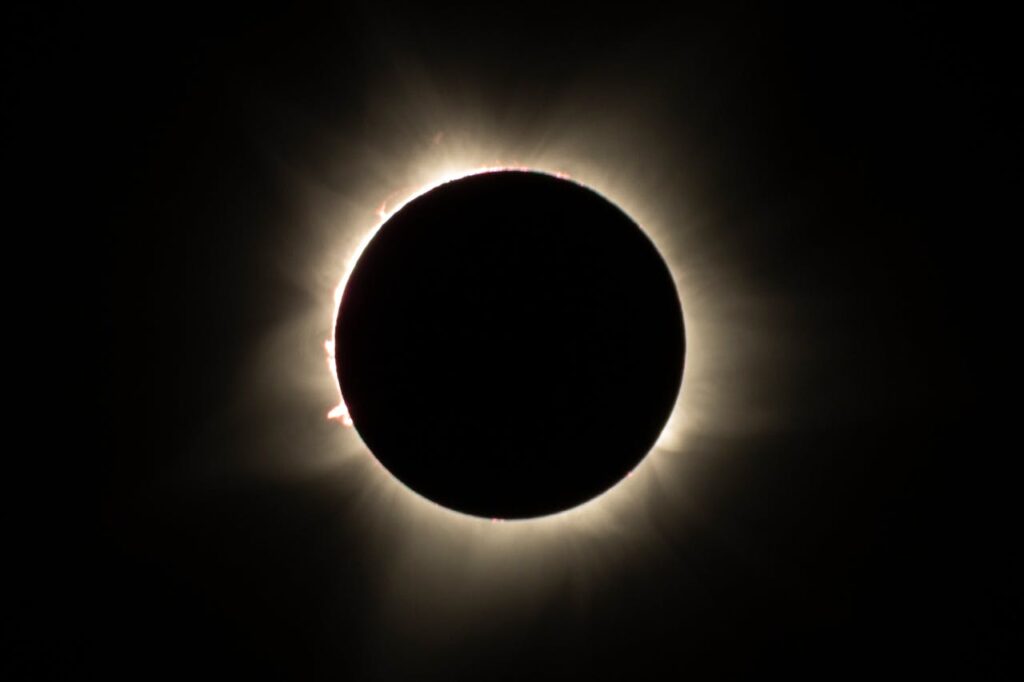
Eclipses sometimes feel like stressful “don’t blink or you’ll miss it” events. This future incident will grant skywatchers an expectedly long period of time to observe, study, and immerse themselves in the experience. The path of the eclipse will offer views to people in Spain and Sudan, as well as parts of Morocco, Algeria, Tunisia, Libya, Yemen, Saudi Arabia, Somalia, and central Egypt.
What is a Solar Eclipse?
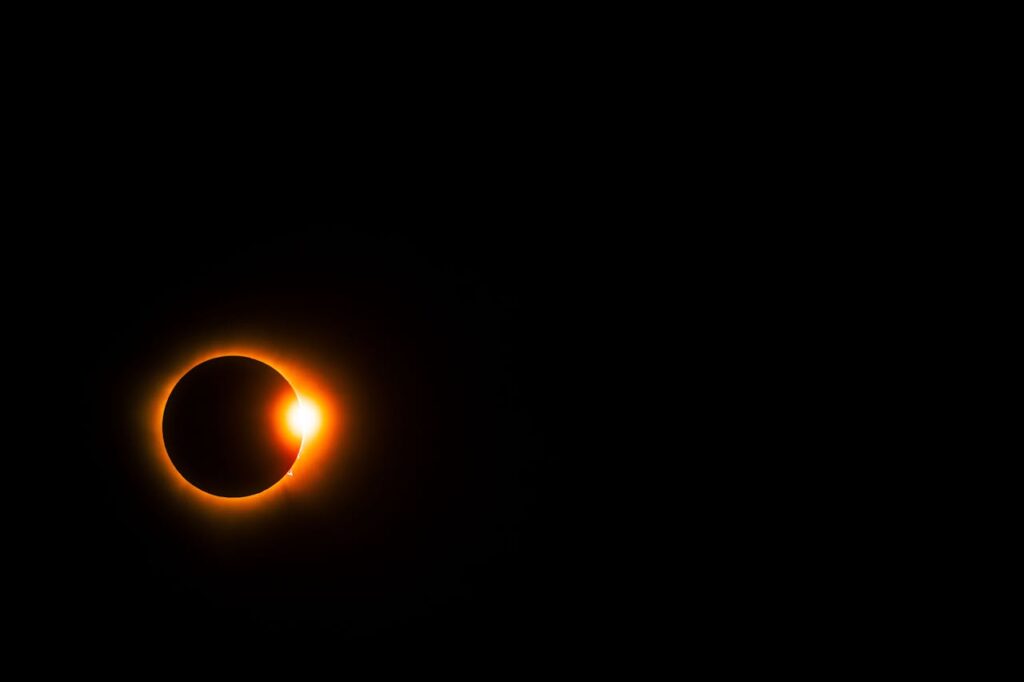
Solar eclipses happen when the sun, moon, and Earth line up, and the moon fully or partially blocks the sun’s rays. In the case of a total solar eclipse, the moon will appear to fully cover the sun, and certain areas will be cast in the moon’s shadow as if it were dawn or dusk, according to NASA. People in the aforementioned will be able to view the eclipse, and with the sun blocked, the outer atmosphere called the corona will become visible. This eclipse is the only one where it’s safe to remove eclipse glasses, but only in the brief moments where the moon completely covers the sun. So here are some of the best locations to view the 2027 eclipse.
Egypt
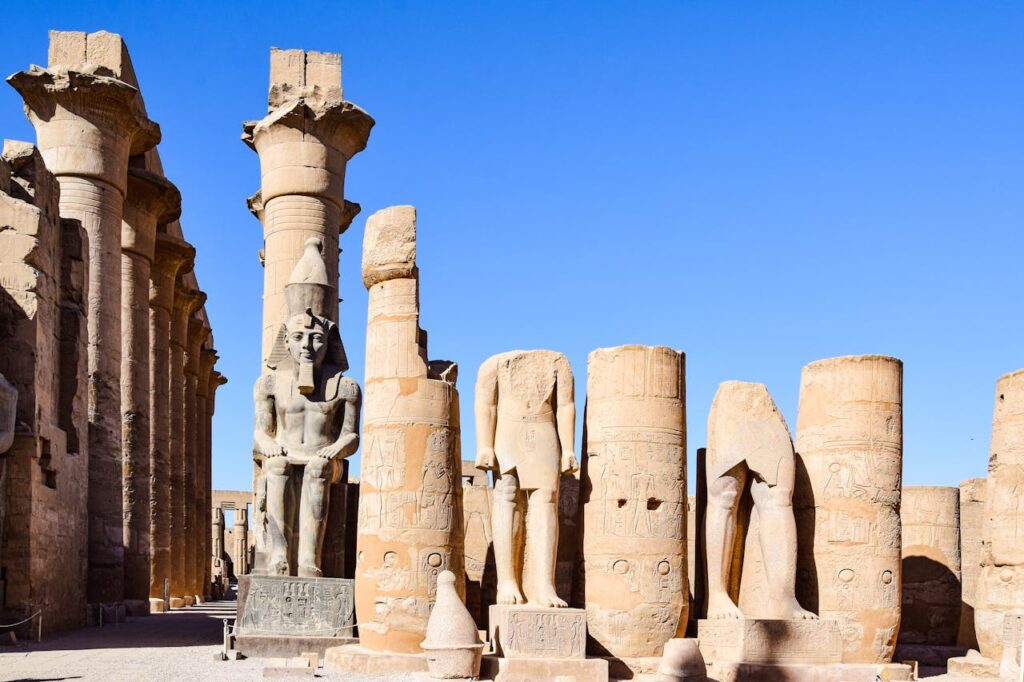
Egypt is already a popular country for tourists because of the historical monuments and desert landscapes. It’s also currently the #1 destination for eclipse chasers because of the clear August skies. In fact, Luxor is where the eclipse will appear the longest, the entire 6 minutes and 23 seconds. “There is no chance of clouds in eastern Libya and western Egypt,” says Canadian meteorologist Jay Anderson, who plans eclipse expeditions, to Space. “At Luxor, the frequency of cloud cover is 0.7%. At the very worst, you’ll get a little bit of thin cirrus cloud wandering through on the jet stream but what you do get there is dust.” Unfortunately, the clear skies come with boiling hot temperatures, so pack accordingly. “The only blessing is because it’s such a dry environment, the temperature will probably drop like a stone when the eclipse happens,” says Anderson.
Rock of Gibraltar
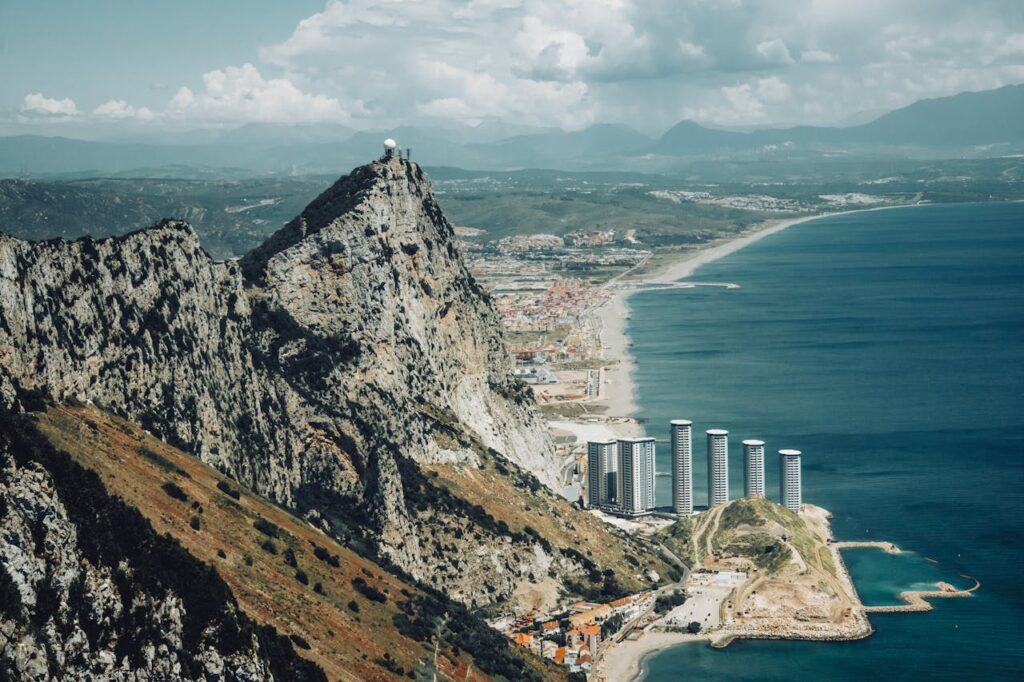
A total solar eclipse is a dramatic event, and if you want an equally dramatic location, look no further than the Rock of Gibraltar on the tip of the Iberian Peninsula. While you wait for the eclipse to appear, you can gaze upon stunning sea landscapes. The big downside is that this area tends to be cloudy, which could take away from the estimated 4 minutes and 32 seconds of totality, or block out the eclipse entirely. But this may not bother some tourists who consider the eclipse secondary to Gibraltar’s natural landmarks, historical sites, and Barbary macaques.
Spain
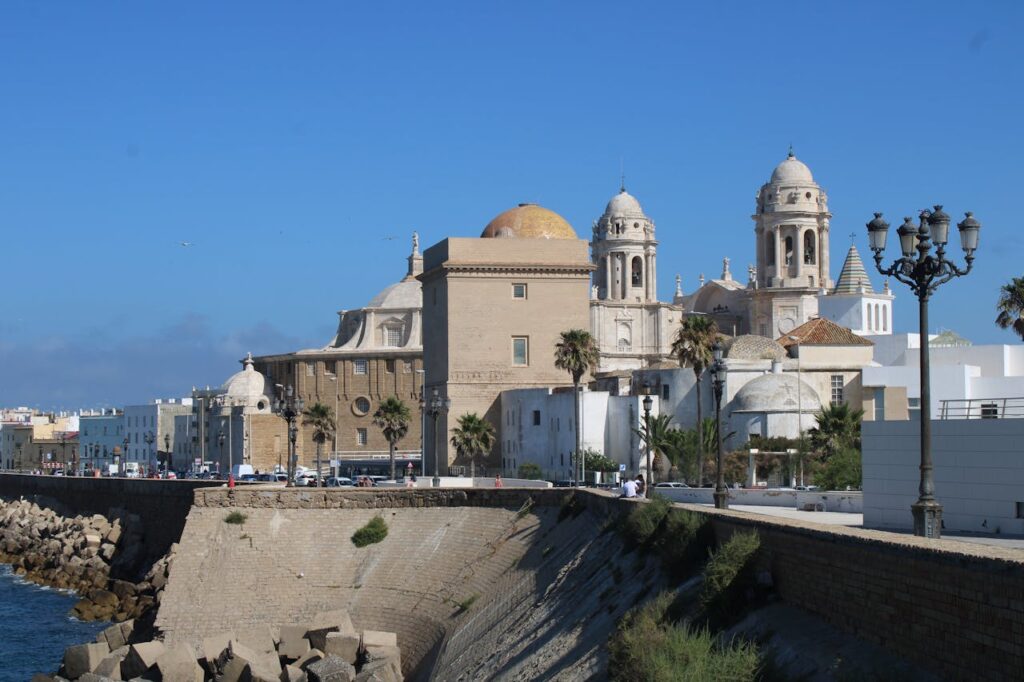
Southern Spain offers many iconic locations for eclipse watch-points. One is the ancient city of Cádiz that overlooks the coast with its over 100 watchtowers. There’s also Baeilo Claudia, which is famous for its beachside Roman ruins with views across the Strait of Gibraltar. The area with the longest totality in Spain (4 minutes, 39 seconds) is Tarifa, which is known as the “wind capital of Europe” for its prominent kitesurfing and windsurfing spots. And while you watch for the eclipse, you can look out for whales, orcas, and dolphins.
Tunisia
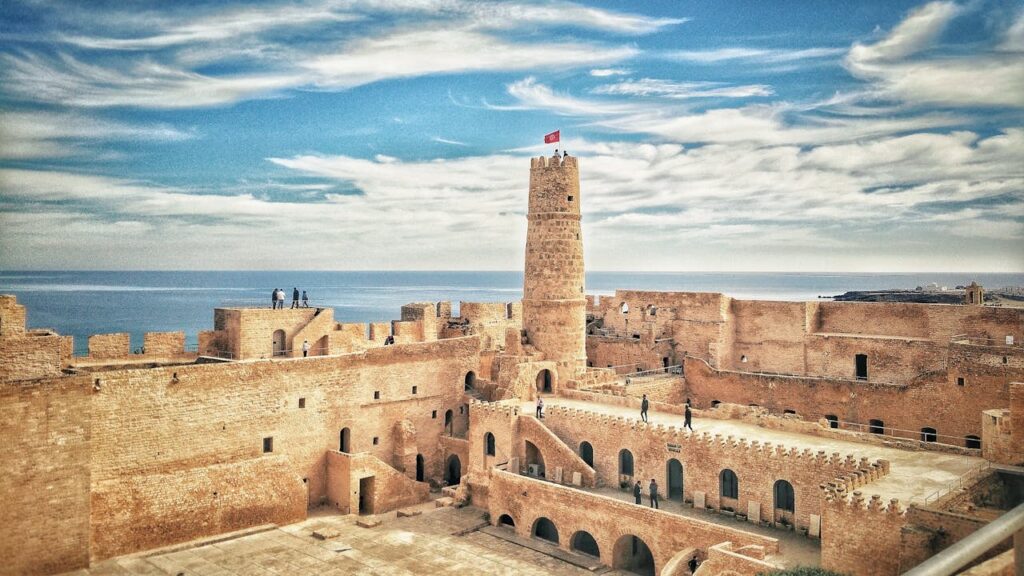
Tunisia is right on the path of the total solar eclipse, and it has many stunning locations to view it. One is the Kerkennah Islands, with its serene beaches, ancient archaeological sites, and landscapes filled with salt marshes and palm groves. Another is Sidi Bou Said, a picturesque village that overlooks the Mediterranean Sea. If history and nature aren’t enough of a draw, you can visit Star Wars filming locations in the Sahara Desert.
Cruise ships
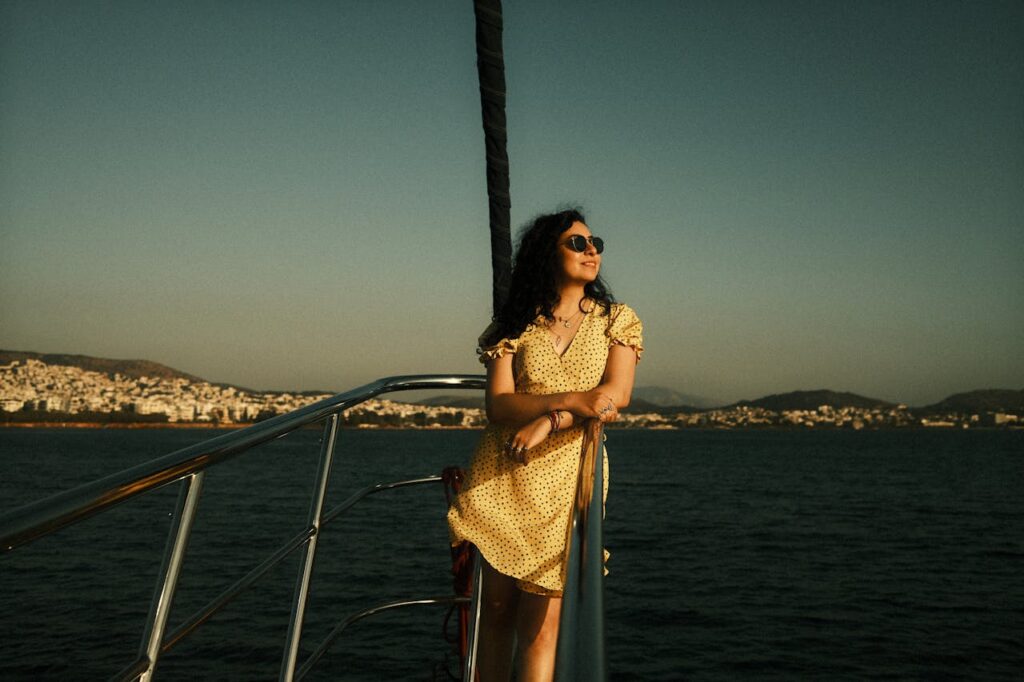
Many cruise lines are planning voyages through the Mediterranean Sea to catch the 2027 eclipse. In fact, some will offer lectures, themed events, and stargazing guided by expert astronomers. However, beware of clouds. “There are interesting cloud patterns in the eastern Mediterranean that funnel through the Straits of Gibraltar,” said Anderson. “Little low-pressure systems sit right in there almost like it’s a little nook, so the area is reasonably cloudy compared to the rest of the path at about 30% cloud cover.”
How to Safely View a Solar Eclipse
- Never look directly at an eclipse. Instead, use specially-designed eclipse glasses or handheld solar filters with an ISO 12312-2:2015 certification.
- Do not use glasses or filters that are scratched, punctured, or damaged in any way.
- Only look at the sun during the eclipse, but not before or after.
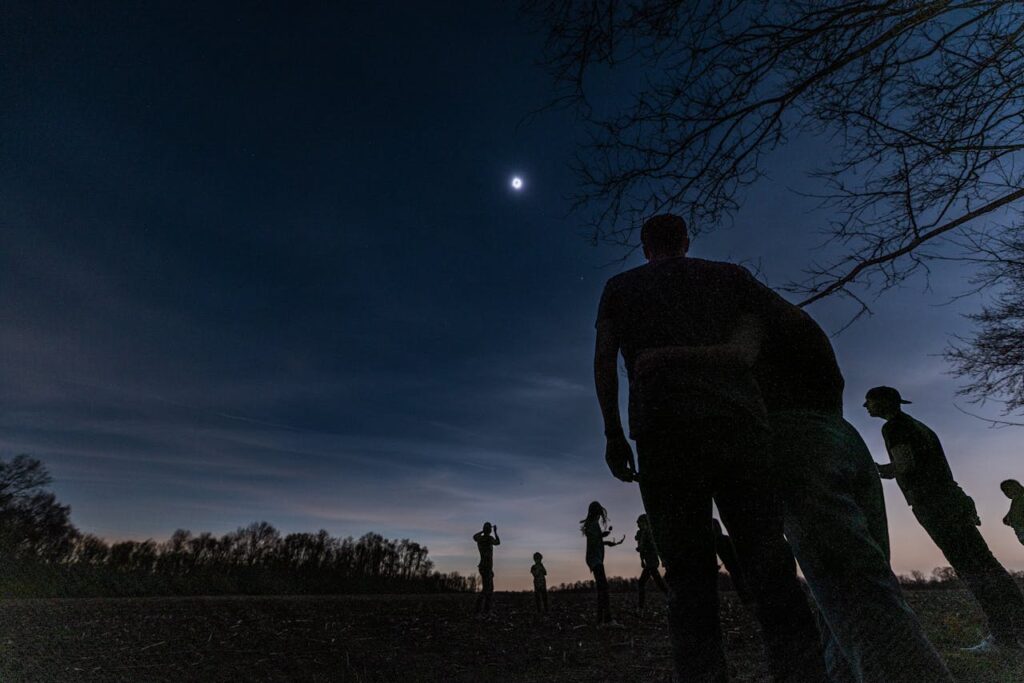
- If you are in a location in the path of totality, you may watch the eclipse with the naked eye once the moon completely blocks the sun. But only look for a few moments so you won’t accidentally look at the sun once the totality is over.
- Avoid looking at the sun through a camera, telescope, binoculars or any other optical device with or without your eclipse glasses. “...The concentrated solar rays will damage the filter and enter your eye(s), causing serious injury,” explains the National Park Service.
- Watching an solar eclipse without proper glasses or filters can lead to vision loss from burning the macula, the part of the retina that helps people read and recognize faces. Even a few seconds of viewing the sun during an eclipse can temporarily or permanently burn the macula,” says the Journal of the American Medical Association. “Once retina tissue is destroyed, it cannot regenerate, resulting in permanent central vision loss.”
Read More: Celestial Wonders of Spring 2025: Blood Moon, Shooting Stars, and More