

A cancer diagnosis forces us to make decisions that we never imagined ourselves making. This is especially when the regular treatments don’t seem to be working. Faced with a recurrence of her cancer and limited conventional treatment options, a 42-year-old former champion bodybuilder and paramedic, Sarah Ford, made a deeply personal decision that put her story in the spotlight: she chose a prolonged, medically supervised 16-day water fast over pursuing further rounds of chemotherapy. Her choice highlights the difficult decisions many patients face when conventional therapies have reached their limits and reflects a growing, yet medically controversial, interest in alternative cancer therapies. This is Sarah’s story and what it means in the greater context of cancer treatment.
Alternative Cancer Therapies: Sarah’s Story

Sarah Ford from the UK was diagnosed with Stage 4 Hodgkin’s Lymphoma after experiencing symptoms like hip pain and breathlessness. She was the British Natural Figure Bodybuilding Champion in 2018, and was a fit and active person, so the diagnosis came as a shock. Over the following months, Sarah underwent extensive conventional treatment. This included 13 rounds of chemotherapy, which initially led to remission. However, just a few weeks after receiving the good news, her cancer symptoms returned. When subsequent immunotherapy proved ineffective, doctors offered her more chemotherapy. Ultimately, she declined to go down that road.
Sarah says that her decision was driven by the chemotherapy’s severe short- and long-term side effects and her consultant’s assessment that the success rate of further rounds was low. She believes that opting for an alternative – a supervised 16-day water fast – is her only chance at survival.
“I actually came across True North’s water fasting early on in my treatment,” Sarah explained, speaking of the facility in San Francisco where she would do her fast. “Throughout I was constantly researching how to help my body’s health in more organic ways. I had fasted during my treatment of chemotherapy after reading up on how it can reduce the side effects.”
Her husband said it was a scary undertaking, forgoing traditional treatment methods, but now he is sure that Sarah made the right decision. TrueNorth states that in carefully selected patients, this alternative cancer therapy can be safe and effective. The science behind that claim, however, is lacking.
Water Fasting and Cancer: The Context

Water fasting, which involves consuming only water for an extended period, is promoted by some as a treatment to support the body’s natural healing mechanisms. However, this practice is not currently recognized or endorsed as a primary treatment for cancer by mainstream and oncology organizations. In Sarah’s case, her fast involved her drinking a limited quantity of water – less than 400ml each day – but she was fully supervised the entire time.
The Next Frontier? Researchers Explore Fasting to Enhance Cancer Treatment
Research institutions, including Cedars-Sinai, are actively investigating dietary protocols like fasting and fasting-mimicking diets (FMD) as potential supplemental or next-step treatments for cancer. This approach views cancer as both a genomic and metabolic disease, suggesting that manipulating a patient’s diet can reduce treatment toxicity and potentially improve efficacy.
The Metabolic Mechanism: “Bears and Hummingbirds”
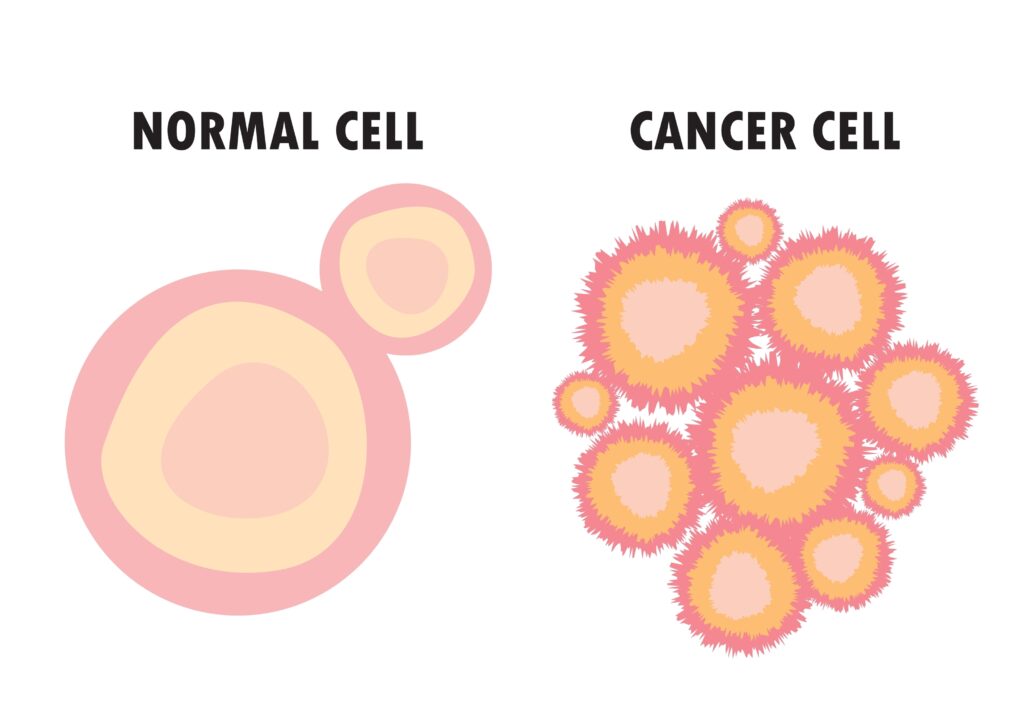
The core of this research lies in the concept of Differential Stress Resistance (DSR), which exploits the distinct metabolic requirements of healthy cells versus cancer cells. When the body is deprived of food, such as during a fast, healthy cells (also referred to as ‘Bears’) go into a protective, dormant state, similar to a hibernating bear. They become highly stress-resistant, shifting their energy source from vulnerable to the damage caused by traditional treatments like chemotherapy. Cancer cells, also called ‘Hummingbirds’, are typically fast-growing and metabolically inflexible. They rely heavily on glucose for energy. Researchers liken them to hummingbirds, which cannot survive without constant nourishment. They struggle to adapt during a fast, making them more vulnerable to both nutrient deprivation and targeted therapies. It is this metabolic difference that leads researchers to hypothesize that fasting can achieve a “double-edged” effect. It can protect normal cells while selectively starving and sensitizing cancer cells.
Research and Potential Benefits
It is important to note the use of the word hypothesize, as we do not yet have conclusive data in large human studies. That being said, there are research centers and scientists investigating its potential. Investigators at Cedars-Sinai and other centers are running clinical trials to evaluate how various forms of fasting interact with standard cancer care.
1. Targeting Toxicity

One of the most immediate potential benefits under investigation is the reduction of treatment side effects. By protecting healthy cells through DSR, fasting may reduce the severity of toxicities associated with chemotherapy and hormone therapies. Research indicates that fasting may:
- Lower toxicities and enhance patient tolerance.
- Boost normal cells’ defenses and promote autophagy, the body’s cellular cleanup mechanism.
- Reduce insulin-like Growth Factor 1 (IGF-1) levels, a marker associated with increased cancer risk.
2. Enhancing Efficacy
Initial findings suggest that a fasting-based approach, when combined with conventional therapy, might improve treatment effectiveness. A fasting-based approach doesn’t necessarily mean purely fasting. For example, in a feasibility study for patients with glioblastoma (aggressive brain tumors), patients who adopted a ketogenic diet reported dramatic improvements in symptoms like seizures and cognitive deficits. A ketogenic diet promotes a metabolic state similar to fasting. Researchers are now conducting a large clinical trial, called DIET2TREAT, to rigorously test the safety and effectiveness of a ketogenic diet combined with standard care for these tumors.
Another example is the use of fasting-mimicking diets (FMD). This is a specific, low-calorie, plant-based diet designed to replicate the metabolic effects of a water-only fast. It is being studied in patients with metastatic prostate cancer to see if it can improve cancer control while reducing the negative metabolic side effects of intensive hormone therapy.
3. Patient Empowerment

Caption: Water fasting during treatment helps patients feel more in control of their treatment, leading to positive attitudes and potentially more positive outcomes.
Beyond the biological effects, researchers note that adopting a dietary intervention offers patients a sense of control over their disease. This is a valuable psychological benefit in a challenging process. While simply thinking positively can’t cure cancer, there have certainly been some evidence to suggest that a positive outlook seems to be somewhat correlated with more positive outcomes.
Read More: Child Who Underwent CAR-T Cancer Therapy Remains Disease-Free After 18 Years
Current Status and Outlook
While the scientific hypotheses and early results are promising, it is crucial to note that fasting is not currently a standard of care for cancer treatment. Researchers universally stress that more clinical data is needed to confirm efficacy and safety before these protocols can be broadly recommended. The goal of this research is not necessarily to replace conventional treatments, but to establish fasting as a safe, simple, and effective adjunct therapy that can be integrated with chemotherapy, immunotherapy, or radiation to improve outcomes and reduce the burden of toxicity on patients. For those who cannot fast, research is underway to develop novel drugs that can mimic the metabolic effects of fasting.
Water Fasts Are Not Recommended By Themselves

Oncologists and nutrition experts caution against the use of prolonged water fasting, or any restrictive diet, as a standalone treatment for cancer. Cancer patients are often at risk of something called cachexia. This refers to severe weight loss and muscle wasting, and prolonged fasting can exacerbate this. This can lead to a weakened immune system, reduced tolerance for standard medical treatments, and a potentially poorer prognosis. There is also currently no robust clinical evidence from randomized, controlled human trials to prove that prolonged water fasting can cure cancer, slow its progression, or improve overall survival rates when used instead of conventional treatments.
The Bottom Line
In short, yes – there is some evidence to suggest that various forms of fasting could have a helping-hand effect when used properly alongside standard cancer treatments. Still, patients should discuss this with their doctor first, as depending on the individual and their cancer, fasting and severely restricting calories could do more harm than good. Finally, while it is Sarah Ford’s choice to forego further rounds of chemotherapy and attempt water fasting as a standalone treatment for her cancer, this is not recommended as there is almost no evidence to show that this works. There is a strong consensus among medical professionals that fasting should not replace chemotherapy, radiation, or other proven oncology treatments.
Disclaimer: This information is not intended to be a substitute for professional medical advice, diagnosis or treatment and is for information only. Always seek the advice of your physician or another qualified health provider with any questions about your medical condition and/or current medication. Do not disregard professional medical advice or delay seeking advice or treatment because of something you have read here.
Read More: Cutting-Edge Cancer Therapy Uses Sound Waves and Microbubbles to Target Tumors