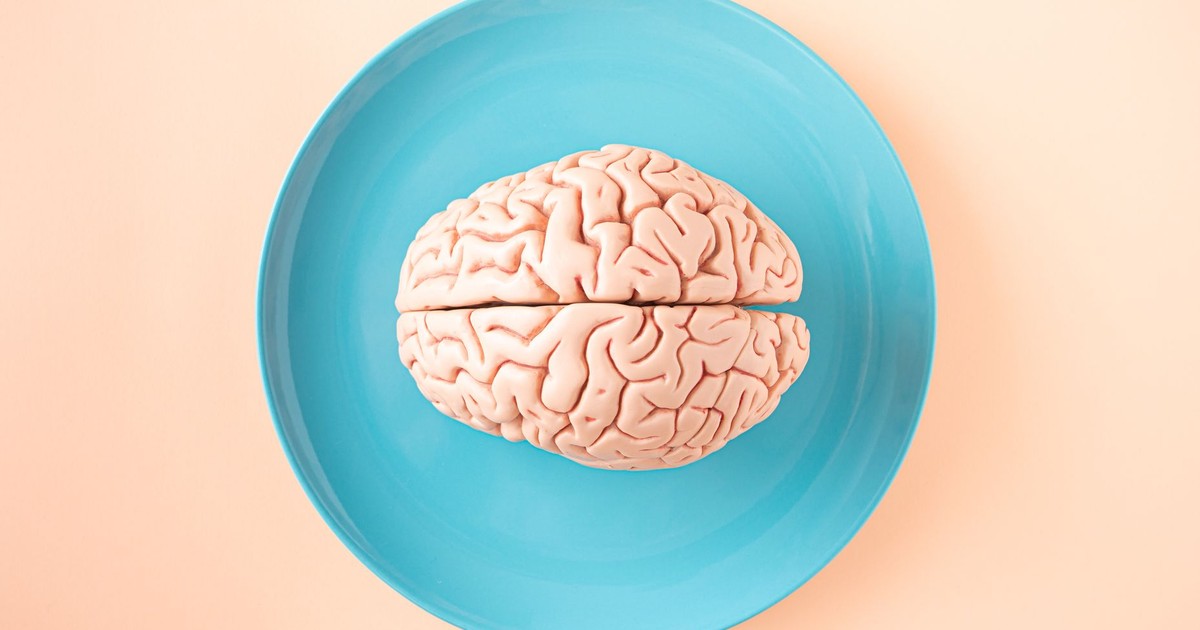

People with certain inherited gene variants that mimic how statins work in the body tend to have a larger hippocampus. The hippocampus is the brain’s main hub for learning and memory. That structural difference was found in genetic data from hundreds of thousands of people. It is one of the more striking details to emerge from recent research into statins and brain health. The finding also raises questions that the study cannot fully answer.
A 2023 study published in the British Journal of Clinical Pharmacology was led by Kitty Pham and colleagues at the University of South Australia. The team asked whether blocking cholesterol production or clearance through different pathways might have ripple effects elsewhere in the body. The researchers did not track people who took cholesterol pills. They studied inherited gene differences in 337,475 people from the UK Biobank. Those differences naturally mimic how certain cholesterol drugs work. Participants were not given any medicines directly.
The genetic associations touched on the brain, the lungs, body fat, and testosterone. That is a broader picture than most people associate with cholesterol drugs.
Editor’s note: The headline refers to statins and another cholesterol drug. The study looked at gene variants that mimic how these drugs work, not at people taking the pills. The authors say this does not prove that the medicines cause the same changes.
Why do cholesterol drugs matter in the first place?
High levels of LDL cholesterol, often called “bad” cholesterol, can lead to fatty deposits inside blood vessels. That raises the risk of heart attack and stroke. Statins, including common types like atorvastatin and rosuvastatin, reduce the amount of cholesterol made by the liver. A newer class of drugs called PCSK9 inhibitors takes a different route. They help the liver clear more LDL from the blood.
The heart-health case for statins in people who need them is well established. That evidence comes from large randomized controlled trials, studies in which people are randomly assigned to a treatment or a comparison group. Pham’s team wanted to know if blocking cholesterol production or clearance through different pathways might have effects beyond the heart and blood vessels.
Read More: How Cholesterol Drugs Can Affect Your Brain, Lungs, and Hormones
What did the study find about the hippocampus and statins?
Statin-like genetic patterns were linked to a larger hippocampus, the part of the brain involved in learning and memory. The hippocampus is a small, curved structure buried deep inside the brain. Its health is closely tied to forming and retrieving memories. Alzheimer’s disease often begins with damage in this same region.
A bigger hippocampus sounds like good news, but the reality is more complicated. Cognitive reserve, meaning how well the brain functions, matters more than size alone. A larger hippocampus does not automatically mean better memory or lower dementia risk. Volume and thinking performance are related, but they are not the same thing. The structural finding from this genetic study is a signal worth investigating, not a proven benefit.
The broader research picture on statins and brain health remains mixed. Some studies have found no link between statin therapy and cognitive impairment, meaning problems with thinking or memory. Others have found links with reduced dementia risk. Neither body of work is settled enough to draw firm conclusions. The University of South Australia genetic study adds an interesting structural data point. It does not settle the debate.
For anyone on statins and concerned about thinking or memory side effects, talk those concerns over with a doctor. That remains the right next step. This genetic study does not overturn the existing clinical evidence on statins and cognition.
What about body fat, testosterone, and trade-offs?
The hippocampus was not the only thing linked to statin-related genetic patterns. Those same genetic variants were also associated with higher BMI and body fat, as well as reduced testosterone. Testosterone is a hormone involved in muscle health and other body functions, including bone density.
These are group-level genetic associations, not individual predictions. The genetic variants studied acted across an entire lifetime of body development. That differs in a meaningful way from an adult starting a prescription at age 55. The finding adds detail to the question of what statin-like pathways are doing throughout the body. Clinical confirmation is still needed before drawing conclusions about drug therapy.
What was the PCSK9 finding about lung function?
Genetic patterns resembling the effects of PCSK9 inhibitors were associated with slightly lower lung capacity. That is a measure of how much air a person can breathe in and out. Even a modest reduction in that capacity matters over time. That is especially true for older adults or people with any existing breathing condition.
Researchers do not yet know whether this genetic finding shows up as breathing problems in people actually taking these medicines. PCSK9 inhibitors are a relatively newer class of drugs. Long-term safety data is still being gathered. This signal is not a reason to avoid PCSK9 inhibitors if a heart doctor has recommended them. It is the kind of finding that motivates larger, longer follow-up studies.
What can this study tell us, and what can’t it?
The method behind this research matters. A key limit of Mendelian randomization, the genetic method used here, is that it considers lifelong genetic effects. Those differ from drug therapy that starts later in life at particular doses. When a gene variant has been shaping how the body handles cholesterol since before birth, later effects on brain volume or body makeup could reflect decades of influence. A pill cannot copy that.
The genetic study suggests different drugs could be linked to various changes throughout the body. It does not prove that taking the medicines causes those changes. Genetic associations and clinical causation are two different things. Pham’s team identified targets for future study, not conclusions ready for clinical use.
Clinical studies that track people starting on these drugs at typical doses and ages are needed. Those studies should measure brain volume, lung function, and body makeup over time. The goal is to see whether the genetic links show up as real, measurable changes in patients. For a broader look at how these medicines can affect the body, see our coverage of how statins can deplete key nutrients.
What should you do if you take a cholesterol drug?
Nothing in this 2023 genetic study changes the advice your doctor has given you about cholesterol medicine. Large clinical trials have firmly established that statins reduce heart attack and stroke risk in people who need them. A genetic association study, however large and carefully done, does not override that foundation.
Do not stop or adjust your cholesterol medication based on this research. If you have genuine concerns about side effects, bring those to your doctor. That includes muscle aches, mental fog, or anything else. They can review whether your current statin type and dose are appropriate. They can consider whether switching versions might help, and weigh whether your heart benefit from the drug outweighs any concerns.
The University of South Australia study is most useful as a research map. It points to brain structure, lung function, body makeup, and testosterone. Those are areas where cholesterol drug pathways may have effects worth studying in a careful way. For patients already on treatment protecting their hearts, the established benefits remain the priority. This is not a reason to start, stop, or change any medication on your own. Talk with your doctor about what is right for you.
Disclaimer: The author is not a licensed medical professional. The information provided is for general informational and educational purposes only and is based on research from publicly available, reputable sources. It is not intended to constitute, and should not be relied upon as, medical advice, diagnosis, or treatment. Always consult a licensed physician or other qualified healthcare provider regarding any medical condition, symptoms, or medications. Do not disregard, avoid, or delay seeking professional medical advice or treatment because of information contained herein.
AI Disclaimer: This article was created with the assistance of AI tools and reviewed by a human editor.