
Loud TV commercials can ruin a quiet evening really quickly. If you have ever found yourself suddenly lunging for the remote to turn down the volume, you are not alone. There are legal limits on ad loudness for traditional TV, but streaming has largely existed outside those rules. That is, until now. California just adopted a first-in-the-nation law to cap the volume of ads on streaming platforms. They aim to make commercials no louder than the shows they interrupt. Here’s what the new law actually means, and how to address those volume spikes at home, without getting too technical.
Why Are There Loud TV Commercials Between Programs?

Even when adverts follow the law, they’re still mixed to feel particularly punchy. The sound engineers compress the dynamic range, making quiet parts louder and loud parts steadier, so every word cuts through. This produces an in-your-face sound that your ears register as louder, even if the average volume matches the show. After the federal CALM Act was put into place for traditional TV, some producers tried various techniques to catch the attention of the viewers without exceeding the loudness limits. You see, the rules around loudness are based on an average over time, not every moment. Some ad makers exploited that by shaping the soundtrack’s dynamics.
They kept long sections very quiet to pull the average downward. Then they inserted brief, very loud moments to grab the attention of the viewers. Regulators subsequently closed that loophole, but the basic concept has remained the same: make ads pop without technically breaking rules. Outside of the legal mechanics, however, this also has to do with how we perceive sound, or psychoacoustics. Our ears perceive dense and steady audio as louder than the programs on either side that have natural volume peaks. Advertisers also emphasize the frequencies of speech that the ear hears most clearly. The music and voices in ads are engineered to fit in the midrange where our hearing is most sensitive.
What Is the Federal CALM Act?

Congress eventually passed the Commercial Advertisement Loudness Mitigation Act in 2010 after years of complaints from members of the public. The Federal Communications Commission turned that law into rules requiring that stations keep ads at the same volume as the programs. This policy relies on standardized loudness measurement methods, not subjective impressions alone. The producers making the ads still have creative freedom, but the TV providers are responsible for meeting regulations. The rules tamped down the biggest problems and made ad breaks feel fairer. Now, when an ad blasts you, there’s a place to complain and a watchdog that can respond. Stations also added automated checks that scan incoming spots for loudness issues. When flagged, these noisy ads can be rejected or normalized before airing. Over the years, these tools have undergone steady improvements and have become part of the routine delivery specifications.
The Loudness Wars

If the CALM Act is the law, why do some TV ads still seem so loud? Well, firstly, average volume is not the same as uniform moment-to-moment loudness. Within a compliant ad, audio can still be mixed to emphasize the speech and audio impact. Early on, some ads alternated between very quiet and very loud parts to meet the average test while seeming loud. Regulators later addressed that tactic, yet perceived that the differences still remain.
The enforcement of these rules on traditional TV is partly driven by viewer complaints. Additionally, a program’s audio also varies widely by genre and mastering choices. Quiet documentaries or late-night dramas may be mixed with wide dynamics to keep the specific nuances in place. The audio engineers compress the signal, making the softer parts louder. Therefore, a tightly compressed ad will feel aggressive in comparison to the programs, even when compliant. Live sports can swing between crowd noise and studio commentary, confusing our perception even further.
Streaming Services are No Longer Exempt
Then streaming changed the game, and the old rules lagged behind. The CALM Act covered broadcasters and pay-TV, but not these streaming apps. As streaming grew, people ran into the same loud advert problem again, with commercials often sounding way louder than the shows they interrupted. Subsequently, advocates asked the regulators to bring those TV rules to streaming. Industry groups argued that the streaming ecosystem differs from broadcast and therefore requires tailor-made approaches. While that debate continued, the platforms experimented with their own standards and tools.
Streaming ads work very differently from regular TV. There are apps that create each ad break on the spot for every viewer. They mix ads from many companies and many file types. Therefore, each ad can have a different loudness history and format. During one show, you might get dozens of different ad combinations. Some of these ads arrive already volume-balanced, while others still need fixing. Devices make things even more complicated because they handle audio differently. For example, phones, smart TVs, boxes, and browsers don’t treat volume the same. Therefore, without one clear rule for everyone, results stayed inconsistent.
California’s New Law

California recently passed a law capping streaming ad volume relative to surrounding content. Signed by the Governor, the measure requires streaming services to ensure ads are no louder than the programming or video they accompany. The law takes effect in July 2026, giving platforms time to audit their libraries and normalize any loudness issues. Their target is clear: services running advertising, including ad-supported tiers, must control the loudness of their adverts.
The goal is also practical as it spares viewers the need to change volume when an ad break arrives. Between now and the 2026 start date, streaming apps have time to get their houses in order. They’ll set clear loudness targets and spell out how ads must be measured. The companies that encode ads will have to check those numbers before sending anything in. Platforms will also run automatic loudness checks at a few points in the pipeline. If an ad flunks, the system can fix the level or kick it back. You’ll likely see updated help pages, too, so you know what “normal” should sound like after rollout.
How A Change In Californian Laws Could Affect the Entire Nation

California often sets the tone for national consumer policies. It hosts major entertainment companies and has a massive viewer base. A state loudness rule raises operational questions for services across the nation. This is because maintaining separate California-only advert workflows could prove to be both costly and risky. Therefore, many platforms will likely adopt practices that meet California’s standard across the United States. That would help to simplify engineering and reduce legal exposure as more states observe the outcome.
Additionally, as the ad-supported tiers grow in these streaming services, consistency becomes a competitive advantage. Having policies that are implemented nationwide also benefits the advertisers and agencies. They will be able to deliver a single set of masters that pass platform checks everywhere. Basically, for them, fewer regional exceptions mean fewer last-minute technical surprises to deal with. Furthermore, unified rules also encourage standardized measurement and documentation. This would help creative teams plan audio mixes that survive automated normalization gracefully. In turn, viewers outside of California would also enjoy fewer volume spikes in their viewing experience.
A Short History of Loud TV Commercials

Long before streaming services were a thing, viewers often complained about loud TV commercials. Many news segments and consumer columns documented viewers’ frustration with sudden volume jumps. Those complaints eventually led to the 2010 CALM Act and subsequent FCC rules. The law pushed broadcasters to enforce consistent ad loudness and invest in audio metering. It worked well enough to reduce the worst abuses and standardize expectations. The new California law is the streaming-era sequel to that earlier battle. While it may be a different delivery pipe, it is the same core issue, now addressed with a similar principle. Broadcast TV manages to fix the worst offenders, but not every issue has been solved. Our perception of sound and variations in content still create some loudness differences. Additionally, streaming adds extra technical issues on top of those human factors. Platforms have to smooth out these technical issues without killing the creative spark.
What Will Likely Change
For streaming services, compliance is not simply about turning down a single volume knob. There is a whole sequence of events that needs to be taken into consideration. Streaming platforms receive ad files from agencies and partners. They run those files through quality checks that measure loudness against a standard target. If an ad is too hot or too soft, the system automatically adjusts its level. After that, the platform compares the ad’s loudness to the show or video it will play beside. Only when the ad matches the program’s overall loudness does it move into the rotation. The idea is the same as regular TV: ads should not sound louder than the show. Streaming just makes it trickier because every viewer gets a different mix of ads and programs.
To keep things consistent, platforms will run more automatic checks, set stricter delivery requirements for advertisers, and even adjust ad levels on their own before anything reaches your speakers. Furthermore, creative teams will need to adapt their mixes to fit with normalization. However, spots that rely on constant intensity may now lose their competitive edge. Mixers will explore contrast, clarity, and arrangement rather than blunt compression. Voice intelligibility will still be important, but with less aggressive limiting. Music choices could also start to shift toward textures that have a strong presence even at moderate levels. Agencies will also start budgeting time for platform loudness checks before the launch of a campaign. That would help reduce any potential surprises when a platform corrects or rejects a submission. Over time, agencies will still make attention-grabbing ads, but with smarter sound design
Read More: Massive California Solar Power Plant Closes After Falling Short On Performance
Why Some Adverts Seem Louder
Even with loudness rules in place, our perception of audio often differs from its measurement. For instance, dialogue-heavy dramas or late-night videos might be mixed quietly, whereas an advert with a punchy voiceover and steady music will jump out by comparison. Your TV or soundbar can exaggerate the effect if wide dynamic range is enabled. Additionally, your room’s acoustics matter, too, as hard walls reflect highs and make sharp consonants feel piercing. Because the legal standard is based on average loudness, not every microsecond, a compliant ad can still include brief loud moments. Our habits also change our perception of sound and loudness. For example, if you raise the volume to listen to soft dialogue, the next advert will sound loud. Finally, fatigue plays a role during long sessions as our ears become more sensitive to persistent intensity over time.
Luckily, you don’t have to wait for 2026 to deal with this issue. Many TVs and soundbars offer Auto Volume, Night Mode, or similar features that smooth changes between quiet dialogue and loud breaks. Some brands include Advanced Auto Volume and Volume Offset tools that reduce sudden changes. If your model offers it, enable auto leveling on your TV or your soundbar. Avoid stacking multiple processors, which can cause audio artifacts. Reduce the dynamic range in audio settings if late-night viewing is common. Move the center speaker closer for clearer dialogue at a lower master volume. You can also try raising the dialog enhancement slightly while lowering the overall volume a notch. You can also disable an sound modes that boost treble excessively in reflective rooms. If you really want to get technical with your space, you can add soft furnishings or curtains if the room sounds bright and edgy.
The Bottom Line
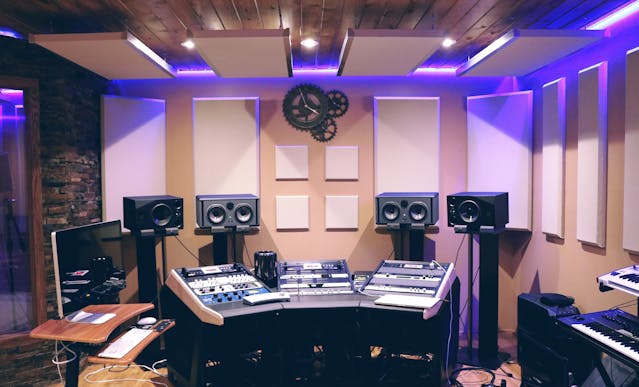
Loud TV commercials first became a problem on traditional TV, leading to backlash from viewers. Congress replied to this issue with the CALM Act, which dealt with the worst offenders. When streaming grew, the same issue returned in a legal gray area. However, California’s new law brings that familiar standard to modern viewing habits. Yet, you do not need to wait for the rollout of these laws to get relief. You can take action into your own hands by turning on auto leveling, enabling dialogue enhancement, and adjusting the basic audio settings of your device.
These easy tweaks can help ease the strain on your ears and reduce nasty loud surprises while watching something. As for the future of advert sound? Well, agencies will still make attention-grabbing adverts, but likely with smarter sound design. We can expect more emphasis on intelligibility, contrast, and storytelling rather than sheer volume. Over time, these best practices will spread through the various vendor networks and production houses. Eventually, your remote hand won’t have to work half as hard to deal with the loud TV commercials between the scenes of your favorite program.
Disclaimer: This article was created with AI assistance and edited by a human for accuracy and clarity.
Read More: Your Smart TV May Be Tracking You—Here’s How to Disable It