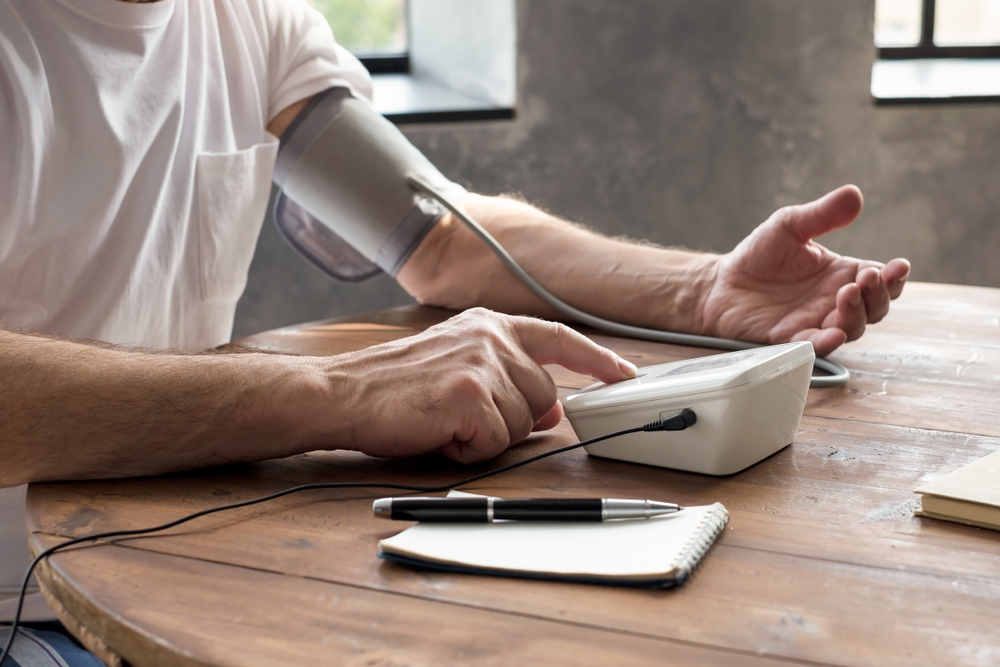

High blood pressure is a leading risk factor for heart disease, stroke, kidney damage, and many other health problems. Finding safe ways to lower both systolic and diastolic blood pressure without medication is important for improving health and preventing complications. A recent large study that combined results from hundreds of clinical trials analyzed the effects of different types of exercise on blood pressure. It found that two specific kinds of physical activity stand out as the most effective for reducing blood pressure levels in people with hypertension. We’re going to go over what those exercises are, the evidence supporting them, how to safely perform these exercises, and how they compare with each other.
What the Study Revealed About Best Exercises for Blood Pressure
A meta-analysis published in the British Journal of Sports Medicine reviewed data from 270 randomized control trials involving over 15,000 participants. These participants engaged in various forms of exercise for a minimum of two weeks. The study compared aerobic activities, dynamic resistance training, isometric resistance training (static exercises), and combinations of these types. The results showed that while most forms of exercise lower blood pressure to some extent, isometric resistance training produced the greatest reductions in both systolic and diastolic blood pressure for those with hypertension. Aerobic exercise was the second most effective type.
Understanding Isometric Resistance Training

Isometric resistance exercise involves muscle contractions without moving the joint. During these exercises, the muscle remains under tension while maintaining a static position. Examples include wall sits, where you press your back against a wall and hold a semi-squat position, and planks, where the body is held rigid and supported by forearms or hands and toes. Static lunges, glute bridge holds, and similar positions also engage muscles without joint movement. Studies consistently found that isometric resistance training reduces resting systolic and diastolic blood pressure more than many traditional strength training or aerobic workouts.
Understanding Aerobic Exercise

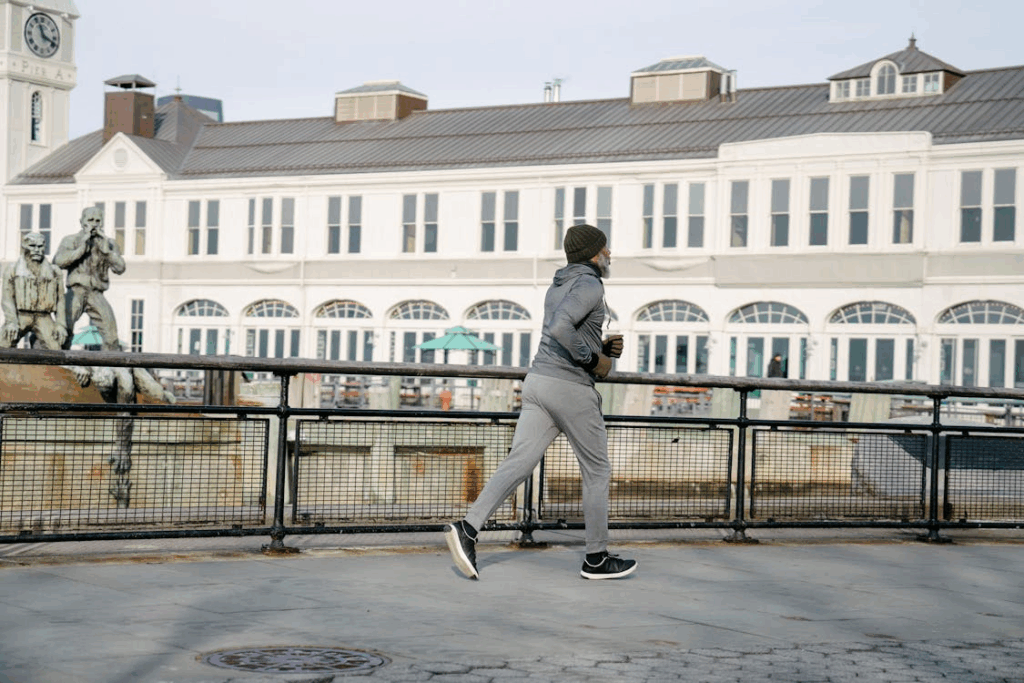
Aerobic or cardiovascular exercise includes activities that increase heart rate and breathing over an extended time while using large muscle groups rhythmically. Common examples are brisk walking, jogging, cycling, and swimming. Typically, aerobic workouts last between 20 to 60 minutes per session and are done several times per week. Intensity is adjusted for fitness level and health status. Research shows aerobic exercise helps lower blood pressure by improving blood vessel function, reducing arterial stiffness, enhancing metabolic health, boosting insulin sensitivity, and often aiding weight loss.
Comparing Isometric Resistance and Aerobic Exercise for Blood Pressure
Isometric resistance training tends to produce a stronger drop in both systolic and diastolic blood pressure. It often achieves larger effects than other exercises with less overall time or movement required. It is also suitable for people with joint problems or limited mobility because it is low impact. Additionally, this exercise improves muscle strength and may contribute to vascular health. Aerobic exercise, while slightly less powerful than isometric training for lowering blood pressure, provides broader health benefits. It improves heart and lung fitness, helps control body weight, supports metabolic health, improves mood, and increases endurance. However, aerobic routines usually require more continuous movement and more total time each week. They may be more strenuous on joints for some people.
How to Perform These Exercises Safely and Effectively

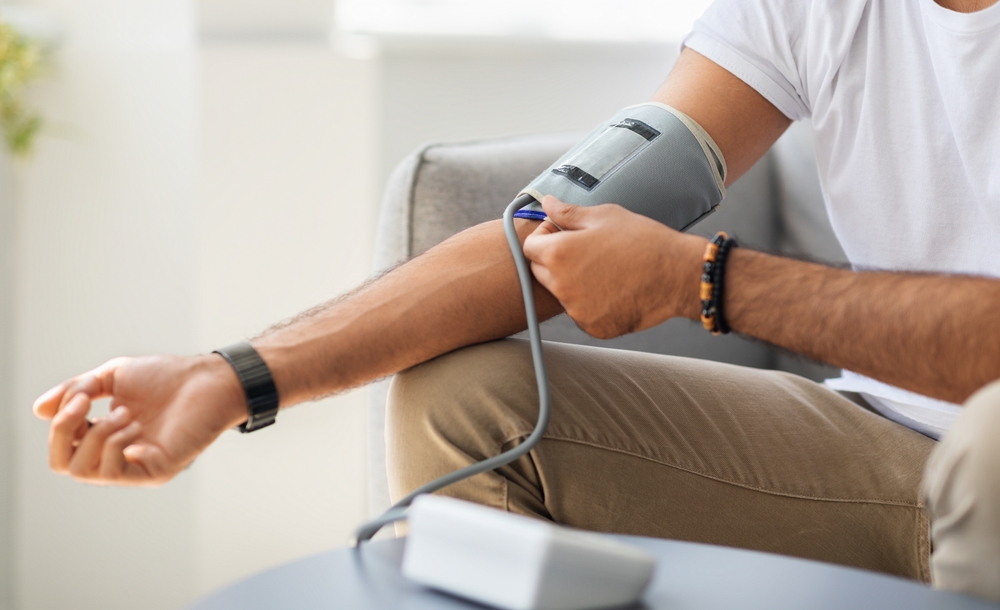
If you have high blood pressure or other health issues, medical clearance is important before starting an exercise program, especially if you have stage 2 hypertension or cardiovascular disease. Warming up before exercising is crucial. Begin isometric exercises with easier positions and shorter hold times, such as 30 to 60 seconds per set, done 2-3 times per week. Gradually increase duration and intensity. For aerobic exercise, start with shorter sessions of low to moderate intensity, around 10 to 15 minutes, and work up to 30-60 minutes most days of the week. Maintaining consistent exercise routines is key to achieving lasting reductions in blood pressure. Regularly monitor your blood pressure to track progress and adjust exercises with professional help if needed. Combining isometric holds with aerobic workouts and some dynamic strength training can enhance overall cardiovascular and metabolic health.
Why These Exercises Lower Blood Pressure

Several physiological mechanisms explain why isometric resistance and aerobic exercises both reduce blood pressure. They decrease systemic vascular resistance by improving blood vessel function and promoting vasodilation. Holding static muscle contractions followed by relaxation enhances circulation. Aerobic exercise increases production of nitric oxide, a molecule that relaxes blood vessels and improves arterial flexibility. Both types of exercise improve arterial stiffness, meaning the arteries remain more elastic, reducing the pressure needed to circulate blood effectively. Aerobic training reduces resting heart rate and improves cardiac efficiency, making the heart pump more effectively at lower pressures. They also improve metabolic health by increasing insulin sensitivity, reducing inflammation, and promoting healthy body composition, all of which contribute to better blood pressure control.
Practical Exercise Plan for Blood Pressure Reduction
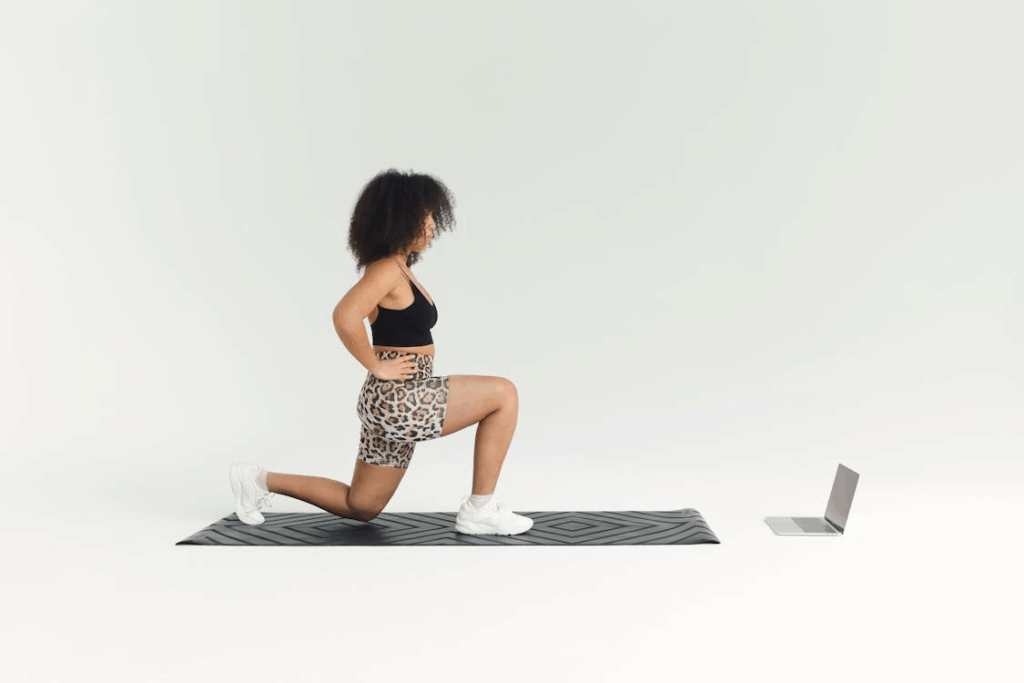
To replicate benefits from research, perform isometric holds like wall sits, planks, or static lunges three times each week. Aim for a total hold time of three to five minutes spread across multiple sets per session. Add at least 150 minutes of moderate aerobic exercise weekly, such as brisk walking or cycling, in sessions lasting 30 to 60 minutes. Include intervals of higher intensity based on your fitness and health status. Also include dynamic resistance exercises such as weight lifting or bodyweight movements involving joint motion two or more times per week for strength and overall fitness. Progress gradually and allow recovery days to prevent injury. Regularity and consistency are key to sustainable blood pressure improvements.
Limitations and Considerations

Most studies analyzed are relatively short-term, lasting from weeks to a few months, so the effects of long-term adherence over years are less clear. Results can vary depending on age, baseline health, medication use, and individual fitness. Isometric exercises may cause a temporary spike in blood pressure during the hold, so caution is advised for people with poorly controlled hypertension. Ultimately, the best exercise for blood pressure depends on individual preferences, physical ability, and lifestyle factors. Combining multiple types of exercise tends to produce the greatest overall benefit.
Lowering Blood Pressure

Lowering high blood pressure is one of the most accessible ways to reduce the risk of serious cardiovascular diseases. Large meta-analyses show isometric resistance training, involving static holds such as wall sits and planks, produces the largest reductions in resting systolic and diastolic blood pressure among people with hypertension. Aerobic exercise remains highly valuable and is the second most effective type, additionally supporting overall heart, lung, metabolic, and weight health. For optimal results, combine both forms of training safely and maintain consistency. Over time, these exercises can significantly lower blood pressure and improve health when paired with other interventions like diet or medication if needed.
Read More: This Is a Surprisingly Simple Way to Reduce Blood Pressure, but Almost Nobody Does It
Disclaimer: This article was created with AI assistance and edited by a human for accuracy and clarity.