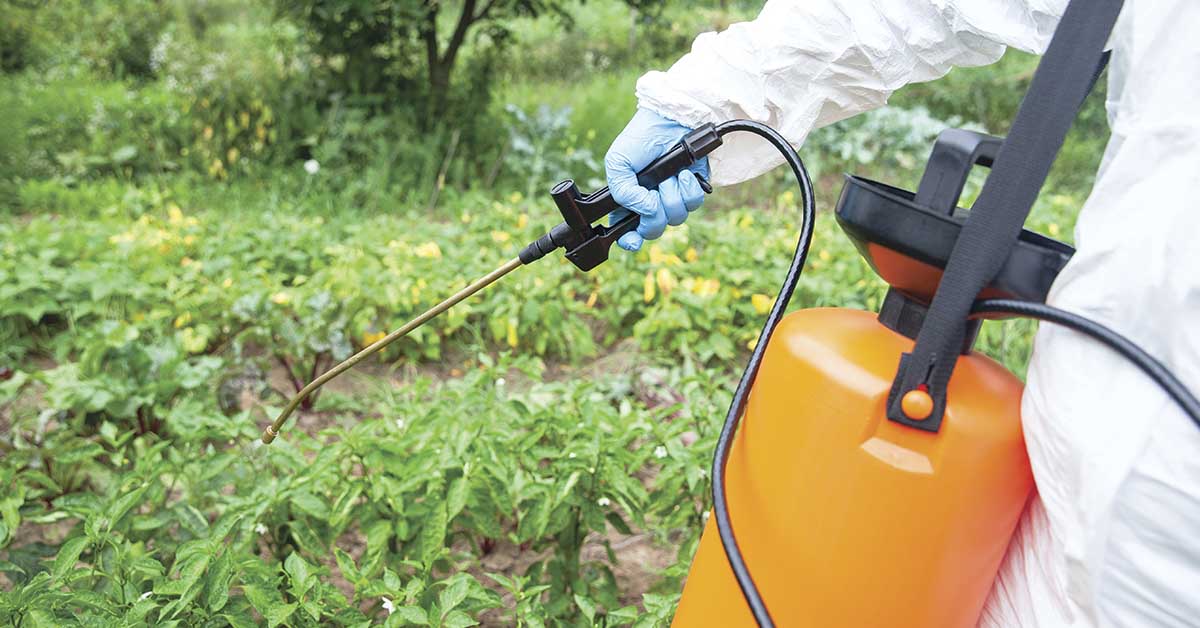

Glyphosate is a herbicide used to kill weeds, particularly those that compete with crops. While it may be highly effective for weed control, its impact on our environment and health has been the source of much debate and study over the years. A recent review analyzed the data of more than 40 studies published over a period of 17 years. The review revealed a link between glyphosate exposure and the development of MASLD (for metabolic dysfunction-associated steatotic liver disease). Prior studies have also found several other health issues linked to glyphosate exposure, such as a reduction in the average birthweight of newborns in rural areas. How is glyphosate linked to liver disease, and what other risks do those exposed to it face? Let’s find out in the article below.
New Review Finds Glyphosate Linked to Liver Disease
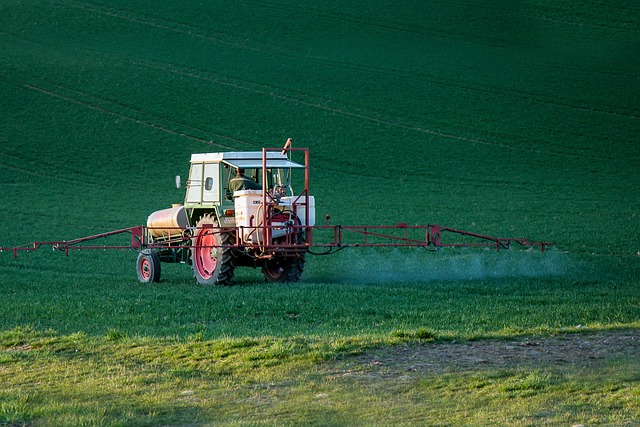
The review found that the harmful health impacts to the liver included oxidative stress, scarring, and inflammation, which are all markers of MASLD. The research team noted that even minor increases in glyphosate exposure could have major impacts on health over time. This is particularly risky for individuals with other risk factors for liver disease. The review analyzed three types of studies, namely cell, animal, and human studies. They found that higher levels of glyphosate in the urine were linked to an increased risk of fat buildup, scarring, and signs of inflammation in the human liver.
Additionally, those with higher urinary glyphosate levels also exhibited higher FLI (fatty liver index) scores. The strongest effects were observed in women between the ages of 40 and 60 who had a history of borderline diabetes. People diagnosed with NASH (nonalcoholic steatohepatitis) also exhibited higher glyphosate levels than those without the disease, in addition to those with advanced liver scarring.
A long-term study on the effects of exposure during childhood found that children who resided near farms where glyphosate was used had a higher risk of developing metabolic issues later on. The typical markers of MASLD, such as scarring, inflammation, and oxidative stress, were also observed in animal studies. These findings were also confirmed in lab cell studies. According to the research team, “Although these studies are in their early stages and primarily focus on U.S. data, they undeniably highlight a significant potential relationship between glyphosate and MASLD-related health issues.”
The Parallel Rise of Glyphosate Use and Other Health Issues
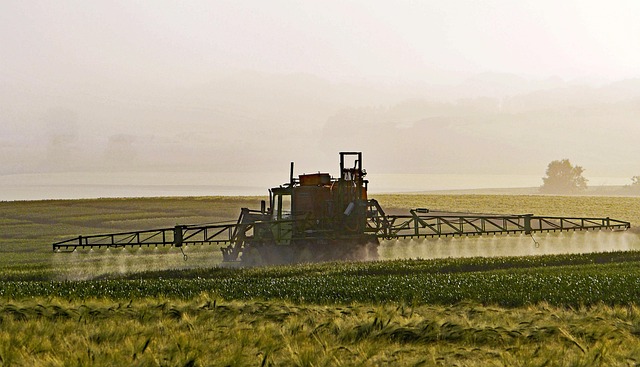
MASLD refers to a group of liver diseases caused by the buildup of fat in the liver. Not only can it lead to inflammation, but it can also raise your chances of developing diabetes and certain cancers. Individuals diagnosed with this disease are also more likely to develop cirrhosis, liver failure, and cardiovascular disease. Glyphosate is a broad-spectrum herbicide that can be found in hundreds of products. Currently owned by Bayer, it was originally patented by Monsanto. Newly conducted studies have indicated links between glyphosate exposure and the development of metabolic disorders, cancers, infertility, endocrine disruption, psychological disorders, Parkinson’s, and Alzheimer’s.
According to the statistics, rates of glyphosate and MASLD have increased in parallel over the past 30 years. Current estimates suggest that it is present in around 60% of all vegetables in the United States. This is a concerning figure, considering that the International Agency for Research on Cancer determined that glyphosate is likely carcinogenic in 2015. Studies also revealed that areas where the herbicide was used heavily were also subject to higher rates of MASLD.
For example, the disease is more prevalent in Latin America than anywhere else globally. Pesticide use per capita in the region is also the highest in the world. One study also found that the average birth weight of babies was lower in rural areas in the United States where the use of the herbicide was most prevalent. Additionally, another study found that glyphosate could even potentially disrupt our internal clocks, resulting in fat metabolism and blood sugar issues. For the researchers, all of this is significant evidence that further investigation is required to learn more about these harmful effects.
The Bottom Line

Not only are we exposed to the harmful effects of glyphosate in areas where it is used, but also through the food and water we consume. Therefore, it is recommended that you try to source organic whole foods for your meals that have not been treated with dangerous chemical cocktails. As studies have indicated, glyphosate can not only affect your liver, but can also potentially result in various types of cancer, metabolic disorders, Parkinson’s, Alzheimer’s, and many more serious conditions. Based on the growing amount of evidence, it is very clear that further investigations into the effects of glyphosate need to be studied. For the sake of your family’s health, make sure to check your gardening products to ensure that they do not contain glyphosate
Read More: Woman Left ‘One Step Before Liver Failure’ After Taking Increasingly Popular Supplement