
A medium frozen coffee at Dunkin’ can contain 132 grams of sugar – more than two and a half times the FDA’s entire daily recommended limit for an average adult, delivered in a single cup, often to a teenager on a lunch break.
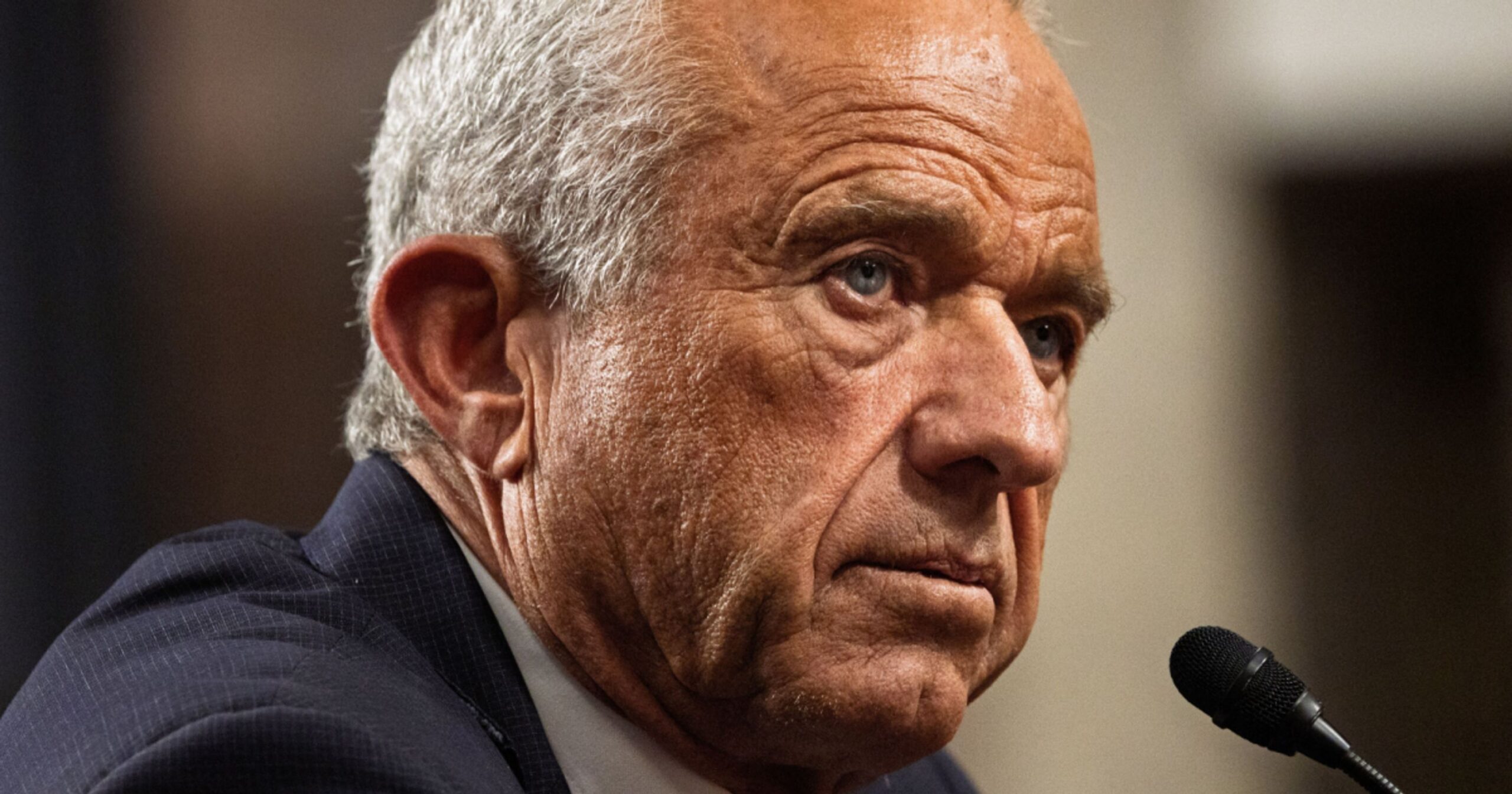
That figure is what Health and Human Services Secretary Robert F. Kennedy Jr. had in mind when he took the stage at an “Eat Real Food” rally in Austin, Texas, on February 26, 2026. Kennedy told the crowd, “We’re going to ask Dunkin’ Donuts and Starbucks, ‘Show us the safety data that show that it’s okay for a teenage girl to drink an iced coffee with 115 grams of sugar in it.'” He added that he doubted they could produce it.
Kennedy made the challenge as part of his Make America Healthy Again initiative, suggesting the Trump administration could place limits on certain coffee drinks if companies cannot demonstrate their high-sugar products are safe. Neither Dunkin’ nor Starbucks had issued a formal response at the time of publication. Dunkin’ announced a zero-sugar energy drink in the days following the controversy.
What’s Actually in These Drinks
The drinks Kennedy is targeting are not edge cases. At Dunkin’, some frozen coffee drinks contain over 130 grams of sugar. A medium Caramel Cold Brew with Sweet Cold Foam contains 49 grams of sugar, according to nutrition data reviewed by The Takeout. The American Heart Association recommends women limit daily added sugar to 25 grams. A single high-sugar frozen coffee drink can exceed that figure several times over.
Starbucks’ most sugar-dense offerings are less extreme but still substantial. The Mocha Cookie Crumble Frappuccino contains 55 grams of sugar in a Grande, with the Caramel Frappuccino at 54 grams, per Starbucks nutrition data – before any customizations such as extra syrups or whipped cream.
The GRAS Connection
Kennedy’s demand for safety data connects to a broader regulatory dispute at the FDA. The mechanism he is invoking is the Generally Recognized as Safe designation, or GRAS. According to MAHA Action, a nonpartisan nonprofit supporting the Make America Healthy Again movement, “Companies including Dunkin’ Donuts and Starbucks will be required to produce safety data they were supposed to have maintained.”
Kennedy has not outlined specific enforcement timelines or consequences for chains that cannot meet the standard.
Congress created the GRAS designation in 1958, initially to cover ingredients with a long history of safe use, such as salt and vinegar. The category has since expanded to include ingredients common in ultra-processed foods, a shift critics argue goes well beyond the original intent.
That criticism underpins a citizen petition filed in August 2025 by David Kessler, a pediatrician and former FDA commissioner who led the agency under Presidents George H.W. Bush and Bill Clinton. Kessler’s petition calls on the FDA to revoke the GRAS designation of refined carbohydrates used in industrial food processing – including refined sweeteners, refined flour, corn syrup, glucose syrups, and wheat and corn flour – citing links to obesity, diabetes, and cardiovascular disease. “To revoke GRAS status, FDA does not have to prove that the processed refined carbohydrates used in industrial processing are unsafe, but that their safety has not been established,” the petition states.
The petition draws a parallel to the FDA’s 2015 decision to revoke GRAS status for partially hydrogenated oils – the main source of artificial trans fats – which effectively removed them from the food supply. On February 10, 2026, the FDA posted an interim response letter to Kessler’s petition, indicating the agency is still assessing the matter. Kennedy and Kessler appeared together on 60 Minutes on February 15, 2026, in a segment titled “Generally Recognized as Safe.”
What the Health Data Shows
The science connecting sugar-sweetened beverages to disease is substantial, and the harms are particularly well-documented in younger consumers. A 2023 study published in Nutrients using 2021 YouthStyles survey data from 831 US adolescents aged 12 to 17 found that 29% consumed sugar-sweetened beverages at least once per day. High refined sugar intake is associated with weight gain and increased risk of chronic conditions including diabetes and tooth decay.
A 2023 study in Nutrients found that children who consumed sugar-sweetened beverages between ages 2.5 and 4.5 had more than double the odds of being overweight by age 4.5 (observational data; causation not established). A 2015 review in Child Obesity identified sugar-sweetened beverages as the primary source of added sugar in the diets of children and adolescents in the United States.
A 2024 study in Frontiers in Public Health tracking nearly 70,000 participants found that consuming sweet drinks was associated with worse cardiovascular outcomes than other sugar sources, with higher intake linked to increased risk of ischemic stroke, heart failure, and atrial fibrillation. These are observational findings and do not establish causation.
Liquid sugar is absorbed differently than solid sugar. Without dietary fibre to slow digestion, the glucose from a sugary drink reaches the bloodstream rapidly, producing a sharper spike in blood glucose and a stronger insulin response than the same amount of sugar consumed as part of a meal.
The Political Response
Massachusetts Governor Maura Healey responded on social media by posting an altered version of the Texas “Come and Take It” flag, with an iced Dunkin’ drink at the centre. The post drew significant media coverage focused primarily on the politics. Some critics argued Kennedy was targeting a culturally popular brand rather than addressing structural causes of poor dietary health, such as food deserts and unequal food access.
Both Dunkin’ and Starbucks offer low- and no-sugar options alongside their most indulgent drinks, with some containing fewer than 5 grams of sugar. The criticism that no single product causes a health crisis is reasonable; the 29% daily consumption rate among adolescents in the Nutrients survey suggests that for a meaningful share of young people, these drinks are consumed routinely rather than occasionally.
What This Means for You
The FDA’s Daily Value for added sugars is 50 grams per day, based on a 2,000-calorie diet. Some frozen coffee drinks at Dunkin’ contain more than double that in a single serving. Most chains display full nutritional data on their apps and websites, making it straightforward to check before ordering.
For anyone ordering at Starbucks or Dunkin’, the simplest reductions come from skipping flavored syrups, choosing cold brew or iced black coffee as the base, or asking for fewer syrup pumps. A plain cold brew with a splash of oat milk and one pump of vanilla at Starbucks contains roughly 3 grams of sugar – compared to 55 grams in a Mocha Cookie Crumble Frappuccino. Whether or not the FDA acts on Kessler’s petition, the difference between 3 grams and 55 grams in a single drink is the more immediate practical consideration.
Disclaimer: This information is not intended to be a substitute for professional medical advice, diagnosis, or treatment and is for information only. Always seek the advice of your physician or another qualified health provider with any questions about your medical condition and/or current medication. Do not disregard professional medical advice or delay seeking advice or treatment because of something you have read here.
AI Disclaimer: This article was created with the assistance of AI tools and reviewed by a human editor.