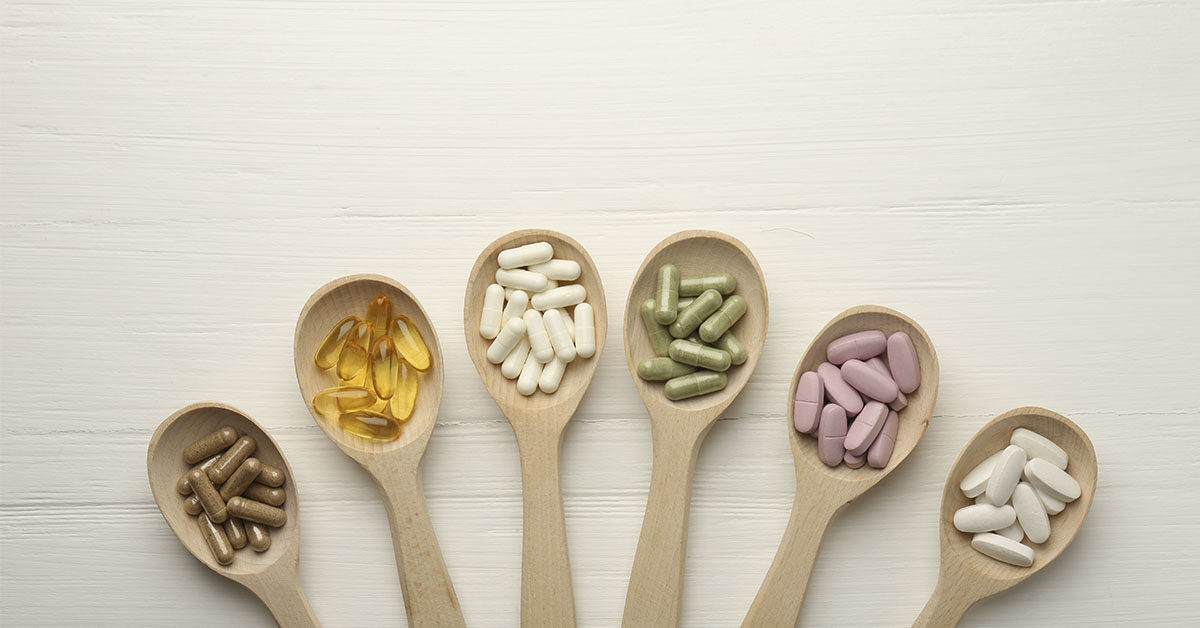

Just because a supplement is “natural” doesn’t mean it won’t cause negative side effects. If it has the potential to help, it has the potential to harm. This is especially true if it’s used improperly, such as at high doses, alongside other substances, or without relevant knowledge or guidance. Unlike pharmaceutical drugs, supplements are not strictly regulated for composition, purity, or effectiveness. So people may not be getting the quality they are expecting. (At worst, the product can contain harmful contaminants.) Therefore, it’s important to be informed before taking new supplements since some combinations are unsafe and others are extremely beneficial.
Don’t take vitamin C and vitamin B12 together
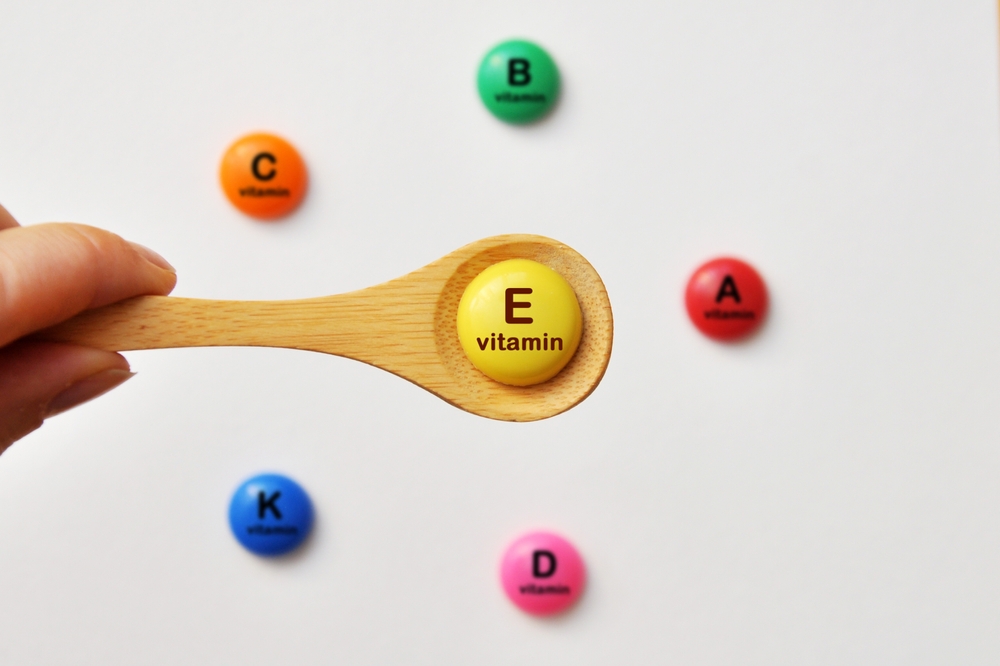
When taking supplements, there are different factors that affect their absorption. Whole foods tend to be absorbed well because they contain a plethora of vitamins and minerals that help the body process them. With supplements, you need to give this process more thought. Certain combinations cause the body to absorb less effectively, and this is the case here. According to MedicineNet, if you take vitamin C pills at the same time as vitamin B12, the body will absorb less B12. Therefore, health experts recommend taking these capsules at least two hours apart.
Don’t take iron and calcium together

“Iron and calcium should not be taken together because they compete for absorption in the digestive tract, which can significantly reduce the amount of iron your body is able to absorb,” says Whitney Stuart, M.S., RDN, to Eating Well. “[This is] especially important for those addressing iron deficiency or anemia.” For that reason, it’s recommended to avoid taking iron supplements alongside dairy products and other sources calcium. In fact, many advise taking iron on an empty stomach, either one hour before a meal or two hours after a meal. And don’t swallow it with your morning cup of tea or coffee since they contain polyphenols that can also inhibit absorption, according to a 2022 study.
Don’t take zinc and copper together
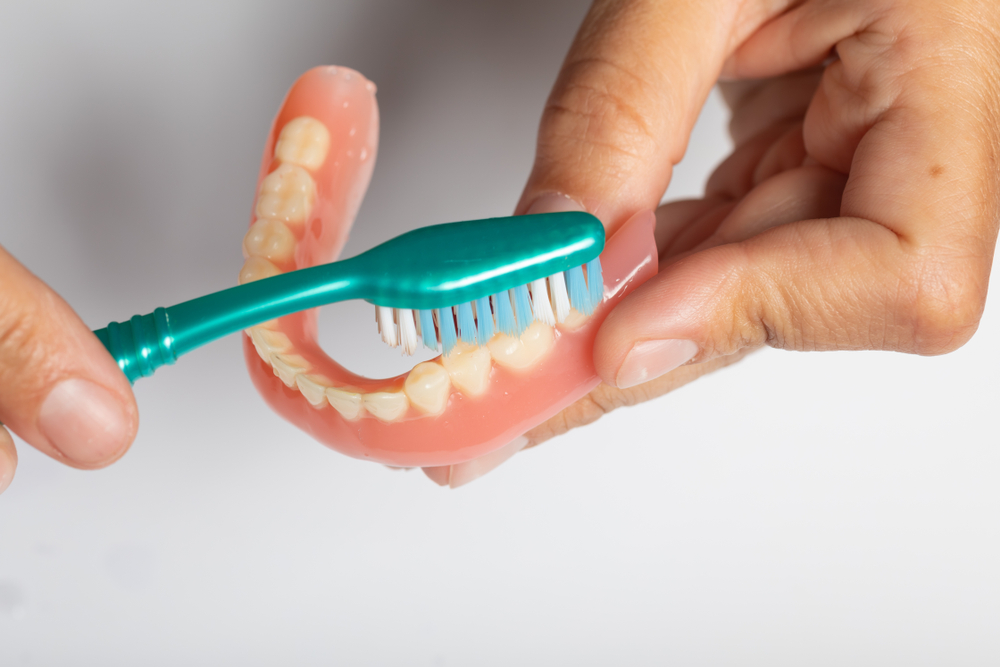
This is another case where the body struggles to absorb two different mineral supplements at the same time. So when you take zinc and copper together, copper isn’t absorbed well. In fact, people who consume a lot of zinc can develop a deficiency in copper. This usually happens because of over-supplementation (not from food). Zinc comes in high-dose tablets as well as certain lozenges, cold remedies, and multivitamins. Some types of denture creams contain zinc, and this can contribute to a copper deficiency and its effects, such as fatigue, pale skin, osteoporosis, dementia-like symptoms, and poor immunity, according to Healthline.
Supplements and medicine combinations
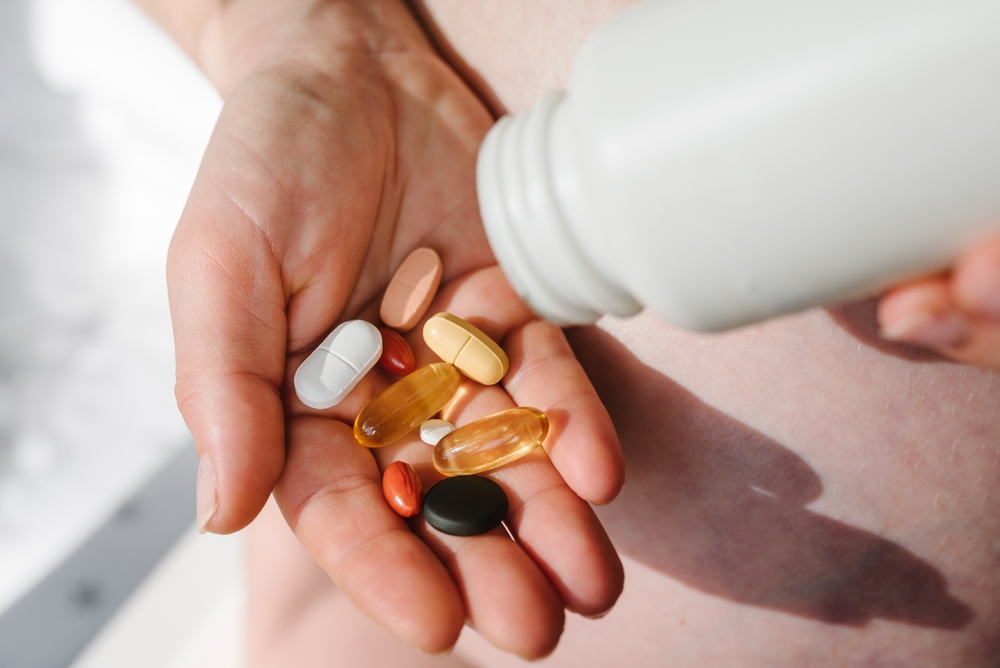
Supplements can also interact with pharmaceutical medications. Therefore, it’s always important to speak to a doctor about starting new supplements, and disclose the ones you are already taking. The U.S. National Center for Complementary and Integrative Health name a few harmful supplement-drug combinations to look out for:
- Vitamin K can reduce the effectiveness of the blood thinner Warfarin.
- St. John’s wort can reduce the effectiveness of many medicines, including birth control pills, antidepressants, transplant drugs, heart medications, and anti-HIV medications.
- Vitamin C and E can reduce the effectiveness of certain cancer chemotherapies and radiation.
- Calcium and zinc can reduce the effectiveness of antibiotics.
- Concentrated green tea extract can reduce the effectiveness of the drug nadolol.
- Goldenseal extract can reduce the effectiveness of metformin (the most commonly prescribed drug for type 2 diabetics).
Do take vitamin C and iron together

As previously explained, calcium-rich foods and tablets can inhibit the absorption of iron. On the flipside, vitamin C helps the digestive system absorb iron more effectively. “If you consume iron-rich foods or an iron supplement alongside a source of vitamin C, like a glass or orange juice, it helps convert iron into a form that’s easier for your body to absorb,” said board-certified family medicine physician Nicholas Church, M.D., to Good Housekeeping. “This pairing is especially beneficial to vegetarians or anyone looking to naturally improve their iron levels.”
Do take Vitamin B6, Folate (B9), and Vitamin B12 together

A 2023 study on nutrient synergy shows that combining B vitamins can benefit the nervous system by reducing levels of an amino acid called homocysteine. High levels of it increase the risk of heart palpitations, heart attacks, and strokes. It can also damage the myelin sheath that protects the nerve fibers in the brain and spine. Additionally, B vitamins work together to slow the progression of brain white matter, which leads to dementia and other neurological issues.
Do take vitamin E and selenium together

Vitamin E and selenium are both antioxidants, which are substances that protect the body from damage from oxidative stress caused by free radicals. What’s more, they are complementary antioxidants that enhance each other’s abilities. They work together to eliminate free radicals, and then the selenium helps prolong the vitamin E’s activity. “By getting both nutrients, for instance, eating selenium-rich Brazil nuts along with vitamin E-rich almonds or spinach, you enhance the antioxidant impact,” said Dr. Church. The combination of these supplements may also help improve skin health although more research is needed to confirm this.
Choose food over supplements
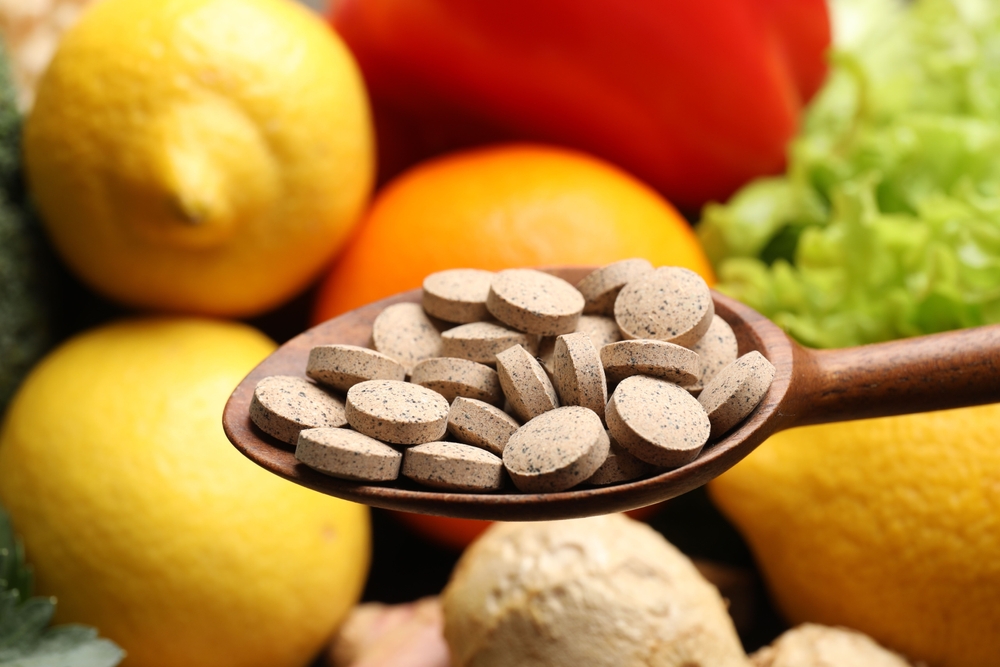
Supplement combinations can help boost an overall healthy diet, but they can’t replace nutritious foods. Dietary changes are typically recommended before supplementation, such as in minor cases of nutritional deficiencies. Healthy food can fix health issues while avoiding potential side effects, like dizziness, digestive upset, irregular heartbeat, and high blood pressure, according to Harvard Health. It can also prevent toxicity, which happens when vitamins and minerals are taken in large amounts. Vitamin A, D, E, K, B6, zinc, and iron supplements are the most commonly misused and overconsumed. And of course, foods are less likely to interact with other supplements and medications (although some still can, such as grapefruit, which interacts with statins.)
How to choose quality supplements

The U.S. National Institutes of Health advises looking for supplements that are certified by third-party organizations, such as ConsumerLab, NSF International, and U.S. Pharmacopeia. This can help ensure you get quality products free of contaminants or undisclosed ingredients. Keep in mind, dietary supplements often don’t include warnings of potential side effects, like pharmaceutical drugs do. That’s because supplement companies have no legal obligation to disclose them. It’s always recommended to speak with a medical professional before taking new supplements or drugs.
Read More: Is Taking Vitamin D Without Vitamin K Harmful to Your Health?