
On the 18th of July, 2025, the U.S. government announced that it would officially reject WHO health reforms related to the pandemic. Supporters of this move state that it’s about protecting the freedoms of Americans and curbing overreach by unelected global officials. However, critics have warned that his move could potentially isolate the United States and affect the world’s ability to respond to pandemics in the future. In this article, we will take a closer look at a few of the most important changes. We will also break down what the government has stated and what some of the critics have to say in response.
A New Pandemic Alert Level
According to the HHS press release, “These amendments would give the WHO the ability to order global lockdowns, travel restrictions, or any other measures… to respond to nebulous ‘potential public health risks.” The WHO health reforms included a pandemic emergency level that would beyond the typical health alerts. This regulation was meant to help countries react quicker to a spreading virus before it becomes a major crisis.
The goal was to speed up the sharing of vital information and supplies. However, according to Lawrence Gostin, a public health law expert, this didn’t actually give WHO any power to force any country into lockdowns. They would simply make the recommendations and it would still be up to the countries to choose how to respond. So, while the current government believes this could lead to enforcement overreach, the critics feel it is not a way to control governments. It is simply a better warning system.
Concerns Over Narrative Control
In the release Secretary Robert F Kennedy stated that “The proposed amendments to the International Health Regulations open the door to the kind of narrative management, propaganda, and censorship that we saw during the COVID pandemic.” This reflects the belief held by the current government that global health regulations could be used to shape the narratives of the media under the guise of “public health’. The amendment set out to emphasize better communication and solidarity when it came to emergency responses. However, Kennedy and his team feel that this vague language could be used to silence critics. Yet Dr. Suerie Moon of the Graduate Institute Geneva has argued that improving communication doesn’t mean suppressing it. In fact, effective communication is vital in emergencies.
Undermining Constitutional Rights of Americans
The release then went on to say that “The United States can cooperate with other nations without jeopardizing our civil liberties, without undermining our Constitution, and without ceding away America’s treasured sovereignty.” This implies that the current administration believes that international bodies shouldn’t play a larger role in emergencies. They believe it could end up threatening Americans’ freedom of privacy, movement, and speech. Yet critics such as the former WHO legal advisor Gian Luca Burci have argued that these are tools, not commands. According to Burci, “In no other organization has as much legislative power been granted, or as much expert representation asked, though sovereignty remains fully respected.” Any participation would be voluntary, and there are no real legal penalties for non-compliance. Therefore, it seems the current administration may be making mountains out of molehills.
Arguments that the Process Was Rushed and Flawed
Additionally, the release noted that “The World Health Assembly…adopted a revised version of the International Health Regulations through a rushed process lacking sufficient debate and public input.” In this statement, they criticized the way the amendments were passed. They implied that these rules were passed without any time for countries to review the implications and with no transparency. Therefore, they feel that lawmakers and citizens were left out of this process. However, the critics have stated that the previous pandemic exposed how needed reform is. According to WHO’s Executive Director of Emergency Programs, Dr. Mike Ryan, “We cannot afford to spend five more years debating how to coordinate in a crisis.” Nevertheless, several legal experts have stated that the process could have been more inclusive.
The Bottom Line
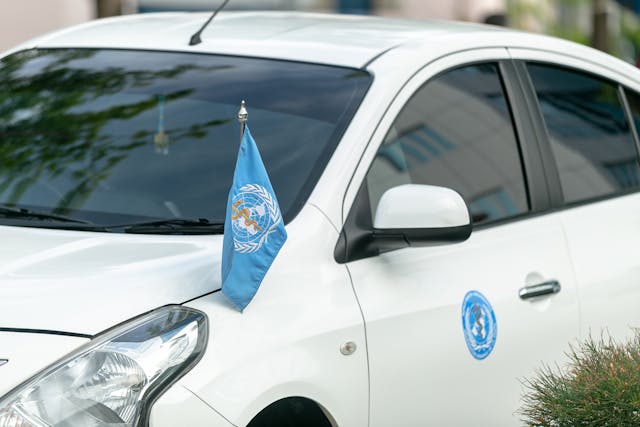
Essentially, the current administration’s rejection of the WHO health reforms boils down to a lack of trust in international organizations. Individuals such as Robert F Kennedy Jr believe that American liberties could be under threat from powerful global bodies. However, many experts within the public health field have warned that walking away from global efforts could hinder an effective response to outbreaks. The truth of the matter is that viruses don’t recognize borders, and international cooperation is vital in times of crisis. While the current administration may feel that they are protecting its citizens, it may put them at greater risk in the long run. The last thing Americans need is to be isolated from vital global cooperation during a future pandemic. This could potentially lead to a breakdown in communication and the sharing of vital information from outside sources.
Read More: Trump’s Latest Approval Ratings Reveal Surprising State-by-State Shift