

Sixteen-year-old Harley Andrews was the kind of teenager adults hope their children become. He played football, loved rugby, and spent evenings with friends planning their futures. He had only just started college and seemed strong and healthy from the outside. When he began to complain about pain and feeling unwell, the first instinct of adults around him was to think it was just the normal pains associated with being a developing teenager. His symptoms were dismissed as a virus and even described as “growing pains,” a label many parents have heard during their children’s growth spurts.
Only when his condition worsened dramatically did the truth emerge. Harley was rushed to the hospital and diagnosed with advanced leukemia. Within hours, he was gone. His family and community in northern England are still trying to process how a boy who looked so full of life could deteriorate so quickly. His story has now become a painful example of leukemia misdiagnosis, where warning signs of leukemia in teens blend into everyday complaints until it is too late.
A Sporty Teen Whose Pain Was Brushed Off
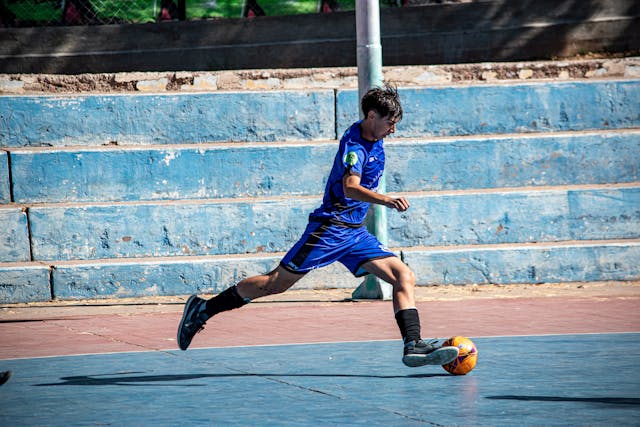
Friends remember Harley as a calm, kind boy who loved sports and rarely complained. He spent weekends on the football field and rugby pitch. Training sessions often left him tired and sore, just like his teammates. When he started to feel more unwell, it was easy for everyone to assume that he was simply pushing his body hard in a demanding season. The idea that something as serious as pediatric leukemia symptoms could be hiding in the background felt unthinkable.
According to family accounts, Harley did see a doctor before his final collapse. He described feeling unwell and in pain. The explanation he received focused on a possible viral infection and those familiar words, “growing pains.” For a family who trusted medical advice, that reassurance was important. They went home believing that simply getting some rest would help. Looking back, that brief visit now carries a heavy weight. It reveals how easily leukemia misdiagnosis can unfold when a teen’s pain is seen through the lens of sport and growth, instead of a possible blood cancer.
The Day Everything Changed
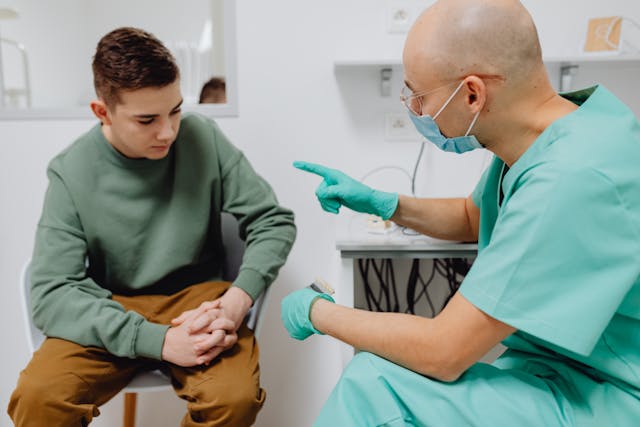
The turning point came when Harley’s symptoms became impossible to ignore. He developed blood in his urine, a sign that alarmed his family instantly. This was no longer something that could be explained by training or a minor infection. His father rushed him to Royal Bolton Hospital, desperate for answers. Once doctors ran tests, the diagnosis arrived with devastating speed. Harley had advanced leukemia, and there was already internal bleeding affecting his brain and organs.
Within a day, he was gone. Those who loved him went from hearing that his pain might come from growing bones to hearing that his body was full of malignant cells. The emotional whiplash of that shift is hard to grasp from the outside. It shows just how fast leukemia can move once it reaches a critical point. Additionally, it reveals how important every earlier appointment and every earlier symptom can be when pediatric leukemia symptoms first appear. For Harley’s family, time can never be rewound.
How Leukemia Misdiagnosis Happens in Active Teens

Leukemia develops inside the bone marrow, changing the way blood cells are produced. In the early stages, the signs can be extremely vague. Teens feel tired, pick up infections, complain of aches, or seem slightly off their usual energy. For an active athlete, those signals often blend into normal life. Sore legs can feel like the price of a tough match. Bruises can look like the result of sliding tackles. Fatigue can be blamed on late nights and early mornings. Ultimately, this overlap between serious disease and everyday discomfort sits at the heart of many examples of leukemia misdiagnosis. So, how can something so serious be so easily overlooked?
Well, doctors have to juggle busy schedules, short appointment times, and a long list of common childhood illnesses. Parents arrive with children who have fevers, coughs, stomach bugs, or minor injuries. In a busy clinic, a teenager’s vague aches and tiredness may be overlooked or thought to be caused by something commonplace. The danger comes when worrying symptoms do not improve, yet everyone keeps relying on the original diagnosis. Each missed chance to investigate properly quietly narrows the window for early detection. According to the American Cancer Society, “Many of the symptoms of childhood leukemia are not specific to leukemia and could be caused by other things.”
What Leukemia Does Inside a Young Person’s Body
Image Credit: Pexels
Inside the bone marrow, leukemia pushes the body’s delicate balance of cell production off course. Instead of making healthy white cells, red cells, and platelets in a steady rhythm, the marrow starts producing large amounts of immature blast cells. These blasts do not fight infection properly, yet they occupy space and resources. Over time, the number of normal blood cells falls. That is why children and teens with leukemia can become pale, bruised, breathless, and prone to infection. Specialist cancer groups explain that these changes often appear together in complex ways.
Less red blood means less oxygen reaching muscles and organs, which can leave a teen feeling drained even after moderate effort. Fewer platelets mean that minor knocks produce large bruises or nosebleeds that seem difficult to control. Faulty white cells weaken the immune system, so infections hang around or keep returning. Pediatric leukemia symptoms can therefore look like separate problems scattered across the body, when they actually share one source deep in the marrow. That complexity helps explain why early stages can slip past both parents and professionals. As the American Cancer Society explains, “When leukemia occurs, cancer cells multiply in the bone marrow. As the cancer cells build up, they crowd out the normal cells.”
Warning Signs of Leukemia in Teens That Need Urgent Checks

Although every teen is different, certain patterns should always raise concern. Long-lasting fatigue that does not match a teen’s activity level deserves attention. So does pain in bones or joints that disturbs their sleep or changes how they walk. Unexplained bruising on unusual parts of the body, such as the back or stomach, should also raise questions. If infections keep returning or last far longer than usual, families should treat that combination with seriousness. Cancer organizations stress that no single symptom proves leukemia.
However, they also stress that persistent combinations should not be ignored. Parents who notice pale skin along with breathlessness, or frequent fevers along with new bruising, can record those patterns and timelines. Bringing that written record to a doctor can help speed up the diagnosis. It can support requests for basic blood tests, which often provide the first clear signal that something more serious than a simple virus is happening inside the body. As the National Cancer Institute notes, these symptoms “may be caused by problems other than ALL (acute lymphoblastic leukemia). The only way to know is for your child to see a doctor.”
When Parents Feel Unheard: How to Advocate Without Panic

Image Credit: Pexels
Many parents know the uncomfortable feeling of leaving a clinic with lingering doubt. The doctor’s words may initially sound reassuring, yet something in the child’s behaviour does not match the explanation. In Harley’s case, his family trusted that “growing pains” meant he was safe, until later signs forced a return to the hospital. Families cannot turn back time, but they can learn from such stories when facing future decisions. If a child continues to experience pain, fatigue, or other worrying symptoms, parents have every right to return for another opinion. Advocating for a child does not mean attacking doctors. It means calmly stating what has changed and what still seems wrong.
Parents can say how long symptoms have lasted, how they affect school or sport, and what new signs have appeared since the last visit. They can ask directly about blood tests or referral to a specialist. Organizations that support children with cancer often encourage caregivers to trust their instincts when patterns feel troubling. That balance between respect for medical expertise and protection of a child’s wellbeing can feel difficult, yet it plays a crucial role in preventing leukemia misdiagnosis. As one case report in Acta Medica Iranica put it, “It is important for physicians to recognize the skeletal manifestations of acute leukemia of childhood because a delay in diagnosis has an adverse effect on survival.”
What Doctors Can Learn From Cases Like Harley’s

Healthcare professionals carry heavy workloads and must make quick judgments daily. Many will see dozens of children with minor infections before encountering one child with leukemia. Still, cases like Harley’s invite an uncomfortable question. Could the outcome have changed if blood tests were ordered earlier, or if pain was not framed so quickly as normal growth? Honest reflection on that question may help shape future practice in primary care settings.
Some pediatric oncologists suggest that doctors should treat certain clusters of symptoms as automatic triggers for blood work. Persistent bone pain, unexplained bruising, and repeated infections fall into that group. When these signs appear together, especially in a teenager who seems unusually weak or pale, routine blood counts can provide important clarity. They do not diagnose leukemia on their own, yet they can flag abnormalities that justify urgent referral. The goal is not to turn every sore teenager into an oncology patient. The goal is to make sure that warning signs of leukemia in teens pass through fewer unexamined checkpoints before reaching specialist care.
Read More: Misdiagnosed as a Cold: The Deadly Infections Doctors Can Still Miss
The Emotional Weight of a Sudden Leukemia Diagnosis

Image Credit: Pexels
Behind every medical term sits a family trying to hold itself together. For Harley’s loved ones, the shift from “he has growing pains” to “he has advanced leukemia” felt brutal and sudden. They had no time to prepare, no long path through treatment, and no series of gradual updates. Instead, they were asked to absorb a life-changing diagnosis and a death almost at the same moment. Grief in such situations often includes a sharp sense of disbelief. The final days do not align with the memory of a healthy teenager laughing with friends on the field.
Communities also struggle with these losses. Teammates may start questioning their own aches and fatigue, unsure where normal ends and danger begins. Coaches and teachers may replay small moments in their minds, wondering whether they missed signs of distress. These reactions are natural. They show how a single case of pediatric leukemia symptoms and misdiagnosis can ripple far beyond one family. They also demonstrate why responsible awareness, not fear, is so important in schools and sports clubs where teens spend much of their time.
Turning Tragedy Into Awareness and Better Protection for Teens
Nothing can make the loss of a young life feel acceptable. Harley’s story will always be about a boy who deserved more years, more matches, and more ordinary days with his friends. Yet his experience can still guide how families, schools, and doctors respond when symptoms seem confusing or easy to dismiss. It reminds communities that leukemia misdiagnosis often begins with very ordinary complaints, especially in teenagers who spend hours training and competing. It shows how phrases like “growing pains” can soften concern, even when the body is sending louder signals beneath the surface.
For parents, the takeaway is not to panic at every bruise or sore muscle. Instead, it is to watch patterns over weeks and listen closely when a teen says that pain feels different, new, or unbearable. Keeping notes about symptoms can help turn vague worry into clear information for doctors. For doctors, the lesson lies in pairing clinical experience with a low threshold for simple tests whenever pediatric leukemia symptoms start to cluster. For schools and sports clubs, it involves building cultures where teens feel safe speaking about pain and fatigue, instead of hiding weakness to keep their place on the field. Harley’s life was rich and full, even though it ended far too soon. If his story helps one more teenager receive an earlier diagnosis, a timely referral, and a real chance at successful treatment, that will be a powerful legacy drawn from heartbreaking loss.
Disclaimer: This information is not intended to be a substitute for professional medical advice, diagnosis or treatment and is for information only. Always seek the advice of your physician or another qualified health provider with any questions about your medical condition and/or current medication. Do not disregard professional medical advice or delay seeking advice or treatment because of something you have read here.
All images used are for representational purposes only and may not depict actual events or persons
Read More: These Foods Could Be Fueling the Surge in Early-Onset Colorectal Cancer Among Women