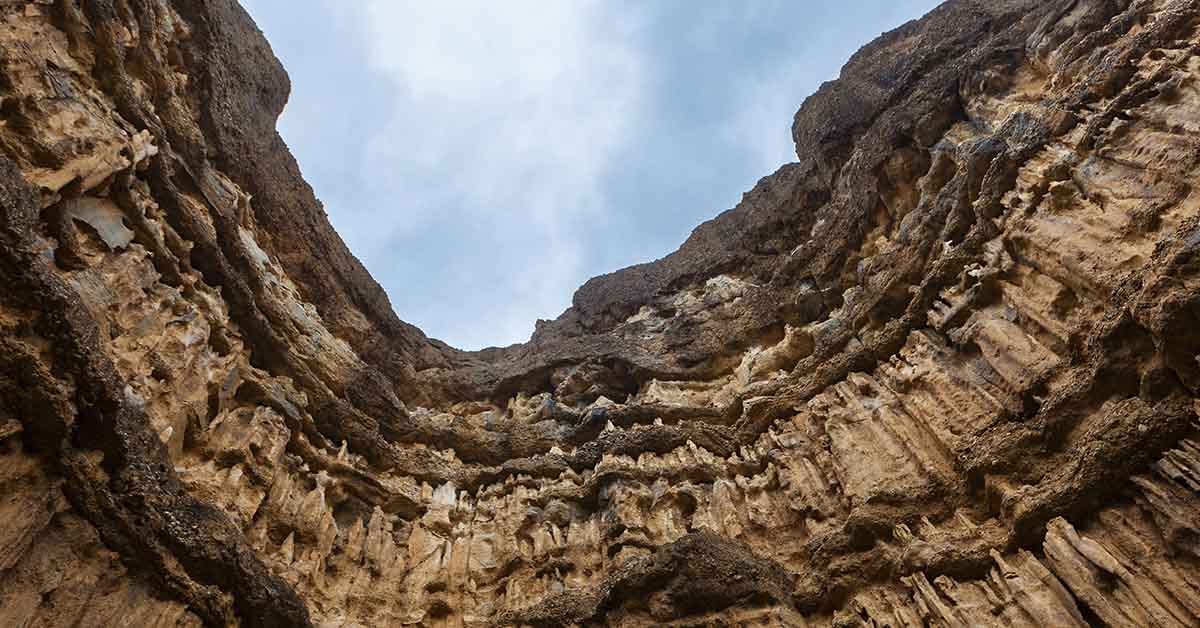

What started as a thrilling family adventure to the summit of California’s Mount Whitney quickly turned into a terrifying ordeal. Zane Wachs, a 14-year-old boy with a love for the outdoors, set off with his father in June 2024 to hike the tallest peak in the continental United States. They looked forward to the challenge, unaware of the hidden danger lurking at high altitude.
As they climbed toward the 14,505-foot summit, Zane began to act strangely. At first, he seemed tired. Then he grew confused. Near the top, he said he wanted to take a nap. Within moments, he stood, walked toward the edge, and stepped off a 120-foot cliff.
His father, Ryan Wach’s, could only watch in horror as his son disappeared out of sight.
Zane survived the fall, but his injuries were severe. Doctors placed him in a medically induced coma. His shocking behavior wasn’t caused by exhaustion or clumsiness. Instead, it was triggered by a rare and life-threatening condition called High-Altitude Cerebral Edema (HACE). His story now serves as a powerful reminder of the serious risks that come with hiking at high elevation, especially without proper acclimatization.
A Sudden Shift on the Mountain
Zane Wachs and his father, Ryan, began their hike early in the day, planning to complete the 22-mile round trip to Mount Whitney’s summit in a single push. While many hikers attempt the same feat, the fast ascent offers little time for the body to adjust, and that can be dangerous.
At first, everything seemed normal. Zane handled the lower sections of the trail without issue. But as they climbed higher, signs of trouble appeared. He began to slow down, lost focus, and seemed disoriented. He told Ryan he was seeing faces and strange images in the snow and lakes around them, clear signs that something was seriously wrong.
Concerned, Ryan urged Zane to rest. They stopped so he could take a short nap, hoping it would help him regain his focus and strength. After the break, they continued down the mountain. But Zane’s condition quickly deteriorated.
Moments later, without hesitation or emotion, Zane stood up, walked calmly to the edge of a cliff, and stepped off.
Ryan stood frozen in horror as his son vanished over the side. Miraculously, a ledge broke Zane’s fall and likely saved his life. A trained EMT, also hiking the mountain, rushed to assist and helped stabilize him. For six agonizing hours, they waited for help. Finally, a rescue helicopter arrived and airlifted Zane to a nearby hospital. Despite his injuries, doctors were able to stabilize him.
A Father’s Devastating Perspective
In the days following the incident, Ryan Wach’s opened up about the horrifying experience. He wanted others to understand how quickly things can go wrong at high altitudes.
“He wasn’t himself,” Ryan said. Zane didn’t appear panicked or afraid. His face was calm. His movements were slow and deliberate. That’s what made the moment so haunting.
Zane Wach didn’t cry out. He didn’t stumble. He simply walked off the edge, as if in a dream.
What Ryan witnessed wasn’t a tragic accident in the usual sense. It was the terrifying result of Zane’s brain no longer functioning properly, a silent warning missed in real time.
What Is High-Altitude Cerebral Edema (HACE)?
HACE is a severe and potentially fatal form of altitude sickness. It occurs when the brain swells due to a lack of oxygen, a condition known as hypoxia. At elevations above 8,000 feet, oxygen levels drop sharply. By the time hikers reach Mount Whitney’s summit, the available oxygen is only about 60% of what’s found at sea level.
While many people experience mild symptoms of altitude sickness, such as headaches, nausea, or dizziness, HACE represents a dangerous escalation. It can develop within hours and quickly impair brain function.
Common signs of HACE include:
- Intense headaches
- Poor coordination or clumsiness
- Confusion or memory issues
- Hallucinations
- Nausea or vomiting
- Drowsiness or loss of consciousness
If left untreated, HACE can lead to coma or death. Immediate descent is the only reliable treatment. Supplemental oxygen and medications like dexamethasone may also help in the early stages.
Why Zane Wach Was Especially Vulnerable
Zane and his father tackled Mount Whitney in a single day. While this is a common approach, it offers little time for the body to adapt to the thin air. Most experts recommend spending at least one or two nights at moderate elevation to allow for acclimatization.
Zane’s youth may have made him even more vulnerable. Teens often don’t recognize or describe symptoms clearly. To a parent, tiredness or crankiness may seem harmless. But in high-altitude conditions, those signs can be early warnings.
Zane’s behavior, confusion, sluggishness, and altered speech, clearly pointed to trouble. Unfortunately, the symptoms were subtle enough to go unnoticed until it was too late.
Read More: Woman’s Head ‘Reattached’ After Internal Decapitation Caused By Freak Gym Accident
How to Recognize and Prevent HACE
Awareness is the most powerful tool when hiking at high elevations. While not every hiker develops HACE, the condition can strike without much warning, which happened in Zane Wach’s case.
Here’s how to stay safe:
- Ascend slowly. Limit daily elevation gain to no more than 1,000 feet once above 8,000 feet.
- Take rest days. Build in time for your body to adjust, especially before reaching 10,000 feet or higher.
- Monitor your group. Check in often. Confusion or unusual behavior is a serious sign.
- Don’t dismiss symptoms. Headaches, loss of balance, and odd speech are not normal at high altitudes.
- Descend immediately. If you suspect HACE, go down, fast. Delay can cost lives.
- Carry emergency supplies. Portable oxygen and altitude sickness medication can buy valuable time.
Above all, trust your instincts. If someone seems off, take action. It’s always better to turn back than to risk a medical emergency.
Zane’s Condition and the Road Ahead
As of now, Zane remains in a coma. His doctors continue to monitor his condition closely. The extent of his long-term recovery is still unknown. However, the fact that he survived the fall is remarkable.
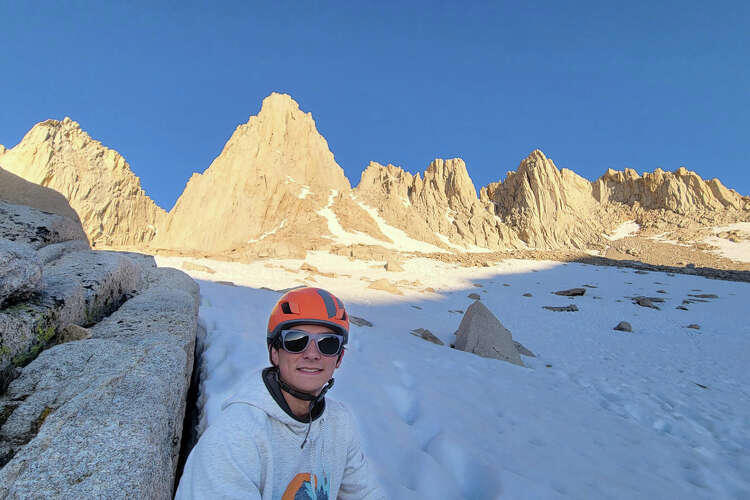
His family continues to hope for the best. In the meantime, they’ve chosen to speak out, not for attention, but to educate others. Ryan wants people to understand how quickly HACE can take hold and how important it is to recognize the signs before it’s too late.
A Tragedy That Could Save Lives
Zane Wach’s fall wasn’t just a tragic accident. It was a preventable medical emergency that escalated in a matter of minutes. His story serves as a stark reminder that even experienced hikers are not immune to the dangers of high altitude.
Mountains can be breathtaking, but they demand respect. The air thins, the pressure drops, and the body struggles to keep up. Without proper preparation, a scenic hike can turn into a life-threatening situation.
By sharing Zane’s story, his family hopes to prevent future tragedies. Their message is clear: know the signs, move slowly, and never take unusual behavior lightly. One informed decision can save a life, maybe even your own.
Read More: Man ‘Declared Dead’ After Freak Accident on Boys’ Trip Recalls Haunting First Memory