The Black Tiger of Similipal: The Photo That Made National Geographic History
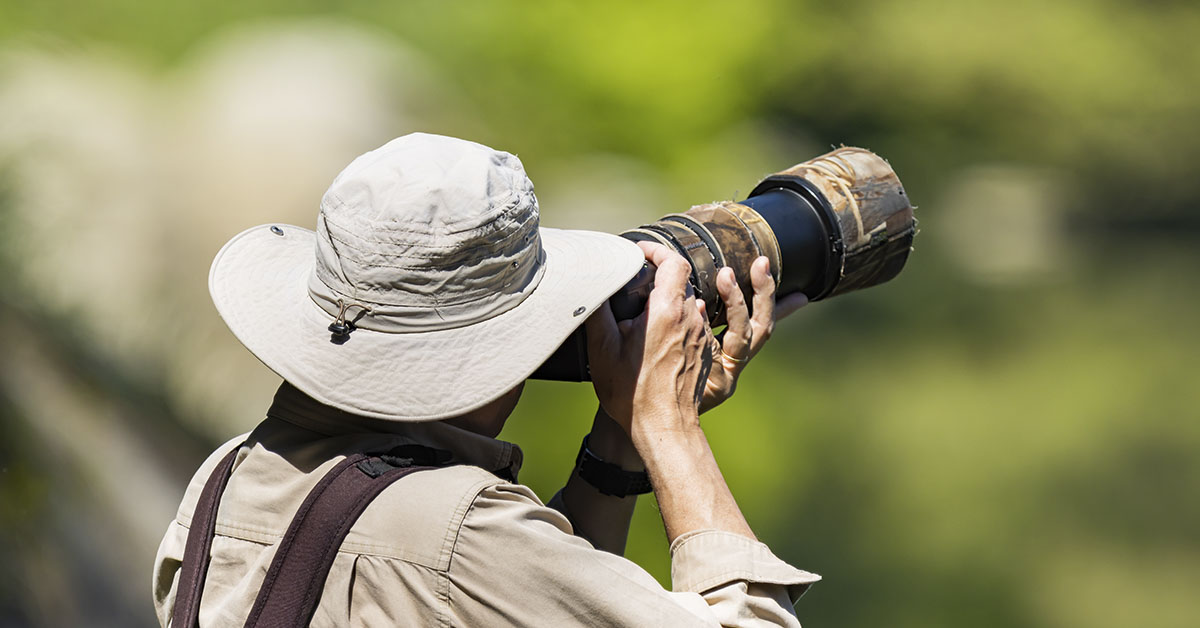
High-quality wildlife photography can make far-off nature feel up-close and personal. Most individuals never see dangerous predators like tigers in their natural habitat, but through pictures and videos, they can feel connected to big cats and be inspired to learn more about them. But wildlife photography is far from simply wandering through a jungle with a camera. It took National Geographic Explorer and photographer Prasenjeet Yadav about four months to track, study, and photograph the rare black Bengal tigers in India’s Simlipal National Park. His efforts were rewarded when one of these stunning images became the cover of the October 2025 issue of National Geographic.
Prasenjeet Yadav said the awe-inspiring photoshoot far exceeded his exceptions. Credit: Instagram
The Similipal Tiger Reserve is a national park filled with forests, hills, rivers, grasslands, and more. It supports over a thousand plant species, including 94 species of orchid, according to WWF. Some of India’s most endangered species live there, including Asian elephants, gaur, pangolins, fishing cats, mugger crocodiles, and king cobras.
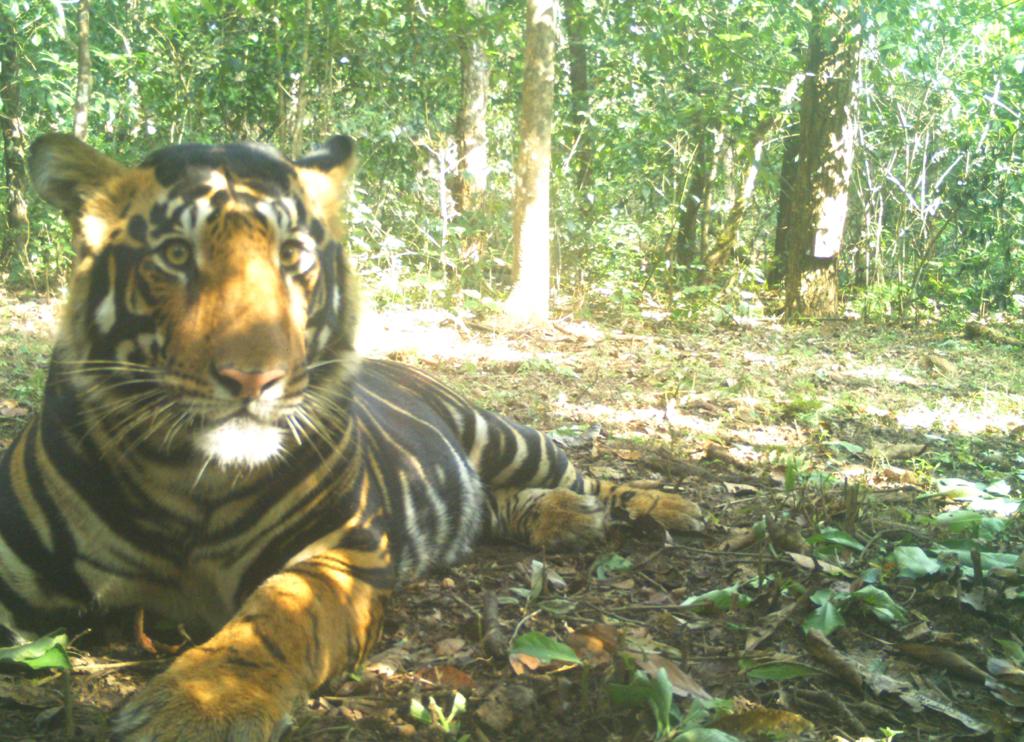
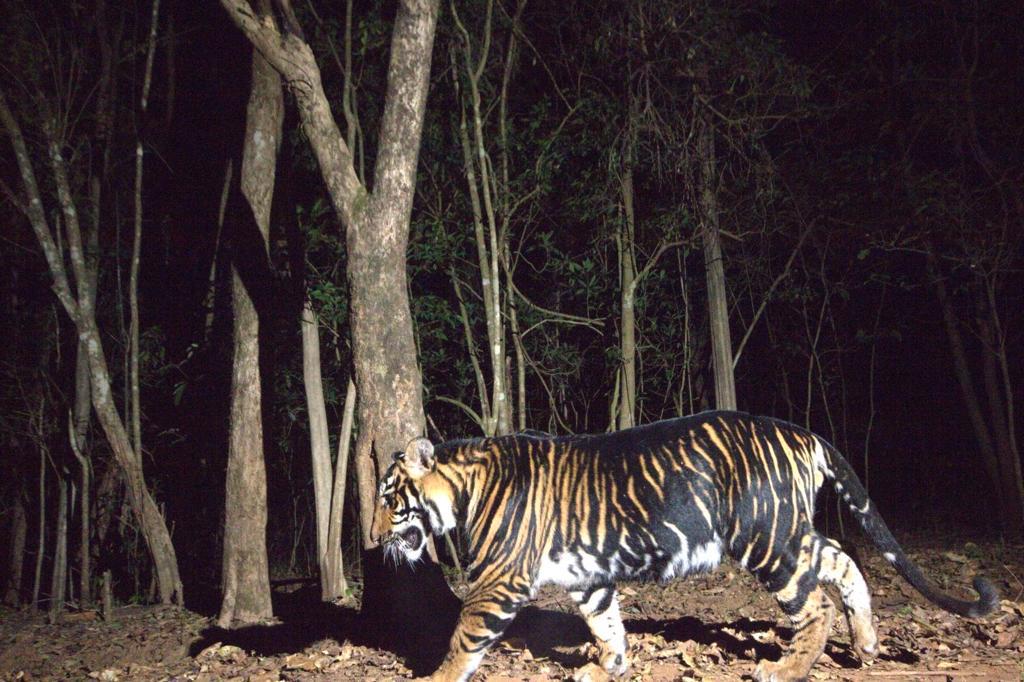
Most notably, Similipal Tiger Reserve is the home of a very rare form of Bengal tigers. About half of the population has pseudo-melanism, a genetic mutation that enlarges their black stripes. Some have more black fur than orange or white, earning the nickname of“black tigers”. However, the reserve is massive, which makes these big cats even harder to locate. It took Yadav and his team about 120 days of tracking and studying before the final masterful photoshoot. The researchers included forest officials and genetic experts trying to uncover a mystery about how these tigers change their stripes.
Before he was a photographer, Yadav was a molecular biologist in India’s National Centre for Biological Sciences. That’s where he first learned about the black tigers. He eventually left his position to pursue wildlife photography and filmmaking. Interestingly, his former lab uncovered the reason behind the black tigers. In a 2021 study led by the team at the National Centre for Biological Sciences, they uncovered how the tigers at the Similipal reserve were inbred, leading to their genetic mutations. The scientists also tested DNA samples of tigers outside of the reserve, and remarkably, none had any copy of this mutation. This emphasizes the true uniqueness of these black tigers. However, it’s unclear if the genes are causing effects aside from the stripes. Or what might happen with future generations of inbreeding.
Meeting the Famous T12
Some Similipal tigers have more black fur than white or orange because of a genetic mutation. Credit: Naveen Patnaik
Yadav noticed another difference between black tigers and their outside brethren. Overall, Yadav finds tigers “generally not very camera shy. They’re usually more curious than scared,” he explained in aninterview with National Geographic. But black tigers were skittish and avoided the cameras because of their human scent. Yadav used his previous experience photographing snow leopards to create a plan. “What I started doing is hiding those cameras and leaving one camera on the trail, but at the same time adding another camera at [an] unexpected place every time.” So every time a tiger would pass by the trail (about every 15 to 18 days), he would “change the locations of the cameras.”
Although Yadav is the credited photographer of this shoot, he’s quick to acknowledge the rest of his crew, such as the local field team, the Odisha forest department, researchers from the Wildlife Institute of India, and National Geographic photo engineer Tom O’Brien. Much of the time was spent waiting and listening to the natural surroundings for tiger calls.
On one noteworthy occasion, Yadav came face-to-face with the most famous tiger in the Similipal Tiger Reserve. “It was late in the afternoon of day 50 when, in the blink of an eye, a dark shape dashed out in front of our pickup truck,” he wrote on National Geographic. He immediately stopped to see T12, the eldest male black tiger. The 10-year-old big cat is so elusive that most people in the forest department have never seen him. And while Yadav was tracking and photographing, other research teams worked on a breeding program that brought mates from outside of Similipal for T12 and others in his gene pool.
For now, researchers don’t know if the mutation causes anything aside from the enlarged stripes.Credit: Naveen Patnaik
Wherever he went, Yadav carried his camera at hand, just in case. After 120 days, his efforts paid off when he came across a black tiger and photographed the October cover of National Geographic. This was a lifelong dream of Yadav, and he is grateful to bring attention to the rare black tigers.“From the story point of view, I’m genuinely happy… because this story deserves that kind of attention.”
Yadav added that he never imagined capturing such a stunning image. “…I had a photo in my mind, but the one that we got on the [second to last] day was way better than the one that I ever imagined. I know I’m not very spiritual, but that day I felt extremely spiritual… This is Similipal’s blessing to me. It has seen me work hard for [the] last 120 days and this is how it is saying goodbye to me.”