

The Human papillomavirus (HPV) is now considered the main cause of the majority of throat cancers in many countries. Additionally, oral sex has been found to be a major route of HPV transmission to the mouth and throat. Studies have revealed that having more than 10 oral sex partners throughout your life increases your risk of developing HPV-positive oropharyngeal cancer. The majority of individuals who get oral HPV clear it naturally within one to two years. However, a small fraction develops persistent infection that can subsequently lead to cancer years later. The good news is that HPV vaccination is safe and highly effective. In this article, we will take a thorough look at the link between oral sex and throat cancer, examining how oral cancer increases risk and who is most affected.
The Link Between HPV and Throat Cancer
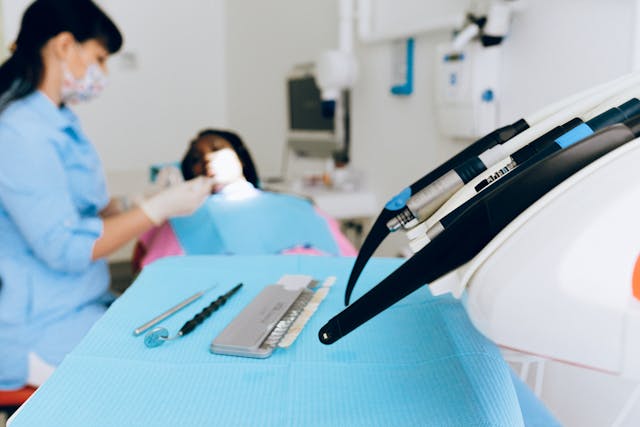
When people think of oral cancers, they usually think of cancers resulting from the use of tobacco and alcohol. However, there is also HPV-positive oropharyngeal cancer, which results in tumors in the back of the throat, including the tonsils and base of the tongue. This is actually a subset of head-and-neck cancers and is biologically distinct from mouth cancers that result from the use of tobacco and alcohol. Currently, most oropharyngeal cancers in the United States (around 70%) are caused by HPV, with a large percentage caused by HPV-16.
The oropharynx contains folded pockets of lymphoid tissue, deep tonsillar crypts where HPV can hide from the immune system. That’s one reason infections can persist and, in some cases, lead to cancerous changes many years later. HPV is a very common virus, and many sexually active individuals are exposed to it at some point in their lives. While most people’s immune systems get rid of the infection within a couple of years, a minority who experience persistent infection have a greater chance of eventually developing cancer. This is because oral sex is a very efficient way for HPV to be transmitted to the throat.
The best long-term studies we have indicate a dose-response relationship with exposure. For example, a 2007 NEJM case-control study found that individuals with up to six oral sex partners throughout their lifetime had around 3.4 times higher risk. They additionally found that the trend increased with partner number. A subsequent study published in CANCER (American Cancer Society journal) found that having up to 10 prior oral-sex partners was associated with around 4.3 times higher risk. However, this doesn’t mean oral sex causes cancer in a deterministic way. Rather, it increases the chances of acquiring an infection that can evolve into cancer if persistent.
Who Is Most at Risk?

Men bear the greatest burden of HPV-positive oropharyngeal cancer, typically developing the disease roughly four times the rate of women. Furthermore, incidence has risen sharply over the past two to three decades, even as smoking-related head-and-neck cancers have dropped. The suggested reasons for men being more susceptible include greater oral HPV prevalence and potentially weaker immune responses to oral HPV.
According to the CDC, around 48,000 cancers each year occur in parts of the body where HPV is often found. They also noted that oropharyngeal cancers are the most common HPV-associated type of cancer among men. Globally and in the UK, the share attributable to HPV varies by region, but the direction of travel is similar. While oral sex increases exposure, there are other factors that influence whether infections subsequently persist and progress. These factors include age, immune status, heavy tobacco and alcohol use, and risky sexual behavior.
The Symptoms and Prognosis
The symptoms of HPV-related oropharyngeal cancer can often be subtle. These symptoms typically include a long-lasting sore throat, ear pain, hoarseness, trouble swallowing, a neck lump, or unexplained weight loss. The neck lump is typically a one-sided, swollen lymph node that slowly enlarges and doesn’t resolve. Anything found in the mouth that won’t heal also indicates an issue. This includes ulcers that persist up to 3 weeks, red or white patches, and a lump in the mouth or base of the tongue.
Some people have no early symptoms, which is why you should have a medical evaluation if you notice persistent changes. Currently, there is no validated routine screening test for oropharyngeal cancer. Therefore, regular dental/medical exams, along with timely evaluation of concerning symptoms, are still the best approach. Some centers now use circulating tumor DNA assays for surveillance after treatment, which can recur later than cancers related to smoking. The good news, though, is that HPV-positive oropharyngeal cancers generally have better outcomes than HPV-negative tumors.
People with HPV-linked throat cancers usually do better after treatment. In fact, they’re more likely to stay cancer-free for at least five years. So, how big is the actual risk of developing this type of cancer? Well, to put it simply, the risk is relative and unfolds over decades. Around 10% of men and 3.6% of women have detectable oral HPV at any given time, but most people’s bodies naturally clear it out. Only a small fraction of those individuals with persistent high-risk infection will actually develop cancer years later. In the U.S., roughly 70% of oropharyngeal cancers are linked to HPV; in the UK, estimates are lower at around 50%. Basically, for any one person, absolute risk remains low, but at a population level, rising exposure has started to shift.
Do Vaccines Help?

Yes, very much so. In fact, vaccination is considered our strongest tool. The current 9-valent HPV vaccine targets HPV-16 and other high-risk types. Real-world studies have revealed dramatic declines in vaccine-type infections and precancers, and emerging data suggest fewer oral HPV infections among those vaccinated. While it will still take years to see the full impact on oropharyngeal cancer incidence rates, all signals are currently pointing in the right direction. Kids should get the HPV vaccine at around 11 to 12 years old, but can still get “catch-up” shots anytime up to age 26 if they missed it.
If you are aged 27 through to 45, talk to your doctor about whether it makes sense for you, especially if you have new sexual partners. The vaccine works best before you’re exposed to HPV, so it is best to get it before sexual activity begins. The bottom line is that these vaccinations work. Additionally, ongoing studies are clarifying the degree to which this translates into fewer oropharyngeal cancers over time.
How Oral HPV Turns Into Cancer
The pathway from an oral HPV infection to cancer is slow and uncommon, but it follows a recognizable pattern. First comes exposure, often during oral sex or close mouth-to-genital contact. Tiny micro-tears in the mouth or throat lining let the virus reach basal cells inside the tonsillar crypts, which are deep folds of lymphoid tissue at the back of the throat. These crypts serve as a kind of hideout. Their reticulated epithelium and nearby immune activity can paradoxically allow the HPV to evade detection, which enables any infection to persist. With high-risk types, especially HPV-16, persistent infection can lead to viral genes E6 and E7 switching on.
These oncoproteins disable p53 and Rb, two of the cell’s main tumor-suppressor brakes. Over many years, the loss of control allows additional DNA damage to start to accumulate. Cells begin to grow abnormally, and precancerous changes progress to oropharyngeal cancer. This quiet interval between infection and a detectable tumor often spans a period of 5 to 20 or more years. The additional factors discussed earlier, such as smoking, heavy alcohol use, poor oral health, and immune suppression, increase the odds that a long-standing infection will advance. It’s important to keep in mind that the majority of HPV infections don’t ever reach this stage.
Methods of Prevention
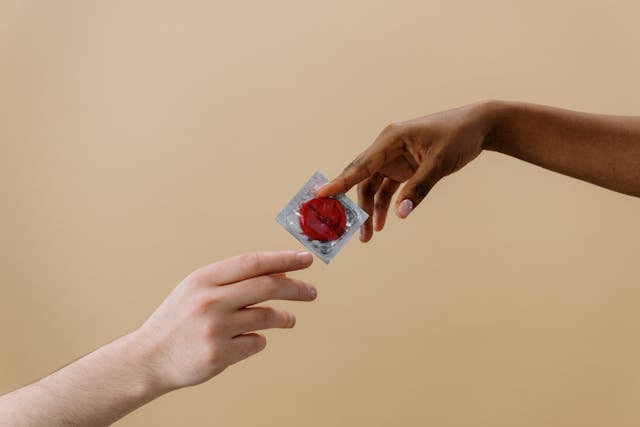
Condoms and dental dams reduce HPV transmission during oral sex, but they don’t eliminate risk because HPV can infect areas that are not covered by barriers. Still, they do serve as a pragmatic harm-reduction tool. Tobacco and alcohol use raise the odds of acquiring or sustaining oral HPV and may worsen your outcomes. Significantly cutting back on these substances or quitting them entirely is protective for multiple reasons. Furthermore, chronic inflammation and poor oral hygiene have been associated with higher oral HPV prevalence in some studies. Easy-to-implement strategies that could help include going for regular dental care check-ups and treating any periodontal disease.
What about if your partner has HPV-positive throat cancer, will you get it too? Well, partners may have a slightly higher risk of oral HPV, but the absolute risk of developing the cancer remains low. At the moment, there is no recommendation to change relationships or sexual activity solely based on a partner’s diagnosis. However, you should consider vaccination if eligible and keep up with your medical and dental checks. Oral sex is not the only cause, though. HPV can also be transmitted through any close skin-to-skin sexual contact, including genital-genital and manual-genital contact. Yet, oral sex remains a particularly efficient route to the throat.
The Latest Research on the Link Between Oral Sex and Throat Cancer

HPV is a very common, skin-to-skin transmitted virus with more than 200 known types. Around about 40 different types prefer the anogenital and throat areas. They are divided into low-risk and high-risk groups, with low-risk groups including those that can cause warts (types 6 and 11) and high-risk risk including those that lead to cancers. Among the high-risk group, HPV-16 is the biggest driver of throat cancers, followed by types like 18, 31, 33, 45, 52, and 58. The main problem is the persistence of infection, as it raises the risk of precancerous changes over time. Vaccination with the 9-valent HPV vaccine protects against the major high-risk types (including 16 and 18) and the two low-risk wart types
Recent studies continue to confirm the association between higher numbers of oral-sex partners and HPV-positive oropharyngeal cancer. These studies have shown particular concern in groups where vaccine uptake is low. Furthermore, large multi-country analyses reveal that men remain most susceptible to new oral HPV infections throughout life. Additionally, they found that alcohol use and risky sexual behavior patterns add measurable risk. A 2025 JAMA Network Open analysis also showed that many patients with oropharyngeal cancer still haven’t been tested for their HPV status. The WHO and several countries have embraced single-dose vaccine strategies in an attempt to expand coverage. So far, the immunogenicity and effectiveness data have proven to be strong, especially in adolescents. Early real-world analyses in men also suggest reduced head-and-neck cancer incidence among those vaccinated.
What You Can Do Right Now To Lower Your Risk
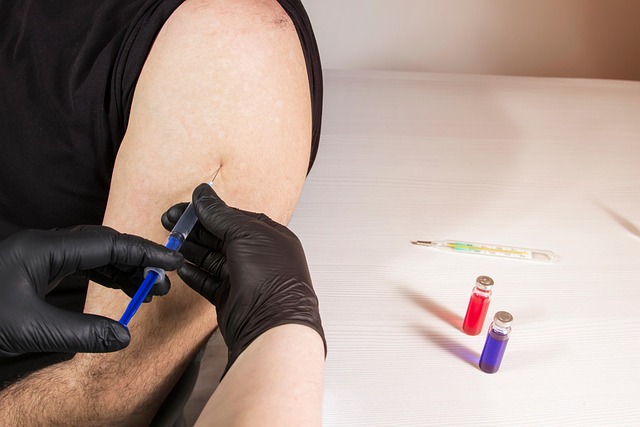
When it comes to your kids, you should aim to complete their HPV vaccination before they become sexually active. You can have your child vaccinated from the age of 9 onwards. In the United States, catch-up through age 26 is recommended, and ages 27 to 45 may also benefit, depending on future exposure. Having fewer total partners lowers cumulative exposure, especially unprotected oral sex. Barriers such as dental dams and condoms may reduce risk, but don’t totally eliminate it.
Furthermore, you should start to prioritize your oral health in general and go for regular dental check-ups. Be proactive when it comes to looking for symptoms, and don’t just wait around for lumps to arise before doing anything. See a clinician for persistent sore throat, one-sided ear pain, trouble swallowing, voice changes, or a painless neck lump lasting more than 2 to 3 weeks. There’s no routine screening test; therefore, vigilance is key! It is also important to follow up after treatment, as HPV-related throat cancers can recur later than smoking-related disease. Some centers now use ctDNA to detect any potential recurrence earlier.
Celebrities Whose Public Disclosures Have Helped Raise Awareness

Public disclosures by various well-known figures have helped push HPV and oropharyngeal cancer into the mainstream conversation over the last decade or so. In 2013, Michael Douglas told The Guardian that his throat cancer was linked to HPV acquired through oral sex, drawing huge attention to the issue. A couple of years later, he said he regretted the embarrassment his comments caused his family, but the interview helped spotlight HPV-16’s role in modern throat cancers. The lead singer of Iron Maiden, Bruce Dickinson, has repeatedly said he believes his tongue/throat cancer was caused by HPV rather than smoking or alcohol.
He also spoke about the sharp rise of these cancers in men over 40, suggesting that they become more aware of this issue. Actor Stanley Tucci has also openly described his diagnosis. He spoke about how doctors found a tumor at the base of his tongue and the grueling treatment that followed. This included months of living with a feeding tube and long-term changes in his swallowing. Marcia Cross of Desperate Housewives revealed an HPV-related anal cancer in 2018 and has said physicians suspected the same HPV type was behind her husband Tom Mahoney’s throat cancer. She has since become a prominent advocate for HPV education and vaccination, using her platform to reduce stigma and promote prevention.
The Bottom Line

Before we wrap this article up, there are a few important things to keep in mind. First off, HPV isn’t spread by casual contact such as sharing utensils, hugging, or kissing relatives. It’s mainly from sexual, skin-to-skin transmission. Second, seeing your dentist is an important part of detection. Be sure to ask yours to check the tonsils and base of tongue during routine exams, especially if you’ve noticed a new lump or lingering sore throat. There’s currently no proven home screening for throat cancer yet, so symptom awareness still matters! Let’s end off by talking about vaccines. There is much fear and misinformation surrounding the topic of vaccines at the moment. However, the HPV vaccine has one of the best safety records in modern medicine and has already driven down vaccine-type infections and precancers.
Additionally, many clinics and public programs offer low- or no-cost vaccination if price is an issue. Lastly, for those recovering from treatment, swallowing therapy, nutrition support, and voice rehab can restore function and quality of life far beyond what most people expect. At the end of the day, knowledge, vaccination, practical harm-reduction, and timely care are powerful and are your best chances for a positive outcome. Many people aren’t aware of the link between oral sex and throat cancer, so share this article with those you love. While many celebrities have begun to speak out and share their personal journeys, the more voices that are heard, the better chances of everyone hearing them. You never know, it could be the nudge that prevents cancer years down the line.
Read More: ‘Universal’ Cancer Vaccine Shows Promise for Treating Multiple Forms, Enters Human Testing