
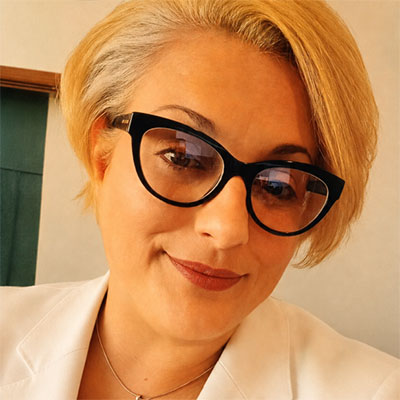
Pam Bondi had just been fired by the President of the United States. Within weeks, she was facing something far more personal than politics. The news of her thyroid cancer diagnosis landed quietly at first, slipping into headlines already crowded with Washington drama. But for millions of people who live with a small, butterfly-shaped gland doing enormous work at the base of their necks, her story hit differently.
Most people don’t spend much time thinking about their thyroid until something goes wrong. It sits just below the Adam’s apple, barely the size of a walnut, and yet it regulates your heart rate, your metabolism, your body temperature, and your mood. When cancer develops there, it can grow for months or even years before causing any obvious discomfort at all. That silence is part of what makes thyroid cancer signs so easy to miss.
Bondi’s case is a reminder that cancer doesn’t wait for a convenient moment. You can be in the middle of the most chaotic chapter of your professional life, and your body will still have its own timeline. Knowing what to watch for, what treatment looks like, and what you can do to protect yourself is information everyone deserves to have.
What Happened With Pam Bondi
Bondi was fired by President Trump on April 2 and replaced by Deputy Attorney General Todd Blanche, who has been serving in an acting capacity since her ouster. The political fallout from that dismissal dominated the news cycle for weeks. Bondi’s diagnosis surfaced at a moment of significant professional upheaval. Weeks earlier, Trump dismissed her from her role as attorney general, a move that followed months of tension over her handling of politically sensitive investigations, including the release of Epstein-related records.
Former Attorney General Pam Bondi was diagnosed with thyroid cancer after leaving the Justice Department in April, she told CNN. She said she underwent treatment, including having surgery a few weeks ago. Bondi told CNN she is still recovering and “doing well, though.”
According to Axios, which was first to report Bondi’s diagnosis, she will also have a new role in the administration, joining the Presidential Council of Advisors on Science and Technology. So while she heals, her professional life continues. That resilience mirrors what doctors consistently say about this type of cancer: for most people, life after diagnosis remains very much within reach.
How Common Is Thyroid Cancer, Really?
According to NCI SEER data, in 2026 it is estimated that there will be 45,240 new cases of thyroid cancer in the United States. That puts it firmly among the more commonly diagnosed cancers in adults, even if it rarely dominates public health conversations the way breast or lung cancer do.
The American Cancer Society reports that the average age at diagnosis is 51, and thyroid cancer is almost 3 times more common in women than in men. It is also one of the most common cancers in younger adults, especially women under 40. That age range matters because many women in their 30s and 40s don’t expect to be thinking about cancer at their annual checkup.
The good news is that outcomes are strong. The 5-year relative survival rate for thyroid cancer is 98.6% overall, and 99.9% for localized cases, according to the City of Hope Cancer Center. Early detection is not just reassuring on paper. It changes outcomes in a very real way.
Thyroid Cancer Signs You Should Know
One of the most clinically important realities of thyroid cancer is that many patients have none at all. A significant proportion of thyroid cancer diagnoses in the United States each year are made incidentally – a doctor ordering a neck ultrasound for a different concern, or a radiologist reviewing a chest CT, notices a suspicious thyroid nodule.
When thyroid cancer signs do appear, the most common presenting sign is a visible or palpable lump in the neck – a thyroid nodule that the patient or their physician can feel. The thyroid sits at the base of the throat, just below the larynx, and even small tumors in this location can sometimes be detected on physical examination. What’s notable is that this lump is often painless, which is why so many people dismiss it. As Dr. Christopher Marx, an endocrinologist at Scripps Health, puts it: “Most thyroid cancers are found by accident.” Someone may feel a lump in their own neck, but more often someone else points it out – a friend, a family member, or even a hairdresser or dentist – who notices a fullness in one side of the neck but not the other.
Beyond the lump, other thyroid cancer signs to watch for include a voice that becomes persistently hoarse without explanation, difficulty swallowing, swollen lymph nodes in the neck that should never be dismissed, a chronic cough not linked to a cold or allergies, and a sensation of tightness or pressure in the throat. None of these symptoms alone confirms cancer, but any one of them that persists for more than a few weeks deserves a conversation with your doctor. If you want broader context on how cancer can show up before people expect it, this guide from thyroid cancer survivors is worth a read.
Types of Thyroid Cancer
Not all thyroid cancers behave the same way, and knowing which type you’re dealing with shapes the entire treatment conversation. According to the American Thyroid Association, papillary thyroid cancer is the most common type, making up about 70% to 80% of all thyroid cancers. It can occur at any age and tends to grow slowly, often spreading to lymph nodes in the neck. That slow growth helps explain those strong survival statistics.
Follicular thyroid cancer is the second most common type. It’s more likely than papillary to spread through the bloodstream to distant organs like the lungs or bones, though it’s still considered highly treatable in most cases. Medullary thyroid cancer develops from the cells that produce calcitonin, a hormone involved in calcium regulation, and is sometimes linked to inherited genetic mutations. Anaplastic thyroid cancer is the rarest form but also the most aggressive, growing rapidly and proving harder to treat. The vast majority of people diagnosed with thyroid cancer will be dealing with the papillary type, which comes with an excellent prognosis.
Who Is at Risk?
Several risk factors for thyroid cancer are well-established. Exposure to radiation is the strongest known risk factor for papillary thyroid cancer, particularly in children. This includes both medical radiation, such as radiation therapy to the head and neck during childhood, and environmental exposures. People who received radiation treatment to the head, neck, or chest earlier in life carry a meaningfully elevated risk later on.
Iodine deficiency is also a risk factor for thyroid cancer, particularly for the follicular type. Family history matters too, especially for medullary thyroid cancer, which can run in families through specific genetic mutations. Obesity is linked to many chronic diseases and increased risk for numerous cancers, and it also increases the risk of thyroid cancer. Being female and being over 40 both raise baseline risk, though thyroid cancer can and does affect men and younger adults as well.
How Thyroid Cancer Is Treated
According to Scripps Health, surgery is the most common treatment for thyroid cancer, and depending on the stage and how far the cancer may have spread, physicians may use several surgical procedures. Surgical options include total thyroidectomy – removal of the entire thyroid gland – or a lobectomy, which removes only the affected lobe. The choice between them depends on the size and type of the tumor, and whether the cancer has spread beyond the gland.
After surgery, many patients receive radioactive iodine therapy, sometimes called RAI. This treatment kills thyroid cancer cells and any remaining normal thyroid cells left in the body after surgery. It works because thyroid tissue absorbs iodine naturally, allowing the radioactive version to target and destroy cancer cells with minimal effect on the rest of the body. If the thyroid must be completely removed, patients will take hormones to replace the gland’s natural function. These are typically taken daily for life, but most people adjust to this routine without difficulty. Targeted drug therapies and external beam radiation are also available for cases that don’t respond to other treatments or have spread more extensively.
Are there Complementary and Natural Approaches?
Complementary approaches don’t replace medical treatment, and any honest conversation about them has to start there. The American Thyroid Association notes that complementary medicine is defined as being used along with standard medical treatments, while alternative medicine is used in place of them. Anyone who suggests skipping surgery or radiation in favor of supplements alone is not giving you sound advice.
That said, holistic therapies like massage, acupuncture, and yoga can help manage symptoms and improve quality of life during treatment. Reducing treatment-related stress and improving sleep quality are both legitimate goals, and these practices support both. On the nutritional side, a balanced, nutrient-rich diet can support the immune system, help manage side effects, and maintain energy levels. Focusing on whole foods – plenty of fruits, vegetables, lean proteins, and healthy fats – is broadly recommended by oncology dietitians.
Selenium is a trace mineral essential for thyroid function. The American Thyroid Association notes that standard care for papillary or follicular thyroid cancer includes surgery, radioactive iodine, and thyroid hormone suppression therapy – and supporting that process nutritionally, including through selenium-rich foods like Brazil nuts, is a reasonable complementary step discussed with your care team. Vitamin D is another commonly cited nutrient for immune support, though patients should discuss supplementation with their doctor since individual needs vary widely. The goal with any complementary approach is to use evidence-informed tools to support your recovery, not to replace the treatment that’s actually working.
What You Can Do to Lower Your Risk
Prevention isn’t absolute with thyroid cancer, but there are concrete steps that shift the odds meaningfully. Diet, exercise, and the avoidance or cessation of smoking are all important, modifiable factors. These aren’t vague lifestyle suggestions – they are the levers you actually control.
Maintaining a healthy weight is one of the most actionable steps available. Research consistently links higher body mass index with elevated thyroid cancer risk, which means diet and exercise matter beyond general wellness. A well-rounded diet that includes fruits, vegetables, whole grains, fiber, well-sourced protein, and antioxidants supports healthy thyroid function over the long term. Iodine intake also deserves attention. Getting adequate iodine through diet – primarily from seafood, dairy, and iodized salt – helps support healthy thyroid function. Avoid unnecessary radiation exposure where possible, and if you have a family history of thyroid cancer, tell your doctor. Genetic counseling may be appropriate for certain inherited conditions.
Regular neck self-checks take about 30 seconds and cost nothing. Stand in front of a mirror, tilt your head back slightly, swallow some water, and watch the area just below your Adam’s apple for any unusual bulging or asymmetry. If you feel or see something that doesn’t look right, get it checked. Early-stage thyroid cancer rarely announces itself loudly. Your attention is often the first test it has to pass.
Read More: What It’s Really Like to Live with Hypothyroidism
The Bottom Line

Pam Bondi’s story moved quickly from political headline to personal health story, and that shift matters for everyone reading it. Thyroid cancer is both common and, in most cases, highly treatable. Most thyroid tumors grow slowly and respond extremely well to surgery, radioactive iodine, or other targeted therapies. A diagnosis is not a death sentence. For the vast majority of people, it is a manageable condition with a clear treatment path and a strong chance of full recovery.
Scripps Health reports that improved testing and growing awareness of symptoms have helped more people catch thyroid cancer earlier, when it’s highly treatable and before it can spread to other parts of the body. Persistent hoarseness, an unexplained lump in the neck, or swollen lymph nodes that stick around are not symptoms to wave away. If something feels off, ask. Schedule the appointment. The conversation with your doctor costs nothing. Waiting might.
Disclaimer: This information is not intended to be a substitute for professional medical advice, diagnosis, or treatment and is for information only. Always seek the advice of your physician or another qualified health provider with any questions about your medical condition and/or current medication. Do not disregard professional medical advice or delay seeking advice or treatment because of something you have read here.
AI Disclaimer: This article was created with the assistance of AI tools and reviewed by a human editor.