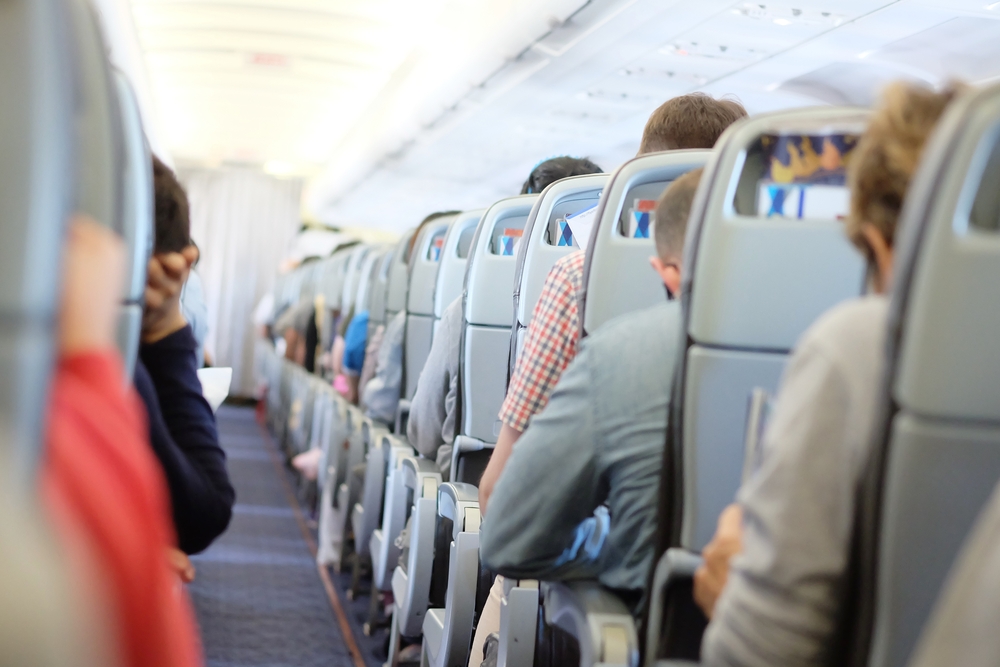

You’ve probably settled into your airplane seat, clicked your seatbelt, and then – almost involuntarily – looked down at the tray table in front of you and wondered exactly what you were dealing with. A smear of something dried near the latch. A crumb situation along the hinge. Maybe you reached for a sanitizing wipe because it just felt like the right call. You weren’t being paranoid. Thousands of people used that surface before you, and the cleaning window between flights is tight.
For most regular flyers, a certain level of managed expectations has become second nature. You know the turnaround is short. You know the cabin crew is busy. You accept a degree of “less than spotless” as part of the deal. What you probably haven’t considered is that the seat two rows ahead of you in the extra-legroom section might have received an entirely different level of attention than yours.
That’s exactly what’s now happening at two major airlines, and a veteran flight attendant has decided it’s worth speaking up about. The airline hygiene controversy playing out right now involves Southwest Airlines and Lufthansa – and at its core, it’s a story about whether cleanliness itself is being rationed by ticket price.
Why Airline Cabin Cleaning Policies Are Under Fire

Aircraft cleaning is typically divided into three phases: daily, overnight, and long-term, and officials from major U.S. carriers have confirmed that planes receive only a “limited” cleaning between flights, when turnaround times are quick. That’s a known reality, and passengers have largely accepted it.
Deep cleaning happens overnight. Daytime turns are focused on getting the cabin back to a tidy, ready-to-fly condition – in under twenty minutes for some airlines. Domestic airlines aim for turnaround times of around 40 minutes, which doesn’t leave much time for cabin cleaning.
What’s shifted – and what has sparked the current airline hygiene controversy – is not the speed of cleaning, but rather who gets cleaned and who doesn’t. Southwest Airlines and Lufthansa’s different cabin cleaning standards by class are now drawing specific, pointed criticism from the people who work inside those planes every day.
The Southwest Airlines Cleaning Trial: What Actually Happened
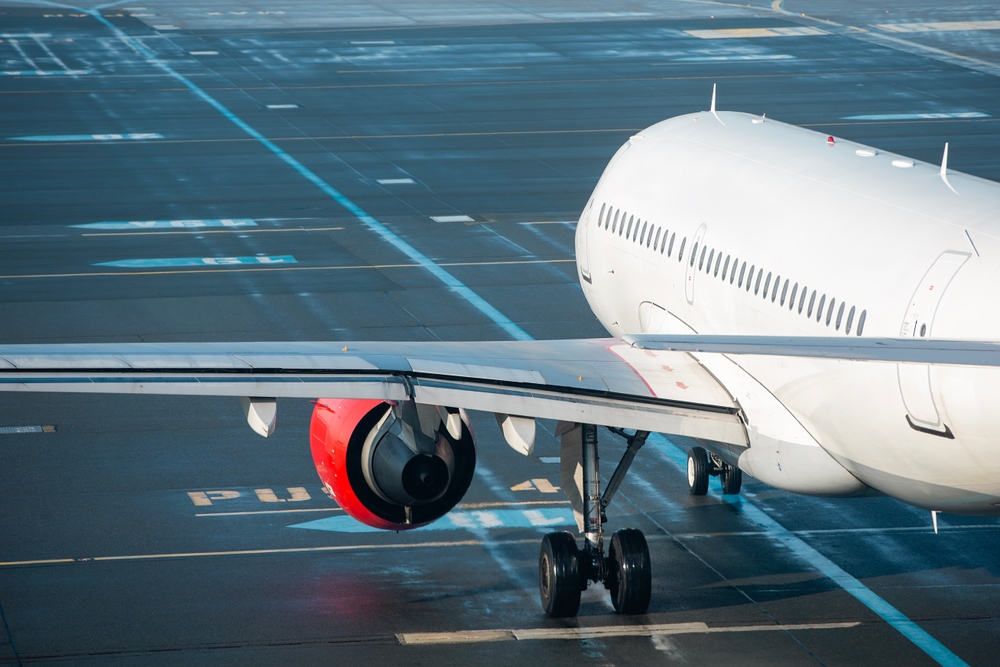
According to the NY Post, Chris Click – a flight attendants’ union board member and safety chair – raised concerns about Southwest Airlines‘ cleaning experiment in a video shared with crewmembers, after receiving an internal memo explaining that cleaners would board aircraft during certain turnarounds to clean only the premium seating area.
The context matters here. As of March 2026, Southwest Airlines flight attendants were contractually required to tidy the cabin between flights – a duty outlined in the flight attendant contract – including picking up visible trash and crossing the seatbelts, but not reaching into seatback pockets. Unlike most competitor airlines, Southwest had not generally used contract cleaners between flights as of March 2026, a practice designed to enable faster aircraft turnarounds and more time in the air.
Union board member Chris Click described Southwest flight attendants’ existing turnaround tidying efforts as “half-hearted” compared with a full professional cleaning – a remark noted as striking given that flight attendants themselves perform most of that cabin preparation.
His concern wasn’t simply about cleaning quality in the abstract. Click warned in 2026 that passengers boarding the aircraft could easily notice the difference between cleaned premium sections and uncleaned economy sections, predicting complaints would be directed at working flight attendants. In other words, the workers who had no hand in the policy decision would be the ones absorbing passenger frustration about it.
The Titanic comparison Click used – upper-class passengers living comfortably while those “below deck” deal with whatever was left behind – resonated online for a reason. It wasn’t hyperbole. It was a clean description of a two-tier service structure being applied to something as basic as a wiped-down seat. The union’s preferred position was clear: professional cleaners should handle the full cabin, allowing flight attendants to focus on safety and passenger service duties rather than cabin tidying.
Southwest’s official response framed the trial as additive rather than exclusionary. A spokesperson told multiple outlets that flight attendants continue tidying every aircraft between every flight, and that the carrier is “looking at potentially bringing in additional cleaners when needed, at certain airports to supplement – not replace – our standard cleaning efforts.” Whether that framing matches what Click described in the internal memo is a separate question.
This debate is unfolding during a significant transformation at Southwest. The airline replaced its open-seating policy – in place for 54 years – this year with assigned seats for passengers, including an extra legroom section with upcharges for certain spots. Southwest implemented a fundamental business model transformation in 2025, including bag fees, assigned and premium seating, and loyalty program changes, all of which are now fully incorporated into 2026 earnings guidance. The cleaning trial isn’t happening in a vacuum – it’s happening as the airline works to extract more value from a newly tiered cabin.
How Do Airline Cleaning Standards Differ Between Cabin Classes?
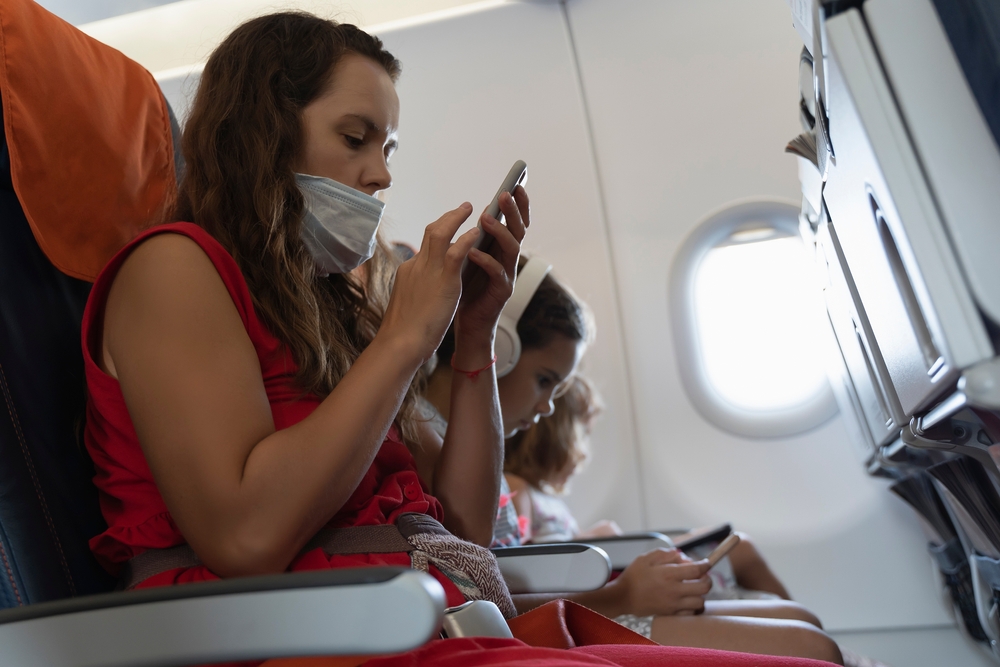
The Southwest controversy didn’t emerge in isolation. Lufthansa was running a parallel test that offers an even sharper illustration of what flight attendants criticize as tiered cleaning policies on major airlines.
Between March 16 and March 29, 2026, Lufthansa trialed a “light cleaning” policy on approximately 20 intra-European short-haul routes from various outstations, excluding its Frankfurt and Munich hubs, under which economy class received only “on-demand” cleaning while premium cabin procedures remained unchanged.
Under the 2026 trial, Lufthansa also tested reducing the number of cleaners per aircraft from four to two at outstations, with cabin crew responsible for notifying cleaning staff of areas – such as lavatories and seatback pockets – that required attention.
The phrase “on-demand” hygiene for economy passengers is worth sitting with. It reframes cleaning from a baseline expectation to something that must be actively requested – a subtle but significant shift in how one class of passenger is treated versus another. Business class passengers, meanwhile, continued receiving a standard clean between flights under the trial.
In the first half of 2025, the Lufthansa Group recorded a slim $172 million profit on $20.8 billion in revenue, while its mainline Lufthansa operation lost $317 million during the same period – financial pressures cited as driving the 2026 cost-cutting cleaning trial. The money argument is real. Airlines operate on notoriously thin margins, and cleaning is a legitimate operational cost. But there’s a meaningful difference between trimming a service and trimming it unevenly – keeping the premium experience intact while reducing the baseline for everyone else.
Read More: Flight Attendant Tells Passengers the Real Reason Cabin Crew Say Hello as You Board
What Airplane Surfaces Actually Carry – And Why This Matters

Understanding why flight attendants are pushing back on tiered cleaning policies requires knowing what those surfaces actually collect between flights.
Researchers found that disease-causing bacteria – including E. coli and methicillin-resistant Staphylococcus aureus (MRSA) – can last for days within an airplane cabin. The pathogens were placed on surfaces commonly touched in planes, including armrests, plastic tray tables, and window shades. MRSA lasted a week on material from a seatback pocket, and E. coli survived 4 days on armrest material.
On average, an aircraft seat belt buckle holds about 1,000 colony-forming units (CFU) of bacteria, while a tray table holds about 11,600. The dirtiest surface on an airplane, by far, is the lavatory flush button, which contains about 95,000 CFU. For comparison, an average household toilet handle typically holds just 30 CFU.
According to Dr. Mike Ren, an assistant professor of family and community medicine at Baylor College of Medicine, “airplanes have many touch points that are perfect for the transfer of bacteria or viruses.” That risk applies equally to every seat on the plane – not just the ones in the back rows.
This context reframes the Southwest cleaning trial in sharper terms. Passengers in economy aren’t just getting a seat that’s slightly less tidy. They may be sitting in a seat that another passenger spent hours in, with surfaces that haven’t been wiped down, on a plane where the seatback pocket has been accumulating bacteria since the previous flight – or the one before that. Meanwhile, the seats a few rows forward received professional attention between flights.
The union’s concern that families with young children – who typically sit in the rear of the cabin rather than paying extra for premium seating – may be most exposed to uncleaned surfaces is not incidental. Young children interact with cabin surfaces in ways adults don’t. They drop things. They touch things. They do not, in general, exercise careful hand hygiene mid-flight.
What Is Tiered Cabin Cleaning and Why Do Flight Attendants Oppose It?
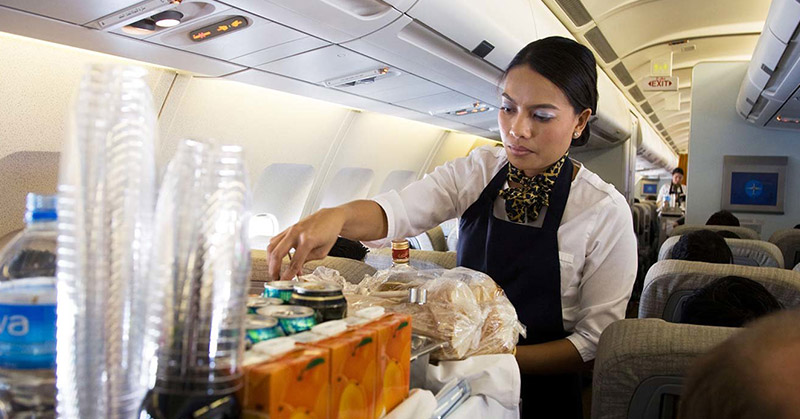
Tiered cabin cleaning is exactly what it sounds like: a system in which different sections of the same plane receive different levels of cleaning between flights, typically based on fare class. Premium seats – extra legroom or business class – receive professional cleaning attention during turnarounds, while economy sections receive only whatever the flight attendants can manage while also preparing for the next service.
Flight attendants are not opposing cleaning improvements. The union’s preferred position was that professional cleaners should handle the full cabin, allowing flight attendants to focus on safety and passenger service duties rather than cabin tidying. The objection is to a two-tier system that delivers a better product to premium passengers while asking economy passengers to accept less – and asking flight attendants to manage the fallout.
Click warned in 2026 that passengers boarding the aircraft could easily notice the difference between cleaned premium sections and uncleaned economy sections, predicting complaints would be directed at working flight attendants. That’s a predictable outcome. Passengers who pay for economy seats still have baseline expectations. When those expectations aren’t met, they look to the crew standing in front of them.
There are no federal agencies that set any kind of standard for airliner cleaning, and no federal agencies that oversee the cleanliness of aircraft cabins. That regulatory gap means the only real accountability here is public pressure – which is exactly why Click’s video, and the coverage that followed, carries weight.
Why Do Airlines Clean First Class More Than Economy?
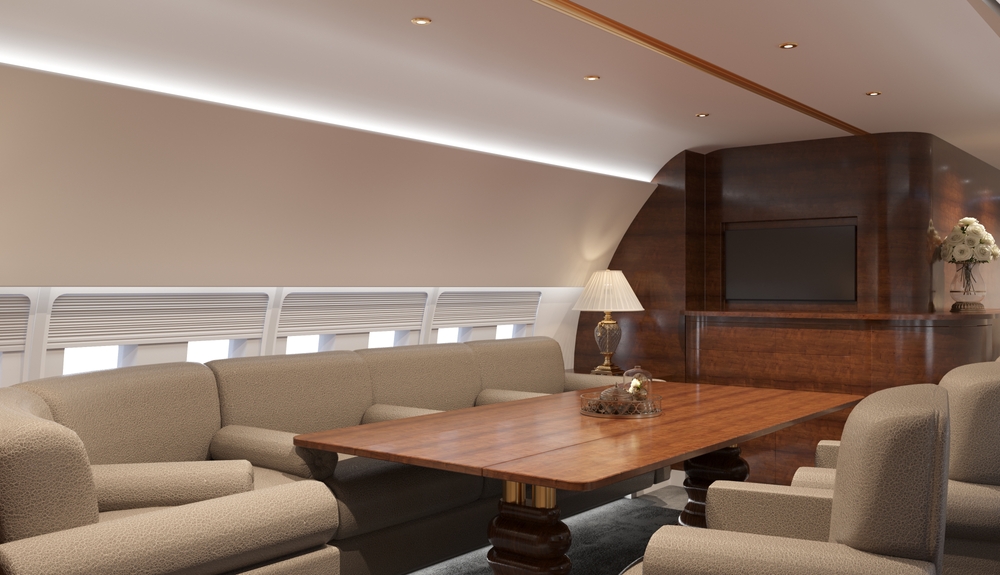
The honest answer is that it costs money not to. Professional cleaning crews add time and expense. For most short-haul flights in Europe, airlines aim for a turnaround time of between 30 and 45 minutes, with low-cost carriers often doing it even faster. The reason is simple: aircraft only earn money when they’re flying.
Applying professional cleaning to premium sections only lets airlines spend on appearance where it matters most to revenue. Premium travelers are the passengers most likely to notice, most likely to complain, and most likely to book again based on their experience. Economy passengers have historically absorbed more variation in service quality and had fewer alternatives.
But the calculation is changing. Airline hygiene became a much more visible concern after 2020, and passenger expectations around cleanliness didn’t simply reset to pre-pandemic norms. From 2020 to 2022, airlines invested heavily in sanitization to attract customers on board. Today, tight turnarounds are back, and planes don’t look significantly cleaner than in 2019, although sanitizers and wipes have become more common. The bar shifted, and airlines are trying to walk it back selectively – only in economy – risk making that contrast visible in a way it never was before.
What This Means for You

Southwest Airlines and Lufthansa are not the only carriers managing tight cleaning windows on short-haul routes. They’re the ones who made it explicit. The broader implication for any regular traveler is that cabin cleaning policies vary widely by airline, route, and fare class – and that with no federal oversight in place, you don’t have a guaranteed right to a cleaned seat regardless of what you paid.
That makes the practical steps worth knowing. According to Dr. Ren at Baylor College of Medicine, “airplanes have many touch points that are perfect for the transfer of bacteria or viruses,” and the risk of picking something up starts before you board your flight. As Ren noted, “flight crews have their own pre-boarding cleaning checklists, but since there is a short turnaround time between flights, they might miss something. Being prepared will give you peace of mind.”
The most effective steps are simple and well-supported: carry disinfecting wipes and use them on your tray table, armrests, and seatbelt buckle when you sit down. Wash or sanitize your hands before eating anything onboard. Avoid reaching into seatback pockets without using a wipe first, since porous fabric is among the surfaces where bacteria survive the longest. Staying hydrated matters too – the mucous membranes in your nose are part of your body’s natural defense against bacteria and viruses, and the extremely dry air in airplane cabins can desiccate nasal passages, making you more susceptible to illness.
As for the policy itself, the airline hygiene controversy involving Southwest Airlines and Lufthansa deserves attention from anyone who flies economy. The cleaning trial may be described as a supplement to existing standards. But when the supplements go only to premium passengers, and the flight attendants who see the difference up close are raising alarms, that’s worth paying attention to. Flight attendant Chris Click wasn’t asking for a spotless cabin before every flight. He was asking for the same standard of care in row 30 as in row 8.
That seems like a reasonable place to start.
A.I. Disclaimer: This article was created with AI assistance and edited by a human for accuracy and clarity.
Read More: Southwest Airlines to Require Plus-Size Passengers to Book Extra Seat