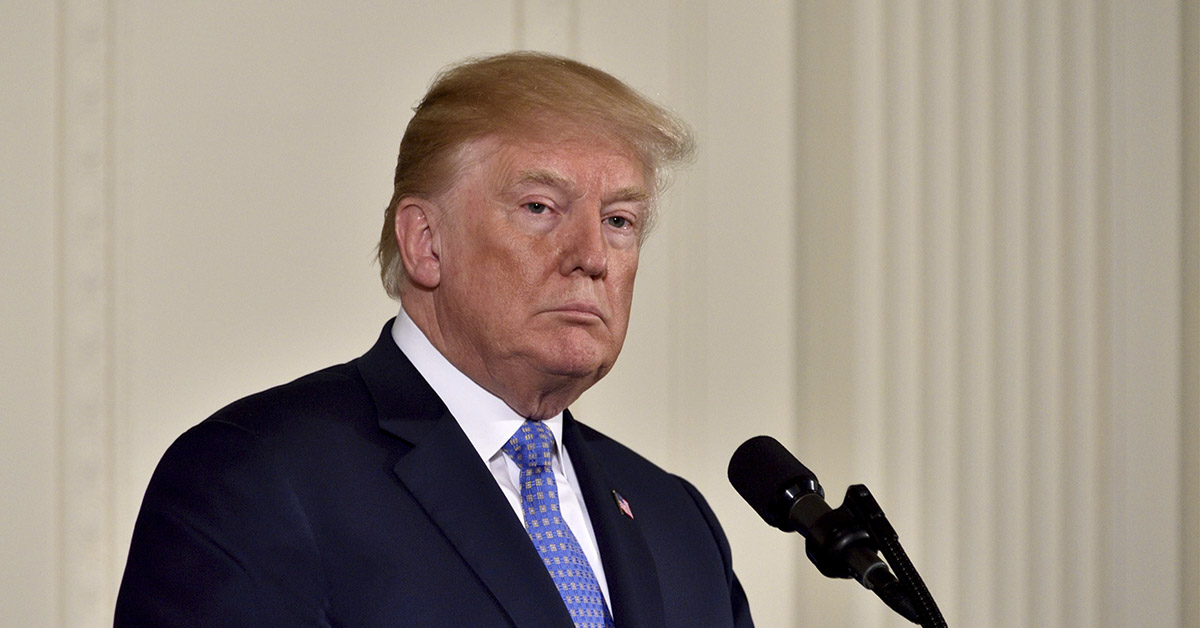

A fresh Trump tariffs court ruling has shaken one of Donald Trump’s biggest policy tools. A federal appeals court said his use of emergency powers for tariffs was against the Constitution. That cut deep into his trade agenda, something he always defended as protecting American jobs. Trump did not hold back, he called it illegal, dangerous, and promised he would appeal quickly. The fight is not over, he made that clear.
The Court Decision That Sparked the Dispute
Late August 2025, judges from the Court of Appeals for the Federal Circuit took their turn. They ruled against Trump’s reciprocal tariffs, duties set under IEEPA, a law meant to be for emergencies, not everyday trade. The court basically said he bent the law beyond its limits.
Even after calling the tariffs unlawful, the court let them stay until mid-October. They said removing them at once would cause too much disruption. Some people cheered, saying it was a win for the balance of power. Others said it was a blow, especially to Trump’s image of economic strength.
Trump’s Angry Reaction
Donald Trump jumped on Truth Social, typing in his usual all-caps style in parts. Blasting the decision, he said it was unconstitutional and unfair. He painted it like a national emergency, not just a legal matter. He also said, look at the dissenting judge, even an Obama appointee thought the ruling went too far.
Then came the promise. Straight away, he said he’d appeal to the Supreme Court. Not in months, but right away, asking them to fasttrack it. It was classic Trump style, painting himself as the lone fighter against a system stacked against him.
The Legal Path Ahead
This case, V.O.S. Selections, Inc. v. Trump, didn’t appear from nowhere. Back in May, the Court of International Trade already ruled against him. The Federal Circuit confirmed that judgment again in August.
Now it’s all eyes on the Supreme Court. Will they say yes, a president can use emergency powers to control global trade, or no, there are limits? Nobody knows. Meanwhile, the tariffs still stand, but only until mid-October. The countdown is ticking, and everyone in trade knows it.
Economic Impact and Market Jitters
Markets always hate uncertainty, and this case brought plenty. The day of the ruling, stocks dropped more than one percent. Bond yields ticked higher. Investors thought about the missing tariff revenue, billions each month, and what would happen if it needed to be refunded.
Businesses already felt it. Importers raised prices, passed costs to consumers, and some even cut jobs. A refund might sound like good news for importers, but for the government, it would mean paying back huge sums. That’s why Wall Street was jittery, and still is.
Trump’s Possible Alternatives
Even if the Supreme Court slams the door, Trump still has tools in his belt. Trade laws like Sections 122, 301, 201, and 338 can all be used for duties. They cover unfair practices, dumping, and so on. None is as wide as IEEPA, but they work.
Another path is Congress. In theory, lawmakers could pass new laws giving presidents more power on tariffs. But let’s be honest, politics in Washington is messy, and that road is slow. Trump himself said the court ruling on tariffs won’t stop him. He’ll find another way, one way or another.
Political and Global Ramifications
Politics is never far. Trump has long bragged that tariffs prove he defends American workers. His base sees them as a shield. Critics see them as a tax. The court ruling gave his rivals a new weapon to use against him.
Globally, the world is watching. Some countries are hoping for the tariffs to vanish so they get more access to U.S. markets. Others are bracing in case Trump digs in harder. Either way, the decision rippled far beyond U.S. borders.
The Road Ahead
October is coming fast, and with it, big choices. Businesses want clarity, investors want stability, and government officials are sweating about potential repayments. Trump, as always, promises to fight on. This isn’t just a trade case now. It’s about how much power a president really has.
The outcome will set the tone for years. If the Supreme Court sides with Trump, emergency powers could expand. If not, it sets a clear limit. Either way, this tariff legality fight is shaping the future of American trade.
Conclusion
The Trump tariffs court ruling has already made waves. Trump’s angry reaction shows how personal and political this fight is for him. Markets wobble, courts question his authority, and global partners are watching with interest.
The Supreme Court might settle it, or maybe not for good. But one thing is sure, Trump is not backing down. The dispute over tariffs will keep making headlines, and its outcome will shape both trade and presidential power for a long time.
Read More: US State Introduces Trump ‘Loyalty Test’ for Teachers Amid Controversy