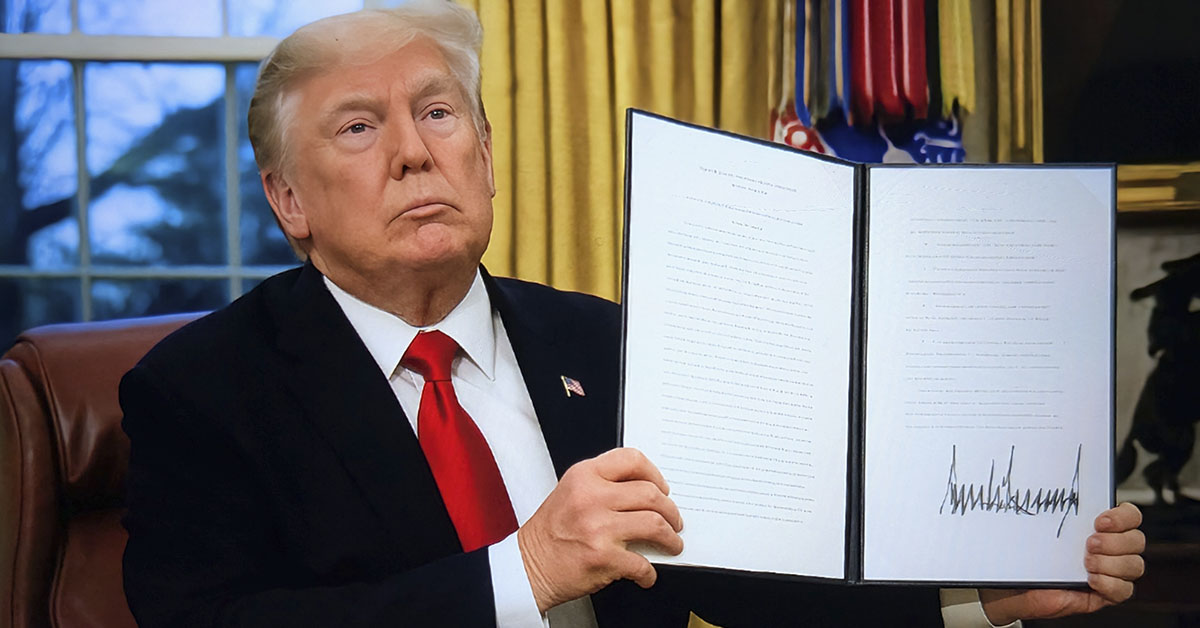

Donald Trump returned to the White House in 2025 and didn’t waste any time. Within days, he signed a wave of Executive Orders that reshaped federal policy and reignited old debates. Supporters praised the speed and clarity. Critics warned of overreach and legal trouble. These actions touched immigration, civil rights, education, and government culture. Some were blocked by courts. Others remain in effect and continue to ripple across the country.
Ending Birthright Citizenship for Certain Children
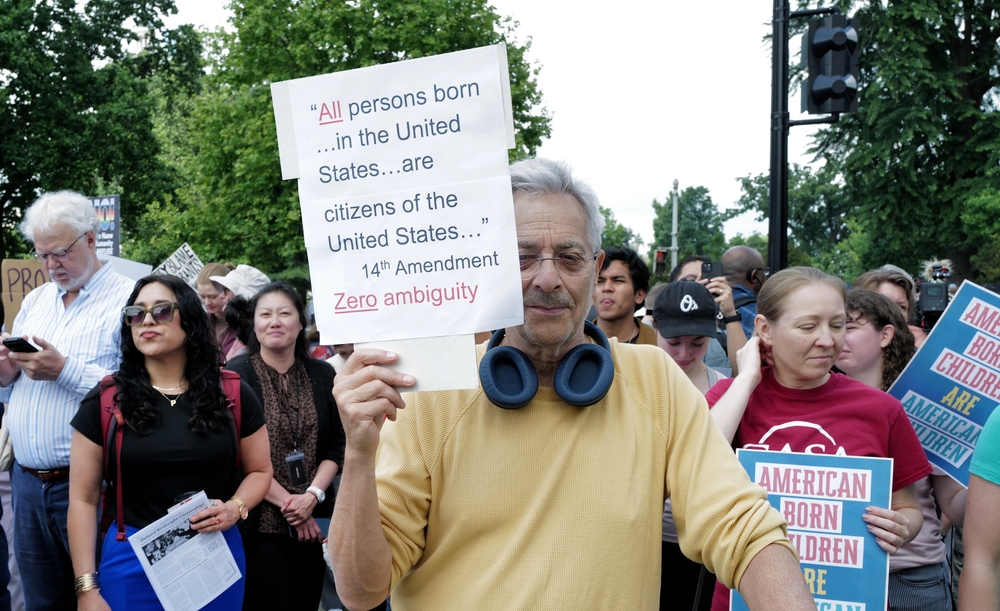
One of the most controversial actions aimed at limiting birthright citizenship. The order argued that children born in the U.S. should not automatically become citizens if their parents lack legal status. Trump framed it as restoring the original meaning of the Constitution. Legal scholars pushed back fast. Most agree that the 14th Amendment guarantees citizenship by birth. Courts quickly stepped in and blocked enforcement. Even so, the move sent a clear signal on immigration priorities. It also sparked fear among immigrant families. As a result, this order became a legal flashpoint almost overnight and set the tone for future challenges.
Shutting Down Federal DEI Programs

Another debated order targeted Diversity, Equity, and Inclusion programs across federal agencies. It ordered departments to eliminate DEI offices, training sessions, and funding tied to those efforts. The administration said these programs divided workers and ignored merit. Critics argued the order erased decades of progress on fairness and representation. Agencies scrambled to comply, while advocacy groups prepared lawsuits. Some employees reported confusion and morale issues. Although supporters cheered the rollback, opponents warned of long-term harm. This was one of the Executive Orders that reshaped daily government operations rather than making symbolic statements.
Restricting Federal Recognition of Gender Identity
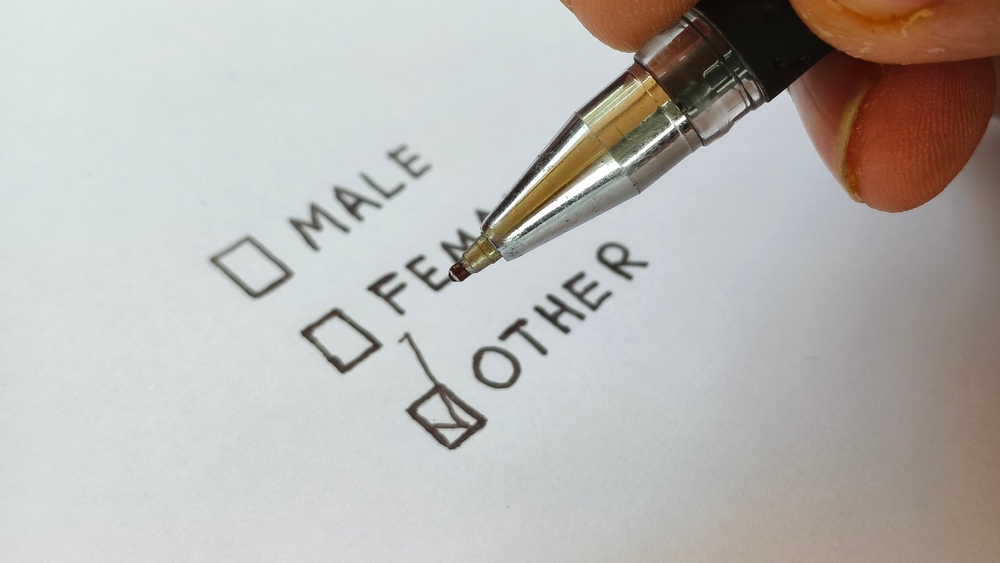
Trump also signed an order redefining sex at the federal level as strictly biological. It removed gender identity recognition from many government forms and policies. The administration said the change brought clarity and protected women’s spaces. Civil rights groups strongly disagreed. They warned it stripped protections from transgender Americans in healthcare, housing, and employment. Several states and organizations challenged the order in court. Meanwhile, federal agencies faced confusion about enforcement. This decision became a cultural lightning rod. It showed how policy language can directly affect people’s daily lives, not just political debates.
Declaring English the Official Federal Language

Another headline-making order declared English the official language of the federal government. It rolled back some requirements for multilingual services. Trump argued this move improved efficiency and national unity. Supporters said it simplified government communication. Critics warned that it would limit access for millions of non-English speakers. Advocacy groups stressed the impact on voting materials, health services, and emergency information. While not banning other languages outright, the order shifted long-standing practices. Compared to other Executive Orders, this one felt symbolic to some. Still, its practical effects sparked concern among immigrant communities and public service organizations.
Expanding Border Enforcement and Interior Raids
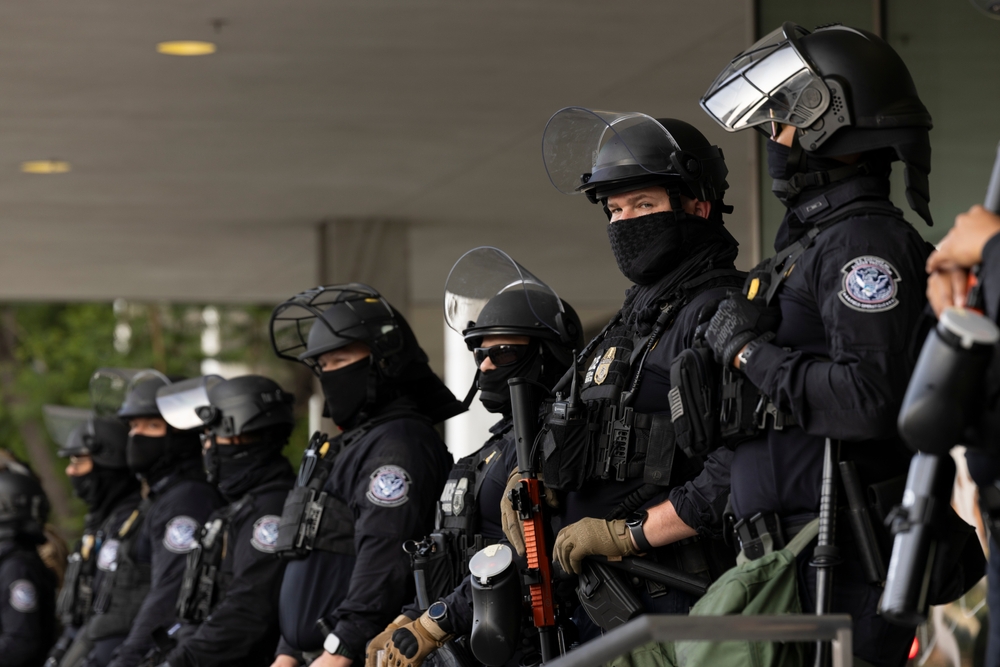
Another heavily debated move expanded border enforcement powers and interior immigration raids. This order gave federal agencies broader authority to detain and deport undocumented immigrants, even those without criminal records. Trump framed it as restoring law and order. Critics said it encouraged fear and racial profiling. Cities with large immigrant populations felt immediate tension. Advocacy groups reported families avoiding schools and hospitals. Although similar policies existed before, this order widened their scope. Court challenges followed quickly. Still, the administration treated the order as a cornerstone of its immigration strategy.
Limiting Asylum Claims at the Southern Border
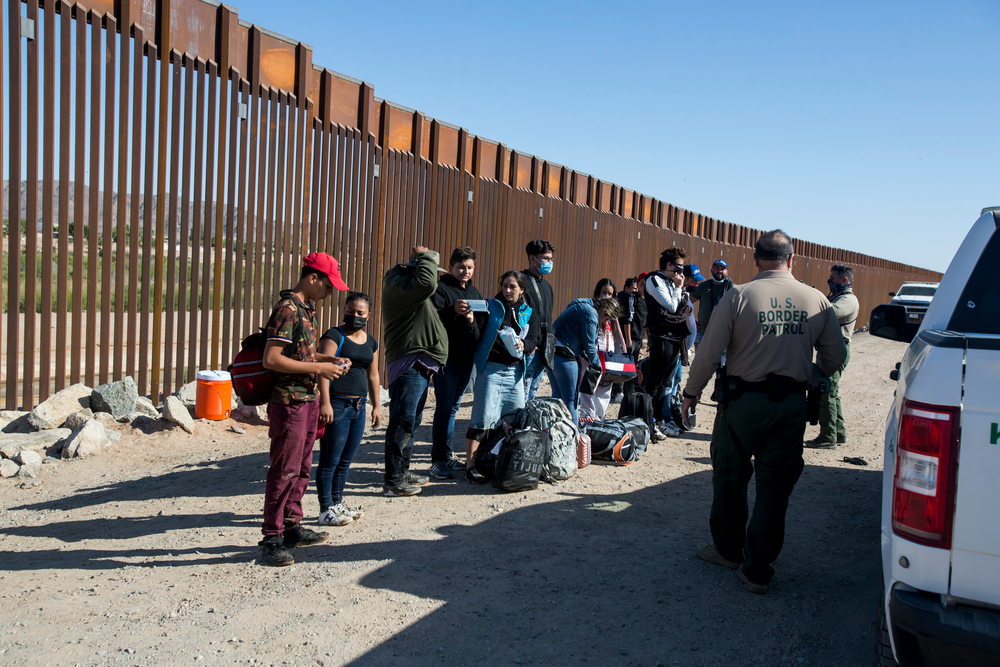
Image credit: Shutterstock
This order tightened rules for asylum seekers arriving at the southern border. It raised the standard for credible fear claims and allowed faster removals. The White House argued the system was overwhelmed and abused, though human rights groups strongly disagreed. They warned that genuine refugees could be sent back into danger. Border officials faced pressure to process cases faster than ever. Confusion followed, especially during early enforcement. This action drew praise from immigration hardliners and condemnation from humanitarian groups. It also intensified debates about America’s role as a refuge.
Reversing Climate and Environmental Regulations
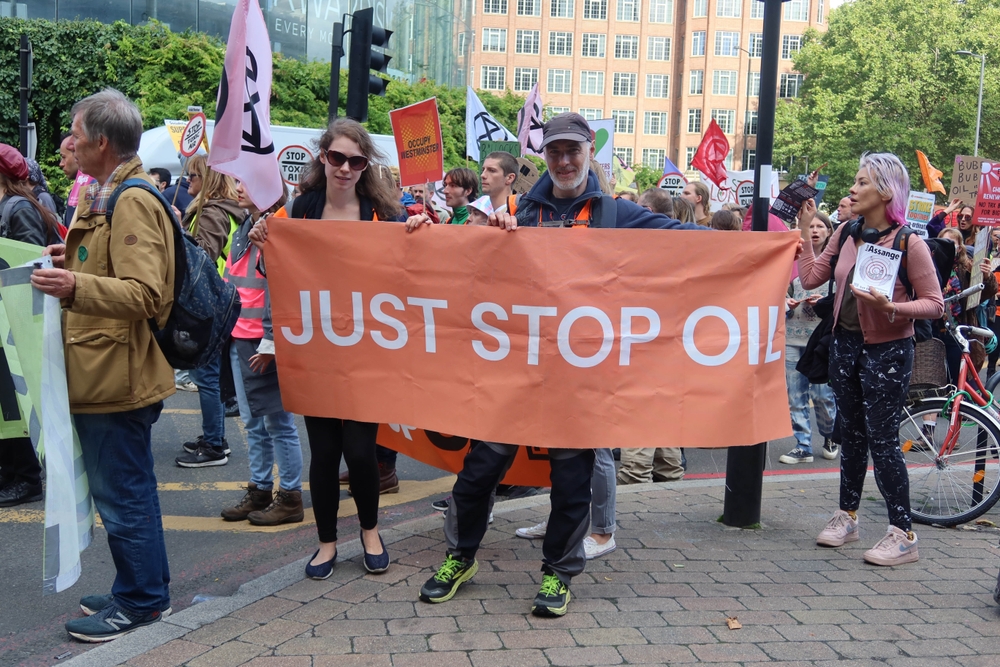
Trump also signed orders rolling back several climate and environmental rules put in place under the previous administration. These actions reduced limits on emissions and eased restrictions on drilling and mining. Supporters said the changes boosted energy independence and lowered costs. Environmental groups warned of long-term damage. States responded differently, with some tightening their own rules. Businesses faced mixed signals as federal standards shifted again. These Executive Orders reflected Trump’s broader skepticism toward climate policy. While less dramatic than immigration moves, they carried major consequences for public health and environmental protection.
Speeding Up Energy and Infrastructure Permits

One order focused on accelerating permits for energy and infrastructure projects. It shortened environmental review timelines and limited federal agency delays. Trump argued the process had become slow and hostile to growth. Supporters said faster approvals would create jobs and strengthen energy independence. Critics warned that rushing reviews could overlook environmental and community risks. States reacted in different ways, depending on local priorities. Businesses welcomed clearer timelines. Environmental groups prepared legal challenges. While less dramatic than immigration actions, this order reshaped how major projects move forward across the country.
Restricting Federal Funding to Certain Universities
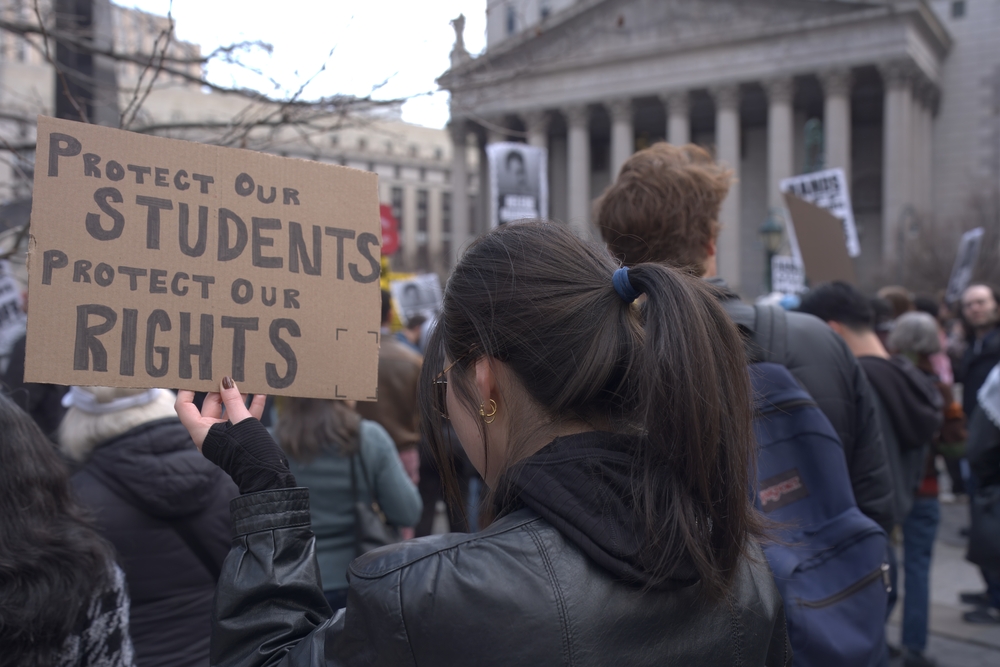
Another controversial order targeted colleges accused of promoting what the administration called political indoctrination. It threatened to withhold federal funding from schools that failed to protect viewpoint diversity. Trump said students deserved open debate. University leaders warned of government overreach into academic freedom. Some institutions reviewed campus policies almost immediately. Legal experts questioned how the rules would be enforced. This order blurred the line between free speech protection and political pressure. As a result, it became one of the more unusual actions, affecting education rather than traditional executive power areas.
Targeting Federal Agencies Accused of Political Bias

Another order directed federal agencies to review internal decisions for signs of political bias. The administration claimed some departments had unfairly targeted conservatives. Trump framed the move as restoring trust and neutrality. Career officials expressed concern about political interference. Critics warned it could pressure employees to align with the administration’s views. Supporters argued that oversight was long overdue. Agencies struggled to define what counted as bias. This order did not change laws, but it altered workplace culture. It added tension inside government offices already navigating rapid policy shifts.
Expanding Presidential Control Over Federal Agencies
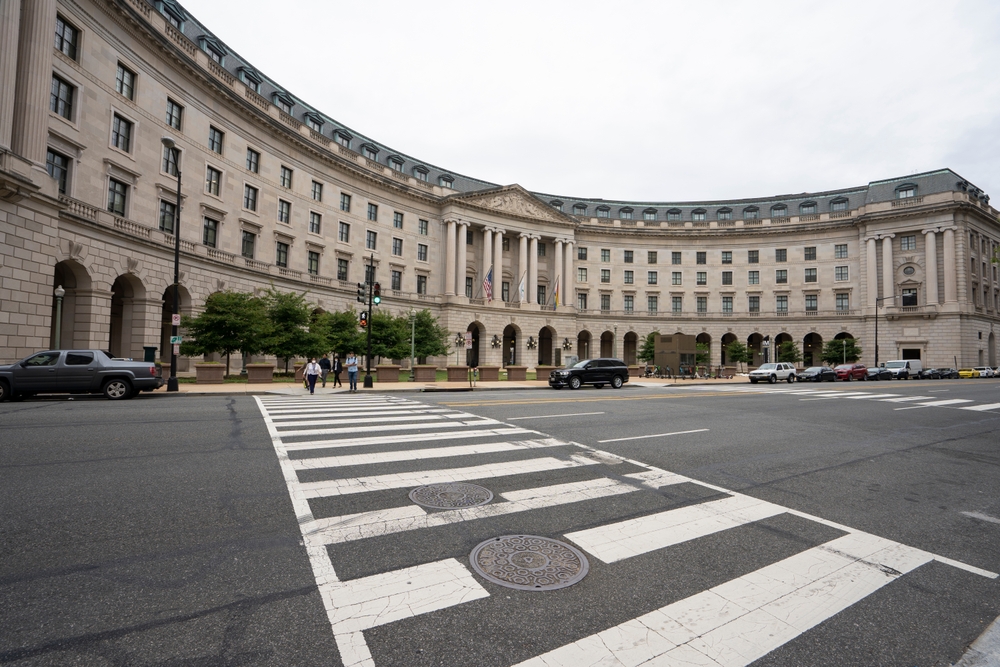
One of the quieter but most powerful orders expanded presidential control over independent federal agencies. It increased White House oversight of rulemaking and leadership decisions. Trump argued voters deserved more transparent accountability. Critics said the move weakened checks and balances. Labor boards, financial regulators, and environmental agencies all felt the impact. Changes like this rarely make headlines but can reshape government for years. Compared to larger cultural battles, this order worked behind the scenes. Still, experts called it one of the most far-reaching decisions of 2025 due to its lasting structural effects.
Restricting Federal Abortion-Related Guidance

Image credit: Shutterstock
This executive action ordered federal agencies to narrow how they interpret abortion-related guidance following earlier court rulings. The administration said it was protecting states’ rights and unborn life. Critics argued it created confusion for doctors and patients. Hospitals worried about legal risks when treating pregnancy complications. Advocacy groups warned that care delays could increase medical emergencies. While the order did not ban abortion outright, it changed how federal agencies communicated rules. Its impact depended on enforcement. Still, it deepened national anxiety around reproductive healthcare access.
Redefining Federal Protections for LGBTQ+ Employees

Image credit: Shutterstock
Another debated order revised workplace protections for LGBTQ+ federal employees. It limited how agencies applied anti-discrimination rules tied to sexual orientation and gender identity. Supporters said existing laws already offered enough protection. Opponents feared it opened the door to bias. Federal workers reported uncertainty about complaint processes and job security. Unions raised concerns about morale and retention. This order did not remove all protections, but it shifted the enforcement language. Compared to sweeping bans, this move felt subtle. Even so, its ripple effects reached thousands of government employees nationwide.
Allowing Greater Military Involvement in Domestic Security
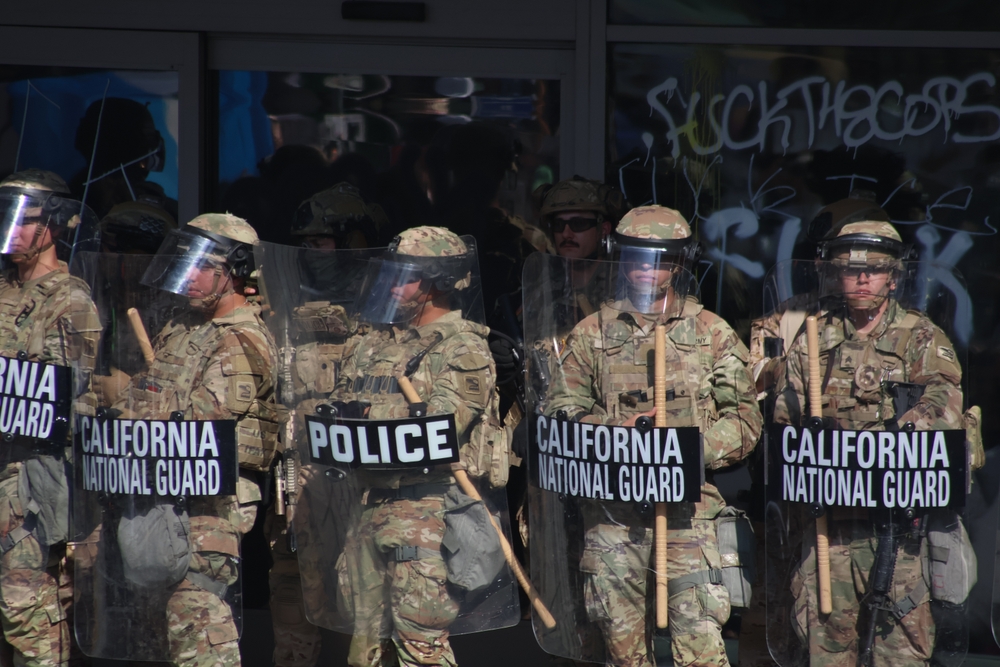
Image credit: Shutterstock
Trump also issued an order expanding the conditions under which military resources could support domestic security operations. The administration framed it as preparedness for unrest or emergencies. Civil liberties groups raised alarms immediately. They warned of blurred lines between civilian law enforcement and the armed forces. Governors questioned how much authority they would retain. While the order cited existing laws, critics argued it stretched their intent. This action stirred deep unease among constitutional scholars. It stood out among Executive Orders for raising concerns about democratic norms and the balance of power.
Rolling Back Federal Labor and Union Protections
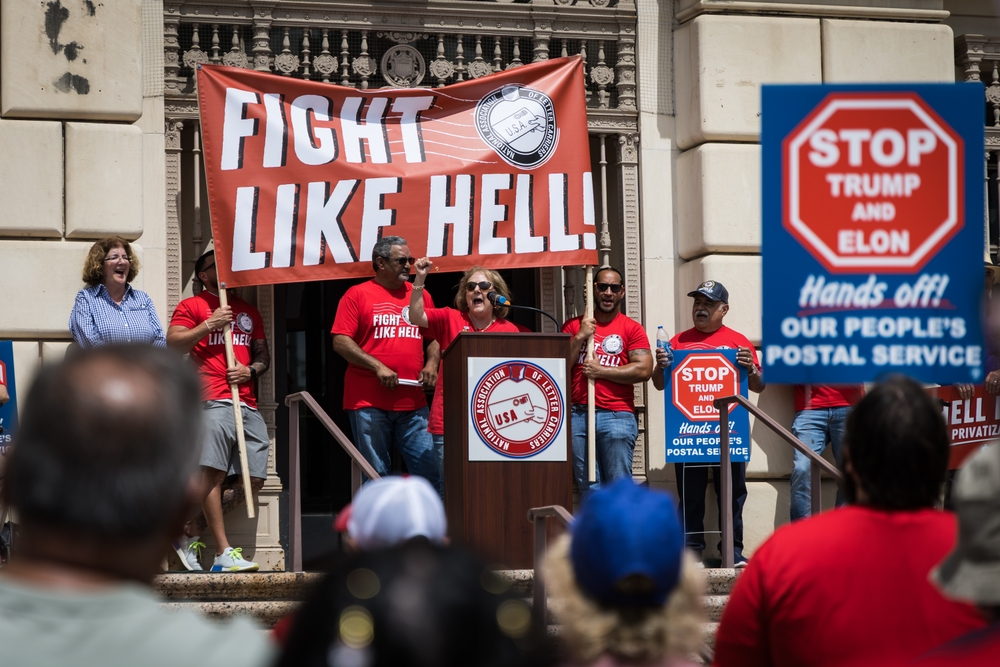
Image credit: Shutterstock
This order rolled back several labor protections affecting federal workers and contractors. It limited collective bargaining rights and eased dismissal rules. Trump argued the changes improved efficiency and accountability. Unions strongly disagreed, calling it an attack on worker rights. Employees worried about job security and fair treatment. Agencies faced protests and legal filings soon after. While private-sector workers were not directly affected, the signal was clear. The administration favored managerial control over negotiated protections. This decision added fuel to long-running debates about labor power in government.
Changing Federal Hiring and Firing Standards
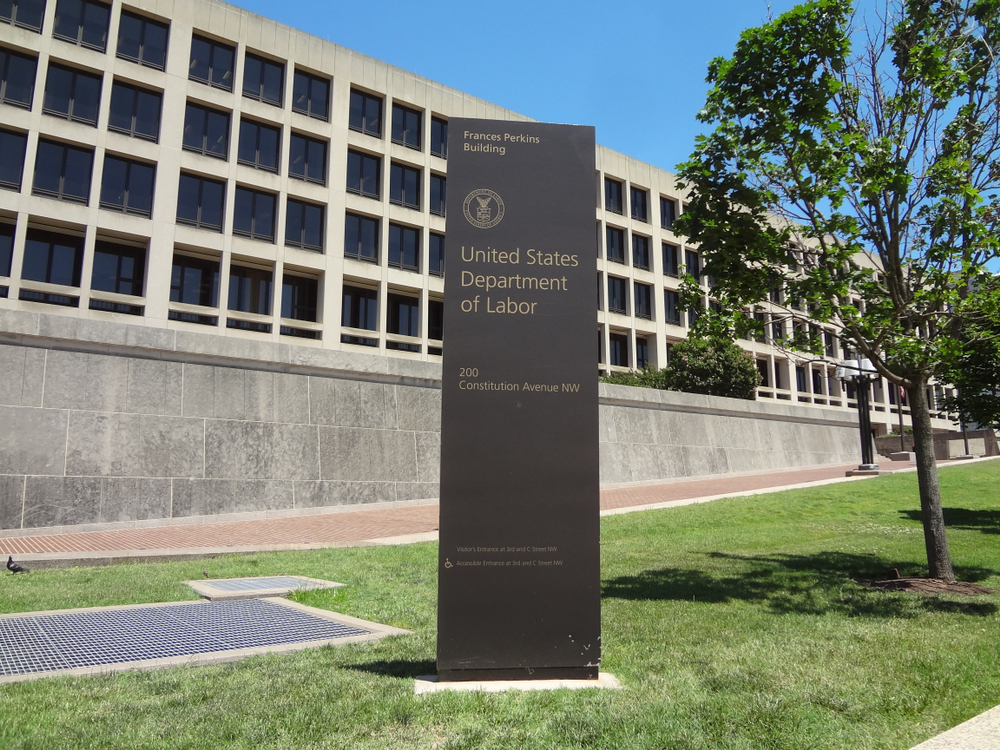
Image credit: Shutterstock
Trump also issued an order making it easier to reclassify and dismiss federal employees. The administration said the civil service system protected underperforming workers. Supporters praised the focus on accountability. Unions warned that the changes weakened job protections and invited politicization. Many employees feared losing due process safeguards. Agencies faced confusion about new classifications and timelines. While the order did not affect private workers, it sent a clear message. Loyalty and performance would matter more than tenure. This shift quietly changed how federal careers are viewed.
Tightening Rules on Federal Benefits Eligibility
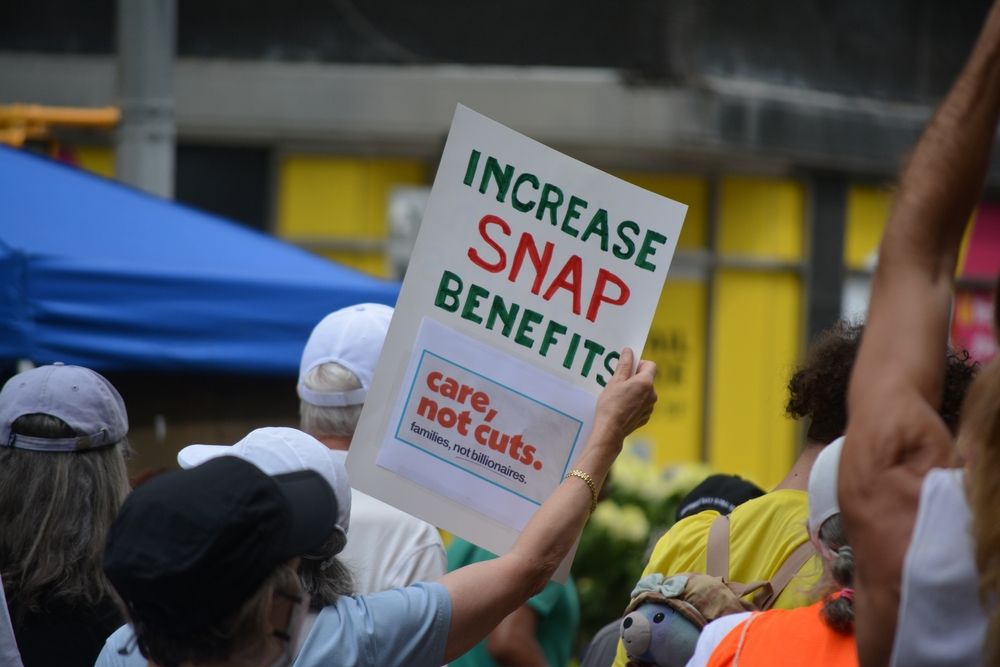
Another controversial move tightened eligibility checks for federal benefits programs. The order increased verification requirements for housing aid, healthcare assistance, and food programs. Trump said the goal was to reduce fraud and waste. Advocacy groups warned that vulnerable people could lose access due to paperwork barriers. States braced for administrative strain. Even supporters acknowledged the rollout could be difficult. Among the many orders signed this year, this one hit low-income communities hardest. Its effects played out quietly but steadily across social service systems.
Read More: Trump Moves to Reshape Cannabis Law: Which States Could See Legalization Next?
Reshaping How Executive Power Is Used
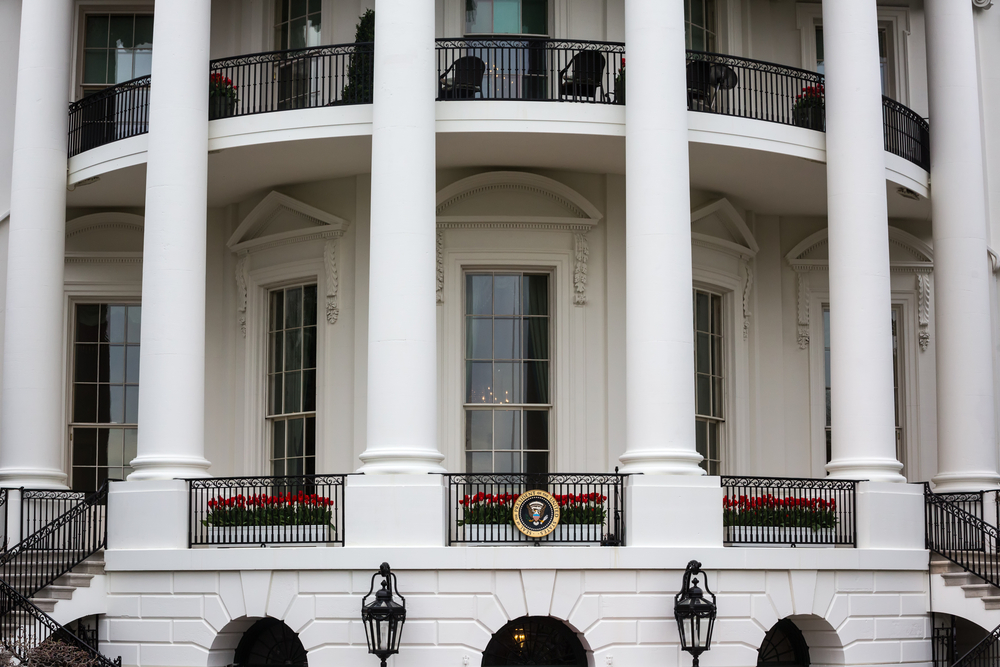
Trump used Executive Orders at a rapid pace, often before agencies or Congress could respond. Supporters saw this as decisive leadership. Critics argued it weakened democratic norms. Legal experts warned that relying heavily on presidential directives makes policy unstable. What one president signs, another can undo. Still, this approach allowed Trump to act fast and dominate the agenda. By 2025 standards, the volume and scope stood out. It reshaped how Americans think about executive authority and its limits.
Legal Pushback and Court Battles That Followed
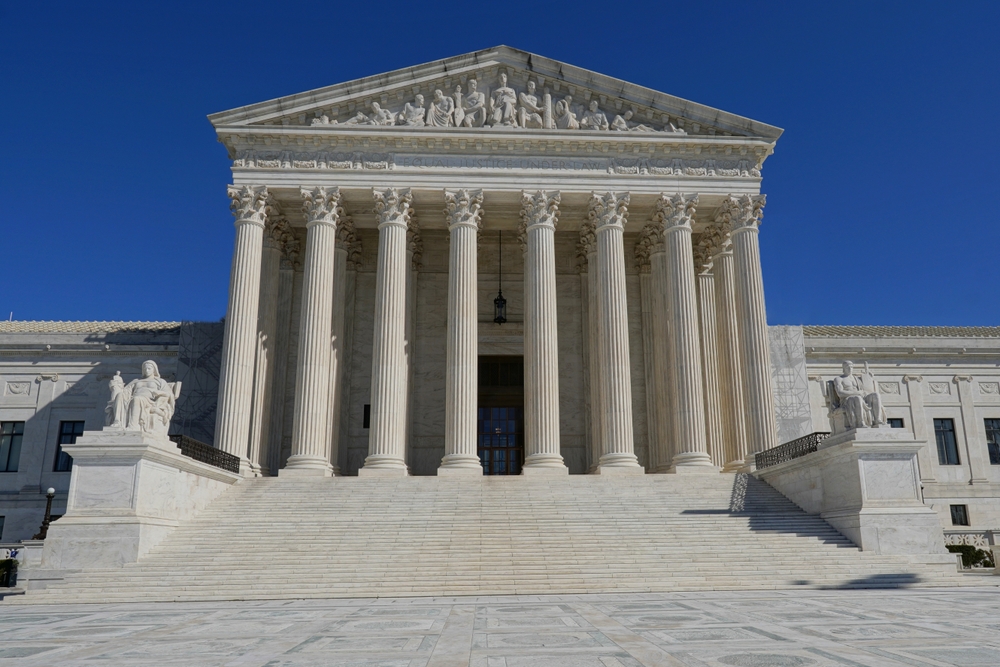
Image credit: Shutterstock
Nearly every major order sparked legal challenges within weeks. Courts blocked or paused several actions, especially those involving citizenship, immigration, and civil rights. Supporters accused judges of overstepping. Critics said the courts were protecting constitutional limits. States, advocacy groups, and unions filed lawsuits across the country. The legal uncertainty slowed implementation and confused agencies. Some orders survived, others stalled. This wave of litigation showed the limits of executive authority. It also ensured that many of these decisions remain unsettled, with final outcomes still unknown.
Final Thoughts
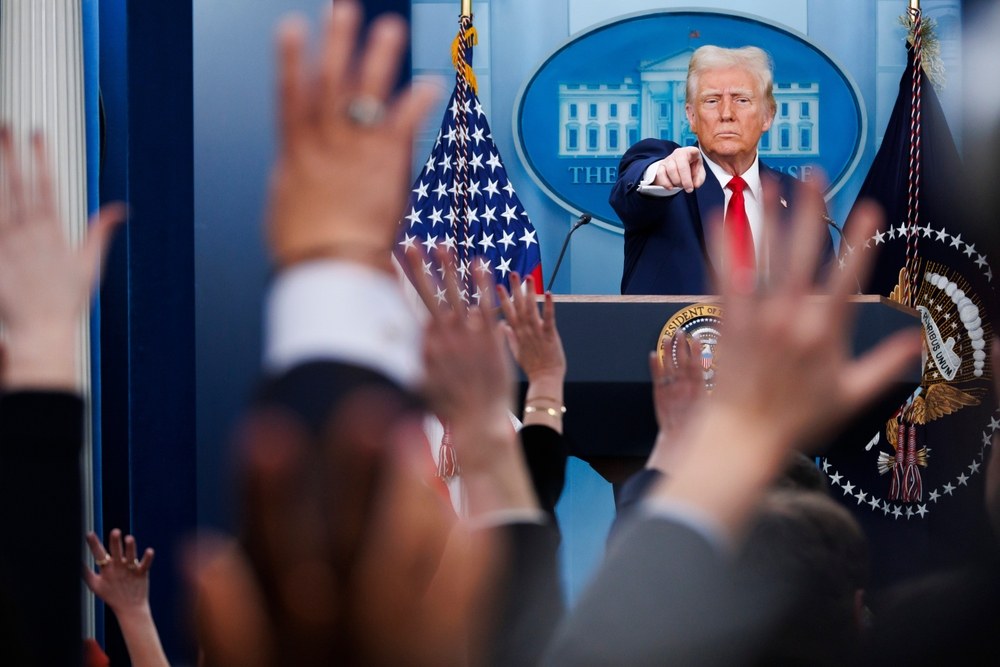
Together, these decisions show how much power a president can exercise through Executive Orders alone. Some actions were blocked, while others remain active and continue to affect daily life. Immigration, civil rights, education, labor, and healthcare all felt the impact. Whether praised or criticized, these moves forced national conversations that still ripple outward. They also revealed how divided the country remains on the government’s role. As court cases continue and future elections loom, the legacy of Trump’s 2025 actions is far from settled. Understanding them helps explain where the country stands now, and where it may go next.
Read More: Trump Claims Foreign Leaders Want Him to Lead Europe in Confusing Rant