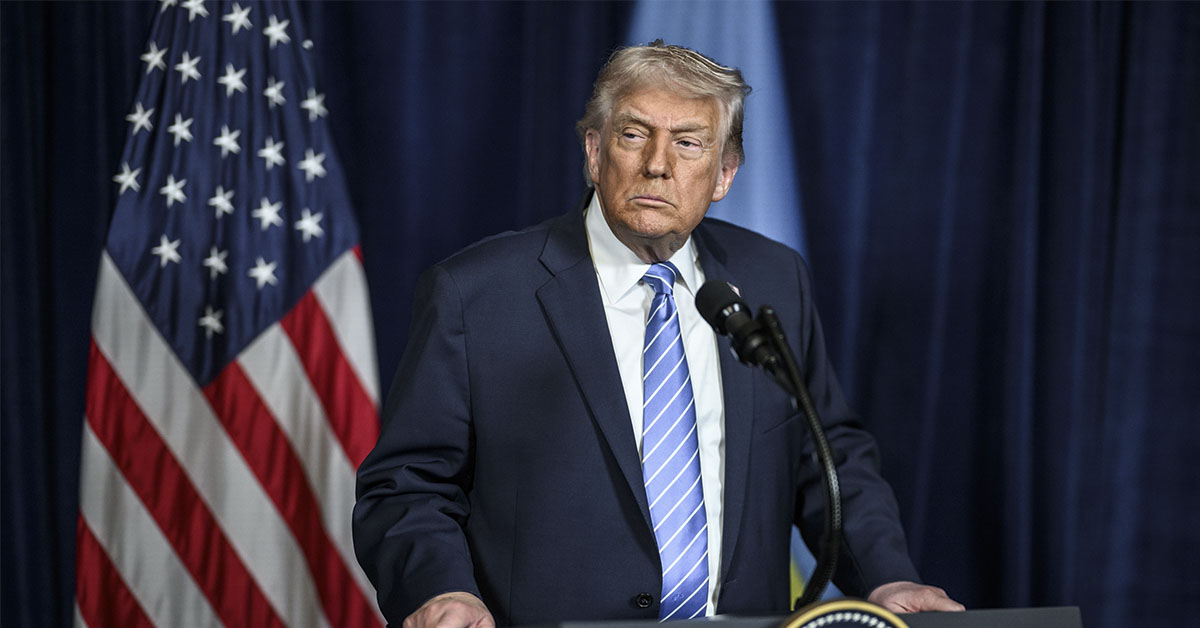

Questions about Trump’s cognitive health resurfaced after a recent campaign rally clip spread rapidly across social media. Within hours, millions had viewed short excerpts of the speech. Commentators replayed key moments. Critics described certain passages as rambling, while supporters dismissed the reaction as selective editing. What began as a campaign event quickly turned into a national conversation about age and leadership.
Donald Trump is 79 years old. Age has become a central theme in modern American politics, and voters are more attentive than ever to how older candidates speak, move, and respond. In the era of instant video clips, every pause can become evidence for someone’s argument.
At the same time, diagnosing cognitive decline is not simple. It requires structured evaluation, medical history, and standardized testing. A viral clip, no matter how widely shared, does not provide that level of evidence. Still, perception carries political weight, and even unverified concerns can shape voter confidence.
The rally followed a familiar format where Trump spoke at length before a supportive crowd. He blended policy commentary with personal anecdotes and improvisation. He shifted between economic themes, immigration, and campaign messaging. For those who have followed his speeches over the years, the tone felt recognizable.
However, several brief segments drew attention online. In one widely shared clip, Trump moved abruptly from discussing economic indicators to referencing an unrelated story. The transition appeared uneven to some viewers. A few sentences trailed off before landing clearly, and critics quickly labeled the moment “word salad,” a phrase that implies disorganized speech.
That description spread quickly, but it did not originate from clinical analysis. It came from political commentators and social media users. Context often disappears in short clips, where a 90-minute rally becomes a 20-second video. The pacing feels different when isolated.
Supporters argued that the speech reflected Trump’s longstanding improvisational style. He has often favored spontaneous delivery over tightly scripted remarks. That approach produces energetic moments. It can also produce meandering ones. Long live speeches frequently include tangents, especially when delivered without heavy teleprompter reliance.
Still, some analysts claim his language has changed over time. They point to increased repetition or unfinished thoughts. Others counter that similar patterns appeared in earlier campaigns. Determining whether a shift has occurred requires careful comparison, not isolated clips.
It is also important to distinguish rhetorical style from neurological impairment. Political communication varies widely. Some leaders prioritize precision. Others rely on storytelling. Trump’s brand has always leaned toward the latter.
Yet age remains part of the discussion. Research shows that certain cognitive functions naturally shift over time. Processing speed can slow, and word retrieval may take longer. These changes are common and do not automatically signal disease. Many healthy older adults experience occasional verbal slips without underlying pathology.
How Cognitive Health Is Clinically Evaluated
Understanding how doctors measure cognitive function adds perspective to the public debate. Cognitive health is not assessed through short public appearances. It is evaluated through structured testing and a comprehensive review.
Physicians begin with medical history. They ask about memory, attention, mood, and daily functioning. Family input can be valuable. Then clinicians administer screening tools such as the Montreal Cognitive Assessment or the Mini-Mental State Examination. These tests measure memory recall, language skills, executive function, and spatial reasoning.
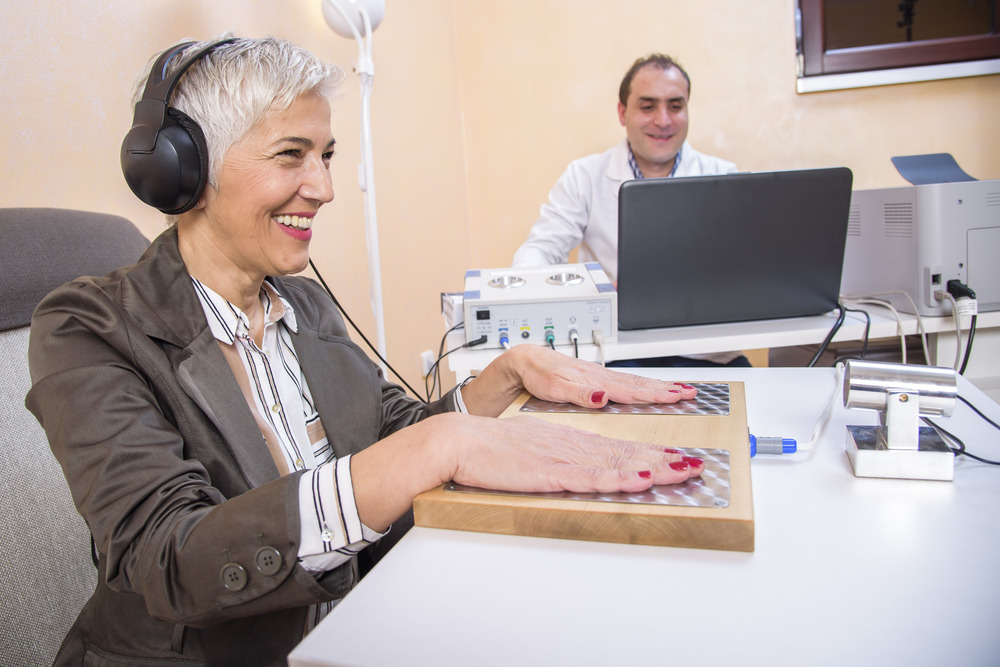
Importantly, screening tools are not final diagnoses, but they flag potential concerns. If results suggest impairment, doctors may recommend a more extensive neuropsychological evaluation. They also rule out reversible causes, such as vitamin deficiencies or medication side effects.
Conditions like Alzheimer’s disease involve a progressive decline that affects daily independence. Symptoms include consistent memory loss, confusion about routine tasks, and difficulty managing responsibilities. These patterns develop over time. They are not defined by one confusing speech.
Neurologists often caution against diagnosing public figures remotely. The American Psychiatric Association’s Goldwater Rule discourages psychiatrists from offering professional opinions about individuals they have not personally examined. This ethical guideline exists to prevent speculation from being mistaken for fact.
When discussions focus on Trump’s neurological fitness, they typically rely on public footage rather than clinical data. Observations may raise questions, but they do not equal medical confirmation. It is also true that cognitive performance can fluctuate. Fatigue, stress, and environment influence speech clarity. Campaign schedules are demanding. Long rallies and travel can strain anyone’s focus. A moment of disorganized phrasing does not automatically reflect chronic impairment.

At the same time, voters are not wrong to care about mental acuity. The presidency requires complex decision-making. Citizens reasonably want confidence in a candidate’s judgment and clarity. The challenge lies in separating valid concern from viral exaggeration.
Media Amplification and Political Framing
The modern media landscape intensifies these debates. A speech no longer ends with applause. It continues online, where clips circulate independently of the full context. Algorithms reward engagement, not nuance. Content that sparks strong reactions spreads fastest.
In the case of the viral rally clip, users added commentary directly to the footage. Some highlighted specific words, and others slowed down delivery to emphasize pauses. Viewers who never watched the complete speech encountered a framed narrative.
Cable news then amplified the online conversation. Panels debated whether the remarks signaled a decline or simply reflected improvisation. Medical commentators sometimes weighed in, though without direct examination. Political strategists interpreted the moment through campaign lenses.

Opponents have an incentive to spotlight potential weaknesses, and supporters have an incentive to minimize them. As a result, discussions about Trump’s cognitive performance often mirror broader partisan divides.
There is also a cultural element. Modern audiences expect concise communication. Social media favors short, polished statements. Extended storytelling can feel chaotic when reduced to clips. A style that once appeared colorful may appear disorganized in a digital environment.
Yet many supporters see authenticity in unscripted delivery. They argue that spontaneity signals honesty. For them, rough transitions are part of the appeal. The same behavior can inspire confidence in one group and doubt in another.
This dynamic creates a feedback loop. Viral clips shape perception and influence headlines. Headlines reinforce existing narratives. Over time, repetition strengthens impressions, even without new medical evidence.
The broader issue extends beyond Trump. American politics features aging leadership across parties. Public discomfort with age often surfaces indirectly through speech analysis. The viral moment reflects a larger societal question about longevity and power.
The debate ultimately raises a policy question. How much medical information should presidential candidates disclose? Historically, candidates release summary letters from physicians. These letters describe general health and, at times, mention cognitive screening.
During his presidency, Trump’s doctors publicly stated that he was in good health. He has also said that he performed strongly on cognitive tests. However, there is no constitutional requirement for detailed neurological testing. Privacy rights protect personal medical information. At the same time, voters expect reassurance regarding a leader’s fitness. Balancing transparency with privacy remains complex.
Some experts propose standardized disclosure for all major candidates above a certain age. Others caution that overregulation could discourage participation. The debate continues without a clear consensus.
Image credit: Shutterstock.
Trust remains central. If voters trust a candidate, they are more likely to interpret viral clips generously. If skepticism already exists, those same clips reinforce doubt, and public confidence depends on cumulative perception rather than isolated events.
It is also essential to remember that effective leadership involves more than flawless speech. Decision-making relies on advisors, institutional checks, and collaborative processes. Cognitive sharpness matters, but it operates within a broader framework.
Read More: What Happens Immediately If Donald Trump Dies While President
Closing Reflections
Trump’s viral rally speech did not produce a diagnosis, but rather a debate. That debate blends medical science, political strategy, media amplification, and public perception. Each element shapes the narrative in different ways.
Discussions about Trump’s cognitive health will likely persist throughout the campaign. Some observers will interpret certain moments as warning signs. Others will attribute them to a familiar rhetorical style and normal aging. Without direct clinical evaluation, firm conclusions remain out of reach.
For voters, the key lies in critical thinking. Understanding how cognitive health is measured helps separate speculation from evidence. Recognizing how media framing influences interpretation adds necessary context.
Aging leadership is not new in American history. Many leaders have served effectively in later decades of life. At the same time, transparency builds confidence, and clear communication from candidates and medical professionals can reduce unnecessary doubt.
In the end, viral clips capture attention, but they rarely capture the full picture. The challenge for the public is to weigh information carefully, remain aware of bias, and resist drawing sweeping conclusions from brief moments. The health of a candidate matters, and so does the integrity of the conversation surrounding it.
A.I. Disclaimer: This article was created with AI assistance and edited by a human for accuracy and clarity.
Read More: The Full Story Behind Donald Trump’s Recent MRI Procedure