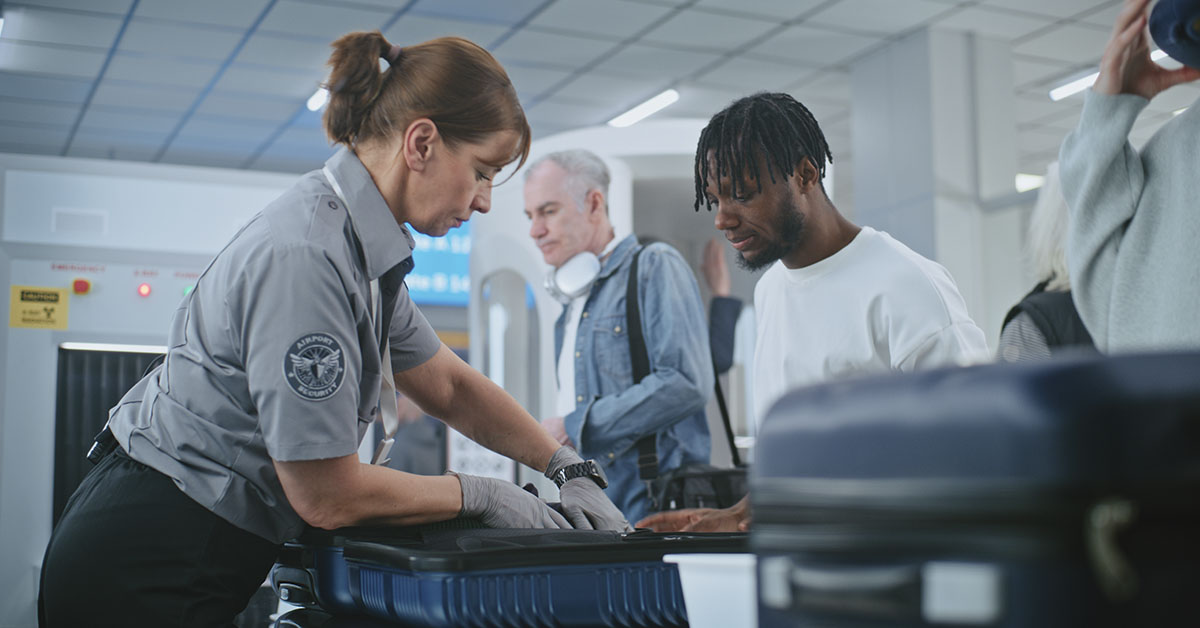

Airport security is stricter than most travelers realize, especially when it comes to food. The Transportation Security Administration (TSA) allows passengers to bring many snacks through checkpoints, but certain items can still cause delays or confiscation. Some foods are banned because of their texture, while others fall into a gray area that confuses travelers. Knowing what can and cannot go through security helps prevent frustration at the gate. Here are seven foods that the TSA has recently flagged for restrictions, including one of the most common snacks people pack for flights.
Peanut Butter
Peanut butter continues to surprise travelers as a restricted item. The TSA classifies it as a liquid because it can be poured, spread, or sprayed, which places it under the 3.4-ounce rule for carry-on bags. Anything more must go in checked luggage. Single-serve squeeze packs are usually fine if sealed and under the limit. The rule applies to all nut butters, including almond and cashew. Agents enforce this rule consistently because texture, not ingredients, determines classification.
Hummus
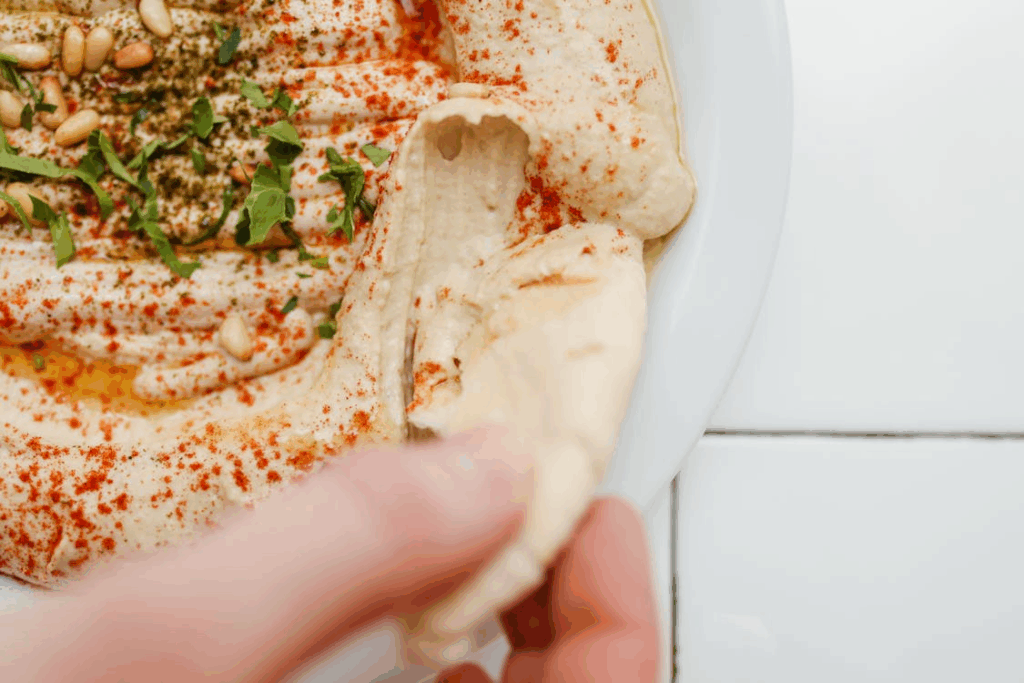
Hummus faces the same restriction as peanut butter since it’s semi-liquid. Passengers often forget that dips and spreads count as liquids under TSA definitions. Whether store-bought or homemade, containers larger than 3.4 ounces will be confiscated. Travelers who want hummus for in-flight snacks should portion it into smaller travel-size containers. Solid accompaniments like pita chips are always permitted. The rule aims to prevent inconsistencies at checkpoints, where spreadable foods pose inspection challenges.
Yogurt
Yogurt also falls under the liquid category, even thicker Greek varieties. TSA policy limits each container to 3.4 ounces or less, stored inside a clear quart-size bag with other liquids. Frozen yogurt doesn’t automatically qualify as solid unless completely frozen at the time of screening. If it begins to melt, it will be treated like a liquid. Parents traveling with young children are allowed slightly more flexibility under the baby food exemption, but most adult travelers must follow the same limit. Agents recommend buying yogurt after passing security to avoid issues.
Sauces and Dressings
Liquid condiments such as salad dressing, hot sauce, or barbecue sauce are tightly regulated. Even travel-size bottles can leak and raise inspection flags, which is why TSA officers prefer these packed in sealed plastic bags. The 3.4-ounce rule applies to each bottle, not the total quantity. Powdered sauces or dry seasoning packets, however, are allowed without limits. Large liquid containers often get confiscated because passengers forget to transfer them before screening. Packing smaller quantities helps travelers keep their flavor while staying compliant.
Fresh Fruit in Liquid or Gel Form
Whole fruits are allowed through checkpoints, but items like fruit cups or pureed snacks are not. The liquid around cut fruit counts as excess moisture, which triggers the liquid restriction. This surprises many travelers who assume “healthy” snacks are automatically approved. TSA suggests solid fruit like apples or bananas as safer alternatives. The rule also affects fruit-filled yogurts and smoothies, which fall under liquid classification. It is always safer to bring dry fruit or buy perishable options once inside the terminal.
Soups and Stews
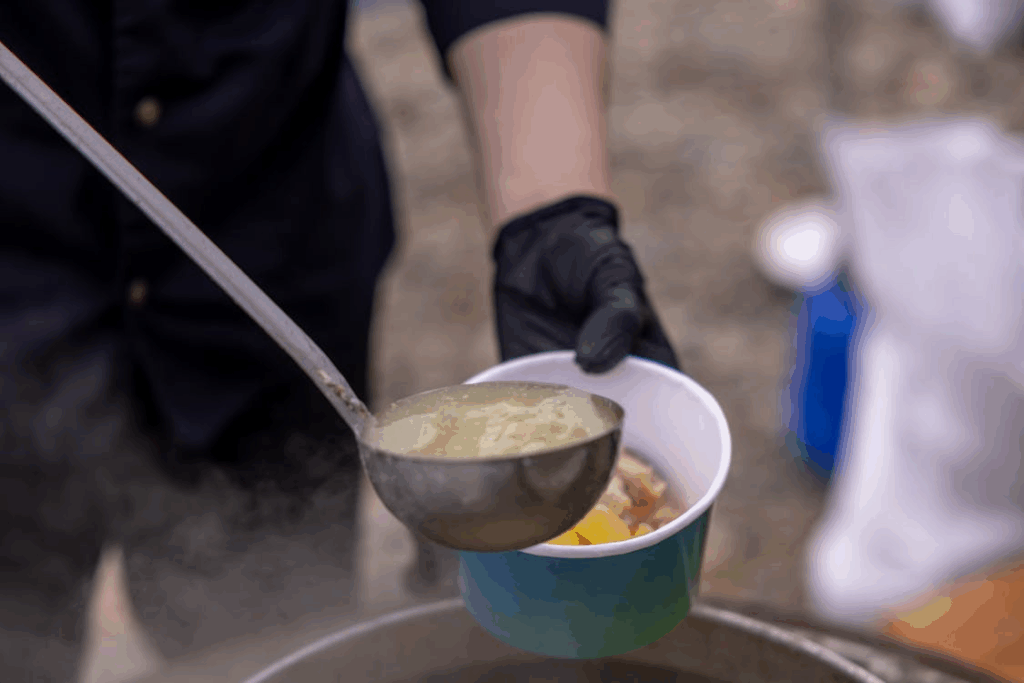
Even thick soups are classified as liquids. Canned or homemade versions must meet the same 3.4-ounce requirement to go through security. If packed in a thermos, officers will ask to open it, which usually leads to confiscation if it exceeds the limit. Some passengers assume that chunky stews qualify as solids, but the broth content still categorizes them as liquid. The safest way to bring these comfort foods is to freeze them solid before travel or place them in checked luggage.
Soft Cheese Spreads
Hard cheeses like cheddar or gouda pass inspection easily, but soft spreads such as brie, cream cheese, and pimento cheese face limits. Anything that can be scooped or spread falls under the semi-liquid rule. These need to be stored in containers of 3.4 ounces or smaller. Solid cheese slices, on the other hand, are never a problem. Travelers often lose items like cheese dips because they forget that “spreadable” equals liquid.
Travel Tips and Expert Advice for Packing Snacks and Meals
Whether planning a short hop or a long haul, having the right snack strategy prevents frustration, fatigue, and unnecessary spending. A bit of planning ensures your food passes security quickly and keeps you nourished during delays. Frequent travelers say that packing light but smart can make even budget flights feel smoother. You don’t need a full meal kit, just well-chosen items that meet TSA standards and sustain your energy. Here are expert-backed guidelines from travel specialists and TSA sources to make packing easier for any kind of trip.
Short Trip Packing Strategy
For shorter flights of two to three hours, simplicity always wins. These trips rarely require full meals, so focus on convenient, solid snacks that clear TSA smoothly and hold up without refrigeration. Granola bars, whole fruit such as apples or bananas, and mixed nuts provide quick energy without mess. Crackers, pretzels, and firm cheeses like cheddar or gouda also travel well and don’t require special storage. Keep everything in one easy-to-reach section of your carry-on so you’re not fumbling at the gate or blocking the security line. Avoid spreadable foods or liquids unless they’re packed in small 3.4-ounce containers that meet TSA’s liquid rules.
If you bring anything perishable, store it in a compact insulated pouch, but remember that ice packs must be completely frozen at the time of screening or they’ll be treated as liquids. A simple approach – minimal food, solid items, easy access – saves time and keeps your travel stress low.
Long Trip or Overnight Flight Strategy

Longer flights require more planning and a mix of nutrition, hydration, and comfort. Since airport food can be expensive and inconsistent, packing your own balanced options can make a big difference. Solid, protein-rich snacks such as jerky, roasted chickpeas, or cheese cubes last for hours and reduce mid-flight hunger. Add fiber with vegetables like baby carrots, cucumbers, or sliced bell peppers, which stay fresh even without cooling packs. If your destination allows it, bring a collapsible container and lightweight utensils so you can combine items mid-flight, like adding fruit to oatmeal or crackers to cheese. For dips or spreads, pack only travel-sized portions under 3.4 ounces to avoid confiscation.
Purchasing sandwiches or salads after security can also save hassle, as these items have already cleared TSA inspection. If you plan to bring larger or liquid-based meals, seal and label them carefully in checked luggage. Clear labeling and airtight containers prevent messes and speed up customs checks upon arrival. This strategy balances comfort and compliance, giving you peace of mind during long travel days.
Emergency Dietary Needs, Low Blood Sugar, or Medical Snacks
Travelers with medical or dietary needs require special care when packing snacks. For those managing diabetes, low blood sugar, or food allergies, preparation ensures safety and comfort. Solid options like glucose tablets, nut bars, or dried fruit are ideal; they’re compact, calorie-dense, and pass security easily. If you rely on gels, such as glucose gel or electrolyte packs, declare them to TSA officers before screening. Medical necessities may be allowed even if they exceed standard liquid limits, but always pack them separately in a clear plastic bag for quick inspection.
If your condition requires chilled food or medication, keep your ice packs completely frozen until security, since partially melted packs count as liquids. Bring extra food in your personal item in case of unexpected delays or confiscations. Having backup snacks prevents serious issues when access to food is limited. For unusual medical items or concerns, reach out to your airline or the TSA’s AskTSA service ahead of time for written confirmation. Advance communication helps you avoid surprises and ensures your health needs are respected mid-travel.
Organization and Screening Efficiency
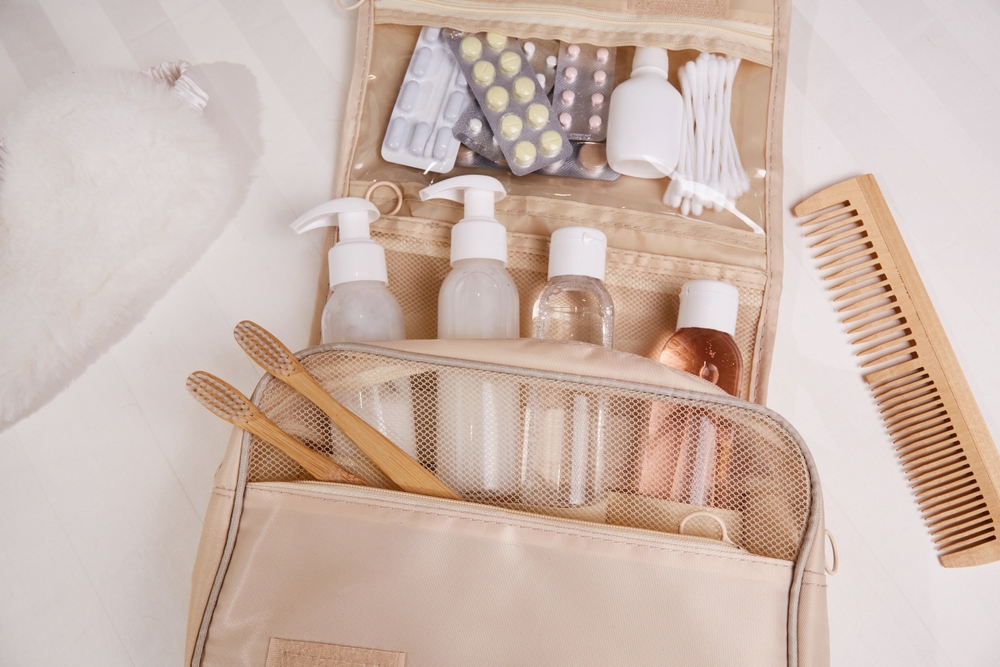
A well-organized bag speeds up the security process and helps you stay calm in crowded lines. Pack your food in a clear zip bag or a dedicated pouch that you can easily remove at screening. Keep liquids and gels, even small food containers, separate from solid snacks to simplify inspection. Avoid stacking food under laptops, books, or heavy clothing, as dense layers can obscure X-ray images and lead to additional screening. A cluttered bag often triggers a manual search, which wastes time and increases the chance of having items removed.
Place TSA-regulated liquids, anything pourable, spreadable, or creamy, in your quart-sized bag to comply with the 3-1-1 rule. Solid foods like sandwiches, chips, or hard cheeses can remain in your carry-on without issue. Staying organized not only saves minutes at the checkpoint but also reduces the stress that comes with surprise bag checks. The TSA website confirms that “solid food items (not liquids or gels) can be transported in either your carry-on or checked baggage,” which remains the simplest rule to remember.
International Travel Considerations
When flying internationally, food restrictions extend beyond TSA rules. Each destination has its own import laws on food, meat, produce, and packaged goods. While TSA may allow something at departure, customs officers in another country can confiscate it upon arrival. Fresh fruits, meats, and dairy products are particularly risky, especially when crossing borders into regions with agricultural or biosecurity regulations. Always check your destination country’s customs website or airline policy before packing. Label and declare food items honestly; undeclared food can result in fines or extended screening. If you need snacks for medical or dietary reasons, bring sealed, commercially packaged versions with ingredient lists to make the inspection smoother.
Many experienced travelers suggest stocking up after security or purchasing local options at your destination to avoid issues altogether. For long layovers or international transfers, choose shelf-stable foods that meet multiple airport standards, like protein bars, biscuits, or dried fruit. The Canadian Air Transport Security Authority (CATSA) and similar agencies abroad share TSA’s approach: solid foods are fine, but liquids and gels remain restricted. Preparing with this awareness keeps you compliant, fed, and less anxious about what customs might take away.
Why TSA Restricts Certain Foods
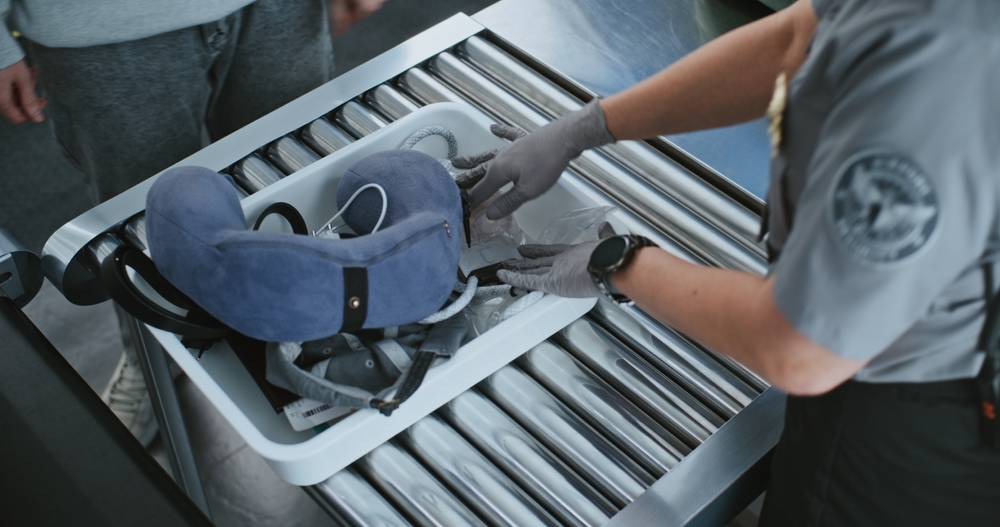
Many travelers are caught off guard when an everyday item like peanut butter or hummus gets pulled aside at airport security. The reasoning traces back to a major security overhaul in 2006, when officials uncovered a plot involving liquid explosives disguised as drinks. Since then, the TSA has treated anything that can be poured, spread, or sprayed as a potential liquid. This includes foods with a gel or paste-like consistency, such as yogurt, sauces, or soft cheese. From a security standpoint, the problem isn’t the food itself – it’s how it behaves.
TSA screening machines analyze density, shape, and opacity. Liquids and gels can mask or mimic restricted substances, which makes it harder for X-ray scanners to determine what’s inside. Even small inconsistencies can trigger a manual inspection, slowing down the line. By applying one rule to all liquid-like items, the TSA simplifies the screening process and reduces human error. That’s why you’ll see the same limits for shampoo and hummus – they fall into the same texture category, not the same safety risk.
Texture also affects how foods appear under X-ray. Solid items like granola bars or sandwiches are easy to interpret because their density is consistent. Spreadable items blur or flatten under imaging, which makes it difficult to tell if the contents are safe. Packaging plays a role, too. Thick plastic containers and opaque jars block parts of the scan, while clear or flexible packaging is easier to inspect. For this reason, travelers are encouraged to pack food in transparent, resealable containers and avoid bulky jars. In short, the restriction exists to save time, maintain consistency, and reduce confusion – not to make travel harder.
Another reason for the rules is that TSA officers must handle millions of passengers per week. Simplifying how items are classified helps them make fast, uniform decisions. If peanut butter counts as a liquid, there’s no argument about its safety – it either meets the size rule or it doesn’t. That uniformity speeds up every line across thousands of airports. So even though it seems arbitrary, the 3.4-ounce limit is more about efficiency than suspicion. Understanding that helps travelers pack smarter and avoid unnecessary frustration at checkpoints.
Common Foods That Are Always Safe to Bring
Despite all the confusion about spreads and sauces, there are plenty of travel-friendly foods that pass through security with no issues. TSA makes it clear that solid snacks are always fine, as long as they don’t contain hidden liquids or gels. This includes staples like trail mix, nuts, granola bars, crackers, and pretzels. Whole fruits such as apples, oranges, and bananas are also permitted, as are firm vegetables like carrots or celery sticks. Even homemade sandwiches are allowed as long as they’re not overloaded with condiments or soft spreads.
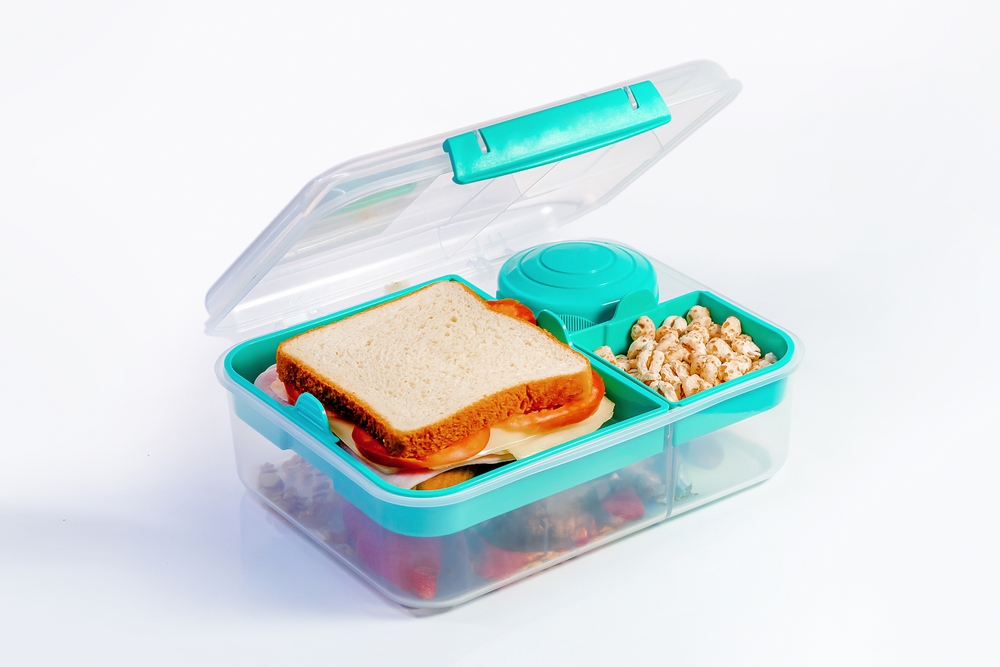
Image credit: Shutterstock
Packaged snacks are another safe bet. Factory-sealed items are easy for agents to identify and rarely require extra inspection. That includes chips, cookies, jerky, or energy bars; basically anything that holds its shape and doesn’t slosh around. Dried fruit and popcorn are popular choices because they last for hours without refrigeration. These foods also keep your energy up, especially if your flight gets delayed or you’re stuck on the tarmac. Travelers who pack simple, dry snacks tend to move through security faster and have fewer interruptions.
One of the most overlooked travel tips is to pack food that doesn’t cause strong odors or spills. Garlic-heavy meals or seafood can bother nearby passengers, especially on long flights. TSA allows them, but good travel etiquette goes a long way. Many seasoned travelers also recommend labeling homemade items or storing them in resealable bags, which keeps them visible and easy to check. Small details like that make screening smoother for everyone involved.
Finally, keep in mind that some foods fall into a gray area between solid and liquid. For example, a sandwich with thick peanut butter may raise questions if it looks heavy or soft under X-ray. The safest move is to go with drier ingredients or pack spreads separately in TSA-approved containers. As long as your food doesn’t ooze, drip, or spread, you’ll almost never have a problem.
Airline Policies vs. TSA Rules

Airlines also make their own decisions about food temperature, reheating, and odor management. Hot meals or large containers might violate carrier rules even if they meet TSA guidelines. Certain budget airlines, for instance, ban outside hot food to prevent spills or strong smells during flight. International carriers may also have stricter sanitation requirements. The bottom line is that TSA clears items for safety, while airlines enforce comfort and hygiene rules for everyone on board.
It’s also worth noting that crew members have final authority in the cabin. If a passenger’s food triggers complaints, smells too strong, or presents a mess risk, attendants can ask for it to be stored or discarded. This happens more often with foods like tuna, curry, or garlic-heavy leftovers. To avoid awkward situations, travelers are better off choosing mild, non-messy foods that don’t require utensils or reheating.
For those with allergies or special diets, communication helps. Contact your airline in advance to confirm their policies, especially for international flights. Some allow refrigerated medical snacks or gluten-free options with prior notice. If your food needs don’t fit within the usual rules, documentation or a doctor’s note can make screening and boarding smoother. TSA officers are generally understanding of legitimate dietary requirements, and flight crews appreciate clear communication.

Image credit: Shutterstock
Final Thoughts
Travel food planning doesn’t need to be stressful if you understand how texture, container size and regulations interact. Solid snacks are generally smooth sailing through TSA eyes; spreadable, pourable or liquid-based foods bring the most complication. With thoughtful packing, emergency dietary planning and organization you stay ahead of delays and keep hunger in check. The rule of thumb: if it can be poured or spread, treat it like a liquid. If it stays firm, you’re likely safe.
Read More: TSA Cracks Down on Unexpected Travel Item: Your Toothbrush
Disclaimer: This article was written by the author with the assistance of AI and reviewed by an editor for accuracy and clarity.