
Zingerman’s Candy Manufactory recalled 234 candy bars on October 24, 2025, a few days before Halloween. The Ann Arbor, Michigan, company reported a temporary production and packaging error that mixed cashews and peanuts into the wrong products without proper labeling.
From a single lot number, 156 Peanut Butter Crush bars and 78 Ca$hew Cow bars were affected, according to the FDA recall notice posted October 27. The recalled candy reached retail stores in Michigan and New York. Halloween week accounts for 8% of annual candy sales. Stores pulled products during their busiest candy-buying period of the year.
The mix-up occurred when Peanut Butter Crush bars contained cashews that weren’t listed on the label, and Ca$hew Cow bars included peanuts that also weren’t declared. This kind of labeling error is especially dangerous because people with allergies depend completely on ingredient labels to stay safe.
What Parents Should Do Right Now
Check your candy immediately for lot number 174250. Both recalled products carry this number on their packaging. The Peanut Butter Crush bars come in yellow and purple two-ounce boxes. Ca$hew Cow bars use light blue and yellow packaging.
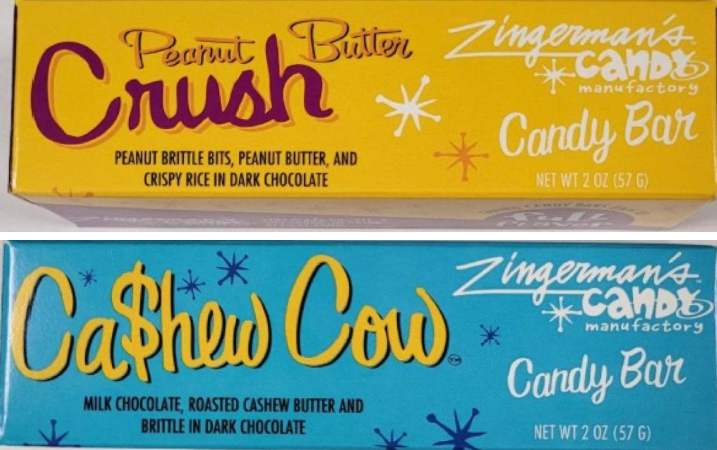
If you have these products, throw them away or return them to the store for a full refund. Zingerman’s set up a customer service line at 877-632-9264 for questions about refunds and product identification.
Parents who need safe alternatives for future events have several options. Some brands are manufactured in dedicated allergen-free facilities. Smarties and Dum Dums contain no major allergens when produced directly by their original manufacturers. Always check labels, though, since different production runs can vary.
The Teal Pumpkin Project provides another way to keep allergic children safe. Houses displaying teal pumpkins offer non-food treats like stickers, glow sticks, or small toys instead of candy. Food Allergy Research & Education started this program in 2014. The project now reaches millions of households across America. You can find participating homes through their online map for next year’s planning.
Keep the Zingerman’s recall number saved in your phone, and check any remaining Halloween candy before letting children eat it. And remember that reactions can happen fast. If a child shows signs of an allergic reaction after eating candy, call 911 immediately.
Which Candy Bars Got Mixed Up and What Zingerman’s Did
Zingerman’s has built its reputation on quality control since 1982. The Ann Arbor company became famous for artisanal foods and careful sourcing. This recall damaged the 43-year-old brand’s image.
The recalled bars contained undeclared cashews and peanuts. Tree nut allergies affect between 0.5% and 1.2% of Americans. Peanut allergies affect 1% to 2%. These numbers mean millions of people faced real danger from mislabeled candy bars. The FDA warned that anyone allergic to cashews or peanuts could face serious or life-threatening reactions. Reactions can progress from hives to anaphylaxis within minutes.
Zingerman’s discovered the problem during a routine quality check on October 15. The company contacted every wholesale customer who received the affected bars within 24 hours. Store shelves were cleared immediately. Workers drove to nearby retailers to pull products themselves rather than wait for standard recall procedures.
“While our range of Candy Bars is one of our most popular products, the number of bars affected was a tiny fraction of our output,” a Zingerman’s spokesperson told reporters. “We notified all of the wholesale customers who received them. They have been removed from sale and many returned to us.”
The company changed its manufacturing process immediately. New training protocols went into effect for all production staff. Workers now perform double checks at every stage where allergens enter the facility. The company installed separate storage areas for nuts and nut-free ingredients. Production lines undergo additional cleaning between batches. Quality control samples increased from one per batch to three.
This marked the only candy recall issued before Halloween 2025, according to FDA and USDA databases. The timing made it especially visible to consumers already worried about rising candy prices and allergen safety.
Why Halloween Makes Food Allergies More Dangerous
Halloween creates extra food safety risks. Kids collect candy from dozens of manufacturers. Every piece changes hands multiple times between houses and bags. With 1 in 13 children having a food allergy, each piece represents a potential exposure risk.
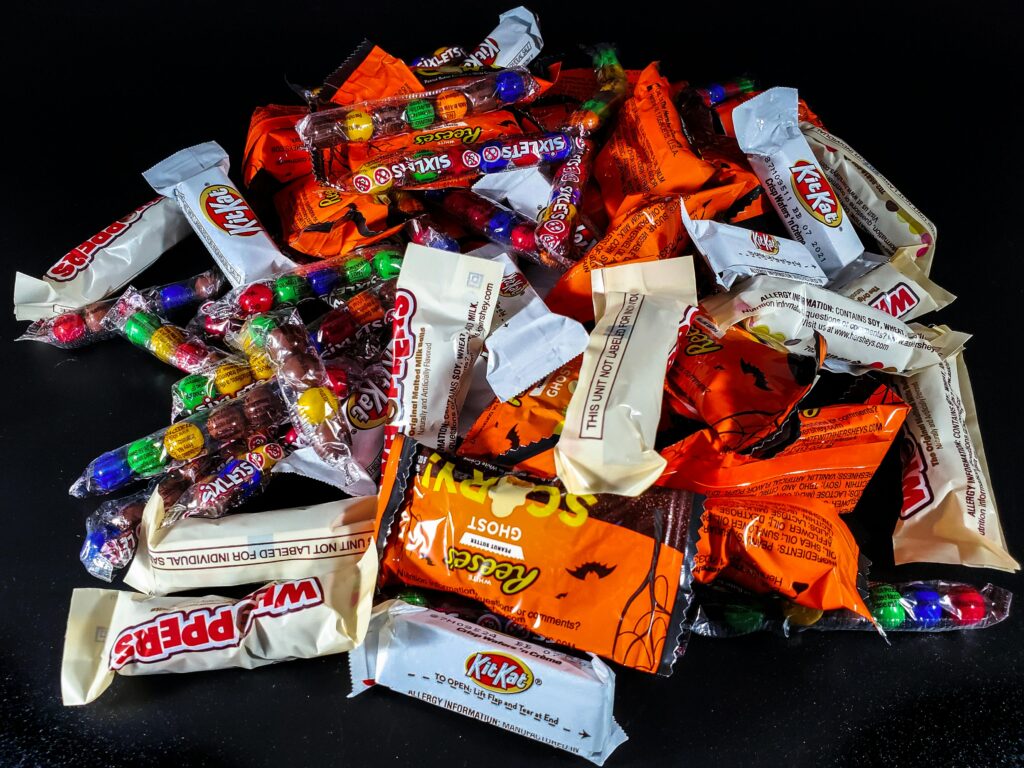
Labels become harder to read during Halloween. Fun-size versions sometimes carry different warnings than their full-size counterparts. Mixed candy bags often skip individual wrapper labels entirely. Mini candy bars frequently use simplified packaging that may omit allergen warnings to save space. A study by Food Allergy Research & Education found that many Halloween-sized candies lack the detailed allergen information found on regular packaging.
Safety experts recommend checking every label before children eat Halloween candy. They suggest keeping epinephrine auto-injectors close during trick-or-treating and candy sorting. Parents should be aware that these devices typically cost between $650 and $750 for a two-pack without insurance, according to 2025 pricing data from GoodRx and SingleCare. Generic versions run $340 to $500. Several states now cap prices. Colorado and Illinois limit costs to $60 for a two-pack, while New York caps them at $100.
How Much the Recall Cost During Peak Candy Season
The National Retail Federation found that Halloween spending reached a record $13.1 billion in 2025. Candy alone made up $3.9 billion. The average person spent $114.45, nearly $11 more than last year. Retailers depend on Halloween for quarterly earnings.
These sales matter even more when prices are rising. Most shoppers, 79% of them, expected higher prices due to tariffs. Some Halloween chocolates jumped 22% from the previous year.
The cocoa crisis pushed chocolate prices especially high. West African farms produce 70% of global cocoa supply, but drought and disease cut yields. Cocoa futures hit nearly $13,000 per metric ton in late 2024. Prices fell to around $6,000 by October 2025, still triple the historical average of $2,000 to $4,000.
These market pressures made October recalls especially painful. Stores ordered inventory months ahead based on expected costs. They set prices and planned promotions. Then the Zingerman’s recall hit during peak demand, forcing overnight inventory checks when customers needed candy most.
The costs add up fast. Workers pull products from shelves while checking batch codes on thousands of items. Contaminated inventory gets destroyed. Display spaces sit empty during the busiest shopping days. Customer service handles returns and complaints. Each task costs thousands in labor and lost sales.
Small stores suffer most. They lack dedicated recall response teams. One person manages the entire recall while serving Halloween shoppers. Lost sales compound when stores can’t replace recalled products quickly. Supply chains stretched thin during Halloween can’t deliver emergency replacements. Disposal fees alone can devastate a small retailer’s October profits.
The 9 Allergens Food Labels Must List
The Zingerman’s candy bar recall happened because of laws that protect people with food allergies. The Food Allergen Labeling and Consumer Protection Act of 2004 requires companies to clearly label major food allergens on their products.
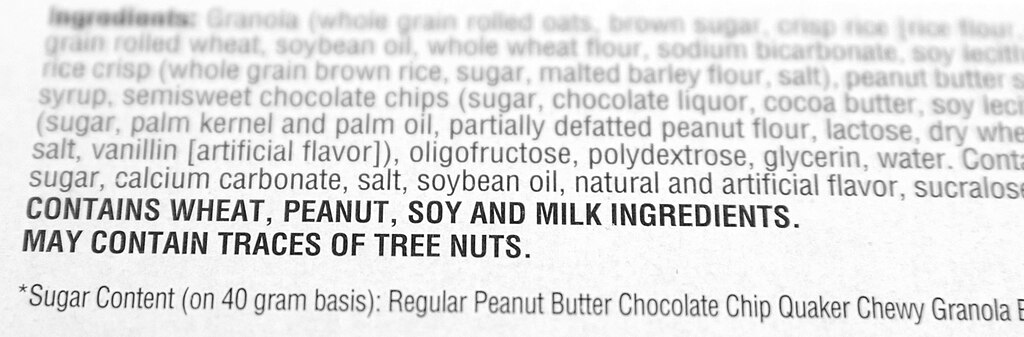
Nine allergens must appear on labels by name: milk, eggs, fish, shellfish, tree nuts, peanuts, wheat, soybeans, and sesame. Sesame became the ninth major allergen in January 2023. These nine allergens account for 90% of all food allergic reactions in the United States.
Congress passed this law after finding that about 2% of adults and 5% of young children in the United States have food allergies. Every year, around 30,000 Americans need emergency room treatment for allergic reactions to food. About 150 people die from these reactions annually. Emergency room visits for food allergies cost the healthcare system $700 million per year. Families with food-allergic children spend an additional $4,200 annually on special foods and medical care.
The FDA enforces these labeling rules for packaged foods and beverages. FDA conducts about 15,000 food facility inspections annually, but with 167,000 registered facilities in the U.S., most companies go years between inspections. The agency relies on company self-reporting and consumer complaints to catch problems between visits.
How Allergens End Up in the Wrong Products
Food recalls hit 296 in 2024, according to a U.S. PIRG Education Fund analysis of FDA and USDA data. Recalled food sickened 1,392 people, up from 1,118 in 2023. Hospitalizations more than doubled from 230 to 487.
Undeclared allergens led with 101 recalls, making up 34% of the total. These recalls happen when products contain milk, eggs, peanuts, tree nuts, wheat, soy, fish, shellfish or sesame without listing them on the label. Bacterial contamination caused 89 recalls. Foreign objects triggered 43. Metal fragments from broken equipment and plastic pieces from packaging materials were common culprits.
The Grocery Manufacturers Association found that the average allergen recall costs a company $10 million in direct expenses. This includes destroying contaminated products, halting production lines, and managing the recall process. Sales for affected products drop 22% over the following year, according to the same research. Some brands never recover their market share.
The rise in allergen recalls comes from better detection methods and shifts in how food is made. Companies experiment with new flavors and protein sources that bring more allergenic ingredients into products. Plant-based items lean heavily on soy, wheat, and tree nuts. Sesame and peanuts show up in global fusion foods where they never appeared before. Snacks fortified with extra protein often add milk or egg derivatives.
Why Food Allergen Recalls Keep Rising
Undeclared allergens now cause about one-third of all food recalls, according to FDA data. The Grocery Manufacturers Association found that the average allergen recall costs a company $10 million in direct expenses, plus an estimated 22% drop in sales for affected products over the following year.
Food recalls hit 296 in 2024, according to FDA and USDA data. Recalled food sickened 1,392 people, up from 1,118 in 2023. Hospitalizations more than doubled from 230 to 487. Undeclared allergens led with 101 recalls, making up 34% of the total. Bacterial contamination caused 89 recalls, while foreign objects triggered 43. The rise in allergen recalls reflects both better detection methods and more products using allergenic ingredients as companies experiment with new flavors and protein sources.
Small companies face unique pressures. Comprehensive allergen testing requires multiple samples per batch and can become expensive for small producers making multiple products. Many skip testing and rely on cleaning protocols alone, increasing recall risk.
What Companies and Consumers Should Do Now
Food safety experts say recalls show the system is working. Companies catching problems before people fall ill represents progress. Prevention costs one-tenth of what recalls cost, but requires upfront investment. Many companies delay until after their first incident.
Training beats technology in preventing allergen mistakes. New workers need hours of instruction on allergen control. The National Registry of Food Safety Professionals reports that facilities with certified allergen control managers experience 70% fewer recalls than those without specialized training. A single employee skipping one protocol can trigger a recall affecting thousands of consumers.
Consumers need to stay alert. Read candy labels every time, even for brands you trust. Manufacturing processes change. Download the FDA’s app or sign up for email alerts at fda.gov/recalls. Check the allergen statement and ingredient list separately, as errors can occur in either location. Contact manufacturers directly through customer service lines printed on packages when uncertain.
The Zingerman’s recall reminds everyone that allergen safety requires constant attention. No one has reported getting sick from the recalled candy. The candy industry expects stricter regulations by 2026, including mandatory electronic verification systems and real-time lot tracking. Until then, human vigilance and consumer awareness remain the best defense against allergen accidents.
Read More: Why the FDA Recalled 28 Drinks Over Safety Concerns