

Are you someone who coughs regularly? Or perhaps you had an illness, and now you have a nagging cough that just won’t seem to go away. You’re not alone, and your coughing may or may not be problematic. Coughing is a natural reflex that helps clear the lungs and airways of irritants. These can be dust, mucus, microbes – it can even just be really cold, dry air in the wintertime. While coughing is a common symptom of many illnesses, the type and duration of a cough can give you various hints about your health. To help you understand it all, we’ve created this simple guide that breaks down the different types of coughs, the possible reasons why you’re experiencing one, and what you can do about it.
What Is a Cough?

Coughing is a protective reflex that helps your body remove dust, mucus, and other unwanted particles from your respiratory tract. A cough is your lung’s natural cleaning mechanism, removing these particles from your lungs and airways to keep you breathing well. A cough can also be for other reasons, for example, from smoking (the ‘smoker’s cough’) or as already mentioned, after breathing particularly dry and/or cold air. Dry and cold air also irritate the lung’s cilia – the tiny hair-like structures that keep your lungs clear, as well as your bronchioles, the part of the lungs responsible for oxygen transfer.
Types of Coughs and What They Mean

There are many different types of coughs, all with their own causes and also with their own consequences. Some types of coughs are really not a big deal and are nothing to worry about. They will go away on their own and shouldn’t cause too much concern. Sometimes, however, a cough can indicate that there is another health concern. These concerns can be mild to something more serious. Knowing how to differentiate between these types of coughs and figure out when you should seek medical help or not is the tricky part. Use the following guide to help make informed decisions, and as always, if you are really unsure, go see your doctor.
1. Dry (Non-Productive) Cough
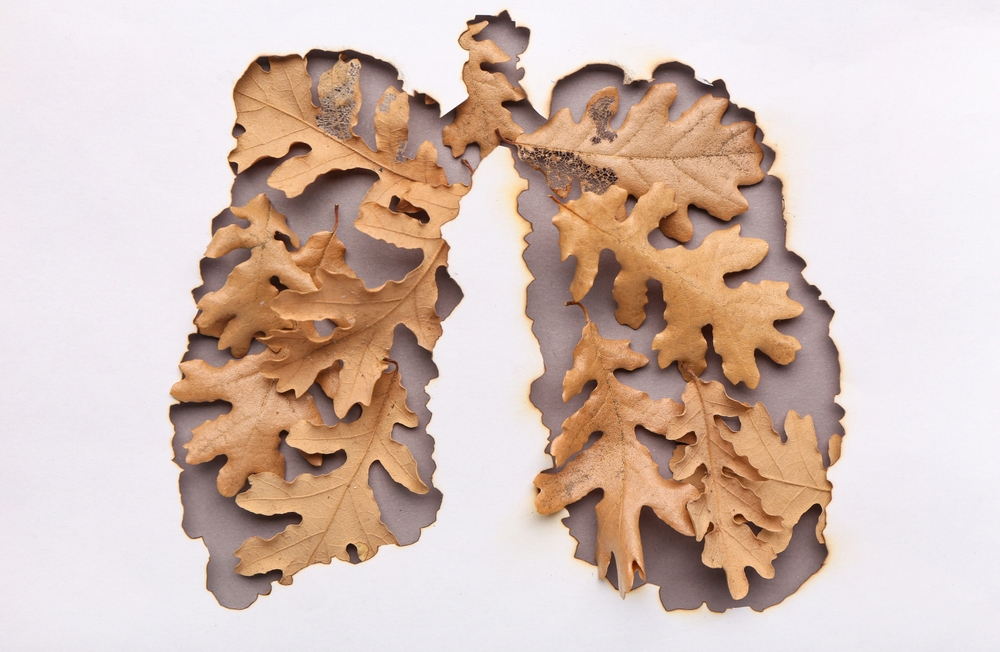
A dry cough is one that does not produce mucus or phlegm (pronounced flem). Dry coughs are often caused by irritation or inflammation in the throat or upper respiratory tract. They can be caused by viral infections such as the common cold or even environmental irritants.
2. Wet (Productive) Cough

A productive cough is one that produces mucus or phlegm from the lower airways. This is what it is called a wet cough – because it expels liquids. When you have a wet cough, you may have rattley-sounding breathing as well as chest congestion. Wet coughs can be caused by infections such as bronchitis, pneumonia, or chronic conditions like bronchiectasis or cystic fibrosis. It could, however, also be caused by something as simple as post-nasal drip. This is when liquid from the nose drips down from the nasal passages into the lungs. This can happen after you’ve had a cold or sinus infection and your nose is over-producing mucus, or even after spending a long time outdoors in cold or windy weather. Essentially, a productive cough isn’t always serious, but it can indicate a more severe illness.
Duration of Coughs and Their Significance

Another factor to consider when trying to determine whether your cough is signalling something more serious is its duration. Short-term coughs are usually no big deal. Long-term, persistent, or chronic coughing, however, could indicate something more. Use the following breakdown to understand your cough’s duration better.
Short-Term (Acute) Cough: Less Than 3 Weeks

Short-term coughs are ones that last less than three weeks. There are many reasons that you may develop this kind of cough. These include:
- Viral infections (cold, flu, Covid-19)
- Sinusitis (aka a sinus infection)
- Whopping cough (pertussis)
- Bronchitis or pneumonia
- Poorly controlled asthma
Most of the time, coughs due to these causes resolve themselves on their own within 2-3 weeks. There isn’t necessarily a need for medications, though sometimes natural remedies such as ginger, lemon, and honey tea can be helpful. If it’s sinus congestion that is contributing, taking medications or steps to mediate that can be useful. As always, if you are stressed or worried about it, visit your doctor.
Persistent (Chronic) Cough: More Than 8 Weeks

Chronic coughing is not only annoying, it’s also a sign that you should go visit your doctor. While it doesn’t necessarily indicate something incredibly serious, it does mean that your body is having trouble taking care of the problem on its own. In the case that it is more serious, the earlier you get it checked out the better. Some common causes of a chronic or long-term cough include:
- Post-viral cough
- Asthma (including cough-variant asthma)
- Ongoing sinusitis or post-nasal drip
- Chronic obstructive pulmonary disease (COPD)
- Habit cough (common in children)
- Lung or larynx cancer
- Tuberculosis and other chronic infections
- Gastroesophageal reflux disease (GERD)
- Side effects of some medications (e.g. ACE inhibitors)
- Heart failure
Again, a cough that lasts longer than 3 weeks warrants a visit to your doctor. If it is something serious, it is better to find out now when it is perhaps more treatable as opposed to when it has been left to fester and can be even more serious.
When to See a Doctor

As always, if something is causing you stress, or if you just have a feeling that you should go talk to your doctor, do it. It is better to go and find out that there is nothing to be worried about than to spend longer than necessary stressing over it. That being said, there are some definitive signs that, no matter what, you should go visit your doctor about your cough. These include:
- Cough lasting more than 3 weeks
- Shortness of breath, chest pain, or unexplained tiredness
- Coughing up blood or mucus
- Persistent coughing that interferes with sleep
- Unexplained weight loss or fever
For Children

For children and babies, the need to see a doctor is generally higher as these small humans’ immune systems are still developing. A little cough or cold can go from mild to severe really quickly, so generally you will want to monitor them more closely and seek medical advice sooner than with an adult. Go see your pediatrician for your child’s cough in the following cases, and as always, if your gut is telling you that something might be wrong:
- Sudden onset of cough (possible sign of choking)
- Cough lasting longer than 2 weeks or without cold symptoms
- Difficulty breathing, high fever, tiredness, or decreased fluid intake
When to Seek Emergency Care

Beyond seeing a doctor, there are some cases in which calling emergency services is required. Call emergency services immediately if a child or adult:
- Turns blue or very pale
- Has severe trouble breathing
- Is drowsy or unresponsive
- Is choking
Treating a Cough

There are many different ways to treat and manage a cough so that it is not so annoying and disruptive, and also so that it will go away as soon as possible. The way you treat a cough will depend on the cough’s severity and duration (essentially, all the items explained above).
Self-Management Tips

Many coughs can be self-managed quite easily and without need for medication. Often, though not always, it is wise to start with these self-management tips in the first week or two of developing a cough. If the cough won’t go away, then seek medical attention. Try the following:
- Stay hydrated by drinking plenty of water
- Rest and avoid strenuous activity until symptoms improve
- Honey (1-2 teaspoons 30 minutes before bedtime) may soothe a cough. It is very important to note that honey should never be given to an infant under 12 months of age.
Medications

Over-the-counter cough medicines generally do not help with short-term coughs, despite what the commercials might tell you. What’s more, they can actually have side effects, especially in young children. Antibiotics are also not effective if the cough is being caused by a viral infection. They are not recommended unless they are prescribed by a doctor for a bacterial infection. The treatment that your doctor prescribes for you or your child will be highly dependent on what type of cough you have and what is causing it.
Other Remedies

A quick search online about treating a cough will bring up many supposed remedies, particularly natural ones. These include remedies such as vitamin C, steam inhalation, and humidifiers. There is, unfortunately, a definitive lack of strong scientific support to back up these claims, so they shouldn’t be relied upon for treating a cough. What you can do is to avoid smoking or exposure to smoke, as well as other fumes, as it worsens cough symptoms.
Preventing a Cough

The reality is, if you get a cold, flu, or any other illness, preventing a cough from developing as a result is not really feasible. As mentioned already, a cough is the body’s protective response to clear out the lungs of unwanted particles. That being said, there are things that you can do to simply prevent getting sick altogether. These include:
- Frequent hand washing
- Wearing a mask in high-risk environments
- Avoiding close contact with people who are sick
- Quitting smoking
- Getting the flu vaccine, if possible
As always, if you or your child are sick, stay home and keep your distance from others. While getting sick is an inevitable part of life, you can prevent spreading the illness to others by staying home until you are no longer contagious.
The Bottom Line

Coughing is a common symptom with many causes. These can range from minor viral infections to serious health conditions. Understanding the type and duration of your cough can help you decide when to seek medical care, as well as how to best manage your symptoms. It is a good idea to track or write down when you developed the cough, how the cough is progressing, as well as all other symptoms or potential explanations for that cough. This way, if it does not go away after the two or three week time period, you can better explain the situation to a doctor. If your cough lasts more than 3 weeks (or two weeks for children), worsens, or is accompanied by other concerning symptoms, consult a healthcare professional as soon as possible.
Read More: What’s Causing Your Nagging Cough?