
As the price of groceries and everyday items rise amidst the Trump tariffs, consumers are soon to feel the pinch on their pockets. The Trump administration’s implementation of hefty tariff rates towards its foreign trade partners has triggered widespread retaliation from them. The U.S. now imposes tariffs ranging from 10% to 145% on various countries, representing the highest levels since the 1930s. This escalation, however, directly impacts American consumers and businesses negatively.
Recent Tariff Extensions and Announcements
President Trump signed an executive order on July 7, 2025, extending the tariff modification deadline from July 9 to August 1, 2025. This extension affects dozens of countries that were originally scheduled to face higher tariff rates. The administration stated that this delay allows for continued trade negotiations while maintaining pressure on trading partners.
The latest round of tariff letters was sent to 14 countries on July 7, 2025, including major trading partners Japan and South Korea. Additional letters to at least 7 more countries were announced for July 9, 2025. These communications specify exact tariff rates that will take effect on August 1, 2025, unless new trade agreements are reached.
China
The U.S. maintains an aggressive stance against China which dates back to the first term of the Trump administration. As part of an ongoing trade war, the Trump administration hit China with tariffs reaching 145% on many products. Additional sector-specific tariffs target steel, aluminum, and automotive imports. The tariffs may be aimed at limiting China’s technological advancement and maintaining American global dominance.
In response, China has escalated its tariffs on all U.S. goods, imposing 125% retaliatory tariffs as of April 2025. The State Council Tariff Commission announced these measures would apply on top of existing tariff bases, stating that “given the current tariff level, there is no market acceptance for U.S. goods exported to China”.
The tariffs imposed by the Chinese heavily impact American agricultural exports, particularly soybeans, wheat, corn, cotton, pork, and beef. U.S. energy exports including coal and LNG face extra duties, while American manufacturing equipment and large-engine vehicles encounter significant barriers.
Read More: Trump’s Tariffs Impact Unexpected Places—Including an Uninhabited Island
European Union

The EU faces a 20% “reciprocal” tariff on €379 billion worth of exports to the U.S., along with 25% tariffs on automotive and steel/aluminum products. The U.S. justifies these measures under national security provisions and trade imbalance concerns.
The EU has launched comprehensive retaliatory responses targeting approximately €95 billion of U.S. imports. The European Commission is implementing a two-phase approach, with initial tariffs on €8 billion of goods and expanded measures affecting €18 billion in additional products.
EU retaliatory tariffs affect American agricultural products, industrial goods, and consumer items. Bourbon, motorcycles, and boats face immediate tariffs, while expanded measures target aerospace products, beef, pork, and other manufactured goods. American steel scrap and chemical exports worth €4.4 billion may face export restrictions due to the tariffs.
Canada

Once America’s close trade ally, Canada now faces 35% U.S. tariffs on most goods, with energy exports subject to a lower 10% rate. The U.S. cites national security concerns and ongoing trade imbalances as justification, although historically, the U.S. has maintained a trade surplus with Canada in goods.
In response, Canada has implemented 25% tariffs on C$155 billion worth of U.S. goods. The countermeasures began with immediate tariffs on C$30 billion in products, with an additional C$125 billion in goods designated for subsequent rounds of enforcement.
Consumer goods impacted by these tariffs include alcoholic beverages such as wine, spirits, and beer, as well as everyday items like orange juice, peanut butter, and coffee. Other affected categories include appliances, cosmetics, and paper products. The second phase will extend to American passenger vehicles, trucks, steel and aluminum products, aerospace goods, beef, pork, and dairy.
Read More: Trump’s Tariffs Are Here, and People Are Sharing Their Receipts
Mexico
Initially, Mexico faced 25 percent U.S. tariffs on all imports, set to begin in February 2025. The U.S. justified the move by citing drug trafficking and border security concerns, declaring a national emergency in response to Mexico’s alleged failure to curb fentanyl smuggling and irregular migration.
In response, Mexico prepared a comprehensive “Plan B” that included tariffs on U.S. goods and potential non-tariff barriers. However, both nations reached a temporary agreement in early February, under which Mexico agreed to deploy 10,000 troops to its borders. In return, the U.S. suspended the tariffs for one month while the two sides worked to address immigration and drug enforcement issues.
These tariffs, if implemented, would significantly impact American agricultural exports, manufactured goods, and energy products. Given Mexico’s position as the United States’ largest trading partner, with over $505 billion in goods imported in 2024, such disruption would have immediate effects on U.S. food supply chains, especially in categories like fruits and vegetables, where Mexico is a key supplier.
Brazil

Starting in April 2025, Brazil faced a 10 percent tariff on some exports to the U.S., including steel and aluminum products. However, the Trump administration officially announced a staggering 50 percent tariff increase on Brazilian imports, effective August 1, 2025, significantly escalating trade tensions.
Brazil has called the U.S. tariffs unjustified, noting that America maintains a $7 billion trade surplus in goods with Brazil. The Brazilian government is exploring all response options, including World Trade Organization action and implementing its Economic Reciprocity Bill.
Products affected include Brazilian steel and aluminum exports, which face particular pressure and could impact American construction and manufacturing costs. Brazil also supplies roughly 70 percent of the world’s Arabica coffee beans, so tariffs could increase the cost of coffee imports significantly.
Brazil has expressed strong opposition to the tariff hike and urged the U.S. to engage in trade talks, emphasizing its willingness to negotiate a mutually acceptable agreement.
South Korea

Starting August 1, 2025, South Korea will face a 25 percent U.S. tariff on all products unless a trade agreement is reached before that date. This notably covers major exports such as automotive, semiconductors, steel, and aluminum. The U.S. cites South Korea’s substantial trade surplus—$55.6 billion in 2024, and strong manufacturing edge as justification.
South Korea is actively negotiating with the U.S. to avoid or reduce the tariffs, emphasizing its existing KORUS free trade agreement and the two nations’ defense partnership. Officials say national interests outweigh precipitous concessions, and Seoul is leveraging its investment in U.S. industry and alliance credentials to press for exclusions, especially in autos, steel, electronics, and semiconductors .
However, there is no evidence that U.S. agricultural exports (such as beef, pork, soybeans, or wheat) or aerospace and defense products are explicitly targeted for retaliation by Korea. While Korean dependence on food imports means elevated tariffs could indirectly impact U.S. agricultural exports, there is no indication that Korea has proposed barriers in these sectors at this stage.
Read More: Mark Cuban: What to Buy Now as Trump’s Tariffs Raise Prices
Japan

Japan faces 25 percent U.S. tariffs on all products starting August 1, 2025. The U.S. justifies these measures despite Japan’s status as a close ally, citing trade imbalances and concerns over the automotive industry and non-reciprocal market access.
Japan is engaging in intensive negotiations to avoid or minimize the tariff impacts, leveraging its strategic alliance with the U.S. and existing trade agreements. The country is seeking exemptions for key export sectors, particularly autos, electronics, and steel.
These tariffs could complicate U.S.–Japan trade relations and may indirectly affect American exports if talks stall. While current Japanese measures are focused on negotiating relief rather than retaliation, Japan’s position as a major foreign investor and defense partner gives it potential leverage in discussions. There is currently no indication that Japan plans tariffs on U.S. agricultural or energy exports, though trade tensions could eventually impact broader sectors.
Food and Grocery Items Under Threat
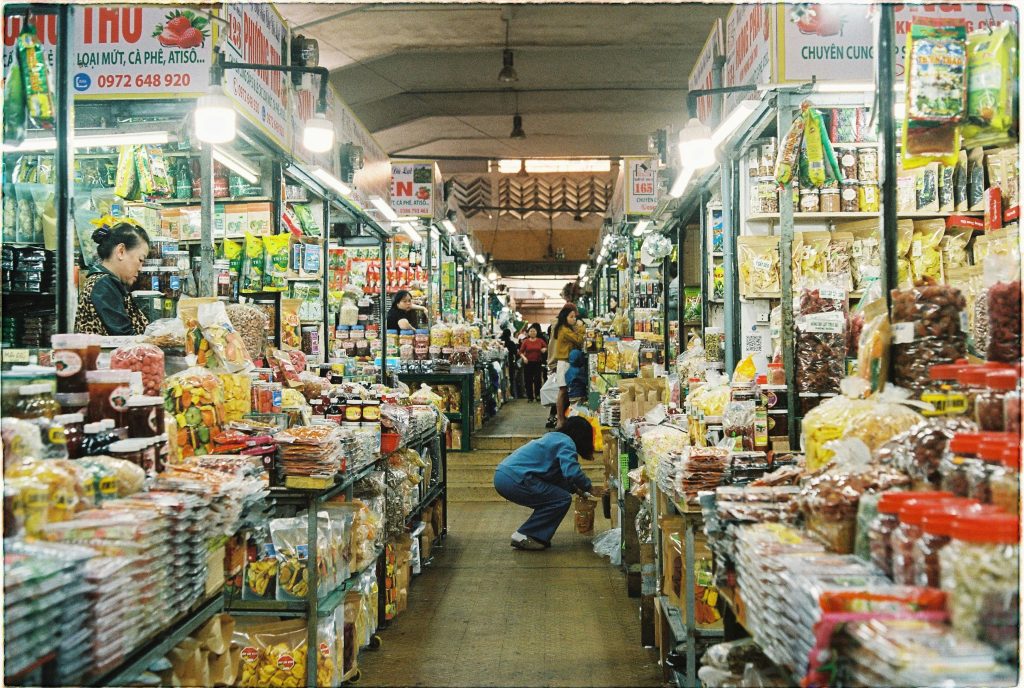
Coffee prices face immediate pressure as most beans come from countries with new tariff measures. Brazil, Colombia, and other coffee-producing nations appear on recent tariff lists. This threatens to make morning coffee significantly more expensive for American consumers.
Rice imports from Asia face substantial tariff increases, particularly specialty varieties like jasmine and basmati. Thailand, Cambodia, and Bangladesh all received tariff letters, covering major rice-producing regions. Domestic rice production cannot easily replace these imported varieties.
Olive oil costs will rise as Mediterranean suppliers face EU-wide tariff rates. Italy, Spain, and Greece produce most imported olive oil, making this product especially vulnerable. The 20% EU tariff rate will directly translate to higher grocery store prices.
Spices from multiple Asian and African countries face new tariff burdens. India, Indonesia, and other spice-producing nations appear on tariff lists. These products travel thousands of miles and face multiple transportation costs before reaching American kitchens.
Economic Impact on Americans
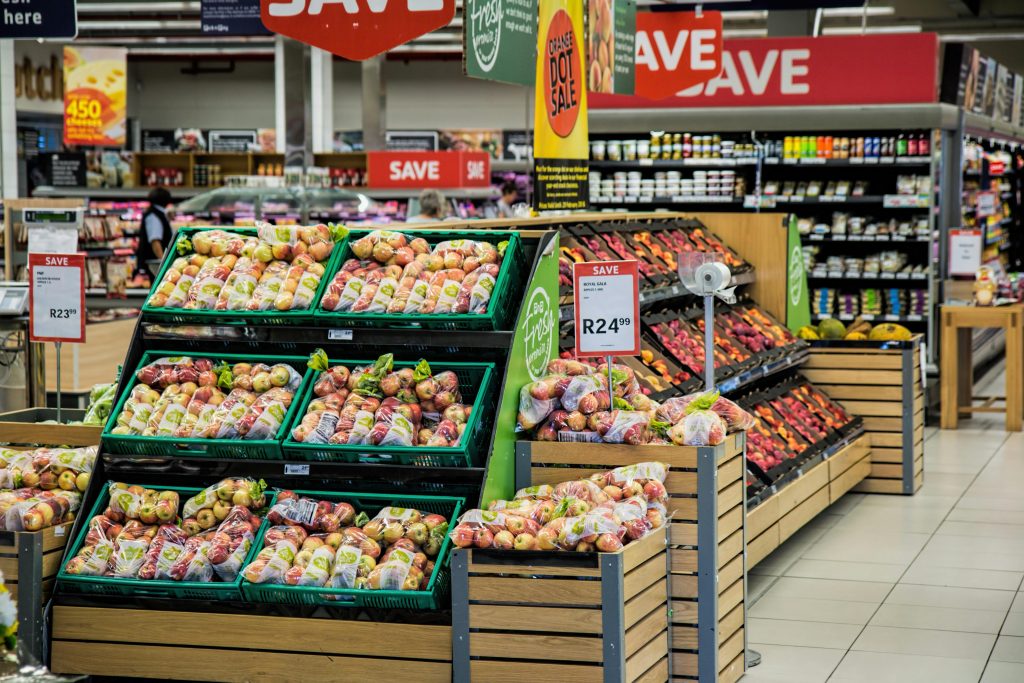
These tariff wars create substantial cost pressures for American consumers and businesses. Lower-income households face the disproportionate burden of these tariffs, with cost-of-living increases reaching 6.2% for families earning under $28,600 annually. Food prices alone could rise 2.6% in the short term, while clothing and footwear face dramatic increases of 37% and 35% respectively. With no prospective financial relief for the American consumer, being able to stretch your dollar is more important than ever.
Stay informed on evolving U.S. tariff policies with our up-to-date Trump 2.0 Tariff Tracker. Visit Trade Compliance Resource Hub for timely updates, expert insights, and compliance resources.
Read More: 5 Things to Grab Before Trump’s Tariffs Hit on August 1st