

A bowl of white vinegar sitting on a closet shelf might look like an old household trick, the kind of thing that sounds plausible but leaves you wondering whether it actually does anything. While vinegar isn’t a cure-all for every unpleasant smell, there is some science behind why it can help with certain odors. The acetic acid in white vinegar can interact with certain odor-causing compounds, reducing the concentration of lingering odors in small, enclosed spaces.
Closets are especially good at holding onto odors because they often have limited airflow. Over time, smells can build up from a combination of sources: clothes that weren’t completely dry before being put away, shoes carrying sweat and bacteria, fabrics that have absorbed body oils, or materials that slowly release trapped odors. These smells come from volatile organic compounds (VOCs), molecules that travel through the air and reach your nose.
Unlike an air freshener, which adds another fragrance to compete with an existing smell, vinegar works through a different process. Its active ingredient, acetic acid, can react with certain alkaline odor compounds and change their chemical form. The result is that some odor molecules become less likely to remain airborne and noticeable.
That doesn’t mean a bowl of vinegar will solve every closet odor problem. It won’t replace cleaning, ventilation, or addressing moisture issues like mold and mildew. But for everyday smells caused by clothing, sweat, and other organic compounds, vinegar offers a simple example of how basic chemistry can influence the way a space smells.
Here’s what’s happening when you leave a bowl of vinegar in a closet, and where the method works best.
Vinegar Neutralizes Odors Chemically, Not Cosmetically
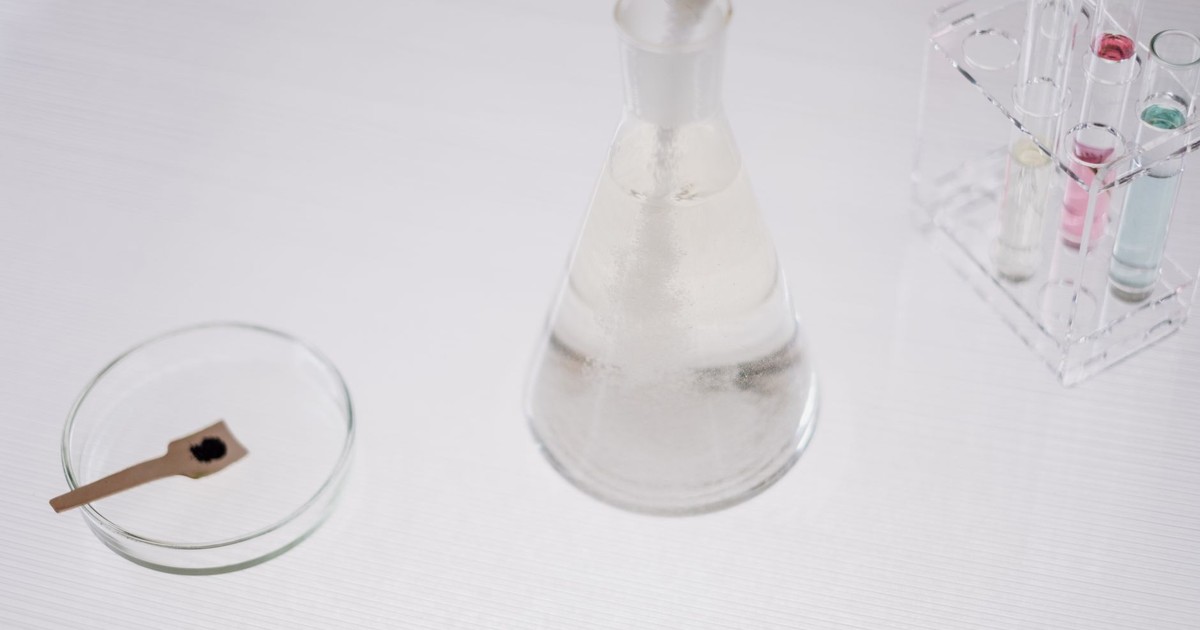
Commercial air fresheners flood the nose with a stronger competing scent, leaving the original smell intact, just temporarily outcompeted. Vinegar, a dilute solution of acetic acid, takes a different route: a chemical reaction that converts odor-causing molecules into something non-volatile. Odors arrive at your nose as VOCs that have become airborne. When acetic acid molecules evaporate from the bowl and encounter airborne alkaline odor compounds, a neutralization reaction transforms those compounds into non-volatile salts, removing their ability to travel through the air and reach your nose.
Heating white vinegar vaporizes the acetic acid faster, but in a closed closet, no heat is needed – simple evaporation at room temperature releases enough acetic acid to begin this bonding process. The reaction produces measurable results: the concentration of airborne volatile compounds drops when a bowl of vinegar is present in an enclosed space.
According to Australia’s Department of Climate Change, Energy, the Environment and Water, acetic acid qualifies as a volatile organic compound itself, which is precisely what allows it to travel through the air of a closed space and intercept odor-causing molecules. A bottle of white distilled vinegar from any grocery store contains approximately 5% acetic acid, a consistent concentration that provides meaningful odor control without being harsh on fabrics or nearby surfaces.
Ammonia-Based Odors Convert Into an Odorless Salt
Sweat ranks among the most common sources of closet smell. When sweat dries on clothing, the ammonia it contains – a waste product of protein metabolism – lingers in the fabric and slowly releases into the surrounding air. Ammonia carries a high pH, which makes it a textbook target for acetic acid.
The reaction proceeds via proton transfer: acetic acid donates a proton to ammonia, forming ammonium acetate. As Britannica’s chemistry reference explains, this neutralization can be written as CH₃CO₂H + NH₃ → CH₃CO₂⁻ + NH₄⁺. The resulting salt carries no volatility – it doesn’t float in the air and can’t reach your nose. The volatile odor molecule locks into a stable form, removing it from the ambient air entirely. A bowl of vinegar sitting in a closet where clothing with residual sweat or ammonia compounds has been stored actively reduces the concentration of those airborne molecules over time.
Research published by Cleaning Science World also confirms this chemistry applies when vinegar contacts fabric directly, making it effective both as a passive air treatment and as a laundry additive. This is also why vinegar has long been used to neutralize pet urine odors on hard surfaces – acetic acid targets the ammonia in urine and converts it through the same mechanism.
Clothing Itself Generates Closet Odor
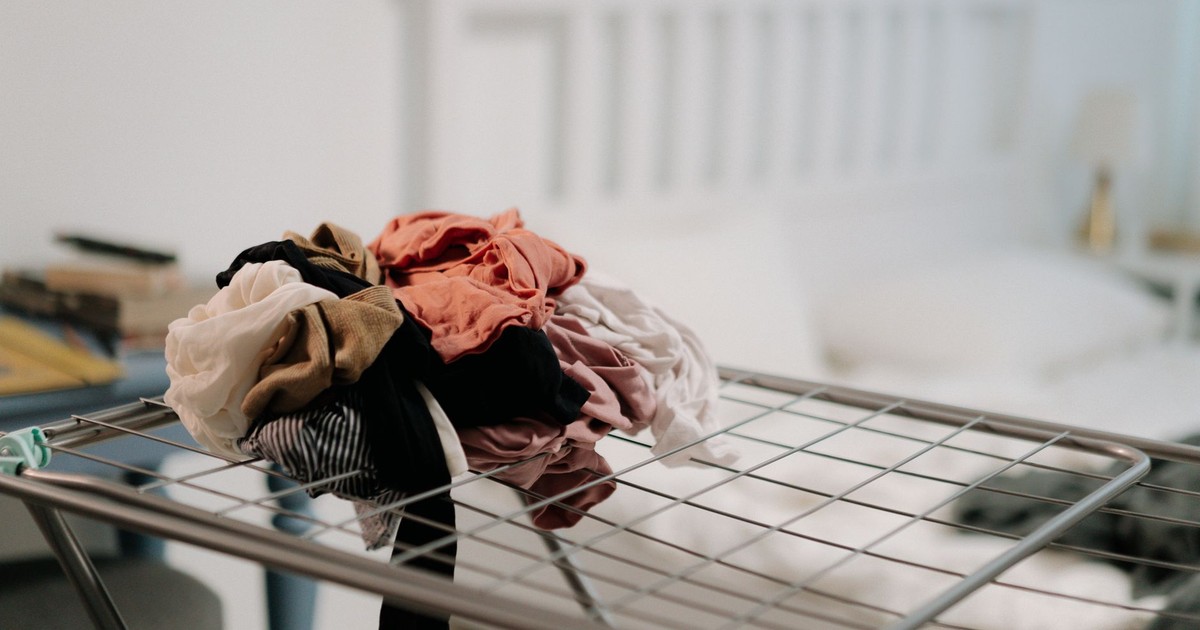
The clothes hanging in your closet don’t have to look dirty to smell bad. Dried sweat, dead skin cells, and residual dirt on garments generate odor molecules as biological material breaks down – even on a blazer worn for a few hours indoors or a sweater used briefly. Researchers at the University of Alberta have studied how odor-causing bacteria colonize clothing, finding that synthetic fabrics harbor significantly more odor-producing bacteria than natural fibers after wear.
The problem compounds based on fabric type. Natural fibers such as wool, silk, and linen absorb moisture from the body, from ambient humidity, and from any residual dampness after washing. That trapped moisture creates favorable conditions for the bacterial activity that produces odor. Synthetic fabrics present a different challenge: they tend to bind odor molecules more tenaciously than natural fibers, making them harder to air out passively.
A bowl of vinegar placed in the closet doesn’t clean the garments themselves, but it reduces the concentration of airborne odor compounds that have been released from stored items. For a wardrobe with natural fiber clothing that gets worn regularly, this makes a meaningful difference in the overall smell of the space. To tackle the fabric directly, vinegar in the laundry cycle also deactivates ammonia compounds locked into textile fibers – the same acid-base chemistry, applied at the source.
Moisture and Mold Drive the Worst Closet Smells, According to the EPA

Not every closet odor originates from clothing. The deeper, mustier smell that develops in older homes or poorly ventilated spaces often comes from mold or mildew – microscopic fungi that colonize walls, floorboards, and fabric when humidity stays consistently elevated. According to the EPA, drying wet or damp materials within 24 to 48 hours prevents mold from growing in most situations. Brief moisture exposure rarely causes a problem; sustained moisture does.
The EPA recommends keeping indoor humidity between 30 and 50 percent to prevent mold from establishing itself. Closets are particularly prone to problems because they stay enclosed, often receive no direct ventilation, and may sit against exterior walls where temperature differentials generate condensation. A 2022 study published in the Journal of Fungi by researchers at Hong Kong Baptist University found that moisture level plays a more important role than temperature in indoor mold prevention – meaning even a relatively cool closet can develop mold if humidity goes uncontrolled.
A bowl of vinegar addresses the odor that mold and mildew produce, but won’t resolve the underlying moisture problem or do much to kill the mold directly. For closets where a musty smell persists, the bowl of vinegar works best alongside a small desiccant packet or a closet-sized dehumidifier. Leaving the closet door ajar for part of the day improves air exchange enough to reduce odor buildup over time.
Timing Matters: Vinegar Works Hardest in the First 24 Hours
A fresh bowl of vinegar doesn’t perform at a flat rate throughout the week. Odor-absorbing power peaks in the first 24 hours, when acetic acid concentration is highest and molecules evaporate into the surrounding air most rapidly. During this window, the neutralization reaction with airborne odor compounds runs at its greatest rate.
After the first day, effectiveness gradually diminishes. The acetic acid slowly evaporates from the bowl, and the remaining solution accumulates neutralized odor compounds. Replacement every two to three days keeps the method working rather than simply occupying shelf space. Studies specifically measuring vinegar’s odor absorption timeline across 72-hour periods are limited to observational reports rather than peer-reviewed data, so the two-to-three-day replacement guideline reflects practical experience with acetic acid evaporation rates rather than controlled experimental findings.
Placement also matters. A middle shelf, away from fabric and out of reach of children and pets, allows evaporating acetic acid to circulate freely through the space. A shallow, wide bowl exposes more liquid surface area to the air than a deep, narrow container – more surface area means faster evaporation and faster odor neutralization. One to two ounces of white distilled vinegar provides sufficient volume for a standard closet.
Vinegar Has Limits: Not All Closet Odors Respond to Acetic Acid
The acid-base mechanism that makes vinegar effective against ammonia and sweat-based compounds doesn’t apply universally. Odors that are already acidic or chemically neutral don’t react with acetic acid in any meaningful way. Smoke odors from cigarettes, wood fires, or candles fall into this category – their chemical structure doesn’t respond to acid-base neutralization, and a bowl of vinegar alone won’t clear a closet that has absorbed significant smoke exposure.
Mothball odor presents a similar limitation. Naphthalene and paradichlorobenzene, the active compounds in mothballs, carry a neutral to mildly acidic chemistry, so acetic acid has little chemical purchase on them. Activated charcoal or forced ventilation handles the mothball smell more effectively.
The vinegar’s own sharp, pungent scent during the first few hours after placement fades as the acetic acid reacts with ambient odor compounds and its concentration in the bowl falls. Adding a few drops of lavender or eucalyptus essential oil to the bowl can offset the initial sharpness without interfering with the chemistry. The acetic acid evaporates regardless of what else sits in the bowl – the essential oils don’t block it.
Read More: vinegar laundry tips
What to Do Now

White vinegar closet odor control works best as part of a routine rather than a one-off fix. Pour one to two ounces of white distilled vinegar into a shallow bowl and place it on a middle shelf. Replace it every two to three days for persistent odor, or weekly for maintenance. If the closet carries a musty smell even after vinegar treatment, add a desiccant packet or check for ventilation issues – the underlying moisture source needs attention, not just the odor it produces.
For clothing-related odor, washing garments more frequently and ensuring they’re completely dry before hanging addresses the problem at its source. Controlling moisture and maintaining adequate air circulation removes the conditions that drive most closet odors in the first place. The bowl of vinegar represents a legitimate, chemistry-backed tool – effective when used alongside good ventilation and dry storage habits, without synthetic fragrances or chemical sprays.
Disclaimer: This information is not intended to be a substitute for professional medical advice, diagnosis, or treatment and is for information only. Always seek the advice of your physician or another qualified health provider with any questions about your medical condition and/or current medication. Do not disregard professional medical advice or delay seeking advice or treatment because of something you have read here.
AI Disclaimer: This article was created with the assistance of AI tools and reviewed by a human editor.
Read More: 7 Amazing Things You Could Do With Those Orange Peels Slated For the Trash Can