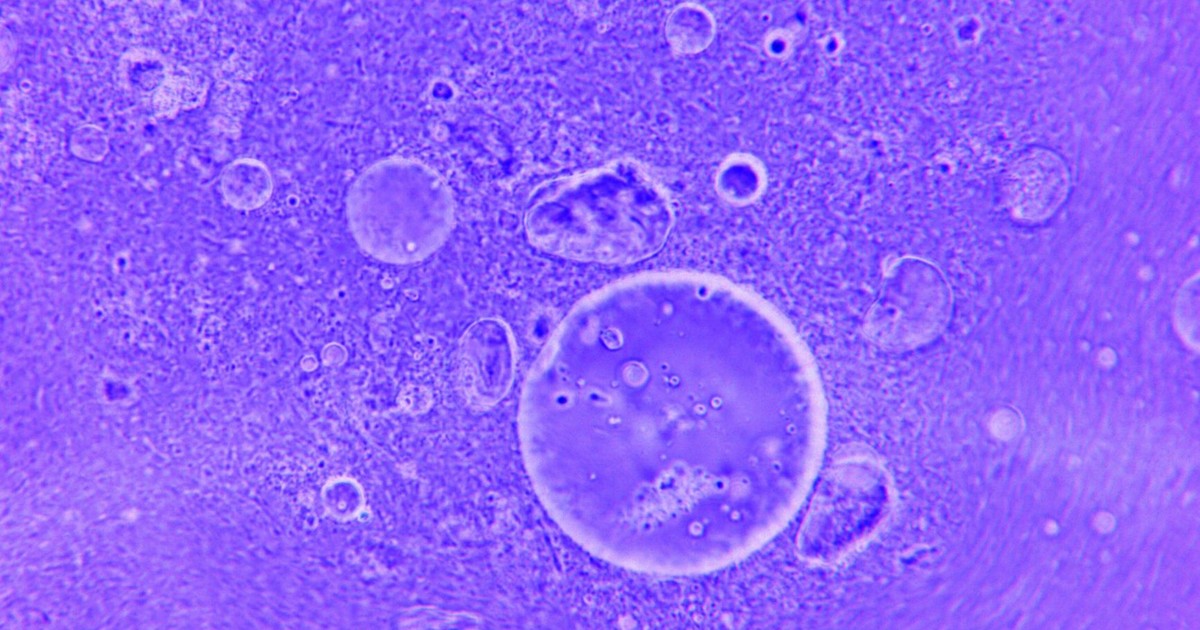

A gut bacterium called Bacteroides fragilis has been linked to colorectal cancer for years. The problem is that this same organism lives peacefully in the digestive tracts of the majority of people who never develop cancer at all. That contradiction has frustrated researchers for nearly a decade. Now, a team at Odense University Hospital and the University of Southern Denmark may have found the answer – and it doesn’t lie in the bacterium itself, but in something hiding inside it.
Dr. Flemming Damgaard, a medical doctor and PhD at the Department of Clinical Microbiology at Odense University Hospital and the University of Southern Denmark, has described the problem directly: “It has been a paradox that we repeatedly find the same bacterium in connection with colorectal cancer, while at the same time it is a completely normal part of the gut in healthy people.” That paradox led his research group to look past the bacterium’s identity and examine its inner workings – specifically, whether viruses living within B. fragilis might be the hidden variable researchers had been missing.
What they found was a virus that had never been documented before. Damgaard has described it plainly: “We have discovered a virus that has not previously been described and which appears to be closely linked to the bacteria we find in patients with colorectal cancer.” The study, published in February 2026 in the journal Communications Medicine, represents one of the most specific contributions yet to the question of how gut microbes drive one of the world’s most common cancers – and it opens a new line of investigation into whether a non-human microorganism plays a direct role in cancer development.
Executive Summary
Colorectal cancer patients exhibit distinct gut microbiota disruption, known as dysbiosis, believed to play a causative role in the disease. Bacteroides fragilis is one of the key bacterial species implicated in this disruption – yet it is also present in most healthy individuals, a discrepancy that demands analysis beyond simple species-level associations. A 2026 study by Flemming Damgaard and colleagues in Communications Medicine identified a previously unknown class of viruses – bacteriophages, viruses that infect bacteria – embedded within the genomes of B. fragilis strains collected from colorectal cancer patients. The viruses appeared at roughly twice the rate in cancer patients compared to healthy controls, were validated across stool samples from 877 individuals in multiple countries, and showed preliminary potential as a biomarker for non-invasive cancer detection. Causality remains unproven, and three active follow-up studies are now underway.
The Bacteriophage Discovery: What the 2026 Study Found
The research team behind the study included Flemming Damgaard, Magnus G. Jespersen, Jens K. Møller, John E. Coia, Ram B. Dessau, Thomas V. Sydenham, Mikael L. Strube, Jakob Møller-Jensen, and Ulrik S. Justesen – representing Odense University Hospital, the University of Southern Denmark, and the University of Melbourne’s Peter Doherty Institute for Infection and Immunity.
The investigation began with an unusual starting point. The researchers decided to examine whether differences might exist within B. fragilis itself, rather than simply treating all strains of the bacterium as equivalent. Using a pangenome-wide association study – a genetic analysis that compares the full genomic content of many bacterial strains – they searched for genetic differences between bacteria collected from cancer patients and healthy controls, finding that B. fragilis from colorectal cancer patients was more likely to contain viruses, including a variety that had never been reported.
Using genetic tests, the team found that B. fragilis from colorectal cancer patients was infected with specific, previously unknown viruses. The findings suggest a partnership between bacteria and their viruses that may shape disease.
What Kind of Virus Was Found
The viruses belong to a class called Caudoviricetes prophages. A prophage is a bacteriophage – a virus that infects bacteria rather than human cells – that has integrated its genetic material directly into the host bacterium’s genome. Some viruses live inside bacteria and can influence the bacterium’s properties and, in some cases, alter its behavior. In this case, the finding suggests that it is not the bacterial species alone, but the bacterial species in a particular viral state, that correlates with cancer risk.
As Damgaard has explained, “It is not just the bacterium itself that seems interesting. It is the bacterium in interaction with the virus it carries.”
Scale and Validation of the Findings
From a highly specific collection of B. fragilis isolates from colorectal cancer patients and controls, a pangenome-wide association study identified intraspecies genetic variations associated with colorectal cancer. Those variations were then validated in a metagenome sequencing cohort of stool samples from 877 individuals with and without colorectal cancer. The multi-country validation is significant: associations that appear in one population can reflect local dietary patterns or genetic backgrounds rather than universal disease mechanisms. A finding that holds across multiple countries carries considerably more weight.
The Colorectal Cancer Burden in 2026
To understand why this finding matters, the scale of colorectal cancer in the United States alone provides necessary context. One of the major issues in addressing colorectal cancer – particularly in younger adults – is the lack of routine screening for individuals under 50, leading to late diagnoses.
Among adults under 50, colorectal cancer is now the number one cause of cancer death in men and the number two cause in women, according to the American Cancer Society. Current US guidelines recommend starting screening at age 45 for average-risk individuals, and earlier for those with a family history.
The 2026 statistics from the American Cancer Society project approximately 158,850 new colorectal cancer diagnoses in the United States this year – roughly 108,860 new colon cancer cases and 49,990 new rectal cancer cases – and the disease is expected to cause approximately 55,230 deaths during 2026. The disease represents 7.5% of all new cancer diagnoses in the country, according to data from the National Cancer Institute’s SEER program.
The demographic trend makes the search for new mechanistic understanding urgent. According to the American Cancer Society’s 2026 Colorectal Cancer Statistics report, incidence is rising by 3% per year in adults aged 20 to 49, while decreasing among those 65 and older by 2.5% per year. Established risk factors – age, diet, obesity, sedentary behavior, and genetic predisposition – do not fully explain all cases, which has led researchers to examine the gut microbiome as a critical factor in colorectal cancer development.
The Virus-Cancer Link: What the Data Shows
Frequency in Cancer Patients
People with colorectal cancer were twice as likely to have detectable levels of the bacteriophage in their gut bacteria, the data showed. That roughly 2x elevation in detection rate, holding consistently across multiple geographic cohorts, is what makes this particular association statistically notable rather than incidental.
One of the identified viruses, labeled Bacteroides phage FU, displayed the most significant colorectal cancer enrichment, detected in 35.38% of cancer samples compared to 21.88% of controls. A second virus, Bacteroides phage ODE, was detected in more samples overall, appearing in 32.38% of cancer cases versus 23.13% of controls.
Potential as a Detection Tool
One of the most clinically significant aspects of the finding is its potential application in non-invasive testing. Stool-based cancer screening is an active field because colonoscopy, the gold-standard procedure, requires bowel preparation, sedation, and clinical resources that limit its accessibility and uptake.
Preliminary analysis from the study suggests the viral sequences can detect cancer cases with meaningful sensitivity. According to reporting on the findings, preliminary tests using selected viral sequences successfully identified around 40% of cancer cases – a figure that, while modest as a standalone detection method, represents a promising starting point for biomarker development in an entirely new category of viral marker.
Damgaard has stated that further studying these viruses may help “assess the risk of colorectal cancer and potentially improve prevention and treatment.”
The Causality Question
The study’s authors are direct about what their data can and cannot show. The study demonstrates a statistical association between the virus and colorectal cancer, but it cannot determine whether the virus plays a direct role in the development of the disease.
At this early stage, it is not clear whether the virus actually contributes to the disease. As Damgaard himself acknowledged: “We do not yet know whether the virus is a contributing cause, or whether it is simply a sign that something else in the gut has changed.”
Two alternative explanations exist alongside direct causation. The virus could alter B. fragilis behavior in ways that promote tumor development – by producing toxins, disrupting immune signaling, or enabling the bacterium to persist in environments it otherwise couldn’t. Alternatively, the virus could be a passenger: the gut environment in cancer patients may simply be a more hospitable habitat for this particular bacteriophage, making it a marker of disease without contributing to it. Distinguishing between these possibilities requires the kinds of functional experiments the Odense team is now conducting.
The Bacteroides Fragilis Paradox: A Decade of Unanswered Questions
B. fragilis is not a rare or exotic microorganism. It is a normal resident of the human gut, present in the vast majority of healthy adults. Its repeated appearance in colorectal cancer studies has made it one of the most scrutinized bacteria in gastrointestinal oncology – and one of the most confounding.
Specific pathogenic strains of Bacteroides fragilis, particularly enterotoxigenic B. fragilis (ETBF), have been implicated in colorectal cancer alongside organisms like Fusobacterium nucleatum and pks-positive Escherichia coli, which may drive carcinogenesis through chronic inflammation, genotoxic metabolite production, immune evasion, and epigenetic reprogramming.
The bacteriophage discovery adds a new layer to that picture. Rather than asking which strains of B. fragilis are dangerous, the research team asked whether viral passengers within the bacterium – invisible to previous analyses that characterized bacteria only at the species level – could be the differentiating factor. Using a pangenome-wide association analysis, they searched specifically for genetic differences responsible for the bacterium’s duality between harmful and benign presentations.
For readers who follow the rising research on gut bacteria and colorectal cancer, this work connects directly to a growing body of evidence on how microbial ecosystems influence cancer risk. Experts Sound the Alarm as Possible Cause Emerges Behind Surge in Colon Cancer in Young People covers a parallel line of research on colibactin-producing E. coli and its DNA-damaging effects in younger patients – another example of how microbial mechanisms are reshaping colorectal cancer science.
What Comes Next: Three Active Research Tracks
Flemming Damgaard and his research colleagues are currently pursuing three separate follow-up projects. The first involves cultivating B. fragilis carrying the virus in an artificial gut model to examine how gut tissue, virus, and bacterium interact – funded by the Louis Hansen Foundation. The second involves inoculating colorectal cancer tumors and looking for the bacterium and virus directly within tumor tissue – funded by the Novo Nordisk Foundation. The third will test in mice genetically predisposed to develop cancer whether they develop the disease more rapidly when carrying the bacterium with the virus – funded by the Erichsen Family Memorial Foundation.
Each of these tracks targets a specific gap in the current evidence. The artificial gut model allows controlled observation of the biological interaction between virus, bacterium, and tissue without the confounding variables present in human studies. Tumor tissue sampling would determine whether the phage is physically present at cancer sites, not just detectable in stool. The animal model provides the most direct test of causation available before human trials – if genetically cancer-prone mice develop tumors faster when colonized with the virus-carrying bacterium, that would significantly strengthen the case for a causal mechanism.
The next question researchers are keen to examine is exactly how B. fragilis might be affected by its bacteriophage lodgers. The research is still in an early, experimental stage, but anything that helps scientists understand how cancer starts could potentially lead to targeted treatments – though that may take years.
Gut Dysbiosis and the Broader Microbiome Picture
This discovery doesn’t exist in isolation. A 2026 review in Frontiers in Cellular and Infection Microbiology identifies gut dysbiosis – an imbalance in the gut’s microbial community – as an emerging and increasingly recognized risk factor in colorectal cancer development. Researchers examining the microbiome’s role have catalogued a range of bacterial species, metabolites, and now viral elements that collectively influence how the colon ages, inflames, and, in some individuals, turns malignant.
Colorectal cancer arises from complex interactions among genetic, lifestyle, and environmental factors. Despite advances in screening, immunotherapy, and neoadjuvant treatments, mortality rates remain high, underscoring the need for diversified therapeutic strategies.
The prophage discovery is most appropriately understood as extending the frontier of this work. Scientists have spent years mapping which bacterial species are enriched in cancer patients. The Odense study suggests that species-level analysis may not be sufficient – that viral cargo within those species could determine whether a bacterium behaves as a benign colonizer or a potential oncogenic partner.
Emerging research increasingly highlights the pivotal role of gut microbiota in influencing colorectal cancer risk, progression, and treatment response. Metagenomic approaches, including high-throughput sequencing, have provided unprecedented insights into the connections between the gut microbiome and colorectal cancer. The bacteriophage finding is a product of exactly this kind of fine-grained genomic analysis – one that would have been impossible without the sequencing technologies that have only become accessible to research laboratories in the past decade.
Read More: More and More Young People Are Getting Early-onset Colorectal Cancer. Here’s What You Should Know.
Key Takeaways
The 2026 Communications Medicine study from researchers at Odense University Hospital and the University of Southern Denmark marks a genuine advance in colorectal cancer microbiology, with important caveats that determine how it should be interpreted right now.
The core finding is specific and replicated: a previously unknown bacteriophage, embedded within Bacteroides fragilis, appears at approximately twice the rate in colorectal cancer patients compared to healthy individuals. That association held across stool samples from 877 people in multiple countries, giving it broader geographic validity than single-cohort studies typically achieve. The viral sequences showed preliminary ability to identify roughly 40% of cancer cases in initial testing – a number that researchers intend to improve through further biomarker development.
What the study cannot yet establish is whether the virus causes cancer, accompanies it, or simply reflects a gut environment that is already disrupted for other reasons. Three funded follow-up studies are actively working to answer that question, with results expected over the coming years.
For clinicians and patients, the practical implication of this research is not a change in current screening or prevention recommendations. Colonoscopy, stool DNA testing, and FIT (fecal immunochemical testing) remain the recommended tools for colorectal cancer screening. The screening age recommendation – starting at 45 for average-risk adults – remains unchanged. What this research does is add scientific momentum to a field that is moving rapidly toward understanding the microbiome’s role in cancer initiation and, eventually, toward microbiome-based biomarkers that could make non-invasive detection more accurate and accessible. If the virus-cancer link is confirmed as causal, it would represent a new category of cancer risk factor: not a bacterium, not a genetic mutation, but a virus riding inside a bacterium – hiding in plain sight in nearly every human gut.
Disclaimer: This information is not intended to be a substitute for professional medical advice, diagnosis, or treatment and is for information only. Always seek the advice of your physician or another qualified health provider with any questions about your medical condition and/or current medication. Do not disregard professional medical advice or delay seeking advice or treatment because of something you have read here.
AI Disclaimer: This article was created with the assistance of AI tools and reviewed by a human editor.
Read More: These Foods Could Be Fueling the Surge in Early-Onset Colorectal Cancer Among Women