

Roughly 29% of American adults carry blood vitamin D levels low enough to be classified as deficient, a threshold set at less than 20 nanograms per milliliter. Yet despite that number sitting largely unchanged for years, 2026 has produced a run of research suggesting the consequences of that deficiency reach further than most people assumed. The brain, the gut, the genome, and even the outcome of chemotherapy all appear to be on that list.
What’s made this year’s findings striking isn’t simply their range. It’s that several point to vitamin D doing things in the body that weren’t seriously suspected even five years ago – and that some of those findings suggest the timing of when you have adequate levels may matter as much as whether you have them.
According to data cited across 2026 coverage of U.S. health statistics, about 29% of American adults are deficient in vitamin D, with blood levels below 20 ng/mL. Here are five things scientists found out about that deficiency this year.
1. Your Vitamin D Levels at 40 May Affect Your Brain at 56

Having higher levels of vitamin D in the blood in middle age is associated with lower levels of tau protein in the brain years later, according to a study published April 1, 2026, in Neurology Open Access, an official journal of the American Academy of Neurology. Tau is the protein that forms the toxic tangles found in the brains of people with Alzheimer’s disease. Its buildup begins silently, long before any memory symptoms appear.
The research followed 793 participants, all dementia-free at baseline, with an average age of 39. Vitamin D levels were measured at the outset, with concentrations above 30 ng/mL classified as high. Roughly 16 years later, participants underwent brain imaging to evaluate levels of tau and amyloid-beta proteins – both widely used indicators in Alzheimer’s research.
Researchers found no connection between vitamin D levels and amyloid-beta, another Alzheimer’s biomarker. The tau association, however, held up after accounting for age, sex, and other factors. Researchers concluded that “low vitamin D in midlife may represent a potentially modifiable target to mitigate the risk of neuroimaging signs of preclinical dementia.” The study doesn’t prove that taking vitamin D supplements prevents Alzheimer’s – only that there’s an association worth investigating further. But given that tau accumulation begins decades before diagnosis, the midlife window appears to be one where the relationship is detectable and potentially actionable.
2. Vitamin D Deficiency Research 2026: A Surprising Depression Risk in People with Hearing Loss

Adults with hearing loss already face a higher baseline risk of depression – the isolation and cognitive strain of not being able to hear clearly takes a documented mental health toll. A 12-year study published in Frontiers in Nutrition has found that adults with hearing impairment and vitamin D deficiency face a 57% higher risk of developing depression compared to those with sufficient vitamin D levels.
Researchers tracked nearly 100,000 adults with hearing impairment over 12 years, comparing those with vitamin D deficiency against those with sufficient levels. The scale of the study gives its findings real weight. Observational research involving fewer participants often fails to detect effects of this size reliably – but with close to 100,000 people followed for over a decade, this is one of the more robust datasets on the topic.
The findings went beyond depression onset. Vitamin D deficiency was also associated with a higher risk of recurrent depression and all-cause mortality in the hearing-impaired population. The mechanism isn’t fully understood, but vitamin D is known to influence the regulation of serotonin and other neurochemicals involved in mood. For people already managing hearing loss, this makes vitamin D levels a practical screening point worth raising with a doctor.
3. Low Vitamin D Appears Linked to H. Pylori Stomach Infection
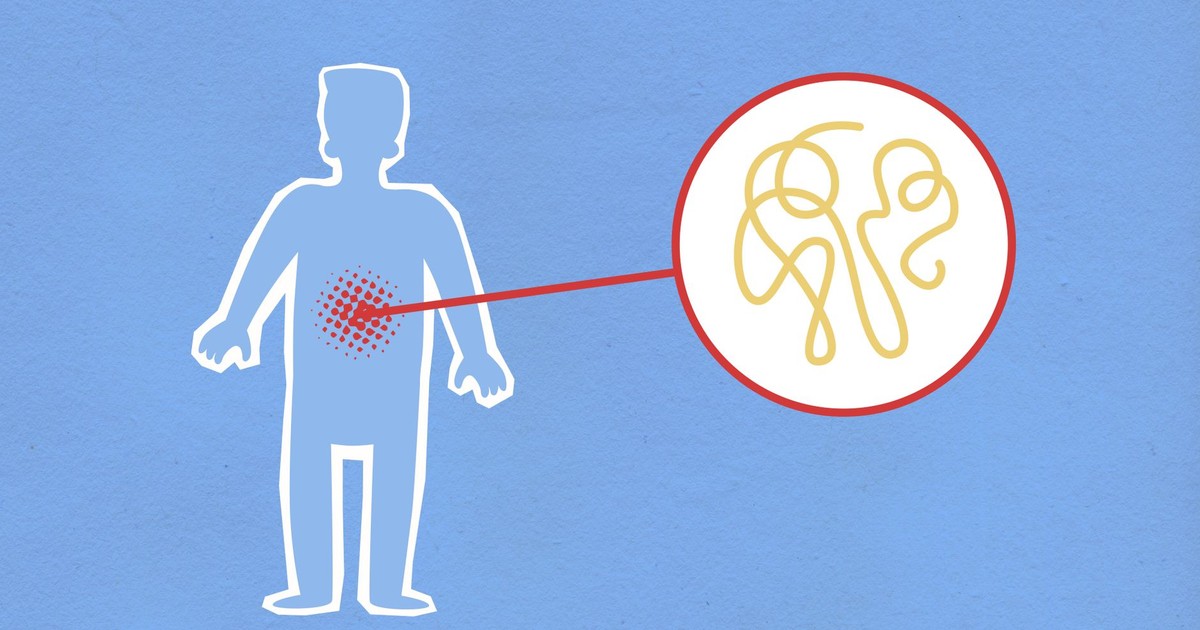
Helicobacter pylori – usually shortened to H. pylori – is a bacterial infection that colonizes the stomach lining and is responsible for the majority of peptic ulcers worldwide. It’s also classified as a Group 1 carcinogen by the International Agency for Research on Cancer (IARC), meaning it’s a known cause of stomach cancer. Most people who carry it don’t know they have it.
A new cross-sectional study found a strong association between low vitamin D levels and testing positive for H. pylori infection. The study, published in Frontiers in Nutrition, enrolled 502 adults and measured their 25-hydroxyvitamin D levels alongside H. pylori infection status, lifestyle habits, and other biomarkers.
After adjusting for multiple factors, participants with insufficient vitamin D levels (20 – 30 ng/mL) had approximately 89% lower odds of being infected with H. pylori compared to those who were deficient (below 20 ng/mL). Those with sufficient vitamin D (30 ng/mL or above) had roughly 98% lower odds than the deficient group. The findings suggest a graded inverse relationship between vitamin D status and H. pylori infection. In plain terms: the lower the vitamin D, the higher the likelihood of testing positive for the infection – and the relationship appeared to be dose-dependent rather than all-or-nothing. Cross-sectional studies can’t establish that low vitamin D causes H. pylori infection, but the size of the association warrants attention.
4. Whether Vitamin D Prevents Diabetes May Depend on Your Genes

For years, studies on vitamin D and type 2 diabetes prevention produced inconsistent results. Some found benefit; others found none. A 2026 study published in JAMA Network Open may have found part of the explanation: the effect depends on which version of the vitamin D receptor gene you’re carrying.
Research published in Frontiers in Nutrition and covered across multiple 2026 health outlets found that genetic variation in the vitamin D receptor influences how much benefit a person gets from supplementation. Specifically, prediabetic adults with certain receptor gene variants showed a 19% lower risk of progressing to full diabetes when taking 4,000 IU of vitamin D daily – a finding from the study published in JAMA Network Open and confirmed in related genetic research. Adults with different receptor variants showed no significant benefit from the same dose.
This distinction matters practically. If you’ve ever taken vitamin D and wondered whether it was doing anything, the honest answer – based on this research – is that it may depend on your genetics. Vitamin D receptor genotyping isn’t yet a standard clinical test, but the research suggests that future guidance on supplementation may need to account for individual genetic variation rather than offering blanket recommendations. For now, talking to a doctor about both your blood levels and your family history of diabetes is the most actionable step.
You can learn more about the factors that determine how your body processes vitamin D in this overview of vitamin D metabolism.
5. A Daily 2,000 IU Dose Nearly Doubled Complete Remission Rates in a Breast Cancer Study

This finding came from a small trial, and that context matters – but the numbers are striking enough that the research is drawing serious attention. A Brazilian study investigated whether vitamin D supplementation taken alongside chemotherapy could improve outcomes in women with breast cancer. Published in 2026, the trial enrolled 80 women undergoing chemotherapy and assigned half to receive 2,000 IU of vitamin D daily alongside their treatment.
The results, covered by Science Daily, found that women who took vitamin D during chemotherapy had a 43% complete remission rate, compared to 24% in the placebo group. Complete remission means no detectable cancer remaining after treatment – it’s one of the most clinically meaningful outcomes in oncology.
Multiple observational studies have shown that serum vitamin D levels are significantly lower in cancer patients than in healthy controls, with deficiency associated with poorer treatment response. Beyond its role in calcium metabolism, vitamin D exerts broad biological effects including immunomodulation and neuroprotection that may collectively affect how the body responds to cancer treatment. The 2,000 IU daily dose used in the Brazilian trial is notably lower than the doses typically used to correct deficiency – making the finding more surprising, not less.
With only 80 participants, this is far too small a study to change clinical practice on its own. Larger randomized trials are needed to confirm the effect. But the signal is strong enough that researchers are calling for exactly that kind of follow-up work.
Read More: Vitamin D Slows Aging: What the Harvard VITAL Study Found
What This Means

Taken together, this year’s vitamin d research 2026 adds up to a picture where deficiency carries consequences that go well beyond the bones-and-calcium story most people were taught. The brain connection demands attention first: as study author Martin David Mulligan from the University of Galway put it, higher vitamin D in early middle age was associated with lower tau burden 16 years later, and “midlife is a time where risk factor modification can have a greater impact.” If you’re in your 30s or 40s and have never had your levels checked, that’s a straightforward starting point.
The gut and mood findings reinforce what’s already known about vitamin D’s role in immune function and neurological health. The H. pylori finding, in particular, suggests that vitamin D status could be relevant to a bacterial infection most people don’t realize they carry. A blood test costs very little and can tell you whether your 25-hydroxyvitamin D level is below the 20 ng/mL deficiency threshold, in the 20 – 30 ng/mL insufficient range, or at or above the 30 ng/mL level associated with better outcomes across multiple systems. If it’s low, the research increasingly suggests that correcting it is worth doing – and doing before symptoms appear, not after.
Disclaimer: This information is not intended to be a substitute for professional medical advice, diagnosis, or treatment and is for information only. Always seek the advice of your physician or another qualified health provider with any questions about your medical condition and/or current medication. Do not disregard professional medical advice or delay seeking advice or treatment because of something you have read here.
AI Disclaimer: This article was created with the assistance of AI tools and reviewed by a human editor.
Read More: The Overlooked Vitamin Deficiency That May Impact Your Bones, Mood, And Immune Health