
The soap dispenser in a public restroom carries more bacteria per pump than most people pick up touching a toilet seat. That statistic comes from measured field conditions, and the surface in question is the very thing you reach for after touching something dirty.
Airport security trays at Helsinki-Vantaa airport were found to carry respiratory viruses more commonly than toilet surfaces in the same facility, with half of the plastic trays testing positive for pathogens like influenza A and rhinovirus, according to research published in BMC Infectious Diseases. The toilets in that airport tested clean. The trays did not. Most travelers instinctively wash their hands after using a restroom. Almost none stop to clean up after touching a security bin.
The National Foundation for Infectious Diseases reports that more than 80% of illnesses can be transmitted by the hands. The surfaces driving that number aren’t just the obvious ones. Many are everyday objects that people handle dozens of times without a second thought – and without washing afterward. Here are 10 that research specifically flags.
1. Cash and Coins – Always Wash Hands After Touching Money
A global systematic review and meta-analysis published in a 2026 peer-reviewed study found that more than 12.8% of currency samples tested – more than 1 in 10 – carried bacteria, fungi, or parasites. Paper bills were consistently worse than coins, partly because copper has natural antimicrobial properties that slow bacterial growth. Contamination was also greater on older, worn-out notes than on newer ones.
Cash changes hands constantly and is almost never cleaned. A single bill can pass through dozens of people – cashiers, ATM users, market vendors – before reaching your wallet. The bacteria it picks up along the way can include E. coli, Salmonella, and Staphylococcus aureus. After paying for groceries, pumping gas, or receiving change at a register, wash your hands before touching your face or eating anything. Hand sanitizer with at least 60% alcohol works in a pinch, but soap and water is more reliable for removing the full range of contaminants currency can carry.
2. Soap Dispenser Pumps in Public Restrooms
This is where the irony of public hygiene gets uncomfortable. Approximately one in four refillable bulk soap dispensers in public restrooms is contaminated with harmful levels of bacteria, according to research published in Applied and Environmental Microbiology. The problem isn’t the soap itself – it’s the refill practice. When a dispenser is topped off without being properly cleaned first, bacteria from the old soap mix with the new, and washing with soap from a contaminated refillable dispenser can leave hands with 25 times more bacteria after washing than before.
Once bacterial biofilm develops inside a dispenser, bleach cannot permanently remove the contamination. The bacteria regrow. This is why sealed, disposable cartridge dispensers are recommended in healthcare and food service settings. In public bathrooms where you can’t tell the dispenser type, single-use soap packets or your own small bottle of hand sanitizer are practical alternatives, especially in high-traffic venues like airports or gyms.
3. Pets and Animals

Dogs carry bacteria like Campylobacter, Salmonella, and certain strains of E. coli in their digestive tracts – often without showing any signs of illness themselves. Researchers at the CDC recommend washing hands after any direct contact with pets, their food, or their waste, specifically to reduce the risk of zoonotic pathogen transmission. Zoonotic means a pathogen that can move from animals to humans.
This isn’t limited to contact with feces. Petting a dog, letting it lick your hand, or handling its toys or food bowls are all potential transfer points. The same principle applies to cats, reptiles, birds, and farm animals, though the specific bacterial risks differ by species. Reptiles in particular are a known carrier of Salmonella. Washing hands after animal contact is especially important for young children, pregnant women, and anyone immunocompromised, as their risk of developing a serious infection from zoonotic bacteria is significantly higher.
4. Public Touchscreens and Self-Ordering Kiosks
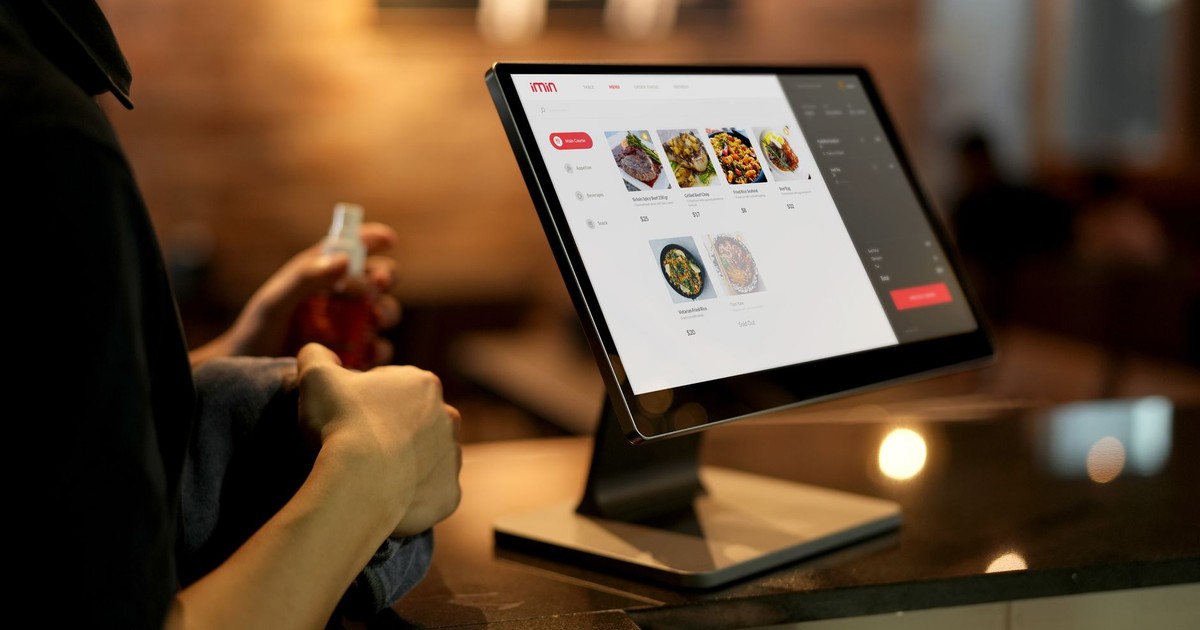
Frequently touched public surfaces are well-documented reservoirs of microbial contamination. Self-ordering touchscreens in fast food restaurants have been found to harbor significant bacterial loads, with studies documenting contamination across multiple surface types in retail and food service environments. Unlike a personal phone that’s touched only by one person, a public kiosk is touched by hundreds of different people across a single day – many of whom have just handled cash, opened doors, or returned from the restroom.
Mobile phones and touchscreens used by healthcare workers are contaminated with bacteria at high rates, with prevalence documented in multiple clinical studies. In clinical settings, phones have been found carrying MRSA (methicillin-resistant Staphylococcus aureus), which is resistant to common antibiotics. In fast food and retail environments, the standards for cleaning touchscreens are far lower. After using a self-checkout kiosk, ATM, or any shared public screen, wash your hands or use hand sanitizer before touching your mouth, eyes, or nose.
5. Pens – Especially at Doctor’s Offices
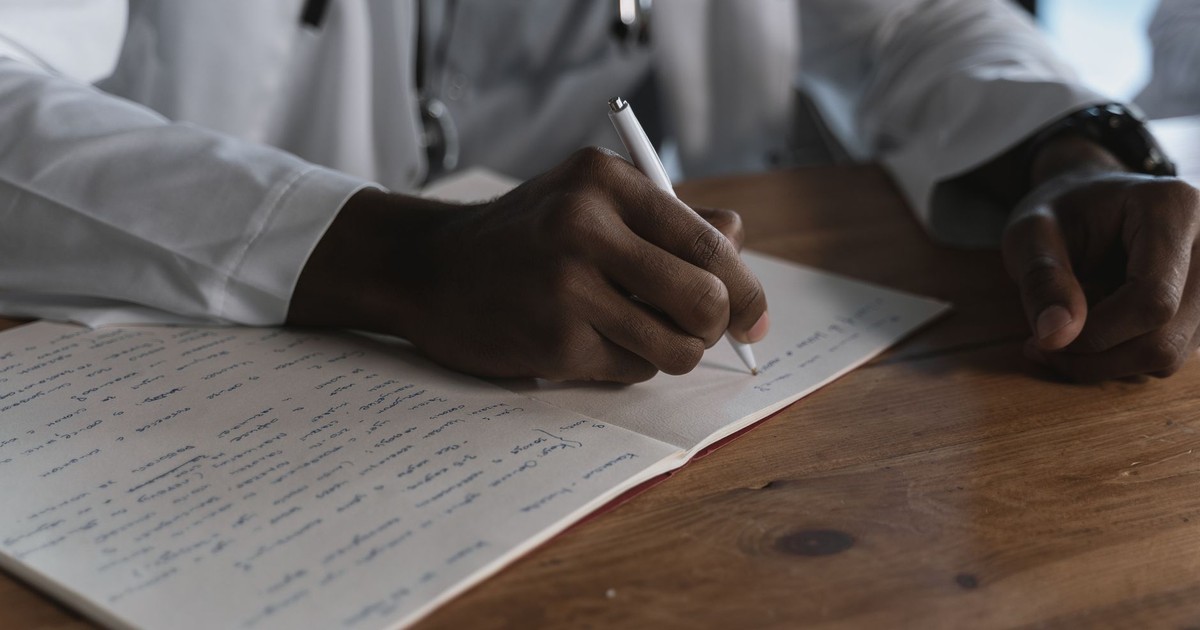
According to TheHealthy, the pen on a doctor’s office clipboard has been measured at close to 8 million colony-forming units (CFU) of bacteria per square inch. That reflects the reality that shared pens are handled by patient after patient, rarely wiped down between uses, and often stored in conditions that promote bacterial growth.
Writing pens have been identified as potential carriers for the transmission of healthcare-associated pathogens, including E. coli and Staphylococcus aureus, in research on fomite transmission in clinical settings. Fomites are inanimate objects that can transfer infectious agents. This applies beyond medical settings. Bank pens on chains, hotel check-in pens, and any pen left at a shared counter carry similar risks. Carrying your own pen is a simple, practical way to reduce exposure. If you do use a shared pen, wash your hands before touching your face or eating – the bacteria transfer is immediate.
6. Wash Hands After Touching Door Handles and Knobs
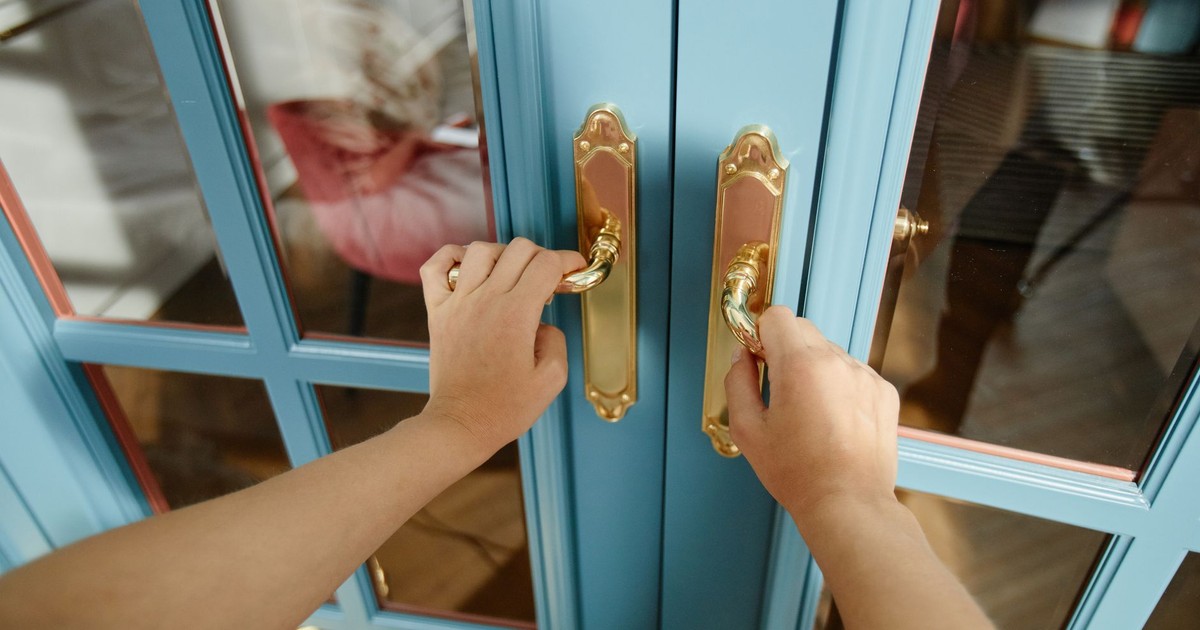
Public and healthcare-associated door handles serve as key reservoirs of microbial contamination, with studies on environmental surface bacteria documenting the presence of pathogenic bacteria including Staphylococcus aureus and E. coli on door handles in both medical and everyday settings. Gym locker rooms, office buildings, restaurants, restrooms, and public transport all have door handles that accumulate bacteria from hundreds of hands.
Flu viruses can persist on hard surfaces for up to 24 hours, according to data from the CDC. That means a contaminated handle from the morning’s rush hour is still potentially infectious in the afternoon. Bacteria transferred to hands via contaminated door handles can then reach the face through routine touching – eyes, nose, and mouth – which is how surface-to-person infection transmission typically occurs. Using your elbow, wrist, or a sleeve to push doors open where possible, or washing hands after entering a building, reduces this route of exposure meaningfully.
7. Restaurant Menus
Restaurant menus are one of the highest-contact surfaces for potential pathogen spread. Researchers at the University of Arizona, including Dr. Kelly Reynolds of the College of Public Health, have documented that laminated menus can carry as many as 185,000 bacteria per square centimeter – far more than a public toilet seat. Menus are touched by hundreds of people per day, returned to a communal stack after each use, and rarely if ever cleaned, meaning the bacterial load compounds over time.
A study published in the Journal of Food Protection found that bacteria including E. coli survived on menus and were measurably transferred to consumers’ hands, with researchers recommending that menus be incorporated into standard sanitation protocols. Most aren’t. Ordering from a digital menu on your own phone sidesteps the problem entirely. If you do handle a physical menu, wash your hands before eating – even before touching the bread basket.
Read More: 9 Bathroom and Hygiene Habits You Need to Stop Doing and How to Fix Them
8. Airport Security Trays
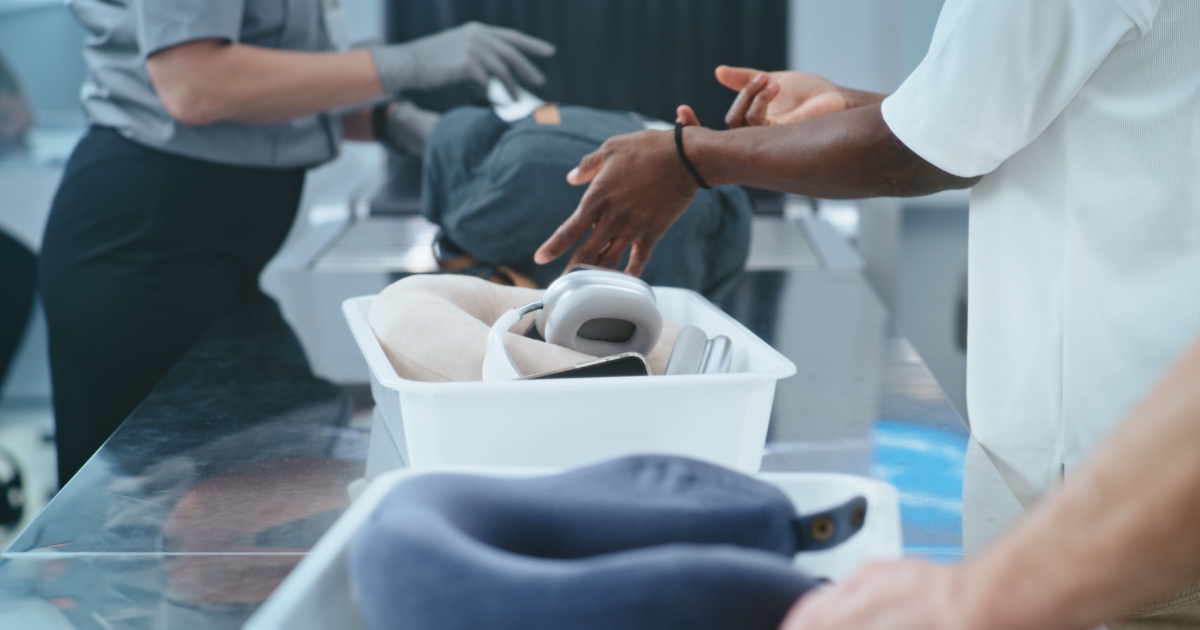
Researchers from the University of Nottingham and the Finnish National Institute for Health and Welfare collected samples from Helsinki-Vantaa airport during peak flu season and found that half of the trays at security checkpoints tested positive for germs including influenza A and rhinovirus, as documented in BMC Infectious Diseases. None of those germs were found on airport toilet surfaces.
The security checkpoint is unavoidable for air travelers, and the plastic trays cycle rapidly from passenger to passenger with minimal cleaning. Everyone loads their belongings, reaches in to retrieve them, and then proceeds directly to their gate – phone in hand, food in the other. A small bottle of hand sanitizer in a carry-on resolves this instantly. Use it immediately after collecting your belongings from the tray, before touching your face or any food.
9. Clipboards and Items at the Doctor’s Office
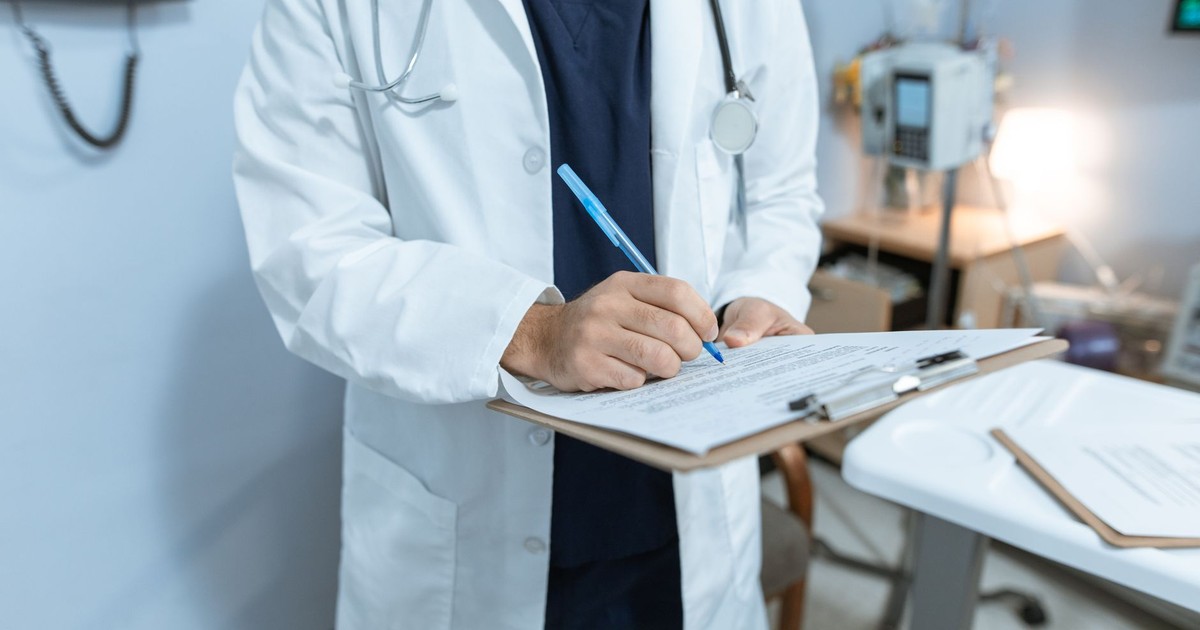
Medical waiting rooms concentrate sick people in a shared space with shared surfaces. Research published in BMC Infectious Diseases confirms that hand contamination by bacteria is a significant source of infection transmission, especially in hospital settings. Beyond the pen, the clipboard itself, armrests, the check-in counter, and any magazines left in the waiting area are all high-contact surfaces that may not be sanitized between patients.
The CDC identifies hand hygiene as among the most critical practices for reducing infection transmission in healthcare settings – a principle that applies to patients, not just staff. When you visit a clinic or hospital, wash your hands after checking in – before touching your phone, your eyes, or anything you’ll later put in your mouth. The hand sanitizer dispensers mounted on waiting room walls aren’t just for staff. They’re for you.
10. Your Own Cell Phone
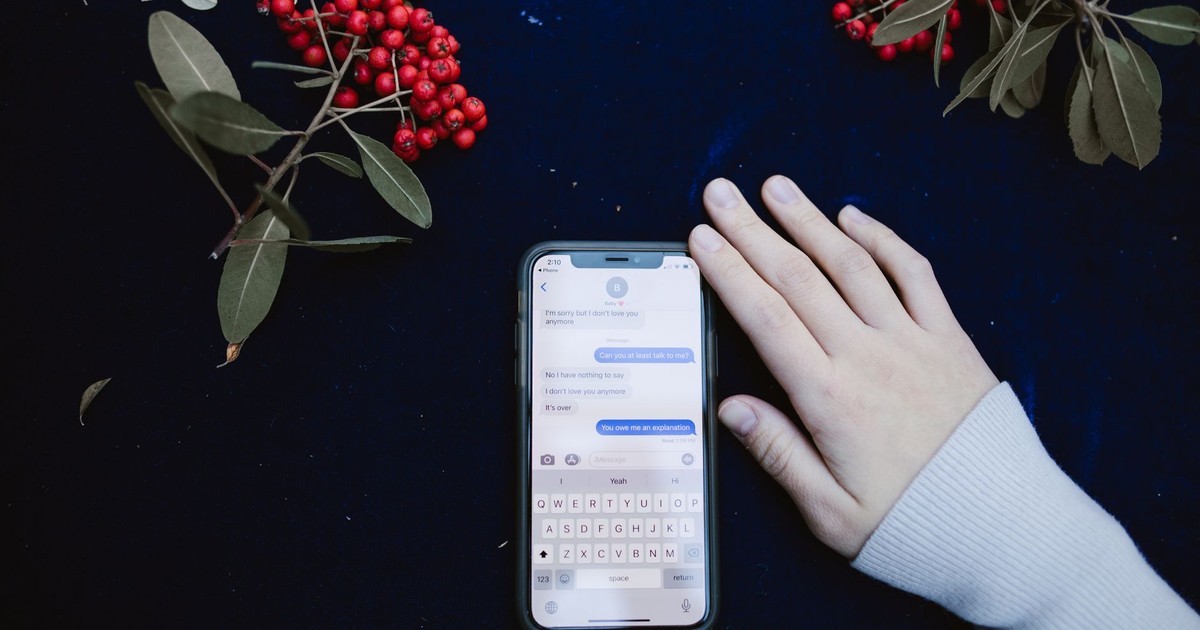
Most people wash their hands before eating. Almost none wipe their phone first. Mobile phones used by healthcare workers carry bacteria at consistently high rates, with contamination documented across multiple published studies. Personal phones outside clinical settings aren’t measured as often, but they’re handled more frequently and cleaned less. Your phone goes everywhere – pocket, bag, counter, bathroom – and it rarely gets a disinfecting wipe.
The issue isn’t just what gets onto the phone. It’s what you do with the phone afterward. Touching a contaminated screen and then rubbing your eye or eating with the same hand completes the transmission chain. Wiping your phone with an alcohol-based screen-safe wipe at least once a day, and washing your hands after prolonged phone use in public, breaks that chain before it ends with an infection.
What to Do Now
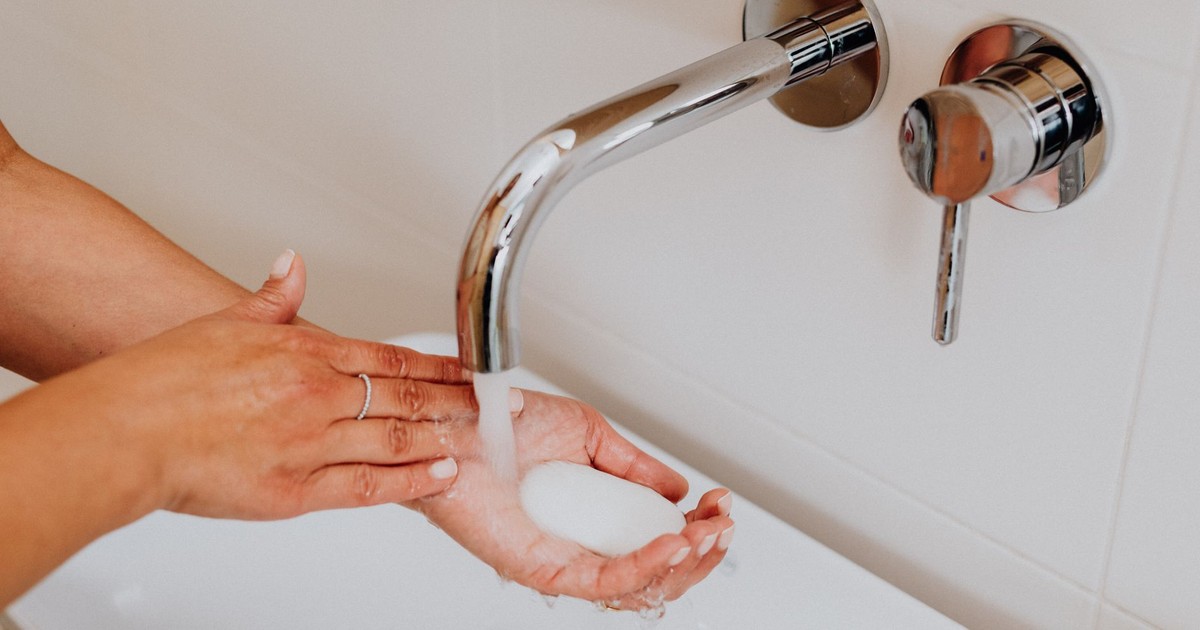
The National Foundation for Infectious Diseases states that more than 80% of illnesses can be transmitted by the hands. The bottleneck isn’t information – most people know handwashing matters. The gap is specificity: knowing after what to wash your hands, not just that you should.
The practical version of this list is simple. Keep hand sanitizer with at least 60% alcohol on you for moments when a sink isn’t available – after the airport tray, the ATM, the doctor’s office clipboard. Use soap and water whenever you can, for at least 20 seconds, and dry your hands fully since wet hands transfer bacteria more efficiently than dry ones. The ten items above aren’t exhaustive, but they cover the surfaces that research has actually measured. Starting there is more useful than a general commitment to “better hygiene” that never translates into a specific behavior change.
Disclaimer: This information is not intended to be a substitute for professional medical advice, diagnosis, or treatment and is for information only. Always seek the advice of your physician or another qualified health provider with any questions about your medical condition and/or current medication. Do not disregard professional medical advice or delay seeking advice or treatment because of something you have read here.
AI Disclaimer: This article was created with the assistance of AI tools and reviewed by a human editor.
Read More: Why You Should Always Wash Guest Room Sheets Before Guests Arrive