

Something is quietly reshaping the global map of wealth, and most people haven’t noticed yet. While the rest of us watch housing costs, grocery prices, and interest rates, the world’s richest individuals are doing something far more drastic: picking up and leaving. Not just leaving their neighborhoods or their cities, but their countries entirely.
This isn’t a story about a handful of eccentric billionaires chasing tax breaks on private islands. The scale of what’s happening right now is genuinely striking. The motivations range from sweeping tax reforms and political uncertainty to the search for stability, better infrastructure, and favorable policy environments for growing multigenerational wealth. The countries losing the most are some of the wealthiest and most established in the world.
Understanding which countries the ultra-rich are fleeing, and why, offers a surprisingly revealing window into how governments, policy, and economic conditions intersect. And for wealthy migration countries on both the losing and gaining side of this trend, the consequences are already being felt.
A record 128,000 millionaires relocated across international borders in 2025, the highest level of wealth migration ever recorded. Projections have that number climbing to 165,000 by 2026. That kind of movement doesn’t happen by accident. Behind each relocation is a calculation about tax burdens, political stability, and the long-term viability of keeping wealth in one place. According to the UBS Billionaire Ambitions Report 2025, which surveyed 87 billionaire clients across Europe, the US, and Asia-Pacific, more than one-third had already relocated at least once in 2025, while a smaller share were actively considering it. Among younger billionaires under 55, nearly half had changed their country of residence in the past year.
The countries most central to this story are familiar names. Two of them are major economic powers. One of them sits at the top of Europe’s wealth rankings. All of them are watching their ultra-wealthy residents head for the exits.
1. The United Kingdom
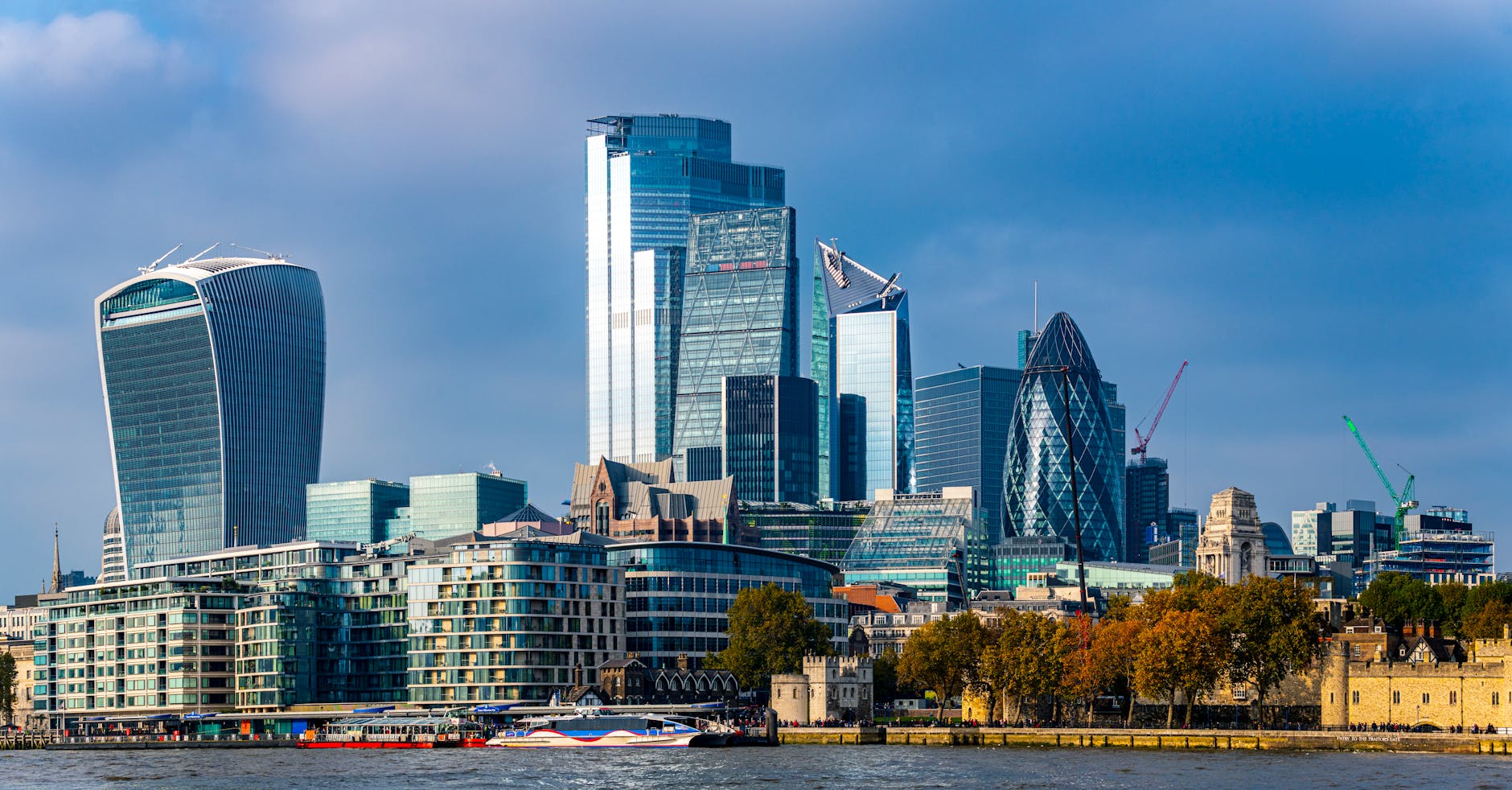
Britain’s wealth exodus has become one of the most talked-about financial stories of the past two years, and the numbers justify the attention. According to the Henley Private Wealth Migration Report 2025, the UK is projected to record a net loss of approximately 16,500 millionaires in 2025, the largest outflow of any country globally. The estimated wealth leaving with them: a staggering $91.8 billion.
The single biggest driver is the abolition of the UK’s “non-dom” (non-domiciled) tax status. Non-domicile status had previously applied to people whose permanent home was considered to be outside the UK for tax purposes. Under that old regime, wealthy foreign residents could live in London for years while legally shielding their overseas income from UK taxation. The non-dom regime allowed UK residents whose permanent home was elsewhere to pay tax only on their UK income, with foreign earnings untaxed unless brought into the country. It was officially phased out by April 6, 2025.
The broader tax picture compounded the pressure. Capital Gains Tax for higher-rate taxpayers rose from 20% to 24%, effective from October 30 of the prior fiscal year. Income tax reaches up to 45%, with inheritance tax at 40%. For the very wealthy, especially those with global assets, that cumulative tax burden made relocation feel less like a sacrifice and more like basic financial sense. The system’s complexity, layered anti-avoidance rules, and constant threat of further changes left many feeling they could never quite predict where they’d be taxed next.
High-profile cases added a human face to the data. Steel magnate Lakshmi Mittal, described as contributing around 4,000 times the average taxpayer’s contribution, had lived in the UK since 1995 but recently decided to move to Dubai, reportedly due to concerns over inheritance tax. According to financial advisors at deVere Group, one of the world’s largest independent international financial consultancies, inquiries about relocating out of the UK picked up strongly at the end of 2025 and had not slowed, with projections suggesting the number of wealthy people leaving in 2026 could potentially double.
To be fair, not everyone agrees the exodus is as dramatic as the headlines suggest. A 2024 study from the London School of Economics found that the vast majority of Britain’s extremely wealthy people would never leave for tax reasons alone, partly due to the stigma and partly because they consider lower-tax jurisdictions “boring.” Those who have left may represent the UK’s wealthiest and highest-paying taxpayers, but without better data, it’s hard to say definitively. Still, the trend is real, and its direction is consistent.
2. China
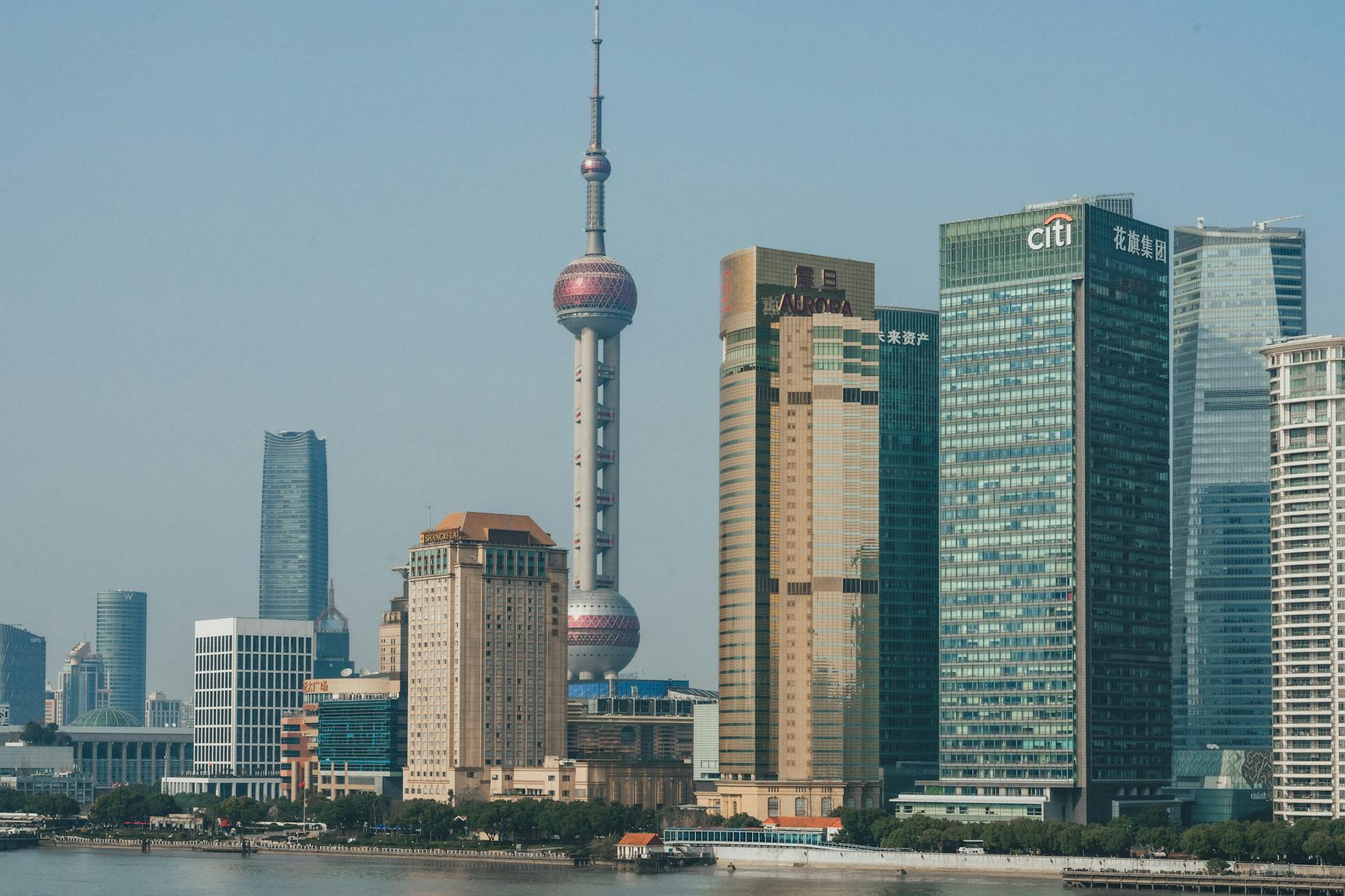
China sits at the center of a more complex and politically charged version of the same story. China led the world in high-net-worth individual outflows, with an estimated 15,200 millionaires emigrating in 2025. The country’s growing regulatory environment, especially around private businesses, created uncertainty among entrepreneurs and investors. The government’s increased scrutiny of tech firms, property developers, and financial institutions made many wealthy Chinese nervous about the security of their assets and long-term opportunities.
That anxiety has deep roots. Since China ended its strict COVID lockdown policies at the end of 2022, the world’s second-largest economy struggled with a stuttering recovery plagued by a real estate crisis, high local government debt, youth unemployment, and lukewarm consumer demand. This coincided with President Xi Jinping’s crackdown on open displays of wealth and a focus on “common prosperity” to reduce inequality.
The real estate dimension is especially significant. Real estate in China is estimated to comprise 25 to 30% of gross domestic product, and before the property crisis, around 70% of family wealth was tied up in real estate. For wealthy families watching those valuations slide, moving assets abroad is less a luxury decision and more a form of financial self-preservation. It is not uncommon for wealthy individuals to use family members to move funds, or to buy assets such as gold bars that can be moved abroad.
One wrinkle worth noting: according to Henley & Partners’ 2025 migration data, China’s outflow figures for 2025 may actually represent the lowest levels in years, driven partly by booming technology sectors in Shenzhen and Hangzhou that are encouraging some wealthy individuals to stay. China has never implemented an investment migration program, relying instead on domestic wealth creation to offset departures. That strategy has delivered results: China has created more new millionaires over the past decade than any comparable nation besides the United States. But the underlying distrust between the private sector and central authorities has not been resolved, and for those with the means to leave, that distrust often tips the decision.
3. India

India’s situation is the most nuanced of the three. The country is simultaneously one of the fastest-growing economies on earth and one of the leading sources of millionaire emigration. Both facts are true at the same time, and understanding why requires separating the headline from the detail.
Henley & Partners’ 2025 migration data indicates India remains among the top five countries losing the most millionaires annually, with an estimated 3,500 Indian millionaires leaving the country in 2025. That figure is actually declining from prior years. In 2023, the number was 5,100. By 2024, it had fallen to 4,300. Yet even with that downward trend, the cumulative scale matters. Those 3,500 departing millionaires took approximately $26 billion in wealth with them.
The drivers are a blend of push and pull factors. High taxes, limited public services, and low returns on public spending are pushing wealthy Indians toward more predictable and business-friendly jurisdictions, driving a clear shift in residency decisions. Wealthy families also want better life options for their children: world-class education, top-tier healthcare, and visa-free travel. India’s passport, while improving in global rankings, still lags behind European and Gulf options for ease of movement.
What separates India from the UK and China is that the wealth loss doesn’t slow the country’s millionaire creation. Despite the outward flow, India’s pool of millionaires is expanding. Between 2014 and 2024, their numbers grew by 72%, thanks to stock market gains, startup windfalls, and generational wealth growth. Many wealthy Indians are considering other residencies for strategic purposes rather than permanent relocation, with decisions typically driven by long-term generational thinking rather than dissatisfaction with India. The country continues to create new wealth faster than it loses it, but the departure of established entrepreneurs and investors still represents a drain on economic dynamism that policymakers are increasingly taking seriously.
4. The United States

The US sits in an unusual position in the wealthy migration countries story. On one hand, it’s one of the biggest winners, attracting enormous amounts of incoming wealth. On the other, it’s producing a growing wave of outbound wealthy residents who are quietly shopping for alternatives.
According to Knight Frank’s 2026 Wealth Sizing Model, the US created 41% of all new ultra-high-net-worth individuals between 2021 and 2026, lifting its total global share of UHNWI (those worth $30 million or more) from 33% to 35%. Florida captured $20.7 billion in net adjusted gross income from interstate migration in 2023, with more than 20,000 high-earning households relocating to the state in 2024 alone. That internal wealth migration, from high-tax states like California and New York toward Florida and Texas, is itself a domestic version of the same dynamic playing out globally.
But internationally, the picture is more complicated. Political volatility is driving unprecedented outbound wealth diversification from the US. American nationals now represent the largest source market for investment migration applications worldwide by a significant margin, accounting for over 30% of all applications processed by Henley & Partners in 2025, a 200% increase compared to Q1 2024. That figure is striking: American citizens, despite living in the world’s largest wealth-creating economy, are increasingly seeking residency options elsewhere as insurance against political and policy risk.
You can read more about not just which countries, but which US States People Are Leaving as well
Several US states have also added new taxes aimed at top earners. According to a report by CNBC, Washington enacted a millionaires’ tax applying a 9.9% levy to residents earning more than $1 million per year, and Maine added a 2% surcharge on yearly earnings above $1 million. While these measures are unlikely to trigger mass exits on their own, they add to the sense, among the ultra-wealthy, that the political environment for concentrated private wealth is shifting in multiple countries simultaneously. The instinct to spread residency and assets across borders is becoming a standard part of financial planning at the very top, not an unusual act.
Read More: Why Becoming A Millionaire Isn’t Always What You’d Expect
What This Means for You

The movement of ultra-wealthy individuals across borders isn’t just a story about the rich protecting their fortunes. It’s a story about how governments compete for capital, and what they’re willing, or not willing, to offer to keep it. This mass movement of millionaires represents the largest voluntary transfer of private capital in modern history. At stake is a profound shift in economic influence, as countries compete not just for talent but for the fortunes that follow it.
The practical lesson for ordinary observers is simpler than it might seem. When large concentrations of private capital relocate, they tend to follow opportunity, stability, and clarity, three things any investor or saver understands. Tax policy remains a significant consideration, but successful wealth attraction requires a broader value proposition, including quality of life, business environment, political stability, and long-term opportunity. Countries that offer a clear, consistent framework tend to win. Those that don’t, however wealthy or historically prestigious, are finding that loyalty to a home country has its limits when tax bills spike and policy uncertainty becomes the norm.
The millionaire migration trend is set to keep growing through 2026, significantly shaping property markets, investment flows, and even diplomatic relations. Some countries are competing aggressively to attract mobile wealth through golden visas, investor visas, and low-tax regimes. Whether your portfolio is measured in thousands or millions, the competitive global race for wealth tells you something worth knowing: financial environments matter, and they can change fast.
Disclaimer: This information is not intended to be a substitute for professional financial advice, investment advice, tax advice, or legal advice, and is provided for informational purposes only. Always seek the guidance of a qualified financial advisor, accountant, or other licensed professional regarding your personal financial situation or investment decisions. Do not make financial, investment, or tax decisions based solely on information presented here. Past performance is not indicative of future results, and all investments carry risk, including the potential loss of principal.
A.I. Disclaimer: This article was created with AI assistance and edited by a human for accuracy and clarity.
Read More: Inside the Apocalypse-Proof Bunkers of the Ultra-Rich