

Many adults over the age of 50 start to notice that they have increasing difficulty climbing stairs or carrying their groceries as they grow older. While people typically dismiss this as simply a part of getting older, it could be a sign that your muscles are beginning to weaken. As we age, our muscle mass and strength start to gradually decrease. This is known as sarcopenia, and while it is common, it is not necessarily unavoidable. It is now considered a disorder rather than a predetermined condition related to age. The good news is that you can still train your muscles in your 60s and beyond.
Sarcopenia Muscle Loss
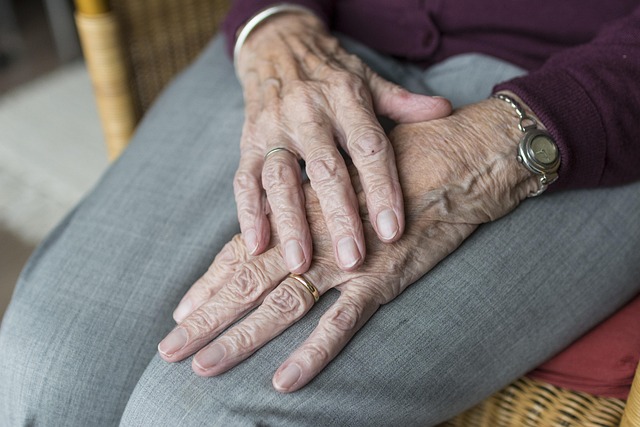
As we age, our muscles start to respond less well to the usual triggers such as exercise and protein. This phenomenon is known as anabolic resistance. If you don’t take the time to train your muscles or consume the required amount of protein, they start to deteriorate over time. From midlife onwards, the average age-related loss of leg muscle mass per year is around 1% to 2%. Additionally, you lose around 1.5 to 5% strength every year. This is why it gets harder and harder to perform daily activities as we get into our 70s and 80s.
The Causes of Sarcopenia

There are several hormones that usually assist the muscles that start to decrease in numbers as we grow older. This makes muscle recovery far slower and the absorption of nutrients less efficient. However, there are many secondary lifestyle causes as well, such as being initiative for long periods, not getting enough protein, and not getting adequate exercise. Then there are deficiencies that can impair muscle tone, such as Vitamin D deficiency, a huge issue in countries like France. Strength is typically lost faster than body weight, so you may notice that you are starting to struggle climbing stairs before your scale reflects any weight loss.
Those Most at Risk
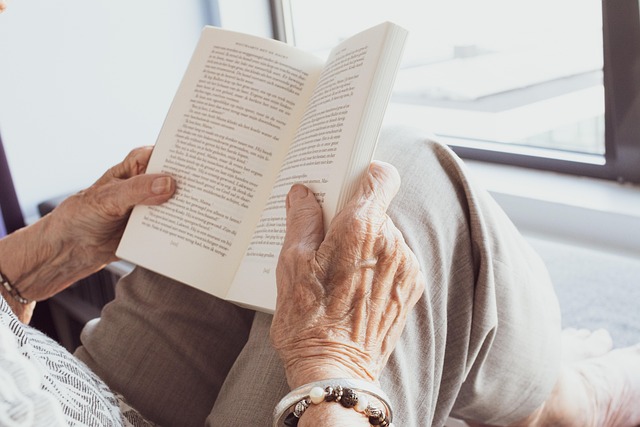
Sarcopenia typically affects individuals aged 60 and older, with rates increasing with age. According to the Cleveland Clinic, the condition affects both men and women equally, and studies on which ethnicities are affected the most remain inconsistent. Rates of sarcopenia also increase in individuals who have been diagnosed with a chronic disease. Studies conducted to find out how common the condition is have also proven to be inconsistent. This is because many people go undiagnosed and don’t receive any treatment. However, it has been estimated that around 5% to 13% of people aged 60 and older develop it.
What Symptoms to Look out For
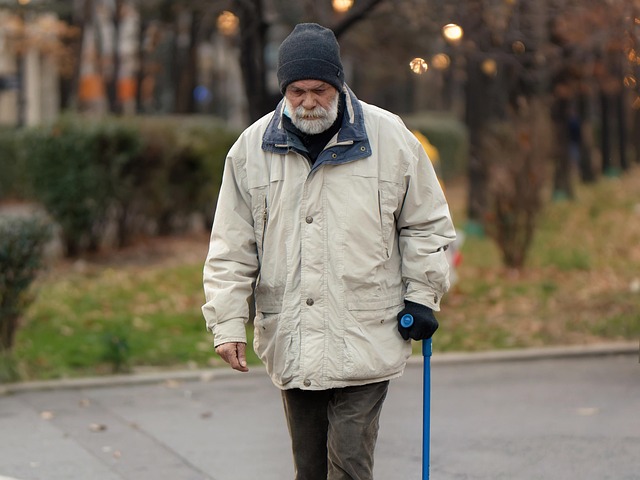
While the most common symptom is muscle weakness, there are several other associated symptoms to look out for. These include a loss of stamina and general difficulty performing everyday activities. You may notice that you begin to walk more slowly and have difficulty walking up a staircase. You may also notice a visible decrease in muscle size and experience imbalance and falls. One simple way to check your leg strength is to time how long it takes you to complete 5 sit-to-stands. If it takes you longer than 15 seconds, it may suggest that you have poor leg strength.
How Sarcopenia is Diagnosed
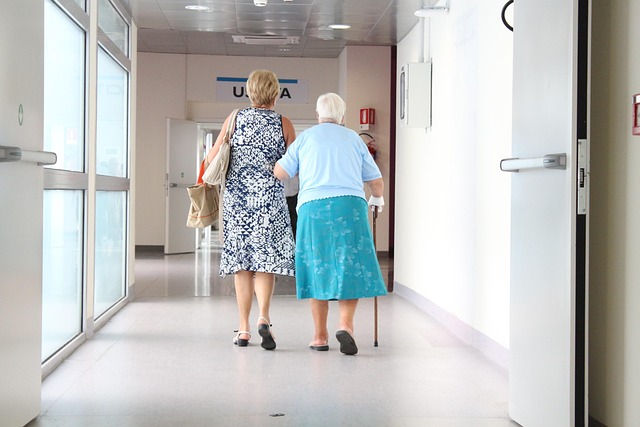
After asking about your symptoms and performing a physical exam, your healthcare provider may also ask you to fill out a questionnaire. This is called the SARC-F, with the S standing for strength, the A standing for assistance with walking, the R standing for rising from a chair, the C standing for climbing stairs, and the F standing for falls. Each factor is scored with a number between 0 and 2, with 10 being the maximum score. Additionally, they may use a DXA scan or a bioimpedance device to determine your muscle mass.
Treating Sarcopenia

Treating this condition typically includes implementing various lifestyle changes. Modifying your daily behavior can both treat and reverse sarcopenia. When it comes to physical activity, it is usually recommended that you do some resistance-based strength training. This helps to increase your strength and also reverses muscle loss. Another important aspect of your lifestyle is your diet. You should particularly be paying attention to the amount of protein you are getting through your food or supplements.
How to Prevent Sarcopenia

Sarcopenia cannot completely be prevented, since it occurs as a natural part of growing older. However, there are certain steps that you can take to slow down its progression. When it comes to your diet, make sure you are consuming around 20 to 35 grams of protein with every meal that you eat. As you age, it is also important to go for regular check-ups and inform your healthcare provider of any changes in your muscle health. You should also aim to lead an active lifestyle and get in some exercise every day.
Workouts to Focus On

Progressive resistance training is one of the best things you can do for your muscles. These are strength workouts that gradually get harder over time. A good place to start is two sessions per week, including exercises such as squats, step-ups, rows, presses, and hip hinges. You should ideally be doing two to three sets per move. Every week, you should try to do a little bit more by adding a heavier band or an extra rep. Make sure you also get some walking or cycling in to your exercise routine.
Supplements that Can Benefit You
Alongside getting enough protein and exercise, supplements can also help you regain muscle mass and strength. When you are doing resistance training, taking 3 to 5 grams of creatine monohydrate can help support your lean mass and strength. Around 3 grams of HMB (beta-hydroxy beta-methylbutyrate) daily can help preserve your muscle mass in situations where you are stuck in bed for a long time, such as healing from an operation. Omega-3s can also be beneficial, especially if you don’t eat much oily fish.
The Bottom Line

While sarcopenia may be quite common, it can be managed with a little effort. It is a natural part of aging, but there are ways to delay its onset and reverse it affects. You just need to be willing to make a few lifestyle choices. Making sure you get enough protein in your diet and exercising regularly are among the most important steps in the prevention and treatment of the condition. If you are experiencing any of the symptoms discussed above, make an appointment with your health practitioner.
Disclaimer: This information is not intended to be a substitute for professional medical advice, diagnosis or treatment and is for information only. Always seek the advice of your physician or another qualified health provider with any questions about your medical condition and/or current medication. Do not disregard professional medical advice or delay seeking advice or treatment because of something you have read here.
Read More: Lacking This Vitamin? It Could Lead to 70% Greater Loss of Muscle Strength