

Genital odor is a normally occurring phenomenon that affects both men and women. While it is completely normal to have a temporary smell before a shower or after exercise and sweating, odors that permeate your pants may require intervention. Strong, long-lasting or unusual smells could be signs of an underlying condition or health problems that need attention. Identifying and understanding exactly why, what causes it and ways to treat genital odor are essential for good genital hygiene.
Understanding Normal Genital Odor

Genital odors change throughout the day due to sweat, hormones, and activity levels. These variations are completely normal and do not necessarily indicate any health problems. However, sudden changes in odor intensity or character may be a sign of underlying conditions.
Normal vaginal odor often smells slightly tangy, earthy, or mildly sweet. The vagina maintains a pH level between 3.8 and 4.2, making it naturally acidic. This acidity creates the characteristic scent many people describe as “sour” or “fermented.”
For men, normal penile odor comes from natural skin oils and moisture around the penis. The area under the foreskin in uncircumcised men naturally produces smegma, a mixture of dead skin cells and oils that provides lubrication. When present in normal amounts, this creates only a mild scent.
Sweat and Bacteria

Due to bacteria, sweat glands, and body chemistry, the body will naturally produce genital odors. These healthy bacteria produce mild scents that vary from person to person. Sweating in the genital area also attracts fungus, which can also muster up unusual smells. Showering after rigorous activity, including sex, wearing clean, dry clothes, and avoiding tight-fitting clothes can all aid in removing unusual odors.
Diet

Diet may also influence a person’s genital odor by temporarily affecting the way the body smells. Eating foods like garlic, onion, asparagus, or spicy foods and foods with high acidity. Consuming alcohol or pungent foods like cheese or marinated fish can all affect your genital odor, especially mixed with sweat and urine. Continuous consumption of foods that affect your body’s natural pH balance can have a permanent effect on your natural odor, while changing your genital odor.
Medications

Certain medications may increase the likelihood of the body producing sweat. Medications such as paroxetine hydrochloride (Paxil), sertraline hydrochloride (Zoloft), escitalopram oxalate (Lexapro), and duloxetine hydrochloride (Cymbalta) can cause changes in body odor and subsequently genital odor. Certain antibiotics can change the pH level of the body affecting the body’s odor.
Common Causes of Genital Odor in Women
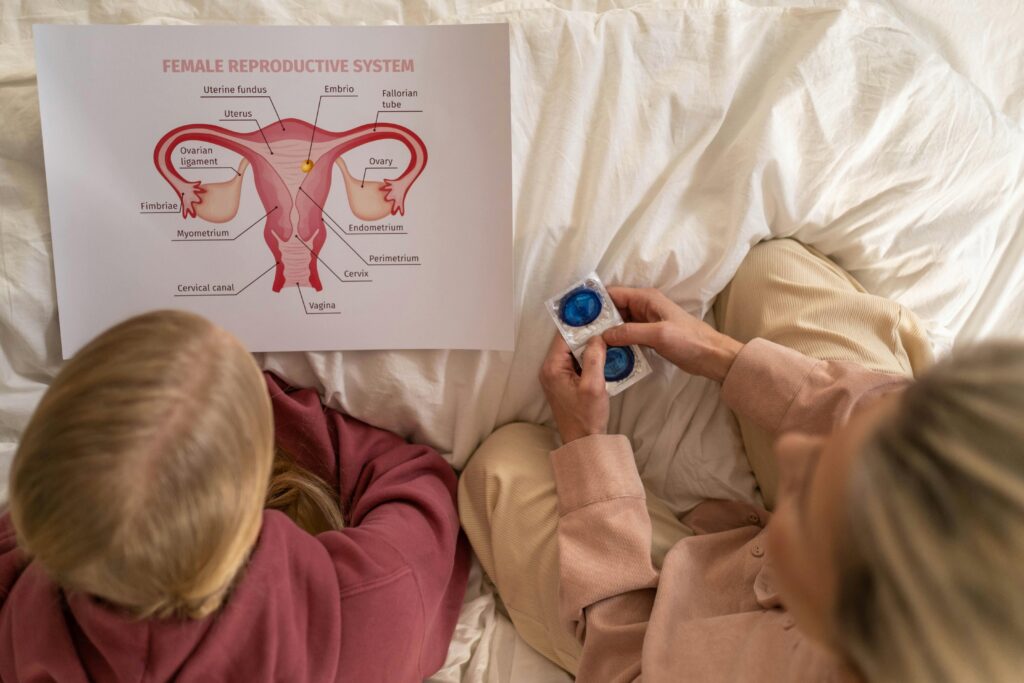
While temporary vaginal odor is completely normal and often goes away on its own, several conditions can change normal vaginal odor. However, if odors persist and you are experiencing excessive itching, burning, discharge irritation, seeking medical advice is recommended.
Bacterial Vaginosis (BV)
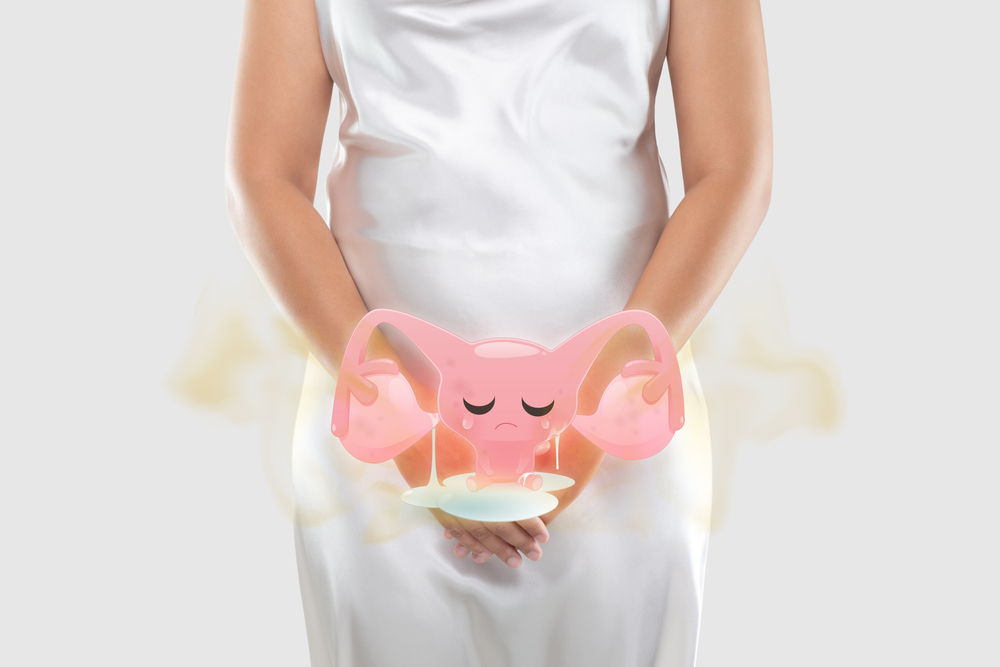
Bacterial vaginosis is the most common vaginal condition that causes odors in the genital area for women. Bacterial vaginosis affects 23-29% of women globally and creates a strong fishy odor. This condition occurs when harmful bacteria outnumber the good bacteria in the vagina. Women with bacterial vaginosis typically notice a thin, gray discharge along with the fishy odor. The smell becomes stronger after sexual intercourse because semen changes the vaginal pH. About 8.2% of married women in studies showed bacterial vaginosis symptoms.
Yeast Infections

Yeast infections cause different odor changes, creating bread-like or sweet smells. These infections affect women who are pregnant, diabetic, or taking antibiotics most often. The characteristic thick, white discharge helps distinguish yeast infections from other conditions.
Trichomoniasis

Trichomoniasis, a sexually transmitted infection, produces strong fishy odors in affected women. This parasite-caused infection affects about 1.4% of women and creates frothy, green discharge. Only 30% of people with trichomoniasis develop noticeable symptoms, making early diagnosis challenging.
A Forgotten / Stuck Tampon

It is impossible for a tampon to get lost inside the body. It is more likely to be compressed higher in the vaginal canal. If left and not removed, it can cause a very strong vaginal odor and increases a person’s chance of toxic shock syndrome. Not regularly changing pads or tampons can lead to heavy odors. This risk is higher for those with heavy flow. The smell comes from bacterial buildup on saturated products.
Common Causes of Genital Odor in Men

Male genital odors often stem from hygiene practices and medical conditions, particularly affecting uncircumcised men. While it is not unusual for the penis to have an odor, any noticeable change or strength in the odor could be a cause for concern. Seeking medical attention is advised if the smell persists or worsens.
Smegma Buildup
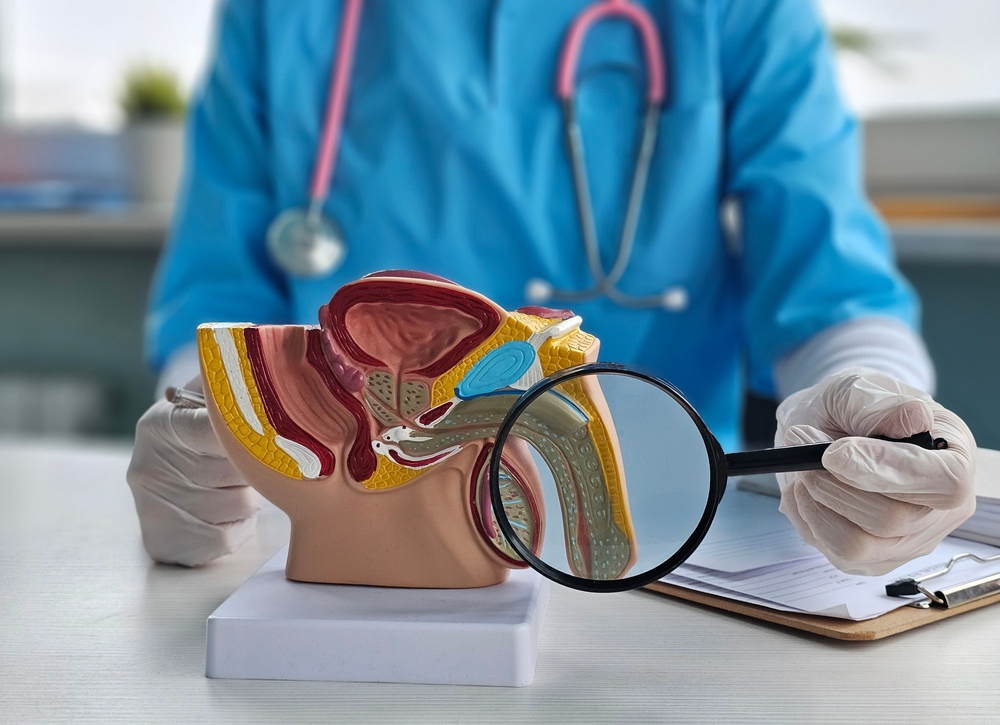
Yes, smegma is a legitimate medical term. The word comes from the Greek word smēgma (σμῆγμα), meaning “soap” or “cleaning agent,” due to its soap-like appearance. Ironically, it is now used to describe an unclean buildup. Smegma buildup creates the most common odor problem when dead skin cells and natural oils accumulate under the foreskin. Uncircumcised men face higher risks of developing infections because the foreskin creates a warm, moist environment. Poor daily hygiene allows bacteria to multiply rapidly, leading to strong, unpleasant odors. Regular cleaning prevents most smegma-related problems.
Balanitis

Balanitis, or inflammation of the penis head, causes redness, swelling, and bad odor. This condition results from poor hygiene, infections, or allergic reactions to soaps and detergents. Uncircumcised men develop balanitis more frequently than circumcised men.
Urinary Tract Infections

Urinary tract infections in men create strong, ammonia-like odors that seem to come from the penis. Men with diabetes, enlarged prostates, or kidney stones face higher UTI risks. These infections require antibiotic treatment to prevent any serious complications from developing.
Sexually Transmitted Infections

Sexually transmitted infections like gonorrhea and chlamydia produce foul-smelling discharge in men. These infections often develop without obvious symptoms, making regular STI testing important for sexually active men. Early treatment prevents long-term reproductive problems.
When to See a Doctor

Certain odor changes require immediate medical attention, especially when accompanied by other symptoms. Strong, persistent odors that even with a proper hygiene regimen could indicate underlying and more serious health conditions. Seeking medical attention is highly advised in this case.
Women should consult doctors when experiencing fishy odors with burning, itching, or unusual discharge. These symptoms frequently indicate bacterial vaginosis or sexually transmitted infections requiring prescription medications. Bleeding between periods combined with strong odors may signal more serious conditions.
Men need medical evaluation for persistent odors with discharge, burning during urination, or genital swelling. Red, inflamed skin around the penis head suggests balanitis or other infections. Difficulty retracting the foreskin, along with bad odors, requires immediate attention.
Healthcare providers can perform specific tests to identify bacterial infections, STIs, or other treatable conditions. Doctors typically use urine tests, swab samples, and physical examinations to diagnose odor-causing conditions. These tests identify specific bacteria, fungi, or parasites responsible for symptoms. Most conditions are treatable by taking the appropriate antibiotic or antifungal treatments.
Prevention and Treatment Options

Simple daily hygienic habits may prevent or get rid of most genital odor problems. Women should wash the external genital area with warm water and mild, unscented soap daily. Douching may also cause a change in vaginal odor as the vagina is self-cleaning. It also disrupts the natural bacterial balance and increases infection risks.
Men should retract the foreskin during bathing and gently clean underneath with warm water. Pat the area dry thoroughly after washing, as moisture promotes bacterial growth. Avoid excessive friction from drying as this may damage the sensitive skin around the area and may increase the likelihood of infection. Consistent hygiene habits prevent the buildup of smegma and reduce the risk of infection.
Cotton underwear allows better airflow and moisture control compared to synthetic fabrics. Change underwear daily and immediately after sweating heavily from exercise or hot weather. Loose-fitting clothing prevents moisture buildup in the genital area.
Antibiotic treatments effectively cure most bacterial infections causing genital odors. Bacterial vaginosis typically requires metronidazole or clindamycin treatment for one week. Male partners may also need treatment to prevent reinfection in women.
Probiotics may help restore healthy bacterial balance in women recovering from vaginal infections. Yogurt and probiotic supplements containing lactobacilli can support vaginal health. However, consult healthcare providers before starting any supplement regimen.
Lifestyle Factors That Affect Genital Odor

Your daily habits directly impact genital health and odor, starting with dietary habits. High sugar intake increases the risk of yeast infections and bacterial vaginosis in women. Reducing processed foods and added sugars helps maintain a healthy bacterial balance. Regular exercise benefits overall health but creates additional hygiene challenges. Shower promptly after workouts to remove sweat and bacteria before they multiply. Change out of wet workout clothes immediately to prevent moisture buildup.
Sexual practices significantly influence genital odor patterns for both partners. Use condoms to prevent bacterial exchange during intercourse. Clean the genital area gently with water after sexual activity to remove potentially harmful bacteria. Multiple sexual partners increase risks of developing odor-causing infections. Studies show men with multiple partners carry more bacteria associated with bacterial vaginosis. Safe sex practices reduce transmission of odor-causing organisms.
Smoking affects genital health by reducing immune system function and altering natural bacterial balance. Quitting smoking improves overall genital health and reduces infection risks. Weight management also helps reduce sweating and moisture in the genital area.
Stress management plays an important role in maintaining genital health. High stress levels can disrupt hormonal balance and immune function, making infections more likely. Regular exercise, adequate sleep, and stress reduction techniques support optimal intimate health.
Read More: Molasses to Pennies: All the Smells a Healthy Vagina Can Be