
Turmeric is a staple in many cuisines, including Indian, Middle Eastern, North African, and Caribbean. You may not have turmeric in your spice cabinet, but you’ve likely already eaten it in curries, baked goods, mustards, hummus, soups, spice rubs, and more. It’s also featured in traditional Chinese medicine, and modern research is uncovering why. Here’s how to use turmeric to reap its potential health benefits. You may not have this root in your spice cabinet, but you’ve likely already eaten it.
Anti-inflammatory agent

The main active compound in turmeric is curcumin, which is responsible for its distinct color and most of its health benefits. This includes its anti-inflammatory effects, which help reduce the levels of uncontrolled inflammation in the body. A 2021 review found that curcumin may help conditions like arthritis, psoriasis, inflammatory bowel disease, atherosclerosis, and depression. Keep in mind, most of these studies took place in laboratories, and further research needs to determine how to best implement curcumin into practical medication.
Fights free radicals
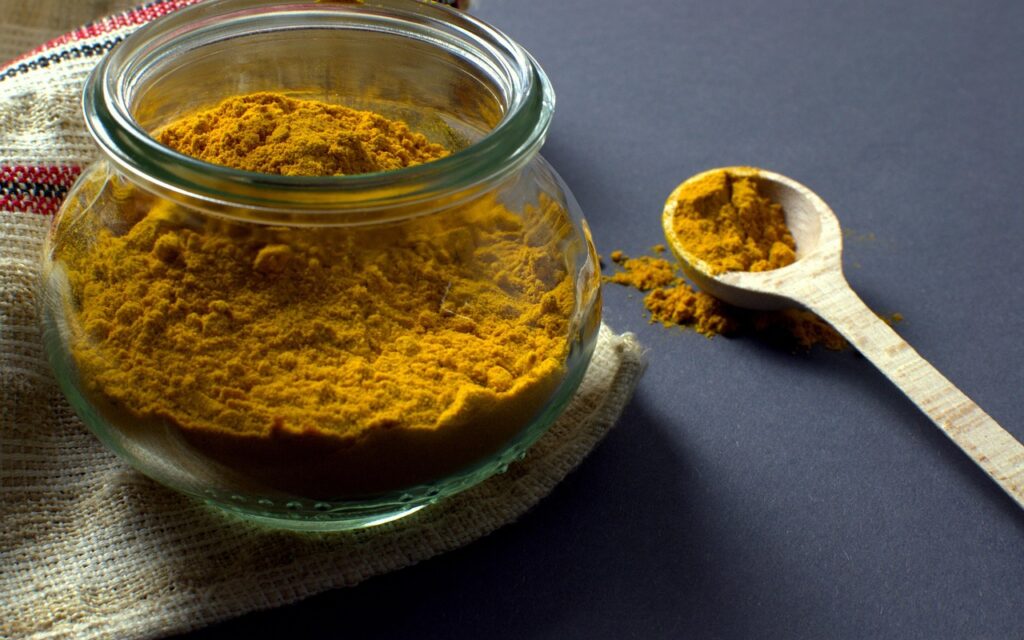
“Like other colorful plant-based foods, turmeric is rich in phytonutrients that may protect the body by neutralizing free radicals and shielding the cells from damage,” says Mary-Eve Brown, an oncology clinical dietitian/nutritionist at Johns Hopkins Medicine. Free radicals are reactive and unstable molecules that can cause oxidative stress and damage cells in the body. Research connects oxidative stress to heart disease, digestive diseases, dementia, respiratory diseases and more. Factors like air pollution, radiation from the sun, an unhealthy diet, and smoking can accelerate the production of free radicals. Therefore, it’s impossible to avoid them entirely, but foods like turmeric can help mitigate their negative effects.
May have anti-cancer properties
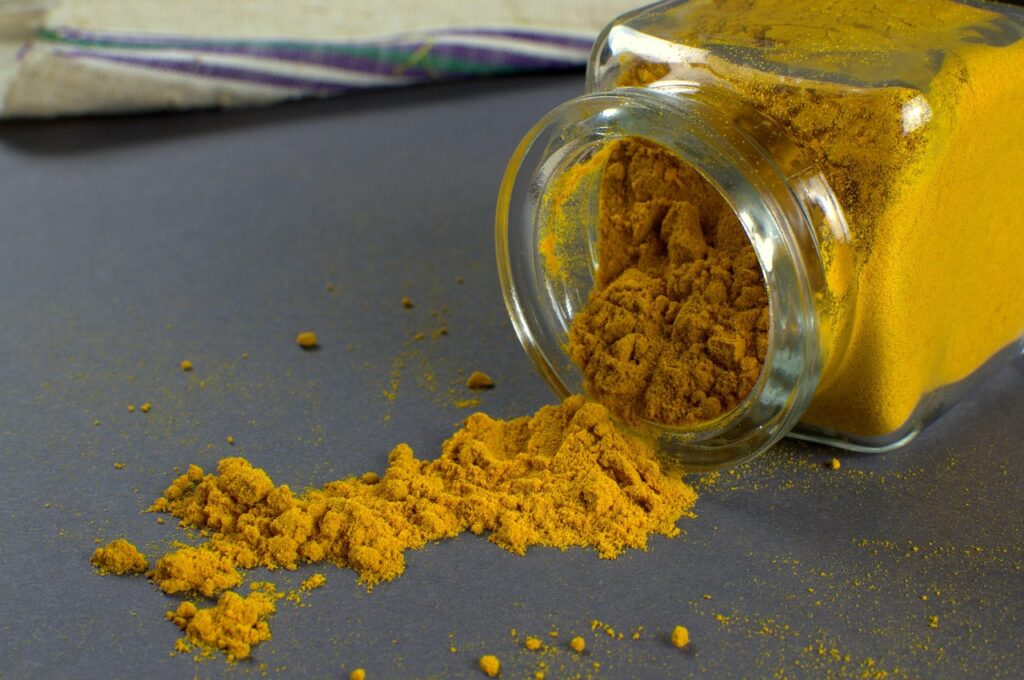
Over the last two decades, curcumin has been studied for its potential effects against cancer. The research indicates that it may help in a few ways, reports the National Institute of Cancer. They include supporting the death of cancerous cells, limiting the spread of cancer, and reducing the growth of new blood vessels within the tumors. Data from early-phase trials are promising but must be backed by larger studies to evaluate dosages, safety, potential side effects, and effectiveness on different types of tumors.
How to use turmeric in your diet
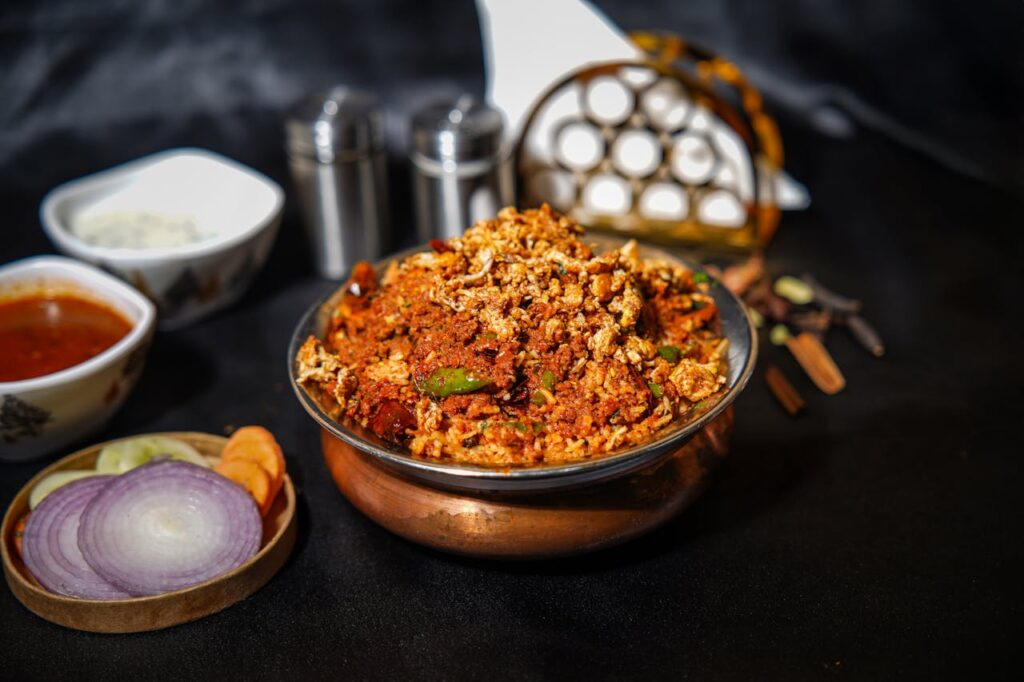
Unfortunately, curcumin and the other active ingredients in turmeric are not bioavailable. This means the body doesn’t easily absorb them. In order to better reap the benefits of this spice, combine it with black pepper, which contains a substance called piperine that increases its bioavailability. Fortunately, this isn’t hard to do for many dishes, such as soups, rice, stews, eggs, smoothies, and roasted meat and vegetables.
Recipe for turmeric tea

If you want to ensure you are consuming turmeric daily, enjoy it in a delicious tea full of health benefits. Simply add 2 tables of chopped turmeric root or two teaspoons of turmeric powder to 1–2 cups of water. Bring the liquid to boil then simmer it for 5 minutes. Then strain the tea and enjoy it warm or cold. You can also add honey or lemon to better suit your taste preferences. If you want to use turmeric root but won’t use it all before it rots, cut it into smaller pieces and freeze them. They will keep in the freezer for up to six months, and you can make fresh tea whenever you want.
Recipe for golden milk

This drink became a trend over social media but it’s long been an alternative remedy in India. It’s also called turmeric lattes, although there’s no coffee involved. It may be more appealing to people who prefer milky drinks over plain tea. There are different versions, but Sunil Vijayakar on BBC recommends mixing milk (or a dairy-free alternative) with ground or grated turmeric, grated fresh ginger, a star anise, Manuka honey, and cinnamon. You can also add black pepper for more bioavailability. Bring the mixture to a boil then simmer for 5 minutes before straining and enjoying. Check out a recipe here.
Beware of staining
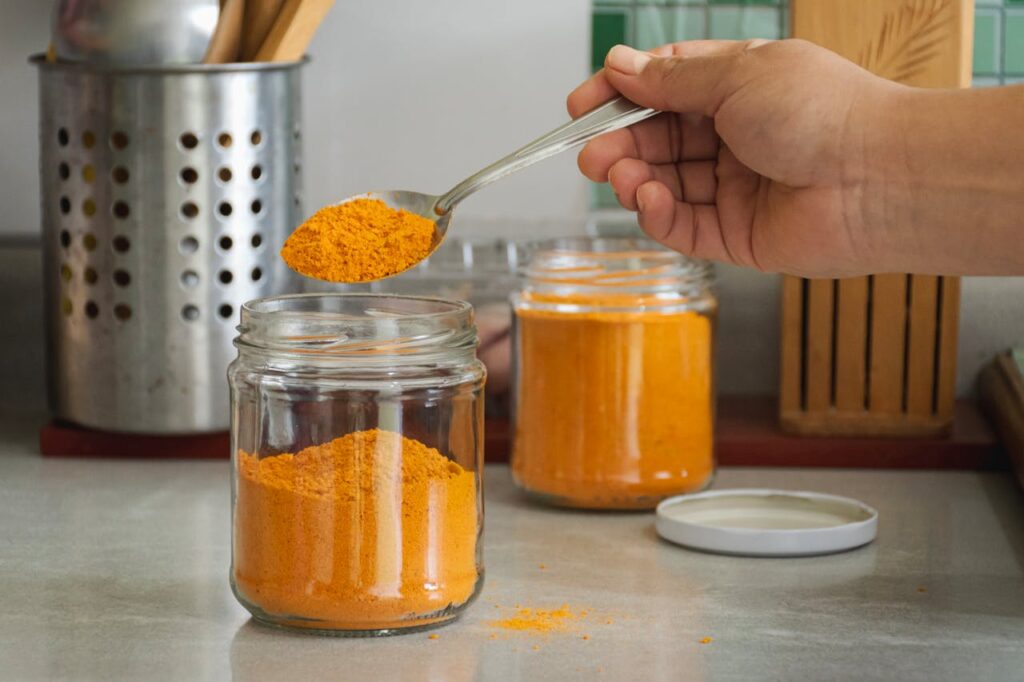
Turmeric has a bright yellow pigment, and unfortunately, you may find this pigment on fabrics, counters, and even skin and teeth after using this spice. To prevent the yellow-fication of your clothes and kitchen, use metal or dark-colored utensils and food service-grade gloves while preparing it. If there’s an accident, immediately clean up the spill and rinse the item to prevent the stain from setting. And store turmeric in glass or metal containers since it can stain plastic.
How to clean turmeric from counters and tables
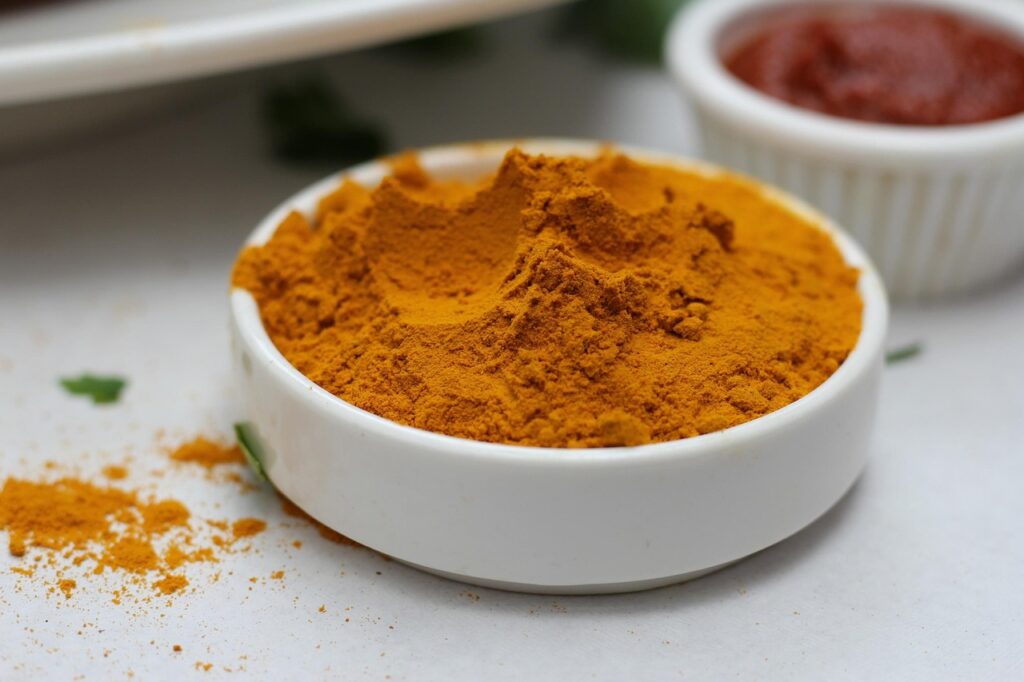
It’s difficult to remove turmeric stains from countertops and similar surfaces but doable. Start by gently sweeping away the remaining turmeric powder before applying a paste made of equal parts water and baking soda. Let it sit for 15 minutes before scrubbing with a damp, non-scratch sponge. If the stain has lightened but is still there, repeat the process until it’s gone. If the baking soda paste doesn’t work, use a magic eraser, which is a type of melamine foam. Wet the foam and gently rub the stain until it’s removed.
What about turmeric supplements?
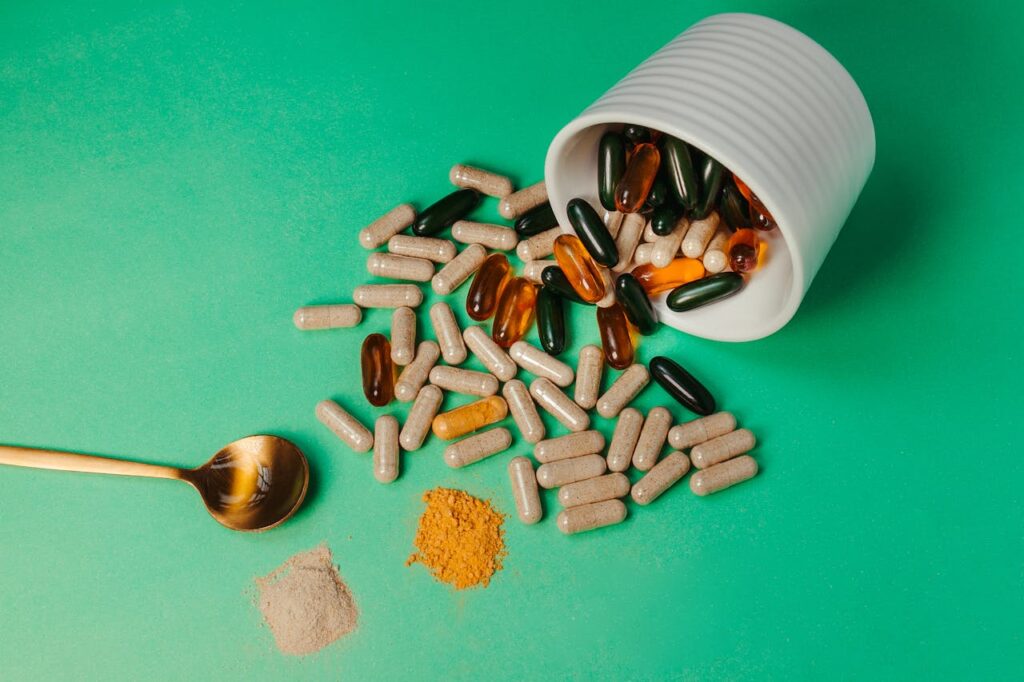
In general, Brown does not recommend turmeric and curcumin supplements. Supplements in general have a significantly higher concentration of the compound than one would get by eating it in foods. This can lead to several potential side effects. For instance, turmeric supplements can increase the risk of kidney stones, especially for people genetically prone to them. They can also increase the risk of bleeding for people taking blood thinners, and worsen side effects from immunosuppressive drugs. “It’s better to get curcumin and most other nutrients in whole food form rather than to take turmeric pills, tinctures, capsules or gummies,” Brown says.
Disclaimer: This information is not intended to be a substitute for professional medical advice, diagnosis or treatment and is for information only. Always seek the advice of your physician or another qualified health provider with any questions about your medical condition and/or current medication. Do not disregard professional medical advice or delay seeking advice or treatment because of something you have read here.
Read More: Turmeric for arthritis, how well does it work?