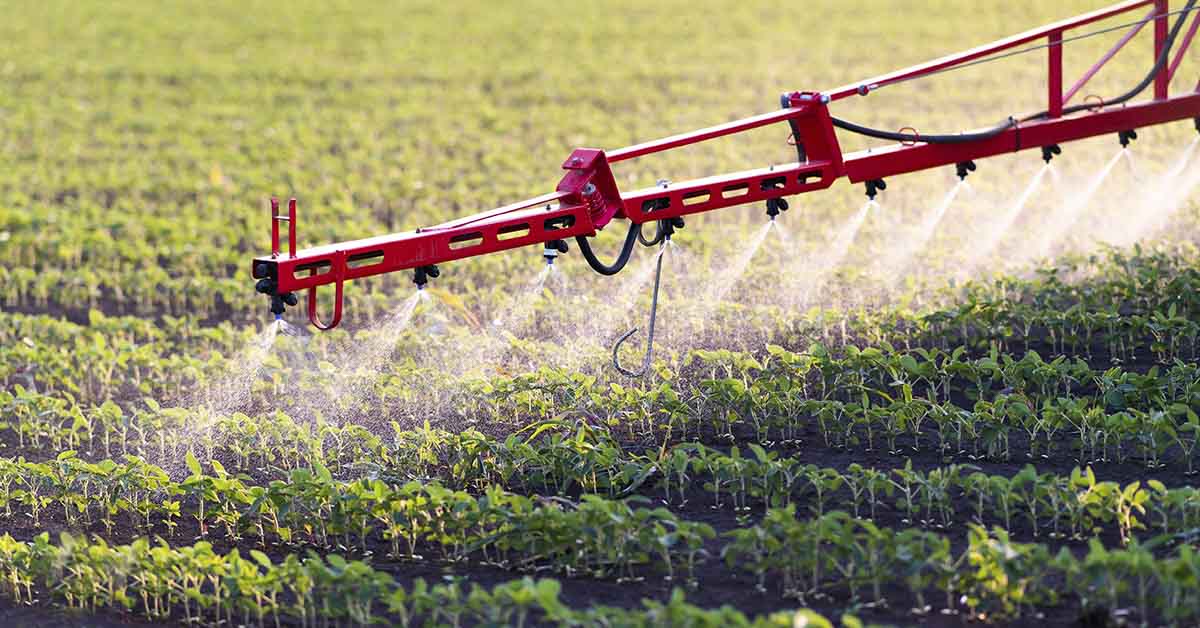

For a long time, glyphosate, the active ingredient in Roundup, was the most infamous herbicide. It is widely used around the world and believed to be harmless. That is, until animal studies linked long-term exposure to digestive issues, and liver and kidney damage. In fact, the International Agency for Research on Cancer classified glyphosate as a possible carcinogen. However, research found a herbicide with far more potential health risks: diquat dibromide. In fact, the Friends of the Earth non-profit analyzed data from the Environmental Protection Agency and found that chronic exposure of diquat is about 200 times more toxic than glyphosate.
“A regrettable substitution”
Amid the rising controversies around glyphosate, diquat became a primary replacement in many herbicides. This was the case for Roundup as well. Bayer bought Monsanto in 2018 and reformulated Roundup after glyphosate was classified as a possible carcinogen. However, the Friends of the Earth report still finds glyphosate in some of their products. Moreover, they found that eight new Roundup products contained four new active ingredients with potential health risks. They are diquat dibromide, fluazifop-P-butyl, triclopyr, and imazapic. Diquat is considered the worst of them all.
Keep in mind that the herbicide diquat is banned in the UK, the European Union, and other countries due to its ecological toxicity and health risks. But it is still used in agriculture in the U.S on crops like potatoes, cotton, sugarcane, and rapeseed. “From a human health perspective, this stuff is quite a bit nastier than glyphosate so we’re seeing a regrettable substitution, and the ineffective regulatory structure is allowing it,” said Nathan Donley, science director with the Center For Biological Diversity. “Regrettable substitution” is a scientific term for when a toxic substance is replaced with another toxic ingredient.
Bayer’s bad reputation

Bayer is no stranger to complaints and controversies. The company has faced almost 175,000 lawsuits where users alleged being harmed by the product, according to The Guardian. “Drug companies are not allowed to replace the aspirin in a brand-name pain reliever with OxyContin or fentanyl, and for good reason. It is unconscionable that the Environmental Protection Agency allows this toxic sleight of hand and unethical that Bayer is exposing consumers to dramatically greater risks with no warning,” said Sarah Starman, senior campaigner at Friends of the Earth, press release. “Bayer, like other chemical companies, cannot be trusted to protect our health. We need serious reform at the EPA to ensure that the agency does its duty to protect people and the environment from dangerous pesticides.”
The health risks of diquat
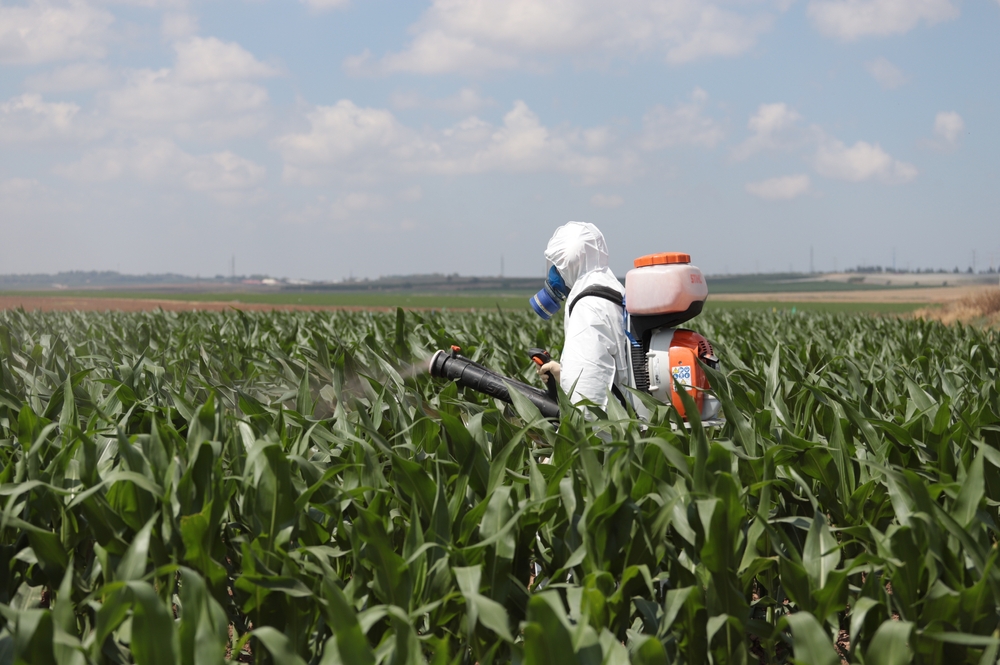
A 2025 review in the journal Frontiers in Pharmacology delves into the physicochemical properties of diquat. It linked exposure to the herbicide to liver and kidney dysfunction, abnormal inflammatory activation, oxidative stress and immune dysregulation, inhibition of beneficial gut bacteria, damage to the intestinal barrier, and weakened immune function. It’s no surprise that diquat is toxic, which is why it’s handled with protective gear. But experts have disagreed on how much exposure is considered safe. There’s no clear answer since most of the studies were done on animals.
Meanwhile, reports have shown that high concentrations of diquat can cause multiple organ failure and death in humans, says Snopes. In the American Association of Poison Control Center’s annual report, four people have died from diquat poisoning from 2020 to 2023. And there have been about 400 to 500 cases of poisoning from this herbicide for each of those years. Still, the authors called for further trials to test the health risks of long-term exposure to low amounts of herbicides like diquat.
The environmental impact of diquat

The study authors explain that diquat can lead to environmental harm “due to its potential for bioaccumulation and long-term persistence in soil and water bodies.” This opens up flora and fauna to potential toxicity. Keep in mind, the herbicide can stay active up to 10 days in water and longer in soil. This may lead to food contamination. “[In-depth] investigation of its toxicological mechanisms remains essential for ecological restoration in contaminated areas, clinical management of poisoning cases, and toxicity assessment of structurally related herbicides,” the authors write.
Diquat Ban in the U.S.?
Unfortunately, weak pesticide regulations in the U.S. make it difficult to ban ingredients. “Other countries have banned diquat, but in the US we’re still fighting the fights that Europe won 20 years ago,” said Donley to the Guardian. “It hasn’t gotten to the radar of most groups and that really says a lot about the sad and sorry state of pesticides in the US.” Plus, Donley believes that despite the potential health risks, the EPA views herbicides like diquat as a necessary evil. “When you approach an issue from that lens there’s only so much you will do.”
Read More: 10 Amazing Things that Happen When You Use Vinegar in Your Garden