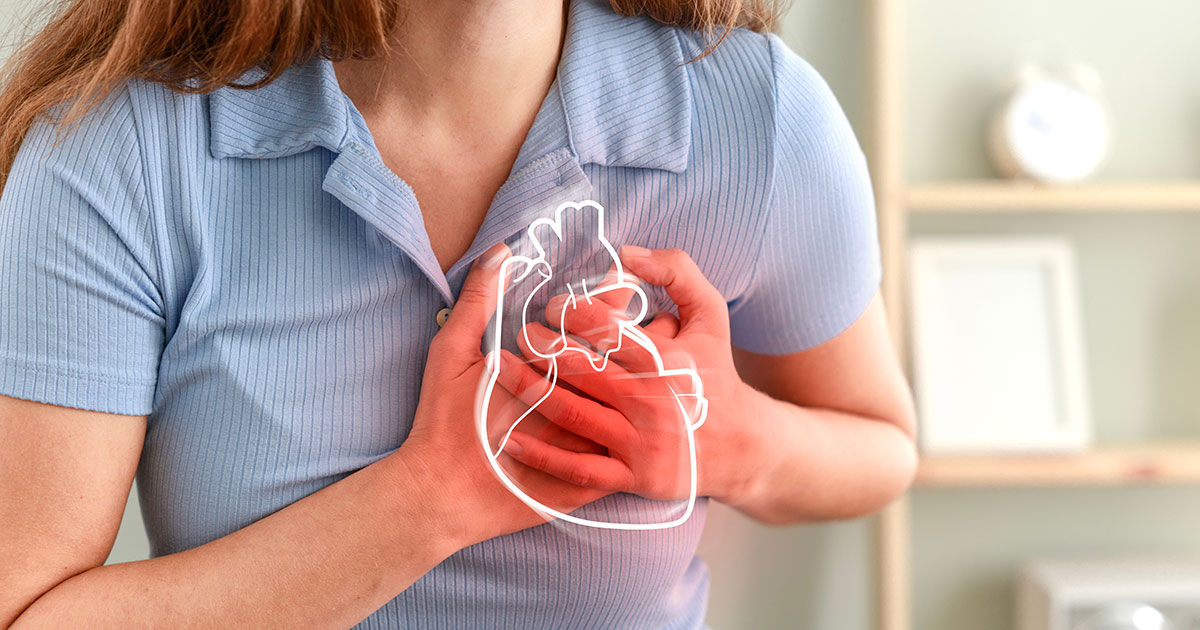

Between 30% and 40% of women having a heart attack never feel the classic crushing chest pain. Jaw pressure, nausea, strange tiredness, or sudden shortness of breath may be the only signs. These signs can start weeks before a heart attack. When symptoms don’t match the picture of a man clutching his chest, many women wait to see if the feeling goes away. That delay can let more heart muscle get damaged.
Chest pain is the most common heart attack symptom in both men and women. But women are more likely to have symptoms that don’t seem linked to the heart, like nausea or brief pain in the neck or back. To spot women heart attack symptoms in all their forms, it helps to know why women’s bodies are different. It also helps to know why standard heart tests don’t always catch the problem in time.
Why Women’s Hearts Work Differently
Heart disease is the top cause of death for both women and men in the United States. But it can develop and show itself differently in each sex. Women often have smaller hearts and blood vessels than men. This affects how heart disease develops. It can lead to symptoms like shortness of breath, tiredness, and jaw or back pain, instead of the strong chest pain more common in men.
Before menopause, the hormone estrogen may help protect the heart. After menopause, estrogen drops and heart risk rises sharply. Heart disease may show up later in women, but that doesn’t mean the risk is lower, especially after midlife.
Blockages can also form in different places. In men, heart attacks often come from plaque, a fatty buildup, in the main heart arteries. In women, problems can also happen in the heart’s tiny blood vessels. The American Heart Association calls this coronary microvascular disease (MVD). It affects the small blood vessels of the heart and is more common in women. Standard heart stress tests were mostly built to find blockages in large arteries. That’s part of why heart disease in women can go unnoticed longer.
Women are also more likely than men to have a heart attack with no major blockage in a large artery, according to the Mayo Clinic. That’s why the classic blocked-artery picture doesn’t fully fit heart attacks in women.
Which heart attack symptoms in women get dismissed?
Read More: Heart Doctor Reveals 8 Warning Signs of a Heart Attack, Even If You Seem Healthy
Chest discomfort is still the most common warning sign, even in women. The American Heart Association is clear about this. But it often feels different. Women more often describe it as pressure or tightness, not a sharp, crushing pain. And some symptoms don’t involve the chest at all.
Jaw, neck, and back pain are among the most often missed signs. The American Heart Association says women are much more likely than men to have jaw pain during a heart attack. Many women also feel aching in the neck, throat, or between the shoulder blades. Without chest pain, women rarely link these symptoms to their heart.
Nausea is another sign that often gets brushed off. Women are much more likely than men to have nausea, vomiting, or indigestion during a heart attack. These feel like a stomach bug or food poisoning, so reaching for an antacid seems natural. But during a heart attack, that delay wastes precious time.
Shortness of breath needs special attention. The American Heart Association says it can happen during a heart attack with or without chest discomfort. For many women, sudden trouble breathing is the main symptom. Yet it rarely sets off the same alarm as chest pain. A cold, clammy sweat with no clear cause is another sign that often gets missed. This is especially true when it comes with chest discomfort or shortness of breath.
Because women have smaller hearts and blood vessels, their symptoms are also more likely to show up during rest or sleep. A woman may wake up at night short of breath or with a vague pressure in her chest. She may blame it on a bad dream or anxiety and wait until morning.
What warning signs can appear weeks before a heart attack?
About 95% of women had new or unusual symptoms more than a month before their heart attack. That’s according to a 2003 study in Circulation led by Jean McSweeney. In most cases, the body gives some warning.
The most common early sign was tiredness. About 70% of women had unusual, unexplained tiredness in the weeks before their heart attack. This was not normal tiredness. It was a heavy feeling that didn’t go away with rest and made everyday tasks feel much harder than usual.
Trouble sleeping was the second most common early sign. Nearly half of the women in that study had trouble falling asleep or staying asleep in the weeks before their heart attack. New or ongoing sleep problems need a doctor’s attention, not just better bedtime habits. This is especially true if they come with unexplained tiredness or mild shortness of breath.
You can read more about clogged artery warning signs that often precede cardiac events, many of which overlap with the pre-attack fatigue and exertion intolerance women commonly report.
These early signs build up slowly, which makes them easy to ignore. Climbing stairs, walking fast, or doing normal tasks may get harder bit by bit. The change can be so slow that women get used to it instead of asking why. These changes can be mistaken for anxiety, stomach trouble, or sore muscles.
What is a silent heart attack?
Nearly one in five heart attacks is silent, and women are more likely to have one, according to reporting by WSAZ. A silent heart attack damages the heart muscle without the strong symptoms that would send someone to the ER. The Cleveland Clinic says people often don’t know they had one until weeks or months later.
Women have a wider range of symptoms and often blame them on something less serious. So a heart attack can pass before a woman gets care. But the damage stays. Scar tissue on the heart raises the risk of another heart attack. Over time, it can also weaken how well the heart pumps.
Blood pressure and cholesterol checks can find heart risk that causes no symptoms at all. A heart attack happens when blood flow to the heart muscle is cut down or blocked. That process can start long before any symptoms. Regular checkups are the best way to find that risk early, instead of waiting for symptoms.
Why Women End Up in a Worse Position
Symptoms that don’t fit the usual pattern take longer to be seen as an emergency. A 2025 study in Frontiers in Global Women’s Health found that women also wait because they’d rather treat themselves or don’t want to bother emergency services. This waiting has real costs. Treatment works best within the first hour after symptoms start. Each extra hour lets more heart muscle die.
The delays don’t always stop once a woman gets to the hospital. Research on sex-based disparities in cardiac care found that women are more likely than men to die after a first heart attack. Part of that gap is biology. Part of it is that heart tests and treatments were mostly developed on men. They don’t always work the same way for women.
What to Do Now
If something feels wrong, act on it. That includes jaw pressure that won’t go away, shortness of breath during normal activity, nausea that doesn’t clear up, or tiredness that feels different from usual. The American Heart Association says to call emergency services if you think someone is having a heart attack, even if you’re not sure.
If you don’t have symptoms now, the most useful step is regular checkups. Checking blood pressure, cholesterol, and blood sugar, and talking with your doctor about family history, shows your risk better than any symptom list. Some women had problems during pregnancy, like gestational diabetes or high blood pressure. They have a higher heart risk for the rest of their lives. They may need follow-up care long after the baby is born.
Women heart attack symptoms often feel like tiredness, indigestion, or jaw pain, not crushing chest pain. These symptoms can show up weeks before a heart attack. Knowing the signs and acting on them, instead of waiting to be sure, gives you the best chance at treatment that works.
Disclaimer: This information is not intended to be a substitute for professional medical advice, diagnosis, or treatment and is for information only. Always seek the advice of your physician or another qualified health provider with any questions about your medical condition and/or current medication. Do not disregard professional medical advice or delay seeking advice or treatment because of something you have read here.
AI Disclaimer: This article was created with the assistance of AI tools and reviewed by a human editor.