
Most people have no idea their cholesterol is a problem until a routine blood test delivers the news. There are no symptoms to warn you, no obvious red flags before the fact. You can feel completely fine while LDL (low-density lipoprotein, the “bad” kind of cholesterol that clogs arteries) quietly builds up inside your blood vessels. By the time most people find out, years of dietary habits have already left their mark.
What makes this so common is partly just how modern eating looks. Grocery stores, restaurants, and drive-throughs are stocked with foods that are convenient, satisfying, and engineered to taste good – many of which happen to be among the worst foods for cholesterol. The connection is not always obvious. A croissant doesn’t feel like a health decision. Neither does a splash of cream in your coffee or a midweek burger. But the cumulative effect of these choices, day after day, adds up in ways your arteries notice even when you don’t.
The good news is that diet is one of the most powerful tools for changing your cholesterol picture, which means knowing what to cut back on actually matters. Here are the nine foods most consistently flagged by research as serious threats to your cholesterol levels.
1. Trans Fats (Still Hiding in Processed Foods)
About 86 million US adults age 20 or older have total cholesterol levels above 200 mg/dL, according to the CDC – putting tens of millions at increased risk of heart disease and stroke. But not all dietary threats to cholesterol are equal. Trans fat sits at the very top of the list. According to the Mayo Clinic, “trans fat is the worst type of fat to eat” because it raises LDL (bad) cholesterol while simultaneously lowering HDL (good) cholesterol – a double hit that dramatically raises cardiovascular risk.
The FDA took action in 2015, determining that partially hydrogenated oils – the primary industrial source of trans fat – were no longer “Generally Recognized as Safe,” effectively banning them to prevent heart attacks. That was meaningful progress, but trans fats haven’t disappeared entirely. Small amounts can still appear in fried foods, some shortenings, and commercially prepared products where oils are cooked at high temperatures. A 2024 review published in European Food Research and Technology found that cooking food in oil at high temperatures triggers chemical reactions that form trans fats while reducing the amount of healthy unsaturated fats.
The practical takeaway: read ingredient labels and look for “partially hydrogenated oils.” If you see it, put the product back.
2. Fatty Red Meat
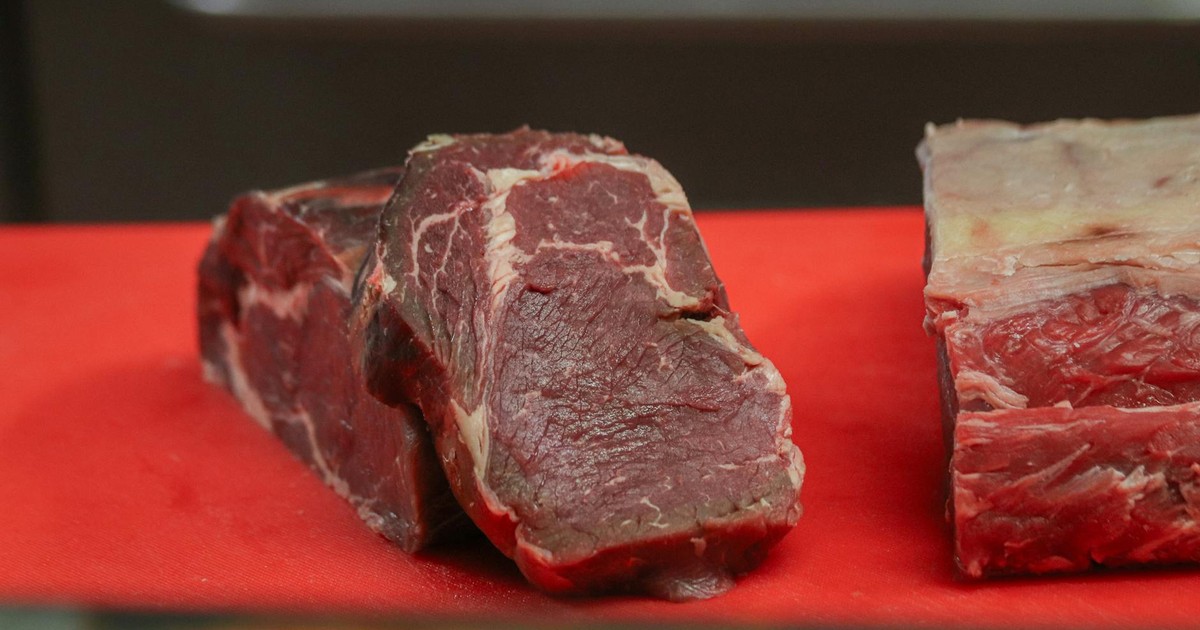
Red meat is a staple on most dinner tables, and in moderation and lean cuts, it doesn’t have to be off the menu entirely. The problem comes with fatty cuts eaten frequently. According to the American College of Cardiology, elevated LDL is closely tied to saturated fat intake, with high amounts found in animal products like fatty meat, pork lard, beef tallow, and dairy fat, as well as tropical oils. Beef, lamb, and pork – especially cuts like ribs, ribeye, and pork chops – are among the highest-saturated-fat foods most people eat regularly.
The Mayo Clinic notes that “saturated fat raises your LDL (bad) cholesterol,” directly increasing your risk for heart disease and stroke. The effect on LDL is cumulative, not just from single meals. Research also shows a benefit to changing protein sources: replacing red meat with plant protein sources has been associated with favorable changes in both total cholesterol and LDL cholesterol levels.
If you eat red meat, limit it to two to three times per week, stick to leaner cuts like sirloin or tenderloin, and keep portions to around three ounces – roughly the size of a deck of cards.
3. Processed Meats

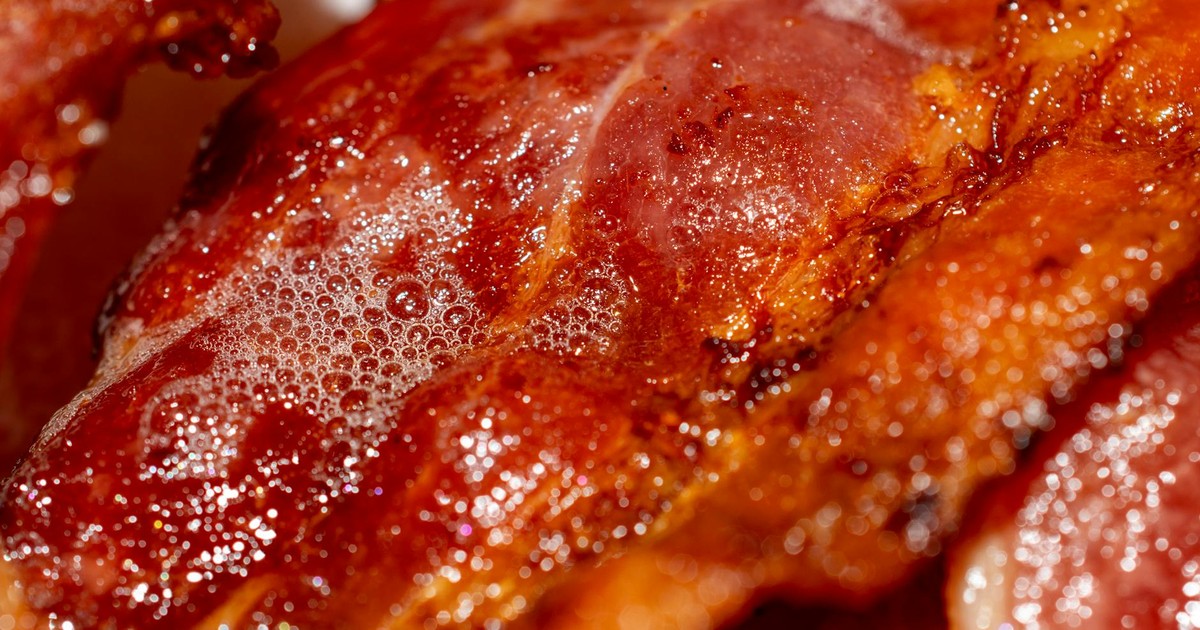
Bacon, sausage, hot dogs, and deli meats carry a different kind of risk than unprocessed red meat. They’re not just high in saturated fat – they’re also loaded with sodium, nitrates, and preservatives that promote inflammation. A large analysis published in BMC Medicine involving 448,568 participants across 10 European countries found that processed meat intake was associated with a 30% higher rate of cardiovascular disease compared to unprocessed meat (a 2013 study, one of the most cited on this topic).
The combination of saturated fat and sodium in these products creates a compounding effect on heart health. Saturated fat pushes LDL up, while excess sodium strains blood vessels and raises blood pressure. Eating these foods regularly – not just occasionally – is where the risk accumulates. Swapping deli meat for grilled chicken, canned fish, or legumes in sandwiches and wraps is one of the simplest upgrades you can make to a cholesterol-conscious diet.
4. Full-Fat Dairy (Butter, Cream, and Cheese)
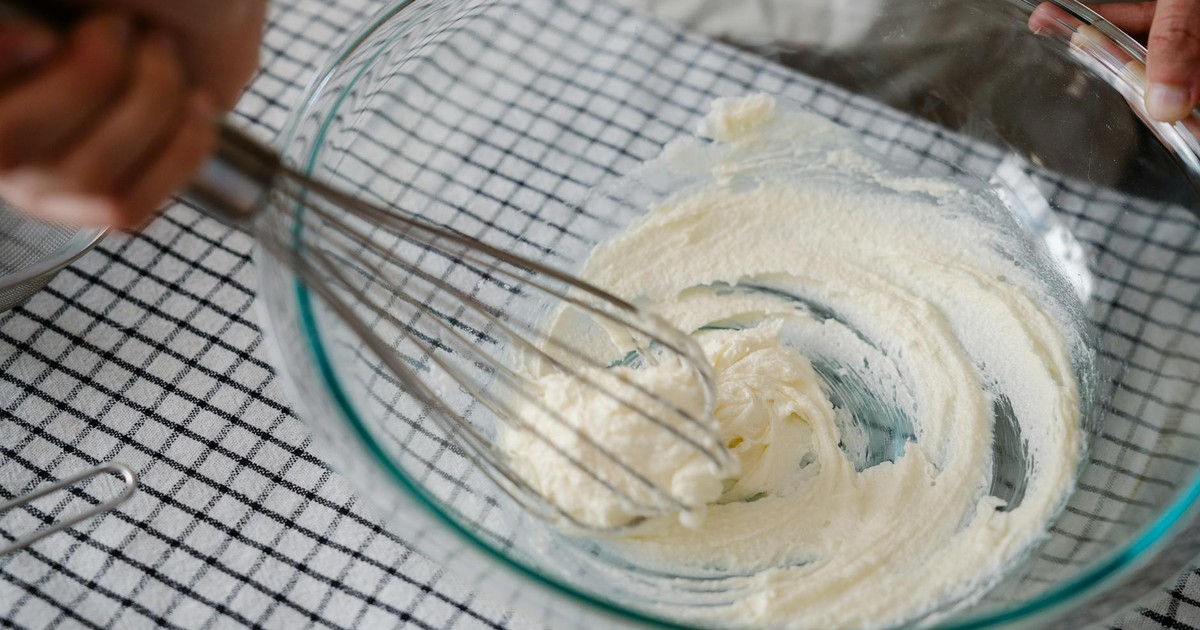
Full-fat dairy is where a lot of people get surprised. Butter and cream feel natural, even wholesome, compared to ultra-processed snacks. But from a cholesterol standpoint, they carry a significant saturated fat load. Butter and similar fats like lard and ghee are roughly 50% saturated fat, with one teaspoon containing around 5 grams of saturated fat.
MedlinePlus, the National Library of Medicine’s consumer health resource, states that saturated fat “raises your LDL (bad cholesterol) level more than anything else in the diet.” The mechanism matters here. Too much saturated fat can cause cholesterol to build up in your arteries. Saturated fats raise your LDL (bad) cholesterol, and high LDL cholesterol increases your risk for heart disease and stroke.
The American Heart Association recommends limiting saturated fats to less than 6% of total calories. One tablespoon of butter alone clocks in at about 7 grams of saturated fat. Swapping butter for olive oil in cooking and choosing lower-fat dairy alternatives can make a meaningful dent in your saturated fat intake without requiring extreme changes.
5. Tropical Oils (Coconut and Palm)

Coconut oil has spent years being marketed as a health food, and its reputation still confuses a lot of consumers. The reality is more complicated. According to the Mayo Clinic, coconut oil and palm oil are both high in saturated fats, and saturated fat is the primary dietary driver of elevated LDL cholesterol.
Data from randomized clinical trials have shown that higher intake of saturated fats raises LDL and increases the risk of cardiovascular disease when they replace unsaturated fats. Dietary patterns with the greatest impact on LDL reduction are high in whole plant foods and low in saturated fat. Plant oils like olive, canola, and soybean have consistently shown favorable effects on LDL cholesterol compared to tropical oils. Coconut oil does contain medium-chain triglycerides (MCTs), which some research suggests may be metabolized differently. But the overall saturated fat content is high enough that the net effect on LDL tends to be unfavorable when used in quantity.
The fix isn’t complicated: use extra-virgin olive oil as your everyday cooking fat. Save coconut oil for occasional use where flavor matters.
6. Commercially Baked Goods and Pastries
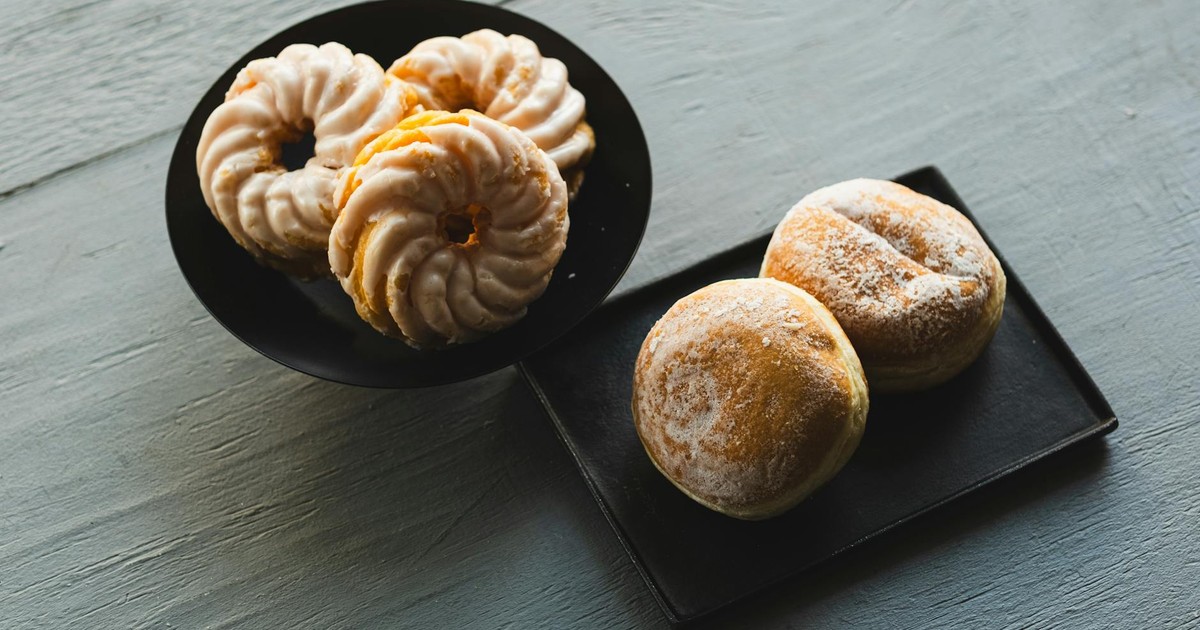
Store-bought cookies, croissants, muffins, and donuts are a two-in-one problem for cholesterol. Commercially produced baked goods can contain both trans fats and high levels of sugar, and both harm cholesterol levels through different but reinforcing pathways. The fat used to create that characteristic flaky, tender texture often comes from palm oil, commonly consumed in processed foods and snacks like cakes, pies, cookies, muffins, and doughnuts – all rich in saturated fat.
The sugar component is often overlooked in the cholesterol conversation, but research shows it matters. A study published in JAMA Internal Medicine found that consumption of added sugar was associated with increased risk for death from cardiovascular disease. Sugar drives the liver to produce more triglycerides, lowers HDL, and raises LDL – all from a food group most people think of as a treat rather than a cardiac risk.
If baked goods are part of your routine, making them at home with olive oil or avocado oil, whole-grain flour, and reduced sugar gives you most of the satisfaction with a fraction of the risk.
7. Fast Food
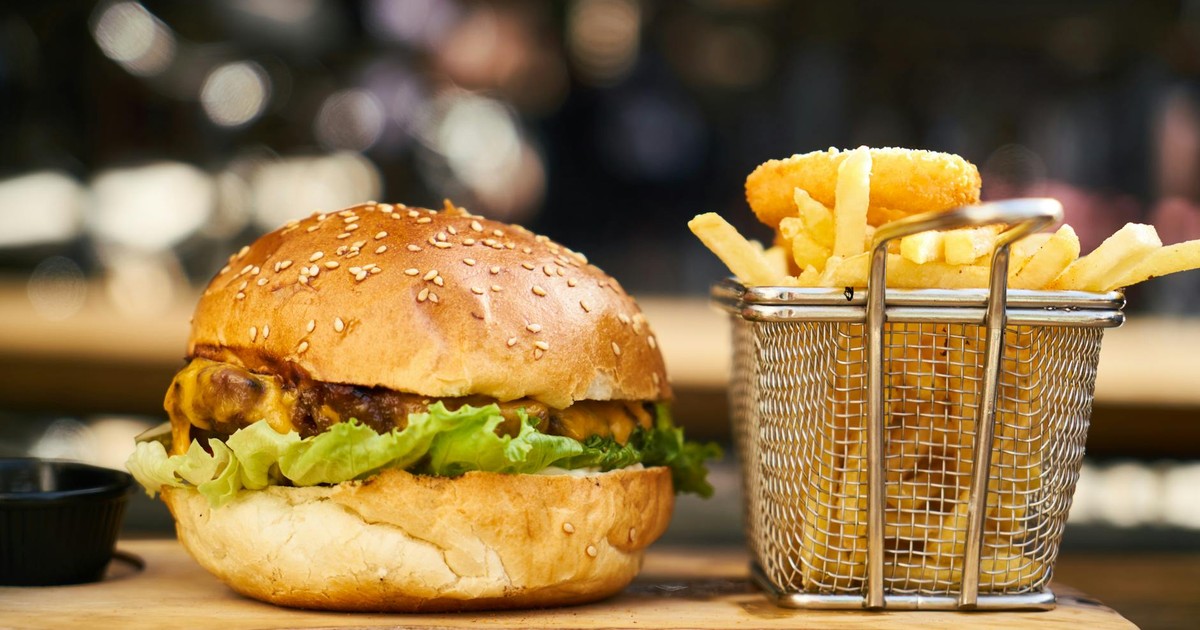
Fast food eaten occasionally is unlikely to derail a generally healthy cholesterol profile. The issue is frequency. Eating fast food more than once a week has been associated with increases in both LDL and total cholesterol levels. The reasons are structural: fast food items are typically high in saturated fat, trans fat, sodium, and refined carbohydrates – the exact combination that pushes LDL up and HDL down.
Burgers, fried chicken, and fries are cooked in oils that may contain or generate trans fats through high-heat cooking, and the portion sizes amplify the saturated fat load well beyond what a single moderate meal would deliver. The American College of Cardiology recommends limiting or eliminating foods high in saturated fat, including processed meats, butter, cream, and processed foods containing palm or coconut oil – and for home cooking and baking, using liquid vegetable oils instead of solid fats.
Making fast food a once-in-a-while choice rather than a weekly default, and opting for grilled rather than fried items when you do eat it, can reduce the impact significantly.
8. Sugary Drinks

Soda, sweetened coffee drinks, energy drinks, and even fruit juice are not typically what people picture when they think about the worst foods for cholesterol – but the link is real and well-supported. Excess added sugar prompts the liver to pump more triglycerides (a type of fat in the blood) into circulation. Higher blood lipids – especially LDL cholesterol – contribute directly to cardiovascular risk through this pathway. Sugar also interferes with the breakdown of existing triglycerides and suppresses HDL.
Research published in JAMA Internal Medicine found that the risk of death from cardiovascular disease increased with a higher percentage of calories from added sugar, and that regular consumption of sugar-sweetened beverages – seven servings or more per week – was associated with increased risk of dying from CVD. That matters because it means you can’t fully exercise your way out of a high-sugar beverage habit. The Dietary Guidelines for Americans 2025-2030 encourages eating minimally processed whole foods and discourages consuming highly processed foods, such as packaged snacks and sugary drinks.
Switching to water, unsweetened sparkling water, or plain coffee and tea is one of the highest-return changes you can make for your cholesterol numbers.
9. Packaged Snacks (Chips, Crackers, and Processed Snack Foods)
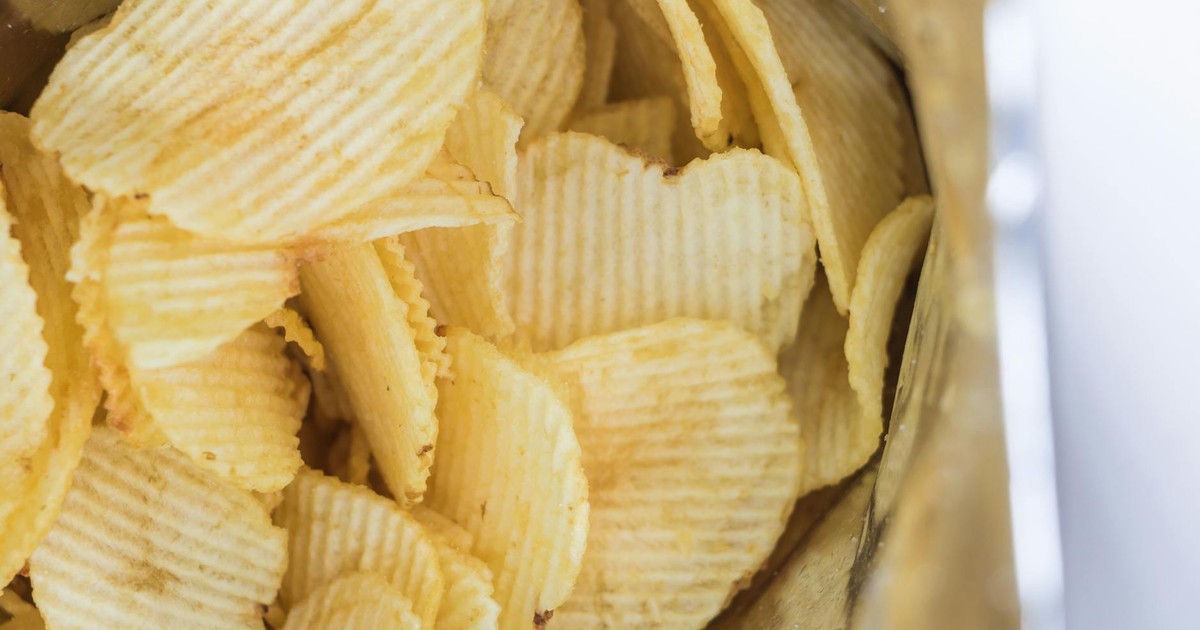
Packaged snacks don’t get the same attention as red meat or fast food, but they’re a stealth contributor to poor cholesterol profiles. Many chips, crackers, and processed snack foods contain refined carbohydrates, saturated fat, and significant sodium. Some – particularly those made with palm oil or partially hydrogenated oils – still carry meaningful trans fat content despite post-2015 reformulation efforts by many brands.
The pattern of consumption matters as much as any single ingredient. Snacking on these foods daily means a steady trickle of cholesterol-raising fats that most people never account for. Even products marketed as healthier alternatives – like vegetable chips made from beet, sweet potato, or kale – are often still fried and coated in oil and artificial flavoring, making them just as calorie-dense and potentially just as harmful to cholesterol levels with regular consumption.
Replacing packaged snacks with a handful of unsalted nuts, fresh fruit, or vegetables with hummus doesn’t require willpower so much as having better options within reach. Getting five to ten grams of soluble fiber daily – found in foods like oats, beans, and fruit – has been shown to decrease LDL levels, making fiber-rich snacks a genuine upgrade rather than just a consolation prize.
Read More: 6 Warning Signs of High Cholesterol You Might Notice While You’re Walking
What This Means for You

Cholesterol-related heart disease doesn’t build overnight. It accumulates quietly, driven by patterns rather than single meals. The nine foods on this list share a common thread: they’re high in saturated fat, trans fat, added sugar, or some combination of all three – and each one interferes with your body’s ability to manage LDL effectively. Between 2017 and 2020, 10% of adults age 20 or older had total cholesterol levels above 240 mg/dL, and about 86 million US adults have total cholesterol levels above 200 mg/dL, according to the CDC – a significant portion of that burden is diet-driven and therefore reversible.
You don’t need to overhaul everything at once. Start with your highest-frequency habits. If you eat fast food twice a week, try reducing to once. If butter is your default cooking fat, switch to olive oil for everyday meals and keep butter for occasional use. If you drink two sodas a day, cut to one and work toward zero. Dietary patterns with the greatest impact on LDL reduction emphasize high intake of whole plant foods – vegetables, fruits, legumes, whole grains, and nuts – while staying low in saturated fat. Small, consistent changes across the foods listed here will move your cholesterol numbers in the right direction, and your heart will benefit long before any blood test confirms it.
Disclaimer: This information is not intended to be a substitute for professional medical advice, diagnosis, or treatment and is for information only. Always seek the advice of your physician or another qualified health provider with any questions about your medical condition and/or current medication. Do not disregard professional medical advice or delay seeking advice or treatment because of something you have read here.
AI Disclaimer: This article was created with the assistance of AI tools and reviewed by a human editor.
Read More: 3 Morning Habits to Avoid if You Have High Blood Pressure or Cholesterol