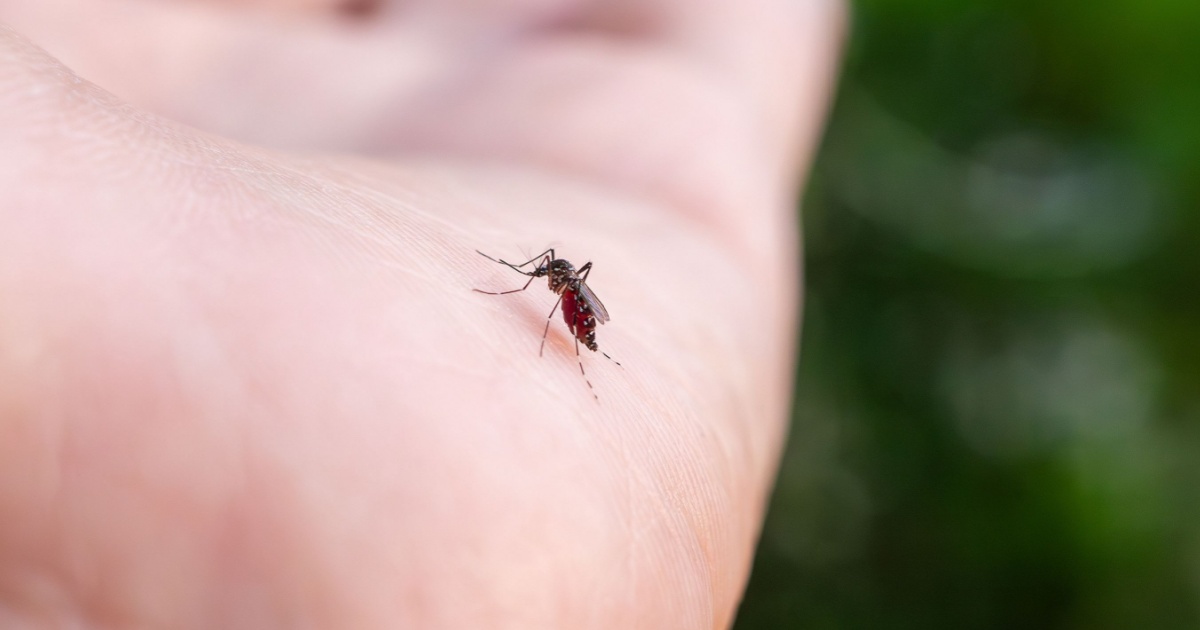

Summer sneaks up on you. One week you’re enjoying a cool evening on the porch, and the next, you’re swatting at something invisible in the dark and waking up with a cluster of itchy welts on your ankles. For most people, mosquitoes are a nuisance. But in some parts of the country, they’re closer to a seasonal health crisis – and 2026 is shaping up to be one of the worst years in recent memory.
After a winter marked by plunging temperatures and unusual precipitation patterns, experts at the National Pest Management Association are warning Americans to brace for an active pest season. Their latest Bug Barometer forecast predicts pests could emerge sooner and in greater numbers across the country, driven by erratic weather that allowed more insects to survive winter while creating ideal breeding conditions ahead.
What makes this year stand out isn’t just the numbers – it’s where the pressure is hitting. Warmer-than-usual springs, wetter summers, and expanding urban and suburban breeding grounds have created ideal conditions for mosquito populations to surge. Some of the states facing the worst of it this season might genuinely surprise you. Whether you’re planning a backyard barbecue, a camping trip, or just trying to walk to your car without becoming someone’s dinner, here’s what you need to know – state by state.
Before we get to the list, a quick note on why any of this matters beyond the itching. Mosquitoes are the deadliest animal in the world, responsible for more than 600,000 malaria-related deaths each year, according to the Centers for Disease Control and Prevention. In the U.S., they can spread serious diseases, including West Nile virus, Eastern Equine Encephalitis, and Zika. Additionally, mosquito-borne diseases that were once rare in the U.S., such as dengue fever, are rising significantly.
To identify the worst mosquito cities, Terminix compiled data from over 300 branches nationwide, based on where residents used the highest number of mosquito control services in 2025. With that in mind, here are the eight states that could be facing the worst mosquito problems in 2026.
1. Texas
More than 85 species of mosquitoes can be found across Texas, with the densest populations in the humid woodlands of East Texas and the low-lying coastal plain – but urban areas are far from immune. That sheer diversity of species means there’s rarely a moment of relief. Some are daytime biters, others peak at dusk, and most need very little encouragement to set up breeding operations in your backyard.
Despite a cold winter, a mild, damp spring is likely to create ideal conditions for termites, ticks, and mosquitoes to surge early across the South Central region, which includes Texas. Houston’s heavy annual rainfall makes it particularly susceptible, while mosquitoes also congregate heavily around still, warm water like Austin’s Lady Bird Lake. If you live anywhere along the Gulf Coast corridor, the combination of heat, humidity, and frequent summer storms means mosquito season can stretch from early spring well into November.
The practical takeaway for Texans: don’t wait until you see mosquitoes to act. Pre-season treatment of standing water around your home, cleaning out gutters before rains come, and keeping vegetation trimmed back from the house can make a measurable difference in what shows up in your yard come July.
2. California
California’s mosquito problem often catches people off guard, because the state’s reputation for dry, sunny weather doesn’t exactly scream “bug haven.” But the data tells a different story. 2026 has seen a rise in overall mosquito numbers, especially in Orange County. Due to major December rainfall coupled with unseasonably warm weather in January, mosquitoes began appearing en masse early this year. According to one public information officer, numbers were five times higher in early 2026 compared to the five-year average.
Activity is expected to be concentrated around irrigation systems and urban water use. Cities where water retention is high can also see an increase, and agricultural regions such as the Central Valley are considered higher-risk zones, where irrigation and water storage create continuous breeding opportunities. California’s extensive coastline also plays a role: coastal humidity supports mosquito survival even in otherwise mild climates.
For California residents, the biggest mistake is assuming the arid reputation means safety. If your neighborhood has any irrigation infrastructure, retention ponds, or even slow-draining gutters, you’re providing exactly what mosquitoes need. Checking and emptying anything that holds water after rain events – even briefly – is a first-line defense that costs nothing.
3. Florida
Florida is the state most people think of first when mosquitoes come up, and that reputation is completely earned. The Sunshine State boasts expansive national parks and over 1,350 miles of coastline. But the same warm, humid climate that makes it a year-round outdoor destination also sustains around 80 species of mosquitoes.
In southern Florida, mosquito season lasts from February to November – which means there are only two months out of the year when mosquitoes don’t plague the state. The bigger risk factor, beyond the sheer length of season, is what storms bring. The season’s hurricanes and tropical storms routinely flood low-lying areas and create standing water that sends populations surging for weeks after the water recedes. Every major weather event essentially restarts the mosquito clock.
A warm, wet spring may boost activity among mosquitoes in the Southeast earlier than in previous years, and tropical storms through summer will provide perfect breeding grounds that send populations soaring further. If you live in or visit Florida this year, treating clothing with permethrin and using a repellent containing DEET, picaridin, or oil of lemon eucalyptus are two of the most effective tools available, especially around coastal marshes and the Everglades region.
4. Pennsylvania
Pennsylvania might not be the first state you think of for mosquito trouble – and until recently, it wasn’t high on the lists. But the data for 2026 tells a different story. Pennsylvania makes its first appearance in the top five worst states this year, alongside Kentucky. A combination of warmer-than-average weather and expanding suburban sprawl has created conditions that pest control companies and public health officials are watching closely.
Pennsylvania is home to about 60 species of mosquitoes, and the risk of contracting a mosquito-borne disease has increased with the persistent presence of West Nile virus. The mosquito most often found in urban areas of the state is the northern house mosquito, Culex pipiens – this is also the species thought to transmit the most cases of West Nile virus to humans in Pennsylvania.
Philadelphia is a focal point. Philadelphia ranks among the worst mosquito cities in the U.S. according to Orkin’s 2026 Mosquito Cities List. Because these insects thrive in warm weather, Philadelphia’s increasingly hot summers may attract more of them with each passing year. The state is already responding: Pennsylvania tests between 1 and 1.5 million mosquitoes for West Nile virus each year through its statewide surveillance program. Residents across the state – not just in Philadelphia – should take the season seriously starting in May.
5. Kentucky
Kentucky sits in what entomologists sometimes call a “sweet spot” for mosquitoes: hot summers, substantial rainfall, and enough humidity to keep insects active from well before most people expect. The realistic active window for Kentucky spans from late March through late October, with peak pressure from late May through mid-September – roughly six months of meaningful exposure, with a two-to-three-month core of intense activity.
Kentucky sits in a humid subtropical transition zone with hot, sticky summers and substantial convective rainfall. That combination is practically ideal for Culex pipiens, the primary West Nile Virus vector in the state. Add in urban heat island effects in cities like Louisville and Lexington, where nighttime temperatures stay elevated, and you get longer active periods for night-biting Culex species.
Despite some cooler nights and even the occasional frost threat earlier in spring, mosquitoes in Kentucky were already active well before summer arrived this year. Industry professionals in the region reported mosquitoes out and biting as early as mid-April. Kentucky is home to over 50 different mosquito species, and knowing that fact should motivate residents to stay on top of standing water removal – particularly in hollow spots in the lawn, low-lying garden beds, and anywhere rainwater pools after storms.
6. Georgia
Georgia’s humid, subtropical climate makes it a haven for mosquitoes. Residents are likely to encounter them earlier in the year than states further north, as temperatures typically begin to rise around mid-March. Mosquito season in the Peach State lasts well into October.
Atlanta, in particular, is one of the country’s most consistently difficult cities for mosquito activity. Atlanta ranks among the worst U.S. cities in terms of its mosquito population. This is attributed to several factors, including an abundance of water sources such as lakes, ponds, pools, and gutters, all of which help propagate mosquitoes. The extreme humidity and plentiful rain make the city a ripe breeding ground.
A warm, wet spring is expected to boost mosquito activity across the Southeast earlier than in prior years. For Georgia residents, the seasonal window is long enough that protection shouldn’t feel optional for just a few weeks in July. Treating your yard regularly from April through October, maintaining screens on windows and doors, and checking drainage after every rainstorm are habits worth building now, before peak season arrives.
7. Michigan
Michigan surprises a lot of people on this list, but it shouldn’t. The state’s sheer volume of water – bordering four of the five Great Lakes – creates near-perfect mosquito habitat across enormous stretches of shoreline, wetland, and boreal forest. An abundance of standing water and boreal wetlands makes this area one of the most notorious bug destinations in North America.
Mosquitoes in Michigan can become active as soon as overnight temperatures consistently hold above 50°F, which in recent years has been happening in late March or early April. According to Michigan State University entomologist Dr. Edward Walker, climate change has meaningfully lengthened the mosquito season, with “earlier mosquito activity and populations building up in the spring and later ones in the fall, even progressing into biting mosquitoes in October.”
For the Great Lakes and Ohio Valley region, which includes Michigan and Kentucky, rising spring temperatures are expected to trigger pest pressures sooner than usual in 2026. Summer conditions will spike activity further, particularly following heavy rainfall events. If you’re heading to any of Michigan’s coastal parks or inland lakes this summer, treat clothing and gear before you go and check the state’s weekly disease surveillance updates from the Michigan Department of Health and Human Services, which track West Nile Virus activity by county throughout the season.
8. New York
New York’s placement on this list might be the most striking for people who associate major mosquito problems with the South. But the city and the state have been steadily climbing the rankings, and 2026 confirms the trend. New York ranked No. 3 on Orkin’s 2026 Mosquito Cities List, placing it among the worst cities in the U.S. for mosquito activity. Los Angeles held the top spot for the sixth straight year, followed by Chicago.
Mosquitoes are most active in New York City from April through October. During this time, they seek to lay eggs in slow-moving or standing water. Warmer average temperatures have led to earlier springs, hotter summers, and milder winters, and increased precipitation allows mosquitoes to expand into new areas, reproduce more quickly, and stay active for longer periods.
The disease risk in New York is real and worth taking seriously. Eastern Equine Encephalitis (EEE) – a rare but very serious neurological disease spread by mosquitoes – can infect people, horses, and other mammals. An average of 10 human EEE cases are reported each year in the U.S. New York’s most dangerous mosquito window sits roughly from late April through October, with the peak disease transmission risk clustering around July and August. Residents in the Hudson Valley, Long Island, and wetland-adjacent neighborhoods should be especially cautious during that period.
Read More: Mosquito Bites Sting and Swell? You Could Have Skeeter Syndrome
What This Means for You
If you live in or plan to visit any of these eight states this summer, the single most effective thing you can do starts at home. Mosquitoes can breed in as little as a bottle cap of water, so regularly emptying birdbaths, gutters, flowerpots, and other containers around your property removes their most common breeding sites. Keeping grass trimmed and shrubs pruned away from the home’s exterior and removing leaf litter and debris where insects can hide are equally important steps.
For personal protection when spending time outdoors, the CDC recommends using EPA-registered repellents containing DEET, picaridin, or oil of lemon eucalyptus – all of which have strong evidence behind them. Wearing long sleeves and light-colored clothing at dawn and dusk, when most species are most active, reduces your exposure significantly. And if you want a natural alternative to chemical-based options, homemade repellent recipes using ingredients like lemon eucalyptus oil – which the CDC recognizes as effective – are worth exploring before peak season arrives.
The broader picture is this: over the past decade, mosquito activity has expanded beyond traditional hotspots and become a nationwide concern. Shifting climate conditions and the expanding range of certain species are creating new hotspots across the country – including states that rarely appeared on these lists before. Staying informed, eliminating standing water, and using proven repellents are the three habits that will protect you most this season, regardless of which state you’re in.
Disclaimer: This information is not intended to be a substitute for professional medical advice, diagnosis, or treatment and is for information only. Always seek the advice of your physician or another qualified health provider with any questions about your medical condition and/or current medication. Do not disregard professional medical advice or delay seeking advice or treatment because of something you have read here.
AI Disclaimer: This article was created with the assistance of AI tools and reviewed by a human editor.