
Look at Batch Dates and Key Markers
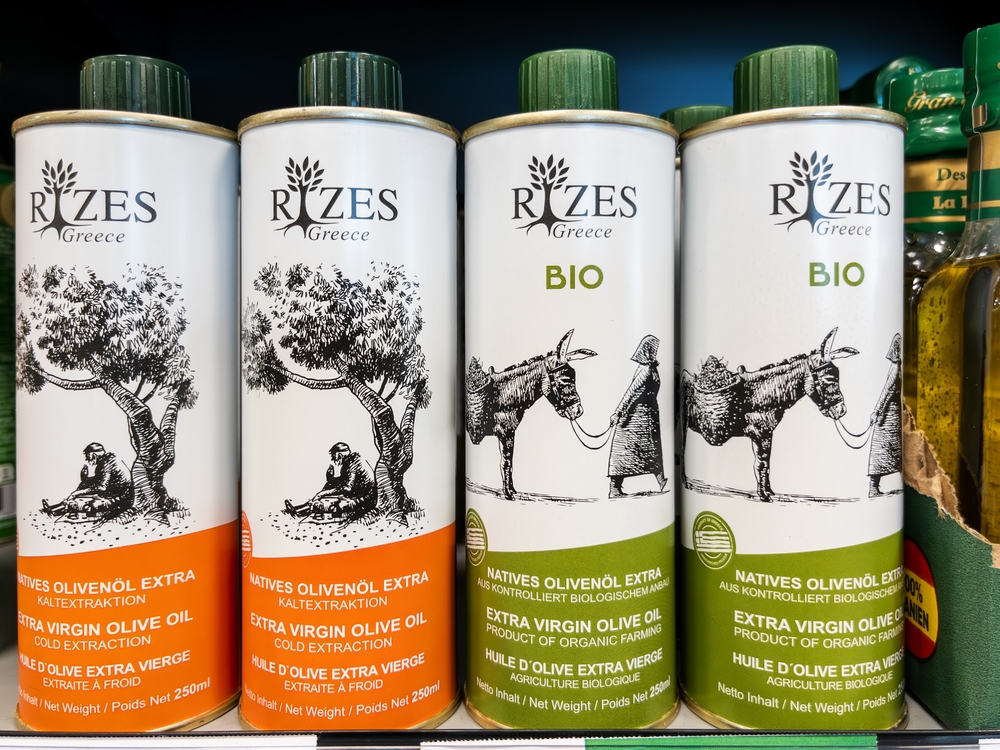
To ensure you’re getting a high-quality product, make sure you look at harvest date, the harvester estate or mill, and its certifications. Firstly, freshness is important with olive oil. It is recommended that olive oil is used within 18 months of its harvest date. Imported oils may have shorter lifespans due to shipping times, so consider domestic or local options, closer to your region, to ensure the olive oil you purchase has a longer shelf-life. If imported options are limited in your area, consider alternatives from countries like Chile and Australia, which are known for their strict purity standards and high-quality production methods.
Authentic olive oils often list the estate or mill where they were produced. Identifying known harvest estates or mills ensures that the oil comes from a reputable source rather than being a blend of unknown origins. Finally, look for seals from organizations like the International Olive Council (IOC), the North American Olive Oil Association (NAOOA) or other regional certifying bodies. These certifications give more peace of mind that the oil meets stringent quality standards. The North American Olive Oil Association (NAOOA) has a list of 78 olive oils certified by them as legitimate olive oil to purchase in North America. These are a few of them:
Read More: Olive oil: Health benefits, how to use, and what to look out for