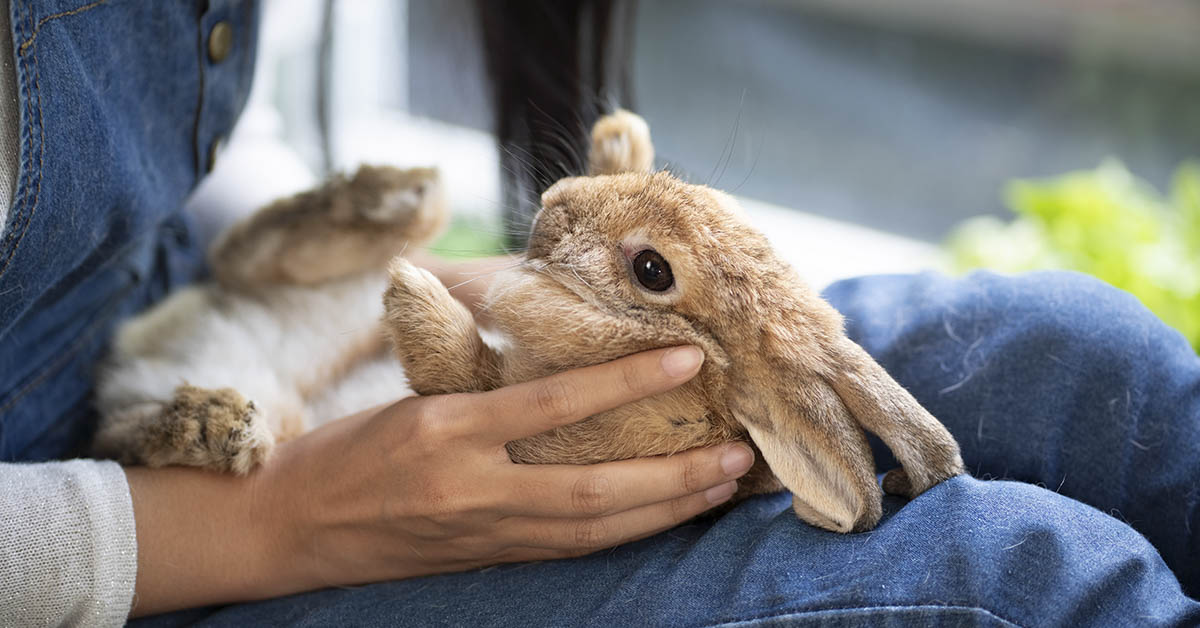

Animal lovers know the turmoil of watching a nature documentary. There’s the adorable prey trying to hide, and the majestic predator trying to hunt. Both are trying to survive, and you are rooting for both of them to succeed. Yet the conclusion is always emotionally conflicting. Yes, the prey got away but now the predator goes hungry. Or yes, the predator has a successful hunt, but now a cute animal is dead. As people, we can understand the concept of the circle of life. At the same time, we tend to anthropomorphize animals, especially pets who become part of the family. So when a zoo asked for unwanted pets to feed their resident carnivores, some people responded with horrified, some with support, and many with confusion.
Zoo Asks for Unwanted Pets to Feed Predators
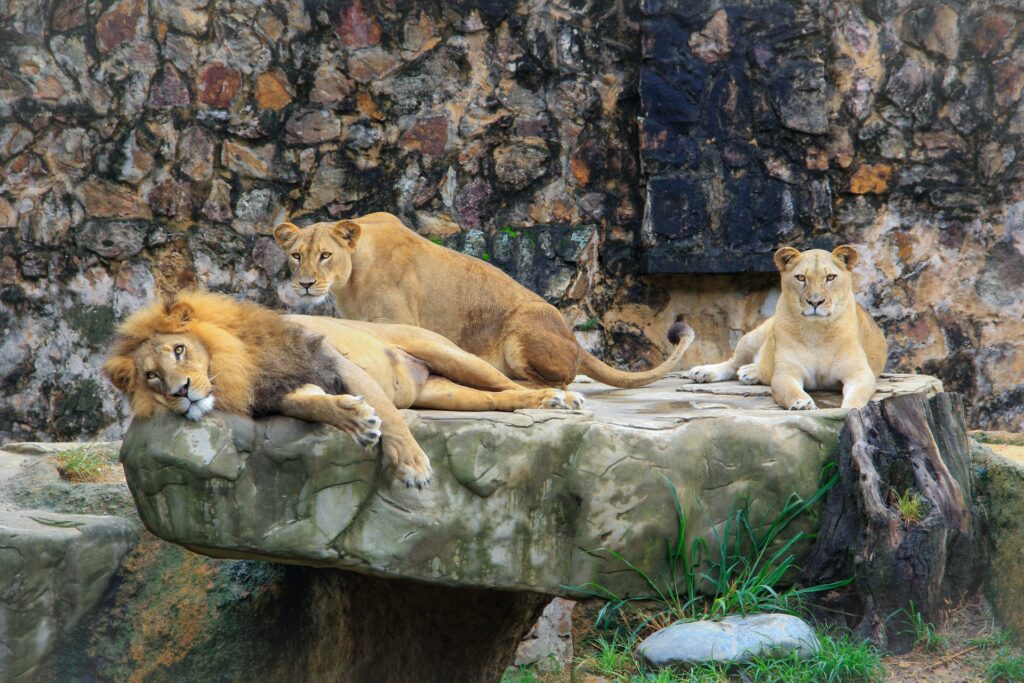
The Aalborg Zoom in Denmark published a notice on their website and social media pages that asked people to donate animals to feed the carnivores. “Predators need whole prey, including fur, bones and organs, as it contributes to enrichment, nutrition and well-being,” read the statement. “By allowing necessary kills to become part of the food chain, we avoid waste and instead create a meaningful farewell where the animal can benefit both garden predators and nature.” They request horses and smaller prey animals like guinea pigs, rabbits, and chickens. They do not accept dogs, cats, and other predators. People who donate can get a tax deduction in return.
The zoo had posted about this controversial policy on Facebook on July 31st, and has since disabled commenting. They encourage people to DM or email them questions they may have instead. However, the comments already posted reflect both types of reactions, as do the responses to follow-up posts on zoo’s Instagram page. There, people continue to voice their opinions about the ask for unwanted pets.
The Public’s Reaction
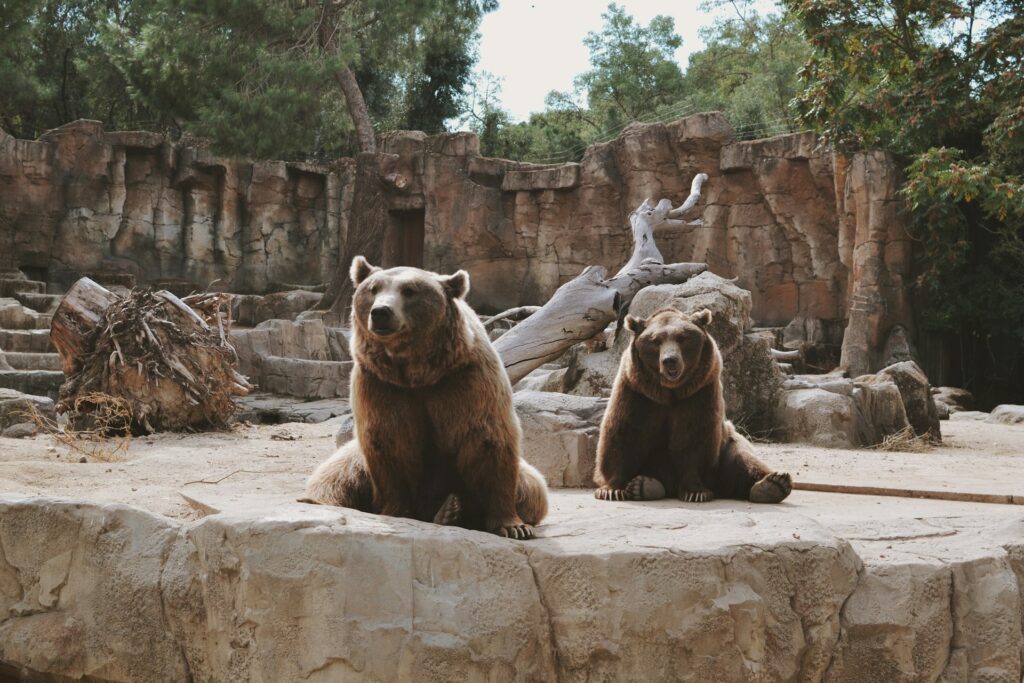
As one can imagine, the debates were fiery. One of the main criticisms is that the zoo is promoting the idea that animals are disposable. Too often, families buy pets as gifts for kids or on holidays. When the novelty wears off, they toss the animals into the streets. Knowing they can donate unwanted animals may encourage this flippancy toward purchasing pets like guinea pigs and bunnies. However, others argue that it’s better for people to donate unwanted animals to help other animals. It’s at least better than throwing them to the streets where they will most likely die anyway.
Additionally, people called out those appalled at this policy. They said it’s hypocritical to decry this while consuming meat and other products made through animal slaughter. Meanwhile, others criticized zoos in general and called for them to give their animals to natural reserves.
However, many pointed out that this is not a good look for the zoo, which is meant to protect and love animals. Instead, it came across as heartless and unethical for a zoo to ask for unwanted pets to become fodder. Some say that they may think of this differently if the zoo had asked for sick animals that would be euthanized anyway. Rather, the zoo clarified they wanted healthy horse donations (they were unclear about the state of the smaller animals).
“Gently euthanized by trained staff”

Content warning about graphic explanations of animal euthanasia. Skip to the next section if you don’t want to read about this topic.
In the comments remaining on the original Facebook post, one person asked the zoo to clarify “the animals are gently euthanized by trained staff.” Andrea Majlund Grosen, the Aalborg Zoo’s Head of Content, clarified that they do not use narcotics or similar agents since they could be transferred to the animal eating it. A translation of her original Danish post reads, “The exact method depends on which animal it is. Typically our staff use a bolt gun which ensures an instant unconsciousness and subsequently euthanasia by bleeding or neck tug. We also have different sizes of equipment adapted to both small and large animals.” She added that the staff follow the official and recommended guidelines to provide respect for the animals and ensure hygiene and food safety.
When asked about smaller pet donations, she explained: “When it comes to smaller animals like rabbits, we use different methods depending on the size and weight of the animal. In smaller rabbits it can mean a powerful blow to the skull, which immediately renders the animal unconscious and unable to feel pain. Then a neck pull is performed to ensure that the animal is dead.” She added that they tend to use bolt guns for larger rabbits. And she answered that movement after a stroke or euthanasia is from nerve impulses, not conscious movement. “It may seem violent, but is physiologically natural,” she wrote. “Our goal is always to ensure euthanasia is as gently and quickly as possible, both for the animal and for those who work with it. We always follow the recommended methods.”
What is the Best Fodder for Captive Predators?
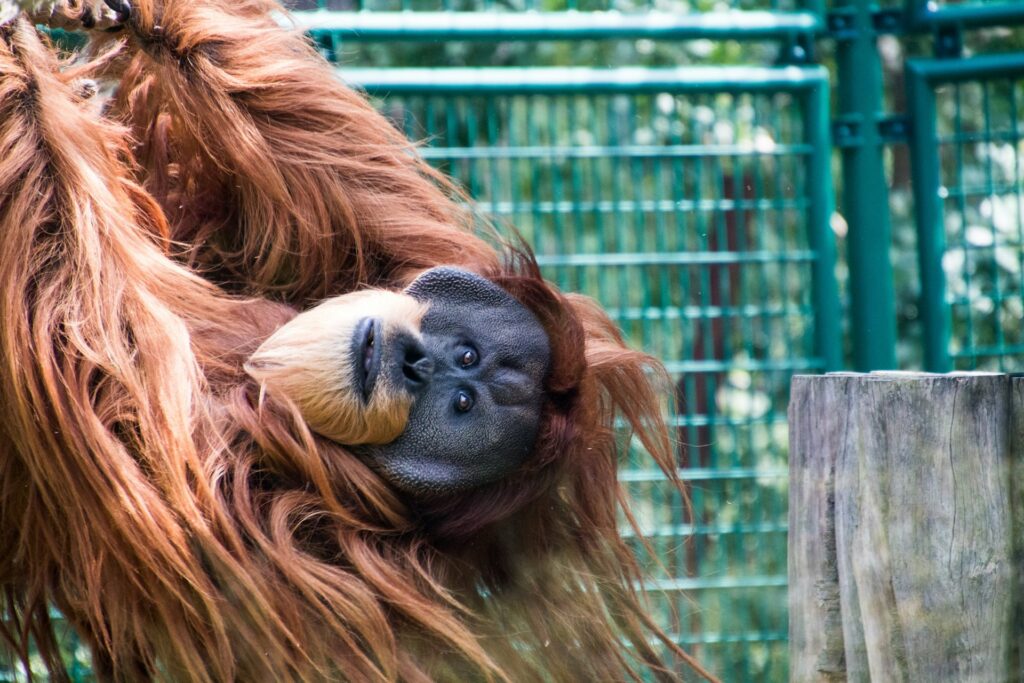
“When keeping carnivores, it is necessary to provide them with meat, preferably with fur, bones, etc., to give them as natural a diet as possible,” said zoo Deputy Director Pia Nielsen in a statement to NPR. “Therefore, it makes sense to allow animals that need to be euthanized for various reasons to be of use in this way. In Denmark, this practice is common, and many of our guests and partners appreciate the opportunity to contribute.”
Experts from the Nutritional Advisory Group to the Association of Zoos and Aquariums agree that captive carnivores benefit from eating whole animal parts as they would in the wild. The Association of Zoos and Aquariums is a nonprofit organization dedicated to the education, conservation, and welfare of animals in zoos and aquariums. It is the accrediting body for these institutions in multiple countries, including the U.S. The organization does not endorse zoos asking for unwanted pets for food.
According to its 2017 “Guidelines for the Humane and Ethical Acquisition and Management of Vertebrate Feeder Animals,” feeder animals must be acquired ethically through commercial vendors or other regulated sources, and they must be transferred by experts with appropriate facilities. Therefore, they do not allow soliciting or using domesticated pets from the public as food for animals in their accredited zoos.
Read More: Man Leaps Into Zoo Enclosure to Save Drowning Chimp