
Your Car and Your House Keys
Most people don’t know that auto insurance follows the vehicle in nearly every state, not the driver. That means if someone borrows your car with your permission and causes an accident. Your policy is the one that responds first, your deductible gets charged, and the claim lands on your record. If the damage exceeds your coverage limits, the injured party can come after you personally for the rest, even if you were home on your couch when it happened. The legal term is vicarious liability. NOLO, one of the most widely referenced legal information sites in the country, explains it plainly in its permissive use coverage: the owner who hands over the keys accepts responsibility for what happens next. Regardless of who was driving.
Even that primary coverage may not respond at full strength when someone else is behind the wheel. Some insurers apply what are known as drop-down limits. Which reduce your coverage to the state minimum regardless of what you actually pay for. Others double your deductible on permissive use claims. So the policy you’re counting on can quietly shrink the moment a non-listed driver is involved in an accident. And if the borrower turns out to be someone your insurer won’t cover at all, whether because they’re unlicensed or excluded from your policy, the claim gets denied entirely. And every dollar of damage falls on you.
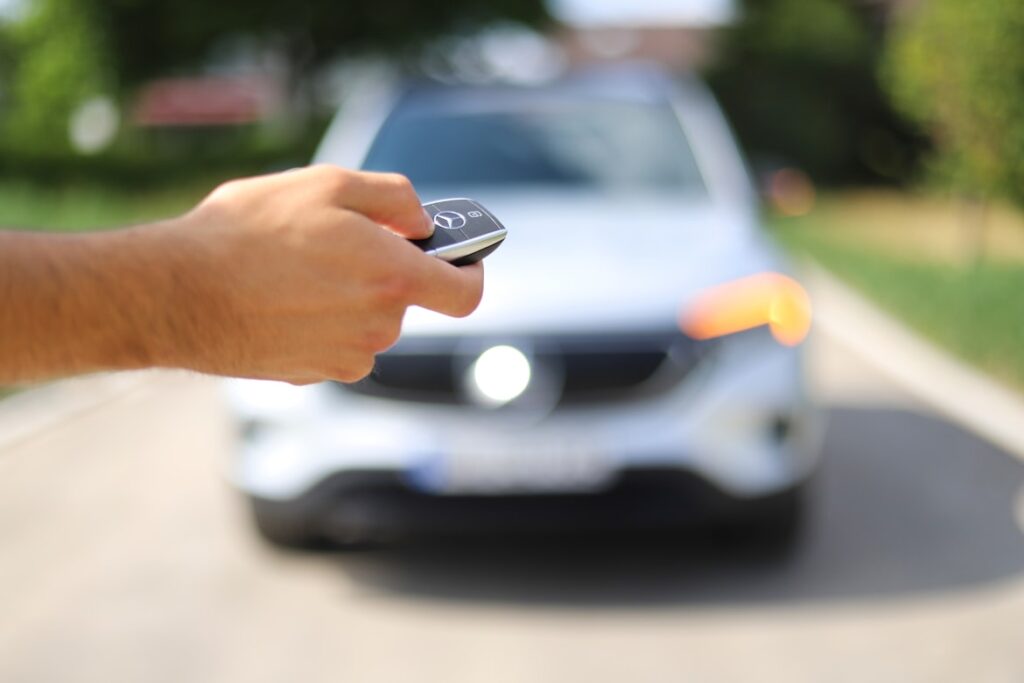
Image by Matthias Munning on Unsplash
The risk gets worse if the borrower doesn’t carry their own auto insurance. Progressive, one of the largest auto insurers in the country, explains in its permissive use guidance that a driver’s personal policy “could also pay out” after the owner’s limits are exhausted. But that only works if the borrower has coverage in the first place. If they don’t, there is no secondary layer, and you carry the full weight. A 20-minute errand can turn into a lawsuit and years of inflated premiums. For an accident you had nothing to do with.
House keys don’t carry the same legal exposure as a car, but they come with something harder to undo. When you hand someone a key to your home. You give them unrestricted access to the most private space you have. A spare key for a pet sitter over a weekend is fine because the arrangement has a built-in end date. But a key handed to a family member who “just needs a place to stay for a few days” almost never works that way. The longer someone stays, the harder it becomes to ask them to leave. And if someone makes a copy, which takes under 5 minutes at any hardware store, you have no way of confirming whether a duplicate still exists even after the original is returned.
So when someone you trust needs a ride, the safer move is to drive them yourself. And when someone needs a place to stay, be home while they’re there. You’re still helping. But you’re not handing over control of something that carries your name, your policy, or your privacy along with it.