
Your Passwords and Your Phone
Lending someone your phone for a quick call may have felt harmless 10 years ago. And back then it mostly was. But a phone in 2026 is not just a phone. It’s where your banking apps live next to your private conversations and your saved passwords. All behind a lock that opens with your face or your fingerprint. When you hand it to someone, even for 30 seconds, all of those things are accessible. A well-meaning friend who borrows it “just to make a call” can still see a notification pop up from your bank or a private text thread they were never meant to read. And that’s just from holding the device. The passwords stored on it can travel even further when you share them on their own.
Sharing your Netflix login seems like nothing, and giving your Wi-Fi password to a houseguest feels expected. But passwords tend to travel once they leave your hands. The person you shared it with could pass it to someone they trust, and that person could pass it again. From there, it keeps moving to people you never intended to have it. That kind of drift is manageable when it’s just a streaming service, but most people reuse the same credentials across multiple platforms even though they know they shouldn’t. One shared password in the wrong hands can unlock far more than the account you meant to share.
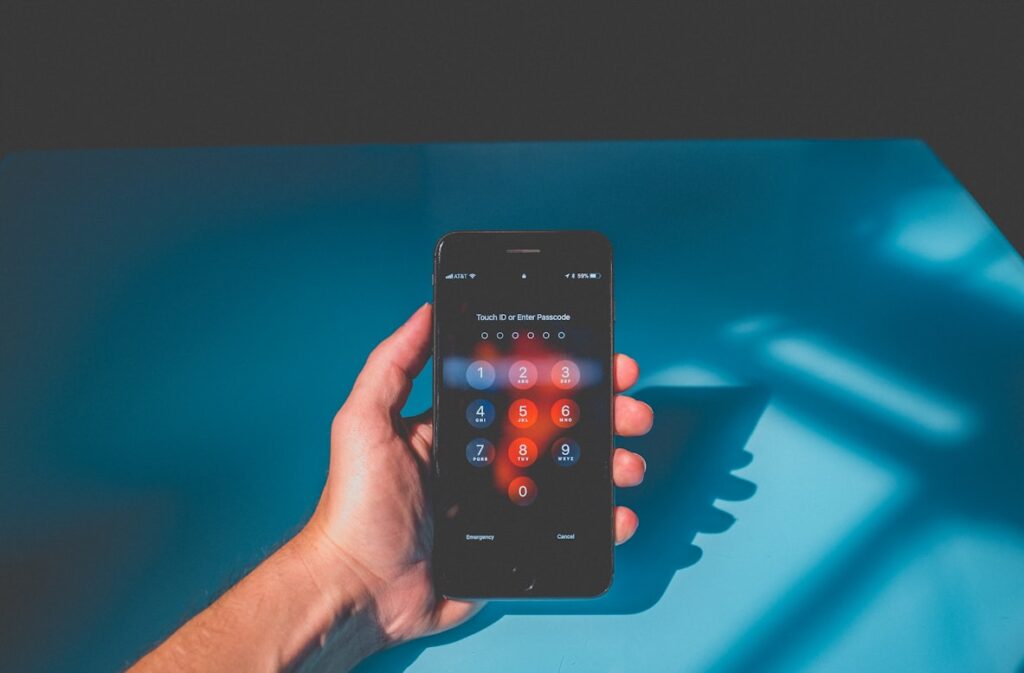
Your phone and your passwords are what Nedra Glover Tawwab would call material boundaries. Tawwab is a licensed therapist and New York Times bestselling author of Set Boundaries, Find Peace, and her work is grounded in cognitive behavioral therapy. Material boundaries cover anything tied to your possessions and personal resources. A phone or a password qualifies because both sit at the center of your financial and personal life. When someone asks to borrow either one and you feel uncomfortable saying yes. That discomfort is the boundary asking you to consider all angles.