
Sentimental Belongings and Expensive Equipment
Every family has a few objects that mean more than they’re worth. It could be a grandmother’s engagement ring or a christening gown that has been through 4 generations of the same family. What makes these things irreplaceable isn’t what they cost but what they carry. And no insurance policy can put a dollar figure on lineage or memory. And yet people still lend them. Maybe because the requests come wrapped in so much sentiment that saying no feels like you’re choosing a thing over a person.
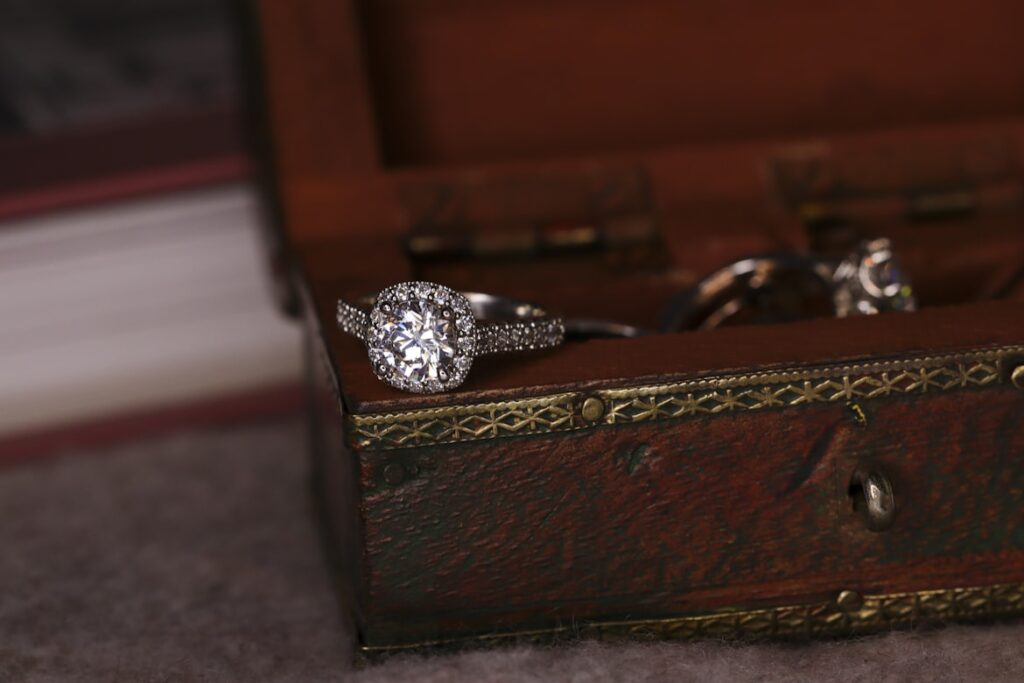
But the risk only needs to come true once for that calculation to flip entirely. Something gets lost or damaged, and the borrower’s guilt afterward, however real and genuine, can’t bring it back. The item is gone or permanently changed, and the relationship now has to carry something that can never fully be made right.
Most people know they should say no in these moments, but the guilt of actually doing it stops them. Sharon Martin, a licensed clinical social worker and author of The Better Boundaries Workbook, has written about this extensively for Psychology Today. Martin traces the reason people override their own protective instincts back to that guilt. Because we tend to believe that setting a limit is a form of rejection.
That saying “I’d rather not lend that” communicates “I don’t trust you” or “you’re not important enough.” That belief convinces us to suppress what we know is true, and when things go wrong, the result is almost always resentment on both sides. The fear of seeming selfish overrides what we already know about the risk, and by the time the consequence arrives. It’s too late to do anything but absorb it.
The same guilt shows up with expensive equipment, even though the loss is financial rather than emotional. Maybe it’s a camera lens that comes back scratched because the borrower didn’t know to handle it the way you would. Or a power tool that returns with a chipped blade. The cost of fixing it falls on you, and most people swallow that cost rather than have a conversation that might damage the relationship. So the resentment builds quietly instead.
When something is irreplaceable, the safest answer is to keep it where it is and explain what it means to you. When something is expensive enough that losing it would hurt. The safer move is the same one that worked with the car and the phone. Communicate its value, set the boundary kindly, and offer to help in a way that doesn’t require handing it over.