

For generations, the word “cancer” has been synonymous with a sense of inevitability; a roll of the genetic dice that few can escape. We often view it as a looming shadow that strikes without warning or reason. However, a landmark global study recently published in the journal Nature has fundamentally shifted this narrative.
The Latest Research in Cancer Prevention
Image credit: Shutterstock
The research, led by scientists from the World Health Organization (WHO) and the International Agency for Research on Cancer (IARC), delivers a message of profound empowerment: nearly 40% of all global cancer cases are preventable. By analyzing 30 different “modifiable” risk factors across 185 countries, researchers identified that approximately 7.1 million new cancer diagnoses each year are linked to lifestyle choices and environmental exposures that we have the power to change.
The most striking finding? The vast majority of these preventable cases are driven by just three factors: tobacco smoking, infections, and alcohol consumption. While the science of oncology is complex, the path to reducing your risk might be simpler than you think.
The Power of Prevention: Understanding the Numbers
The study analyzed data from 2022, examining 36 different types of cancer. It found that 37.8% of all new cancer cases – nearly four in 10 – could be attributed to factors within our control.
The burden is not distributed equally. Men, for instance, face a higher percentage of preventable cases (45%) compared to women (30%), largely due to higher historical rates of smoking. Geographically, the risks shift as well. In sub-Saharan Africa, infections like HPV are a dominant driver, whereas in high-income nations, tobacco remains the primary culprit.
Despite these variations, the three leaders of the pack remain consistent. By understanding how these factors damage our bodies at a cellular level, we can take practical steps to shield ourselves from the disease.
1. Tobacco: The Leading Culprit

Tobacco smoking remains the single most significant preventable cause of cancer worldwide. According to the Nature study, it is responsible for roughly 15% of all new cancer cases globally. Among men, that number jumps to a staggering 23%.
The Science
When you inhale tobacco smoke, you are breathing in over 7,000 chemicals, at least 70 of which are known to cause cancer. These carcinogens, such as nitrosamines and polycyclic aromatic hydrocarbons, enter the bloodstream and travel to nearly every organ in the body.
The primary mechanism of damage is DNA mutation. These chemicals bind to your DNA, creating “bulky adducts” that cause the cell’s replication machinery to make mistakes. Over time, these mistakes accumulate. If a mutation occurs in a gene that regulates cell growth (an oncogene) or a gene that repairs DNA (a tumor suppressor gene), the cell can begin to divide uncontrollably. This is the birth of a tumor.
Practical Tips for Quitting
Quitting smoking is the single best thing you can do for your health, regardless of how long you’ve smoked. First, you must identify your triggers. Do you smoke with your morning coffee? After a meal? When stressed? Identifying these patterns allows you to prepare substitutes. This could be things like having herbal tea or going for a short walk.
From there, you can use nicotine replacement therapy (NRT). Patches, gums, and lozenges can double your chances of quitting by managing withdrawal symptoms. Use the “start small” approach by using what’s known as the “delay” technique. When craving hits, tell yourself you must wait 10 minutes. Often, the intensity of the craving will subside by then. Finally, you can always consult a professional for help. Prescription medications like varenicline can significantly reduce the “reward” feeling of smoking.
2. The Silent Threat: Cancer-Causing Infections
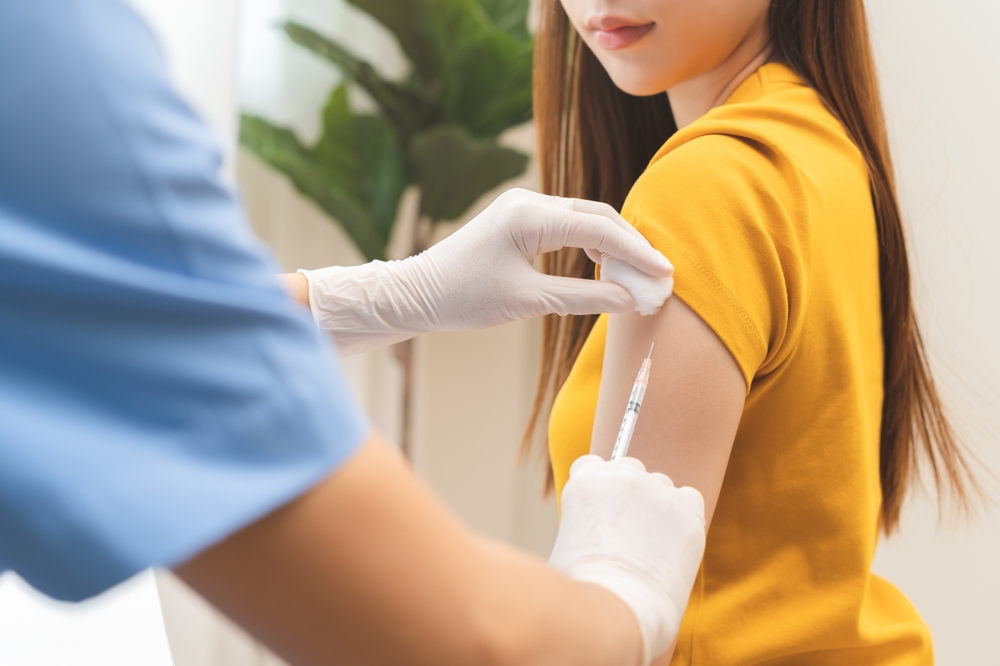
Perhaps the most surprising finding for the general public is the role of infections. The study highlights that infections are the second leading cause of preventable cancer, accounting for about 10% of cases globally and 11.5% among women.
The Science
Most people think of infections as causing the flu or a cold, but certain viruses and bacteria can linger in the body for decades, slowly rewriting our biology.
Human Papillomavirus (HPV) is the primary cause of cervical and vaginal cancer and is linked to throat and anal cancers. HPV inserts its own genetic material into human cells, producing proteins that “turn off” the body’s natural tumor-suppression system.
Helicobacter pylori (H. Pylori) is a bacterium that infects the stomach lining. It causes chronic inflammation, which forces stomach cells to regenerate faster than normal. This high turnover rate increases the likelihood of genetic errors that lead to stomach cancer. Finally, Hepatitis B and C are viruses that cause chronic liver inflammation, also known as cirrhosis. This is the leading precursor to liver cancer.
Practical Tips for Protection
There are many practical tips for the prevention of all of these infections. The HPV vaccine is a modern medical miracle. It is highly effective at preventing the types of HPV that cause the vast majority of cervical cancers. Similarly, the Hepatitis B vaccine is a standard preventative measure.
If you suffer from chronic indigestion or stomach pain, regular H.pylori screening may be a good idea for you. A simple breath or stool test can detect H.pylori. If present, it can usually be cleared with a short course of targeted antibiotics. Lastly, using protection during intimacy and avoiding shared needles are critical for preventing the spread of HPV and Hepatitis.
3. Alcohol: More Than Just Liver Risk

Alcohol consumption is the third leading modifiable risk factor, linked to roughly 3% of global cancer cases. While many people associate alcohol only with liver damage, the Nature study confirms that it is a “Group 1 Carcinogen”. This puts it in the same category as tobacco and asbestos.
The Science
The primary villain in alcohol-related cancer is acetaldehyde. When you drink, your liver breaks down ethanol into acetaldehyde, a toxic chemical that can cause “double-strand breaks” in your DNA. This type of damage is particularly difficult for the body to repair correctly.
Furthermore, alcohol acts as a solvent, making it easier for other carcinogens, like those from tobacco, to enter the cells of the mouth and throat. It also raises levels of hormones like estrogen, which explains why even moderate drinking is strongly linked to an increased risk of breast cancer in women.
Practical Tips for Cutting Back
The World Health Organization recently stated that when it comes to cancer, there is no safe amount of alcohol. Still, if you aren’t ready to fully abstain, reduction is a powerful first step. Try the following options to reduce your alcohol intake:
- The Rule of Halves: If you usually have two glasses of wine, switch to one. Or, alternate every alcoholic drink with a glass of sparkling water.
- Explore Mocktails: The non-alcoholic beverage market has exploded. High-quality alcohol-free beers and spirits allow you to maintain the social ritual without acetaldehyde.
- Track Your Intake: Use an app to log your drinks. We often underestimate how much we consume over the course of a week.
- Find New Stress Relievers: If you drink to unwind, try replacing that 5 pm drink with a 20-minute yoga session, a podcast, or a stress-relieving tea.
Read More: Not Just Alcohol: Surprising Diet Habits That May Raise Liver Cancer Risk
The Road Ahead: Small Changes, Massive Impact

Image credit: Shutterstock
The Nature study serves as a wake-up call, but it is also a source of immense hope. We are not merely passive observers of our health; we are active participants. By addressing tobacco use, staying current on vaccinations and screenings for infections, and rethinking our relationship with alcohol, we can collectively prevent millions of tragedies.
These three lifestyle changes are not about living a life of restriction; they are about investing in a future of vitality. As the researchers noted, the goal is to get the percentage of preventable cancers as close to zero as possible. That journey begins with the choices we make today: one smoke-free morning, one vaccination, and one less drink at a time.
Disclaimer: This information is not intended to be a substitute for professional medical advice, diagnosis or treatment and is for information only. Always seek the advice of your physician or another qualified health provider with any questions about your medical condition and/or current medication. Do not disregard professional medical advice or delay seeking advice or treatment because of something you have read here.
Read More: How Much Do You Know About Cervical Cancer?